


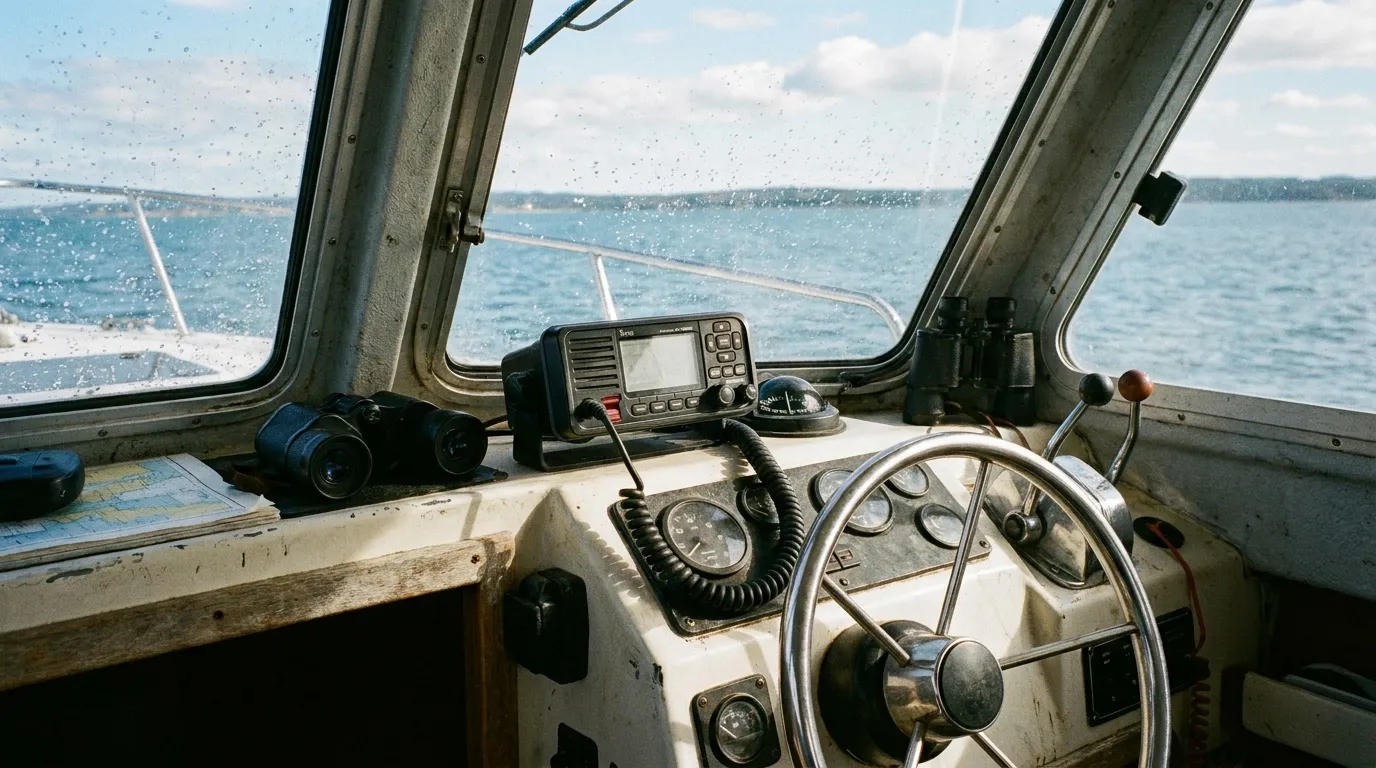
VHF radios are having a real moment, and it’s based on real use, not hype. In 2026, they’re back at the center of marine safety and defense communication, right alongside everyday boating, including weekend trips that still need reliable contact. Market reports point to regular growth, driven by tighter safety rules, more boats on the water, and onboard electronics that people now expect as standard. For recreational boaters and commercial operators, fishing fans included, the timing matters. Short hops or long runs both depend on clear communication. A VHF radio has moved past being a “just in case” tool. It now sits at the center of how boats stay connected, stay safe, and meet coastal safety and port authority rules.
Costs are coming down while features keep getting better, and installation is much easier than it was a decade ago, without the rewiring headaches. That mix is pushing many owners to upgrade or install a VHF system for the first time. Less hassle and more value are changing how people decide. This article looks at what’s driving VHF radio market growth, where that growth shows up, and what it means for people actually out on the water. Marine safety, defense communication, tech trends like AIS and DSC, and practical buying advice are all covered to support clear, confident choices.
Market Growth Driven by Safety Rules and Boating Activity
Stricter safety rules and busier waterways are pushing VHF radio use forward. At crowded marinas and along popular coastlines, the change is easy to see. Recreational boating has bounced back in many regions, while commercial fishing keeps growing, often sharing the same narrow areas. As traffic increases, regulators place more weight on clear, reliable communication onboard. VHF radios still sit at the center of these rules, mostly because people know them well and trust them across the industry.
Analyst reports put the marine VHF radio and AIS segment at about USD 520 million in 2024. Yearly growth is expected to stay around 7 to 8 percent through the next decade. Looking further out, wider marine radio forecasts point to multi‑billion‑dollar totals by the mid‑2030s. The pace is consistent rather than flashy, and that’s intentional. Demand is tied to regulation and regular boating activity, not short tech trends that come and go.
| Metric | Value | Year |
|---|---|---|
| Marine VHF radio and AIS market size | USD 520 million | 2024 |
| Projected annual growth rate | 7, 8% | 2025, 2034 |
| Projected global VHF/UHF radio market | USD 1.12 billion | 2036 |
For boaters, this growth shows up in practical ways. Manufacturers are spending more time on refreshed models, and retailers now offer a wider range of options, from basic handheld radios to fixed systems with AIS included. Training and awareness around proper VHF use are also getting better. If you already own a boat, 2026 lines up well for taking another look at your setup, especially if your current radio is starting to feel outdated. You can learn more about setup and optimization in the VHF Marine Radios: Setup, Range Optimization, and Emergency Use Best Practices guide.
Marine Safety Remains the Core Reason VHF Radios Matter
Clear, short‑range communication is still the main reason to keep a VHF radio onboard. Between boats and with coast guards, nothing else gives the same direct line. Smartphones and satellite tools are common now, but when an engine fails or weather changes faster than planned, crews grab the VHF first. It’s a practical choice: it keeps working when mobile networks drop, with no extra steps or setup.
Authorities in many regions continue to push the use of VHF radios with Digital Selective Calling. One button sends a distress alert, and when GPS is connected, the boat’s position goes out on its own. That cuts out guessing at the worst moment and helps responders move faster. Add AIS, and nearby boats can see each other in real time, which helps prevent problems before they start, not only during emergencies.
New boat owners often think only about emergencies and miss how central VHF is to daily boating. Bridge‑to‑bridge calls, regular weather updates, and port traffic all rely on it to keep things moving. No apps, passwords, or logins slow anyone down. Setup and daily use are covered in more detail in our guide on VHF Marine Radios: Setup, Range Optimization, and Emergency Use Best Practices.
From a market view, safety‑driven demand stays consistent. Other marine electronics rise and fall with trends, but this category stays reliable. It isn’t flashy, but that dependability keeps VHF radios appealing to investors year after year.
Defense Communication Keeps the Market Strong and Reliable
Defense communication quietly shapes the VHF radio market in ways most boaters never notice. Naval forces and coast guards still depend on VHF for short-range, line-of-sight contact. It’s used every day for coordination that needs to work the same way, every time. Fleets at sea stick with systems that feel familiar, reliable, and predictable, which is why VHF stays trusted even as newer options appear.
Recent defense upgrades focus on clearer digital audio and stronger protection against interference. Satellites now handle most long-range needs, but VHF still anchors ship-to-ship and ship-to-shore communication. When vessels are close together and quick decisions matter, this channel works without delay.
These defense-led improvements don’t stay behind closed doors. Over time, they make their way into civilian and commercial radios as better noise control, clearer sound, and tougher housings that handle salt, spray, and hard use. Long service life is built into the design.
Many boat owners think an older VHF radio is always enough. Models from ten or fifteen years ago often miss safety features that are now standard. Upgrading doesn’t just make daily use easier, it helps keep communication steady when weather turns rough and it matters most.
Smarter Features and Easier Integration in 2026
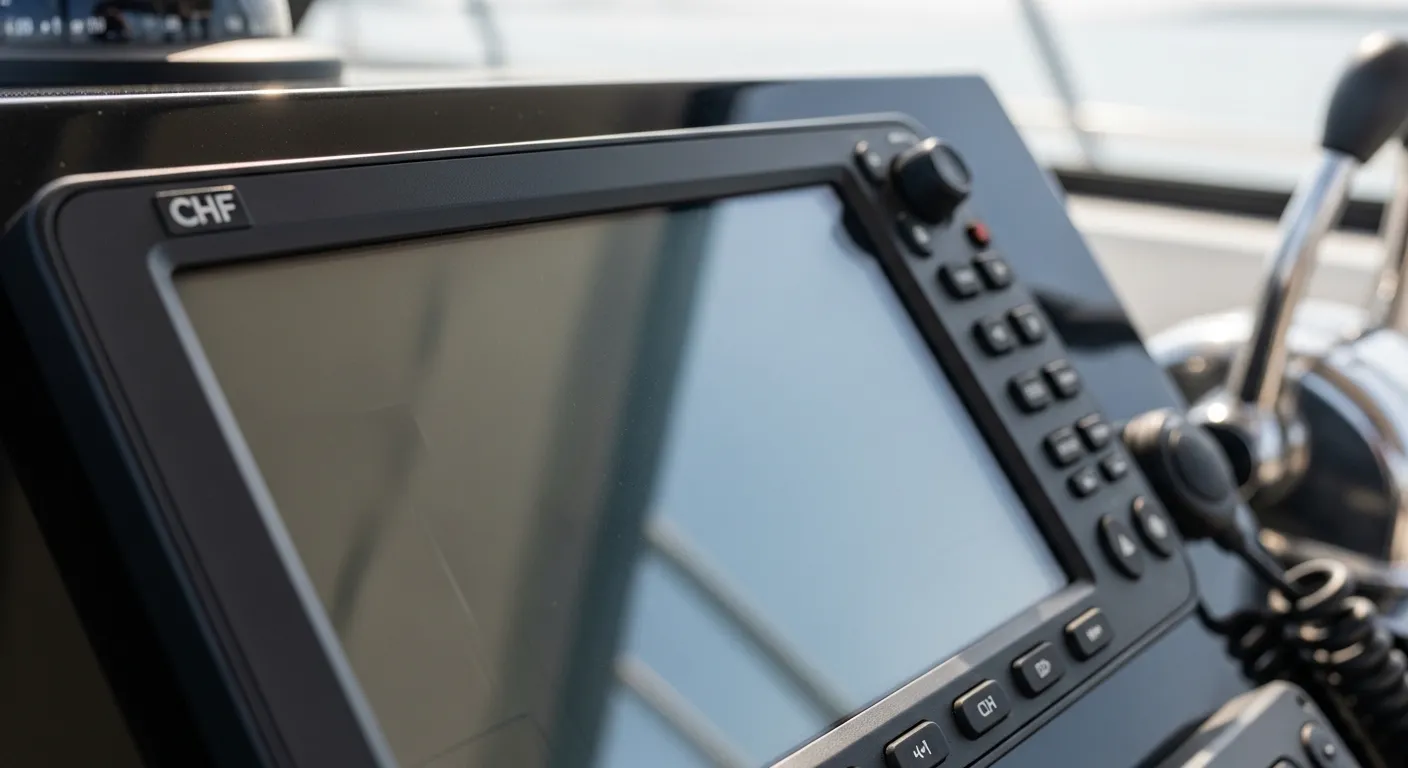
The VHF radio market is doing well in 2026 mostly because modern radios are easier to live with. Installation no longer feels like a weekend‑long puzzle, and connecting a radio to other onboard systems is much simpler than it used to be. GPS units and chartplotters now link directly with VHF radios, and that setup feels normal rather than advanced. Many systems talk to each other without extra hardware or messy wiring, which speeds up installs and lowers the chance of problems later. That really matters when something breaks and you need a fast fix, not hours spent tracking down cables.
AIS integration is one of the clearest highlights. In busy fishing areas or near crowded ports, seeing vessel data right on the VHF radio keeps the helm cleaner and more focused. Instead of bouncing between screens, crews get key details in one place. Fewer screens mean fewer distractions, which helps when traffic picks up or weather changes quickly.
Power management has also improved. Newer radios use less energy and work well with modern marine batteries. That’s a big plus for smaller boats or anglers who drift or troll all day, where battery limits count. When upgrading electronics, it helps to see how the radio fits into the full system and how everything performs over a full day on the water. Articles like Marine Electronics Revolution: Real-Time Vessel Tracking with VHF Radios explain these changes in clear, practical terms.
What Boat Owners Should Do Right Now
The VHF radio market is growing fast, and gear can start to feel old sooner than you expect. That’s a good reason to pause and take a close look at what’s already on your boat and what still works well. An honest check really matters. Is the radio DSC‑capable, and is it actually connected to GPS? Even more important, can you send a distress call right away without digging through menus or pausing while seconds tick by?
The antenna needs the same level of care. Many range and clarity problems come from this one part, even when the radio itself is in good shape. Height, cable condition, tuning, and placement all affect how well it works, and small issues often add up. These are common problems and easy to miss unless you know what to look for. The VHF Radios Antenna Placement and Tuning Guide is a reliable resource for spotting common mistakes and walking through fixes most boaters can handle themselves.
Thinking ahead also helps. Rules tend to get stricter over time, not looser. Upgrading to a modern VHF radio earlier can reduce stress later and prevent rushed decisions. Retailers like First Choice Marine are known for dependable marine gear and clear guidance, which helps boat owners make smart choices before problems force their hand.
Frequently Asked Questions
Why are VHF radios still important when we have smartphones?
VHF radios work independently of cellular networks, which often fail offshore. They provide direct communication with nearby vessels and rescue services, making them more reliable in emergencies.
Do recreational boats really need AIS-enabled VHF radios?
While not mandatory everywhere, AIS-enabled radios greatly improve situational awareness. They help you see nearby traffic and be seen, which reduces collision risk.
How long does a typical VHF radio last?
With proper care, a quality VHF radio can last many years. However, older models may lack modern safety features, so upgrades are often about capability, not failure.
Are handheld VHF radios good enough as a primary radio?
Handheld radios are useful backups, but fixed-mount units offer better range and reliability. Many boaters carry both for redundancy.
What should I upgrade first, the radio or the antenna?
If your antenna is old or poorly placed, upgrading it can dramatically improve performance. Ideally, evaluate both together for the best results.
The Bottom Line for Boaters in 2026
The VHF radio market boom is real, and you can see it on the water, not just in news stories. Boats run differently now, safety rules get closer attention, and trusted communication gear keeps getting regular funding from defense and marine groups. That mix matters. So everyday boaters are ending up with radios that do more, work better, and often cost less than older setups ever did.
Recreational and commercial boaters alike will feel the change. A quick check of onboard gear often shows features that are already helpful but not fully used. What’s worth upgrading, and what can wait? Making changes step by step usually makes more sense than rushing into a full swap.
A modern VHF radio earns its spot on board. When weather, traffic, or plans shift fast, clear and reliable communication makes those moments easier to handle.
