


Buying watersports gear can get confusing fast. One store pushes fun extras hard, and that can be pretty tempting. Another hands you a long checklist and makes it seem like every single item is a must. Then all at once, you’re staring at dozens of products and still asking what actually matters. For most boaters, anglers, paddlers, and weekend riders, it’s usually much simpler than it seems at first.
The best watersports gear starts with safety, comfort, reliability, and a setup that fits how the boat or watercraft is really being used. Begin with the basic essentials. That means gear that helps keep people afloat, makes them easier to see in the water, protects against wind, sun, and spray, and gets them ready for small problems before those become bigger ones. A bass angler will not need the same setup as a family towing tubes. A paddleboard owner probably won’t either, and that difference often gets overlooked.
This guide explains what is truly needed and what depends more on the activity. It also covers which upgrades are actually useful instead of just nice to have, along with smart storage, maintenance habits, and newer safety trends that matter in 2025 and beyond. So anyone looking for a practical watersports gear list that helps them spend wisely and stay safer on the water will find it here.
Start With the Gear That Saves Lives
If only a few items are making the cut at first, safety gear should usually come before everything else. It is not the flashy side of watersports gear, and it is probably not the fun part either. But when something actually goes wrong on the water, this is the gear that matters most. The latest boating safety data keeps pointing to the same thing: life jackets are not optional.
If you remember only one thing, make it this: life jackets save lives. The data is tragically clear.
Recent boating safety findings show that 76% of fatal boating victims drowned where cause of death was known, and 87% of recreational boating drowning victims were not wearing a life jacket. One more number helps show the bigger picture: 69% of boating deaths happened on boats where the operator had not received boating safety instruction. Those figures make the priorities pretty clear.
| Safety finding | Value | Why it matters |
|---|---|---|
| Drowning victims not wearing a life jacket | 87% | Wearing a PFD is the biggest safety step |
| Fatal victims who drowned | 76% | Most fatal events involve loss of flotation |
| Deaths with no safety instruction | 69% | Training reduces preventable mistakes |
| Deaths involving alcohol | 20% | Judgment and reaction time matter on the water |
What belongs in the true essentials group? A properly fitted Coast Guard-approved life jacket or PFD for every person onboard is the starting point, along with a sound signaling device like a whistle. A basic first-aid kit should be packed too, keeping it to the simple essentials. If there is any chance of being out near dusk or after sunset, bring a waterproof light. Powerboat operators should also add an engine cut-off lanyard. For anyone who needs a broader checklist for a boat, that is covered in this guide to Boating Safety Equipment: Comprehensive Guide to Maximizing Your Boat’s Safety.
The Core Watersports Gear Most People Actually Use
Once the safety basics are covered, it helps to focus on the gear people actually use on almost every trip. This is the everyday side of watersports gear, the stuff that gets used all the time and is often noticed right away when it is missing. It might not seem like the most exciting category, but it often makes the biggest difference for comfort and simple day-to-day ease.
Sun protection is usually one of the first things to figure out. Time on the water brings more glare and sun exposure than many people expect. A wide-brim hat or cap, polarized sunglasses with a retainer strap, sunscreen, and a lightweight long-sleeve shirt can make a long day a lot easier. Footwear matters too. Wet boat decks, launch ramps, shoreline rocks, and sandy put-ins often call for shoes or sandals with good grip and quick drainage, nothing fancy, just something practical.
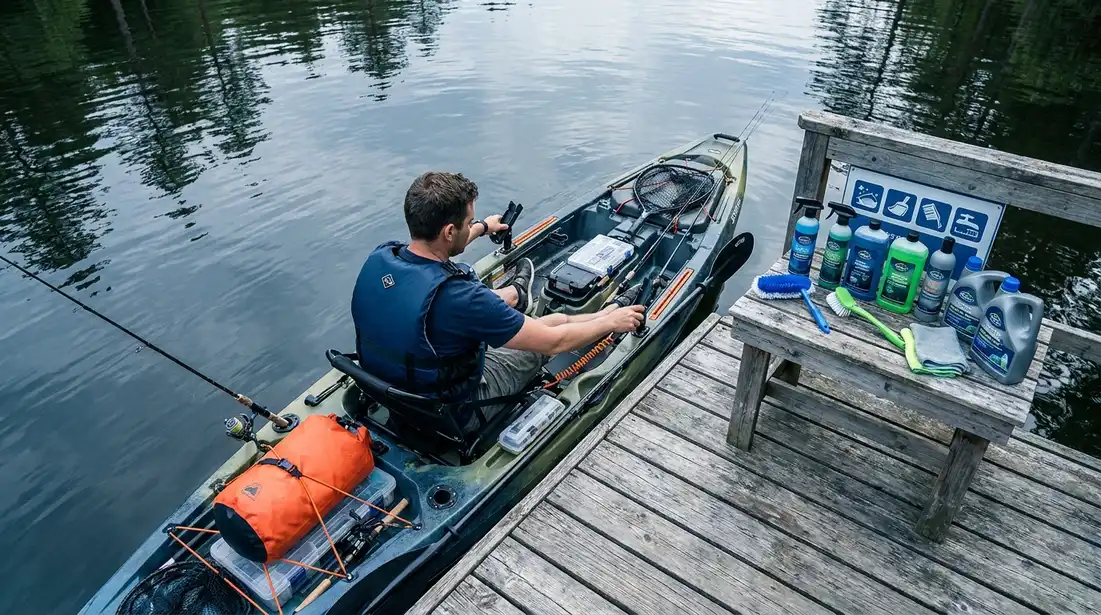
Waterproof storage comes up just as often. A dry bag is one of the most useful things to have around because it protects a phone, wallet, keys, extra clothes, and first-aid supplies. It is a small item, but a really important one. A smaller waterproof pouch can also be especially helpful for a phone when paddling, fishing from a kayak, or using personal watercraft, since it keeps the phone safe while still easy to reach.
Hydration deserves a spot in the usual setup too. A dedicated water bottle or insulated jug onboard helps because heat, wind, and sun can wear people down fast, even when they do not feel sweaty. For boat owners, simple organization helps a lot too. Small storage bins, tackle trays, and sealed compartments make it easier to keep gear from ending up under seats, mixed with other equipment, or soaked.
If the day includes fishing, navigation, or trolling, the setup may also need electronics and power support. That is where dependable batteries, clean connections, and accessories from a trusted supplier like First Choice Marine fit naturally into the plan.
Match Your Gear to the Activity
Not all watersports gear makes sense for every kind of trip. The best setup depends on what someone actually does on the water, but a lot of buyers spend too much by shopping for every possible scenario instead of their real routine. In most cases, it makes more sense to match gear to the kind of day that really happens out there.
For paddlesports, a light and practical setup often makes the most sense. On calm-water trips, a paddle leash or board leash, a compact dry bag, a paddle PFD that fits well, a whistle, and a waterproof phone case are usually enough. Nothing fancy, just the basics that usually cover what matters. That matters because paddlecraft users show up often in accident data. In fact, 26% of recreational boating fatalities involved kayaks, canoes, or stand-up paddleboards. So for paddling on a lake, a slow river, or a protected bay, that simple setup is often all that’s needed.
Watersports Gear for Fishing and Electronics
Tow sports like tubing or skiing need different gear. Gloves can make line handling easier, and impact vests may be worth adding depending on the activity. Cold water usually means bringing thermal layers or a wetsuit. And for whitewater or higher-impact runs, a helmet stops feeling optional and becomes essential. The choice really comes down to matching gear with the speed, the water temperature, and how aggressively someone usually rides.
For boat-based fishing, movement and access usually come first. A fishing PFD with pockets, pliers within easy reach, a dry place for a phone, and a deck layout that helps reduce tripping all make sense. If electronics are involved, they should be paired with the right battery setup, with wiring protected from moisture. Anyone planning an electronics upgrade can find more in this article on Latest Fish Finders of 2026: Top Picks for Anglers.
Real-world example: a weekend angler in a small aluminum boat will often get more value from a quality PFD, dry storage, bilge awareness, and solid battery care than from premium accessories. Many boaters ignore onboard water management until something goes wrong, which happens more often than it should. That’s why reading up on Understanding Bilge Pumps: Essential Gear for Every Boater in 2026 is worth the time.
Common Buying Mistakes That Waste Money
A lot of people buy watersports gear in the wrong order. They pick the fun extras first and put off the boring basics until later, and that happens a lot. Some also end up buying cheap gear twice, because the first version barely lasts one season before it starts falling apart.
One common mistake is choosing a life jacket that technically follows the rules but feels awful to wear. If it rides up on your chest, feels too bulky around the shoulders, or spends most of its time shoved in a locker, it is not doing much good. Boating safety experts often say the best PFD is the one a person will actually keep wearing, and that is usually true here. That is why fit and comfort matter more than many people think.
Another problem is ignoring conditions. Warm air does not always mean warm water, and that catches people by surprise. Early spring and late fall trips can get risky fast, especially if someone goes overboard. In those situations, cold-water protection often matters more than it seems at first. Extra dry clothes and a dry bag matter too, because they can really help when spray picks up or the weather changes without much warning.
Gear Maintenance and Safety Checks
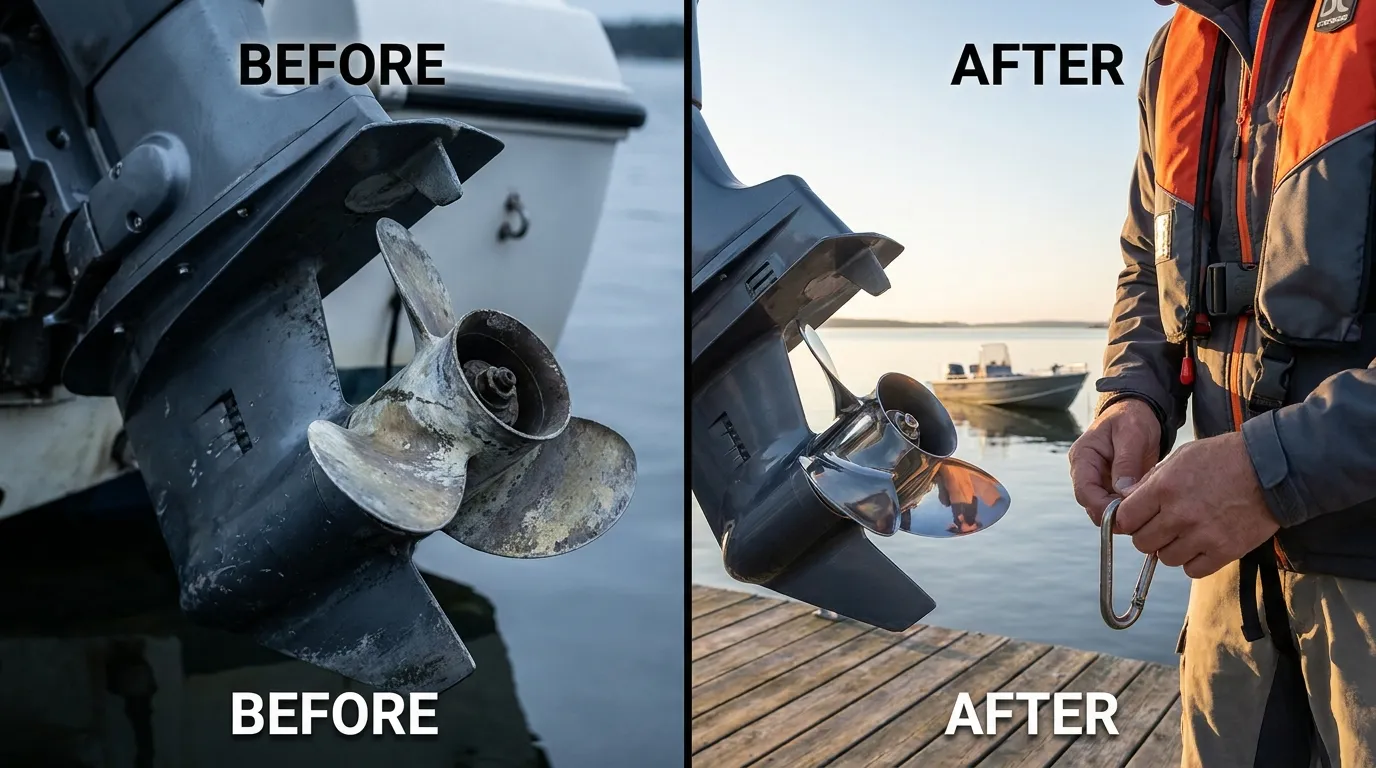
Some boaters also forget maintenance gear. A clogged bilge pump, weak battery, corroded connector, or cracked seal can ruin a day just as quickly as missing sports equipment. This usually matters even more for owners who spend a lot of time on fishing boats, center consoles, and workboats. A solid gear plan should include simple upkeep items like marine cleaners, sealants, spare fuses, and battery care products.
And while watersports participation is huge, buying based only on market trends is another easy mistake. North America had 47.3 million motorized boating participants and 23 million paddle sports enthusiasts in 2025. Still, a bigger market does not always fit what one person actually needs. The better approach is to build a setup around the boat, the people on board, and the water conditions where it is actually used.
Smart Upgrades Worth Considering
Once the basics are covered, a few upgrades can make the setup better without making it feel crowded. That’s usually the sweet spot for most people. One clear trend for 2025 and 2026 is better emergency communication gear. Personal locator beacons and newer distress signaling devices are getting smaller and easier to carry. They are not necessary for every short outing, but they can be very helpful on offshore trips, at remote fishing spots, or during solo paddling when shore is far away.
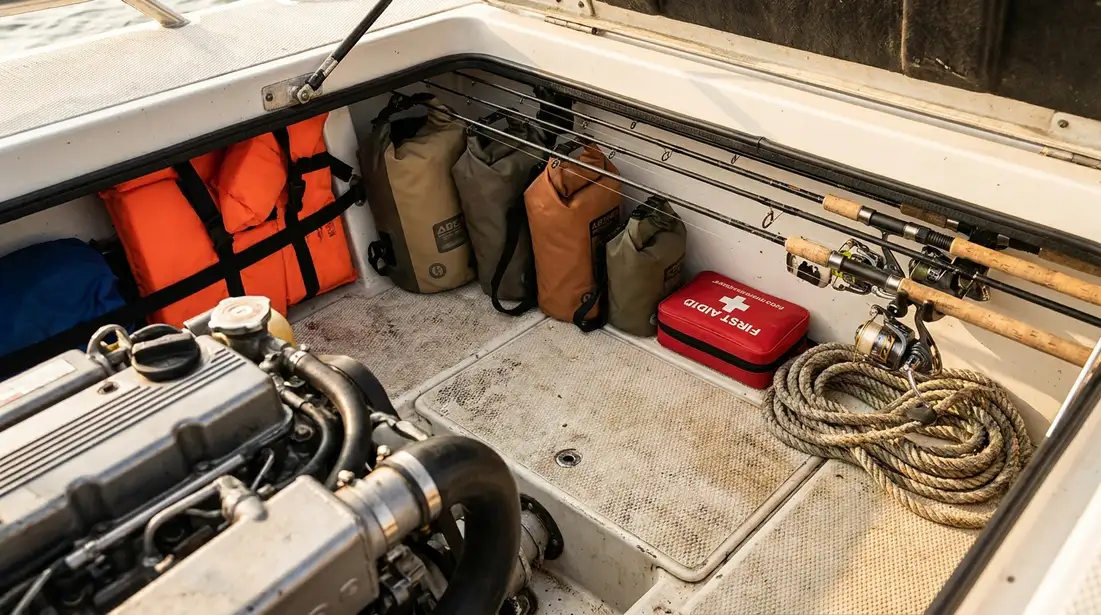
Better storage and deck organization are also worth checking out. Waterproof boxes, soft tackle storage, and mounted holders keep essentials close by, including tools, bait, and extra line. It’s simple gear, but it often makes a noticeable difference. On family boats, it can also mean fewer loose items sliding around, which makes the ride feel easier.
Lighter gear is getting more attention too. Market research shows kayaking equipment is expected to grow steadily, and paddle equipment is also projected to increase. That points to a pretty clear trend. People want gear that is easier to carry, simpler to store, and more comfortable to use.
How to Build a Simple Gear Kit That Works
An easy way to buy watersports gear is to break it into a few groups: must-have gear, activity-specific items, upgrade picks, and extras you may want later. It’s practical and easy to stick with, which honestly helps. It also keeps your spending focused and usually helps you avoid buying the same thing twice, which most people like.
The must-have kit should include PFDs, a whistle or horn, first-aid basics, sun protection, footwear, hydration, and dry storage. Activity-specific gear depends on whether you fish, tow, paddle, or cruise, so that might mean leashes, gloves, electronics, thermal wear, or engine safety tools. The upgrade kit could include a PLB, a premium paddle, better onboard organization, or extra waterproof lighting, especially for people who get out a lot.
Seasonal Watersports Gear Inspections
At the start of each season, and again during the busy months, it helps to check your gear. Test batteries, inspect straps and buckles, and make sure waterproof cases still seal. You’ll also want to replace expired first-aid items. If the boat is stored for winter, use the same approach for batteries, pumps, fluids, and onboard systems. Gear usually works best when it’s ready before launch day, not after something goes wrong. For a more detailed process, many boaters also review Proactive Boating Safety: A Comprehensive Gear Inspection Guide.
Frequently Asked Questions
What is the most important piece of watersports gear?
A properly fitted life jacket or PFD is the most important item for almost every water activity. Current safety data makes that clear, since most drowning victims in boating accidents were not wearing one.
What watersports gear do beginners usually forget?
Beginners often forget dry bags, sun protection, proper footwear, and a whistle. They may also miss small but important items like extra drinking water, a phone pouch, and a spare set of dry clothes.
Do I need different gear for boating and paddling?
Yes, usually. A powerboat trip may call for engine cut-off lanyards, onboard lighting, and more storage, while paddling often needs lighter gear like leashes, compact dry bags, and paddle-specific PFDs.
How often should I replace watersports gear?
Replace gear when it shows wear, damage, poor fit, or loss of function. Life jackets with torn fabric or broken buckles, cracked waterproof cases, and weak straps should be replaced right away.
Where can boat owners find watersports gear and related marine essentials in one place?
Many boat owners prefer suppliers that also cover maintenance and onboard systems, not just recreational accessories. That is one reason shoppers may look at First Choice Marine when they need gear alongside parts for batteries, trolling motors, engine care, and other boat essentials.
What else should I check besides personal gear before a day on the water?
Check the boat too. Bilge pumps, battery charge, fuel condition, lights, and basic safety items all matter. For owners who want to combine gear prep with maintenance planning, First Choice Marine is also relevant because many trips are ruined by system problems, not just missing personal equipment.
The Bottom Line on What You Really Need
The best watersports gear usually isn’t the biggest pile of stuff. It’s the right mix of basics for the kind of day someone is actually having on the water, and that’s what matters most. Start with the gear that protects life first: a wearable PFD, signaling tools, first-aid basics, and dependable dry storage for things like phones, keys, and extra layers. Those are the core items. From there, add what fits the activity, whether that means paddling, fishing, tow sports, or just easy family boating without anything too complicated.
Comfort and reliability come next. Good sun gear, solid footwear, hydration, and smart storage get used on almost every trip, so it makes sense to get those right. Those everyday items often make more of a difference than people expect. On the other hand, upgrades like locator beacons and premium accessories can usually wait until the basics are covered.
Want one simple action plan? Make a checklist for the next outing with four sections: must-haves, activity-specific items, things already owned, and nice-to-have upgrades. Then inspect current gear before buying anything new. That can save money, cut clutter, and make a day on the water safer and smoother.
