


A trolling motor can change how a boat gets used, especially for fishing. Moving slow and steady while staying quiet often makes a real difference in shallow coves, where noise can push fish away fast. Control improves as well. In narrow channels or around docks, that extra precision often matters more than speed. Like most key gear on a boat, trolling motors work best when they’re installed the right way and cared for over time. Many boat owners skip small setup steps or forget basic upkeep, it happens more often than people think, and that’s usually when issues start to appear.
The goal of this guide is to help avoid that kind of stress. Instead of guessing, it explains how trolling motors work and walks through setup and care in a clear, hands-on way. Most tasks don’t need fancy tools or special skills. Common problems, such as wiring errors or a mount that’s slightly out of line, are covered along with simple fixes many people can do on their own. Whether someone fishes on weekends or runs a work boat during the week, these tips are meant to fit real boats and real schedules.
The guide covers choosing the right mounting style, wiring the system safely, and knowing what to watch as seasons change, like battery drain in colder months. It also looks at newer options like GPS anchoring and brushless motors, while tying everything back to maintenance habits that usually save time and money. That often leads to fewer headaches and more smooth, quiet passes along a dock or through a tight cove.
Understanding Trolling Motor Types and Why Installation Matters
Knowing which type of trolling motor you have usually makes the rest much easier. Most people quickly notice bow mount and transom mount setups, while engine mount motors tend to show up as secondary or backup options (they’re honestly easy to recognize). That first glance often gives a helpful idea of how the boat is meant to handle on the water.
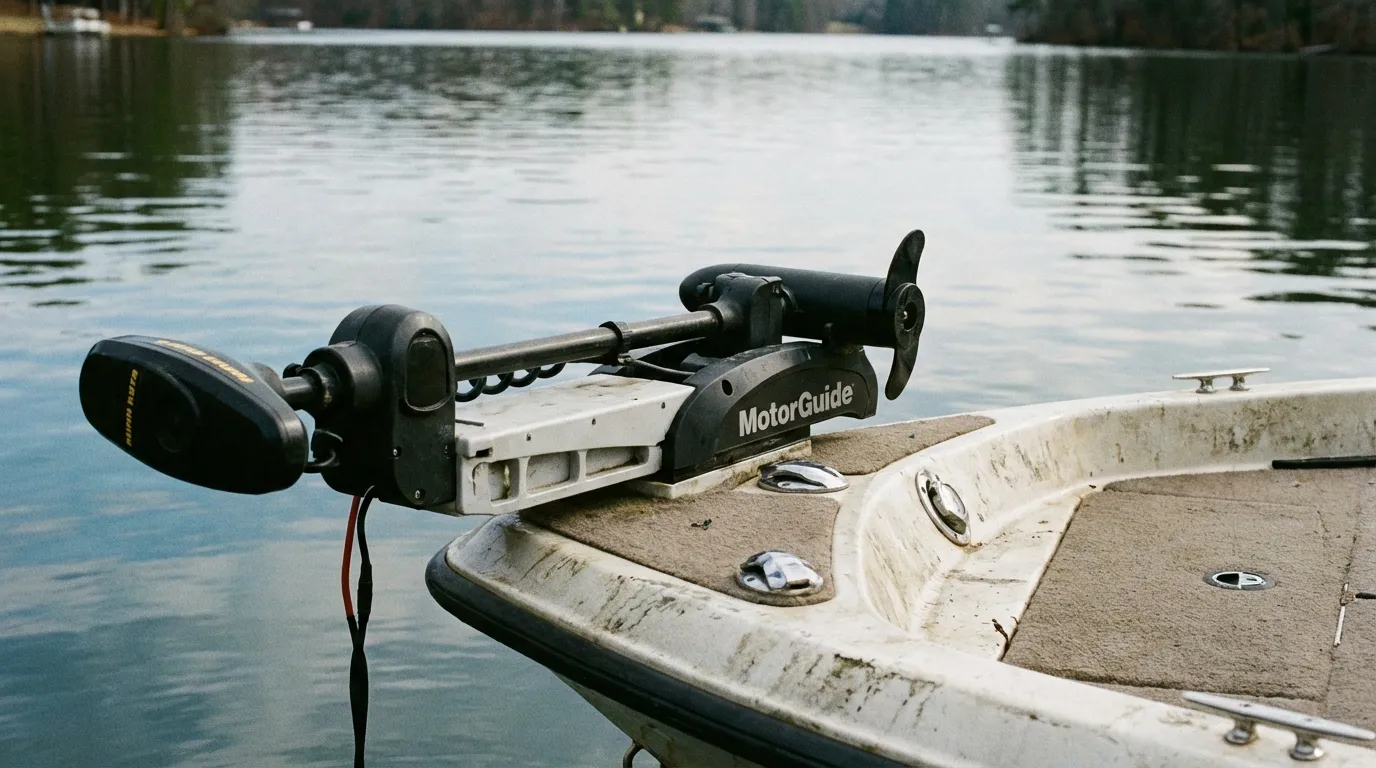
Bow mount motors are common on fishing boats for good reason. Since they sit at the front, they give better control, which really helps when using GPS features to hold position or follow a path. I’ve seen how front control helps when lining up casts or staying right on a spot. Transom mounts are more common on smaller boats and are usually easier to install and remove, which is handy if the boat is trailered often. Engine mounts are less common and usually stay in the background until they’re needed.
It’s not surprising that bow mount motors now make up most of the market. Anglers like the precise steering and steady control when wind or current starts pushing the boat, and that shows in everyday use.
| Metric | Value | Year |
|---|---|---|
| Global trolling motor market size | USD 1.25 billion | 2024 |
| Bow mount market share | 64.8% | 2024 |
| Market growth rate | 2.9% CAGR | 2025, 2034 |
Installation matters more than many people expect. If alignment is off, steering issues show up quickly. Loose bolts or sloppy wiring can cause vibration, weaker thrust, and batteries draining faster than they should. A lot of performance issues likely come from rushed installs that weren’t checked closely, which is why bow setups are explained in more detail in this guide on bow mount trolling motor installation and maintenance.
Step-by-Step Trolling Motor Installation Basics
Installing a trolling motor is something many boat owners can usually handle with basic tools, patience, and a little trial and error. What often helps is slowing the process down and treating it as a set of small steps instead of one big job. There’s rarely a need to rush, and taking your time usually leads to fewer mistakes. Before you start, make sure the motor fits the boat’s size and weight. The thrust rating matters most because it affects how well the boat handles wind and current. Motors that are too small tend to work harder than they should, which can lead to faster wear.
The mounting location is where planning really pays off. For bow-mounted motors, the shaft needs enough room to deploy smoothly without hitting the rub rail, especially near the front edge of the deck. Measuring twice and marking holes carefully makes drilling much less stressful. After drilling, seal every hole with marine-grade sealant so water can’t seep into the deck or core over time. This small step often prevents bigger problems later.
Wiring is where installs often run into issues. Higher-thrust motors usually need 24V or 36V battery setups, and using the wire size recommended by the manufacturer matters a lot. Thinner wire can cause voltage drop and weaker performance, even if it seems fine at first. A circuit breaker mounted close to the battery adds protection if something goes wrong.
Once everything is installed, testing on land is a smart final step. Check steering, deploy the motor, spin the prop by hand, and make sure cables don’t rub or bind. And if you’re still deciding, there’s an overview on selecting the right trolling motor that can help clear things up.
Routine Maintenance That Extends Trolling Motor Life
Good maintenance habits usually keep trolling motors running for years, often longer than most people expect. Many of these checks take just a few minutes and can help you avoid repairs no one wants to pay for later. A good place to start is the prop. Fishing line and weeds often wrap around the shaft, and over time that buildup can damage seals. Pro angler Aaron Lesieur often mentions how fast this check is, and here that speed really helps. It’s quick, simple, and easy to do right at the dock.
It only takes a second.
So how often should you check the prop? After every trip is best, or at least most trips. Remove debris first, then look for small cracks or dings. Wiring and battery terminals matter just as much. Loose or corroded connections can cause power loss, making the motor work harder than needed. A quick cleaning and a snug fit usually help more than people expect.
Seasonal care follows the same pattern. Lubricate moving parts a few times a year and check mounting bolts. Before storage, disconnect power and store batteries the right way. The Minn Kota engineering team often sees fewer electrical problems when motors get this regular care. Over time, it adds up.
| Task | Frequency | Benefit |
|---|---|---|
| Prop inspection | After every outing | Prevents seal damage |
| Battery terminal check | Every 1, 2 outings | Avoids voltage loss |
| Full inspection | 2, 4 times per year | Extends motor life |

Troubleshooting Common Trolling Motor Problems
Problems can still appear even with good care, often at the worst possible time. What usually helps is knowing where to check first when something feels wrong. Power issues are the most common starting point. If the motor won’t start, the basics matter more than most people think, check the fuse or breaker, then look over the wiring for loose connections or corrosion. Many issues come from simple power loss that’s easy to overlook, especially when you’re rushing.
Reduced thrust is often linked to the battery. A battery may look fine while sitting still but struggle once it’s under load. This happens a lot with older batteries, and the drop only shows up when you actually need power. Loud noise or vibration points to a different problem. That usually means prop damage, and replacing or rebalancing the prop can stop extra wear from spreading.
GPS-equipped motors add useful features but also need more setup. If Spot-Lock drifts, recalibrating the compass and updating the software often helps. These systems usually work well when everything is set correctly.
The Garmin Force is the most powerful trolling motor.
Repair costs depend on the problem. Small fixes are usually affordable, while bigger repairs take longer and cost more.
| Repair Type | Typical Cost | Notes |
|---|---|---|
| Minor wiring or fuse repair | $50, $150 | Often DIY |
| Major motor repair | $200, $600 | May require service |
| Premium motor replacement | $2,500+ | High-end systems |
Advanced Features and Future Trends in Trolling Motors
Modern trolling motors feel smarter and smoother these days, and most people notice it fast once they’re on the water. Brushless motors run quieter and often last longer because there’s less internal wear, which usually means fewer repairs over time. Wireless foot pedals and handheld remotes also make long days easier, especially when you’re standing at the bow or adjusting your position often. Your legs and hands can really feel the difference. Each upgrade may seem small on its own, but together they usually make boating more comfortable.
Electric motors also support cleaner boating in many situations. They cut down on engine noise and emissions instead of sending fumes into the air or water. Solar charging setups and hybrid systems are getting more attention for longer trips because they can extend range and lower fuel use, which feels like a fair trade-off. You can explore more about sustainability and efficiency in this guide to integrating solar power with trolling motors.
If sustainability matters to you, learning the basics of electric trolling motors and eco-friendly fishing is usually time well spent.
Tools, Parts, and Smart Buying Tips
Cheap props and wiring can cost more over time, especially on the water, so quality often matters more than it seems. Parts made for marine use usually handle vibration, moisture, and corrosion better than automotive options. When something feels off, a simple voltmeter often speeds up battery and wiring checks. Dielectric grease is basic but does a good job protecting connections and slowing corrosion.
Maintenance is easier with the right basics on board. Spare fuses, a prop wrench, and a small hand tool set cover most quick fixes. Why guess on fit and compatibility? Buying from a trusted marine retailer cuts down returns and saves time. First Choice Marine focuses on reliable trolling motors, batteries, and matching maintenance supplies for real boating needs.
Common Questions Asked Often
How long does a trolling motor usually last?
With solid boat maintenance, many trolling motors last 5 to 10 years, especially when kept clean and paired with correct wiring and battery care (it’s helpful), which often makes a real difference.
Can I install a trolling motor myself?
Yes, many boat owners install their own motors. It works if you follow the manufacturer steps, do the wiring right, and take your time to avoid mistakes.
After each outing, you’ll usually do quick, basic checks. How often should inspections happen? Planning a few each year, I think, often pays off.
Why does my trolling motor lose power so fast?
I usually see this come from a battery or wiring that’s too small, honestly. When it’s under load, it shows fast, so why not check the cable size?
Are GPS trolling motors worth the cost?
Often, GPS anchor hold and control save time and reduce fatigue, which matters in wind or current. So yes, for anglers, it’s probably worth it.
Put These Tips to Work on the Water
Out on the water, a trolling motor often does more than people expect. It’s not just an add-on, it becomes the main tool for control, safety, and overall enjoyment, especially when moving through tight areas or holding position. When the install is done well, steering and speed feel steady and easy to manage. Boat positioning works the way you want, which makes a real difference during actual use.
Most problems don’t appear all at once. Regular maintenance and simple troubleshooting can catch small issues early and save time and money later. Following the steps in this guide can help extend motor life and improve performance. Starting with small checks goes a long way. Early warning signs are usually easy to spot, and using quality parts when replacements are needed helps the whole setup, not just the motor.
Thinking about an upgrade or a fix? You can find reliable marine gear and helpful resources from First Choice Marine when you need parts for a specific repair. Additionally, explore the Complete 2025 Guide for Trolling Motors for deeper insights and comparisons.
