


With the 2026 fishing season getting closer, fishing boats are changing fast. New hull designs, smarter electronics, cleaner power systems, and sustainable materials are no longer just expensive extras. They’re becoming real reasons to buy. That makes sense right now, since recreational anglers and commercial operators want more range, lower fuel use, easier maintenance, and better safety on board. Builders are responding with lighter construction, connected systems, and layouts that often use limited space better in the cockpit, storage areas, and across the deck. It’s a clear shift.
Recent market coverage makes that easy to see. Buyer guides point to better fuel efficiency, advanced electronics, comfort upgrades, and deck plans that fit more types of fishing across a wide range of new models. Some builders are also using resin-infusion and composite construction, which often helps create hulls that are lighter and stronger. For boat owners, though, this goes beyond buying new. It also affects how they upgrade trolling motors, batteries, bilge pumps, wiring, lighting, and engine-care systems on the boat they already own. So the 2026 trends are changing what a modern fishing boat is expected to deliver on the water.
Smarter fishing boats are becoming the new normal
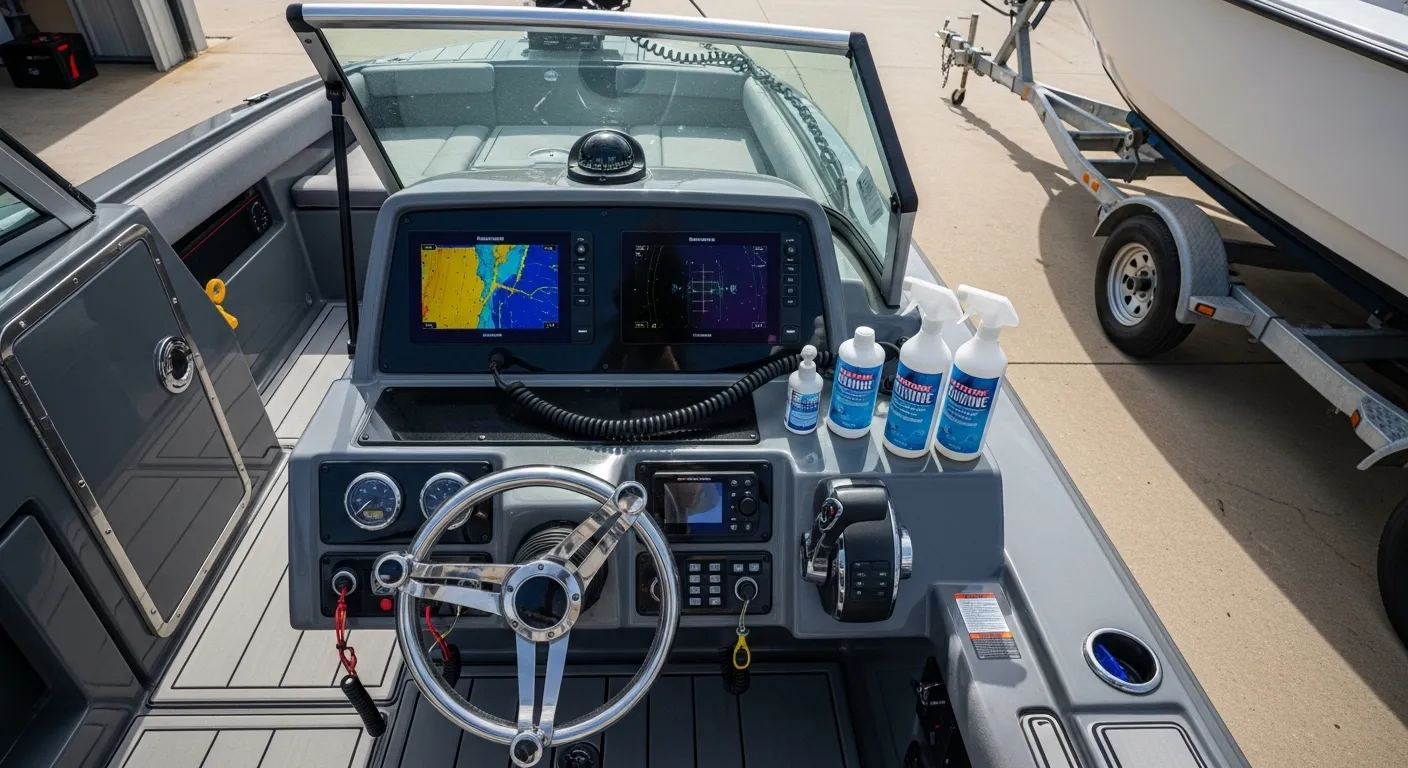
One of the biggest 2026 trends is the move toward connected boating. Today’s fishing boats are often built around electronics from the start instead of adding them later, and that usually makes a real difference. The result is a cleaner helm layout, more console room for larger fish finders, better network integration, and easier pairing between GPS, sonar, trolling motors, and power systems. For anglers, the benefit is pretty simple: when conditions change, decisions can be made faster with less guesswork.
Coverage from Sport Fishing and other recent buyer guides shows that advanced electronics are still a major selling point in new boat launches. In practice, that often means larger multifunction displays, digital switching, better transducer options, and more charging support for accessories that use a lot of power. Pretty useful overall. By 2026, a center console or bay boat is generally expected to support connected gear from bow to stern.
<DataTable
headers={[“Innovation Area”, “What’s New for 2026”, “Why It Matters”]}
rows={[[“Helm electronics”,“Larger displays and cleaner integration”,“Better navigation and fish tracking”],[“Power systems”,“Stronger battery support and digital switching”,“More reliable electronics uptime”],[“Trolling motor setup”,“Better networking with sonar and GPS”,“Improved boat control while fishing”],[“Lighting and safety”,“More efficient LED and system monitoring”,“Better visibility with less drain”]]}
caption=“Key 2026 fishing boat innovation areas”
/>
That growing electronics load also brings up a maintenance issue. More tech means more attention to wiring, charging, corrosion prevention, and battery health. It may not be the most exciting part of boat ownership, but it still matters, especially as systems become more connected. Owners who want to keep up with this electronics trend should also pay attention to rigging basics. That simple foundation still matters in real use. We covered where this seems to be heading here: Fishing Boats 2026: Smart Connectivity & Advanced Tech.
Lighter hulls and sustainable materials are reshaping design
Another big story in fishing boats is construction. Builders are watching weight, strength, and long-term durability closely, for obvious reasons. Recent coverage pointed to resin-infusion methods and composite construction as standout parts of newer models. One 2025 buyer guide noted that advanced resin-infusion techniques can create hulls that are lighter and stronger, which can help with performance and fuel efficiency. That matters even more in 2026, since fuel costs, range expectations, and environmental concerns still shape what buyers want.
Sustainable materials fit into this same shift. But that usually does not mean a fully green boat, and that is probably not what most buyers expect. In many cases, it means using composites more efficiently, cutting manufacturing waste, improving resins, and making design choices that reduce total operating impact over time. A lighter hull needs less power to move, which often means lower fuel use or better battery range. That is a real benefit for offshore anglers, and it can help inshore owners too, especially those who trailer their boats often.
For DIY owners, lighter construction also changes how repair and maintenance should be handled. Composite structures can work extremely well, but they need the right adhesives, sealants, and repair materials, and that is not really something that can be improvised. The wrong fasteners, bad patch jobs, or stress cracks that get ignored can shorten the life of a hull. Even small mistakes can have a big effect in this kind of setup. So 2026 innovation is not just about what builders are doing in the factory. It also includes how owners care for these newer boats after they buy them. We covered that here: Sustainable Fishing: The Best Eco-Friendly Boats for 2026.
Layouts now have to work harder for more types of anglers
The newest fishing boats are getting smarter, lighter, and a lot more flexible. Recent buyer guides show that center consoles still make up a big share of the saltwater market. At the same time, fish-and-ski models, utility skiffs, bay boats, and catamarans are getting more attention because many buyers want one boat that can handle different kinds of use (which makes sense). Families want comfort. Serious anglers want fishability. Commercial users need efficiency and easy washdown. Builders are trying to bring all of that into one package, and that is probably why layout matters more now.
That helps explain why many 2026 models come with convertible seating, better-placed storage, easier livewell access, and stern and bow setups that are just more useful. A boat that can go from a casting platform to a family cruiser in minutes usually has a real advantage. Commercial operators benefit too. Open deck plans make it easier to move around, manage gear, and cut cleaning time after a long day on the water. Simple stuff, really (but still important). And in day-to-day use, it often makes a clear difference.
One common mistake buyers make is focusing only on horsepower and top speed. It usually makes more sense to think about how the boat actually gets used. How often are shallow flats part of the plan? Do you trailer every weekend? Are multiple displays and a trolling motor running all day? Is there a need for space for cast nets, dive gear, coolers, or kids? In most cases, the right layout saves a lot of frustration later. It is simply a better fit for the way the boat will be used. Less regret.
This is also where motor choice becomes part of the design story. A lighter, more versatile hull can feel very different depending on whether it is paired with outboard, electric, or hybrid power. So propulsion choices are covered here: Best Boat Motors for Fishing Boats in 2026: Outboard, Electric, and Hybrid Options for Different Water Conditions.
Better efficiency is driving cost savings and longer range
Fuel efficiency keeps coming up in recent boat coverage because it affects almost everything: trip planning, running costs, speed, range, and even resale appeal, which usually is not the first thing buyers think about. New hull designs are part of that. Lighter materials, better weight distribution, improved engine matching, and cleaner rigging help too. In 2026, buyers are paying more attention to total ownership cost instead of focusing only on the sticker price, and that feels like a practical shift.
For recreational anglers, better efficiency often means more time fishing and less trouble at the fuel dock. For commercial users, even a small improvement can add up over a long season. Comfort upgrades matter too. Better seating, less vibration, and quieter systems can make long runs feel much less tiring, especially on early starts. It may sound minor, but on real fishing days it usually is not, particularly when conditions get rough, the hours on the water start catching up with you, and there is still a long run back ahead.
Owners of older boats can still use lessons from these 2026 trends. Keeping propellers in good shape, using quality lubricants, maintaining fuel systems, checking bilge pumps, and updating battery setups can improve real-world efficiency without the cost of a new hull. In most cases, that is where trusted parts and maintenance support matter. Resources from First Choice Marine fit naturally into that upgrade path for owners looking for reliable gear, practical solutions, and parts that help with everyday upkeep.
Rigging, power, and maintenance matter more as boats get more advanced
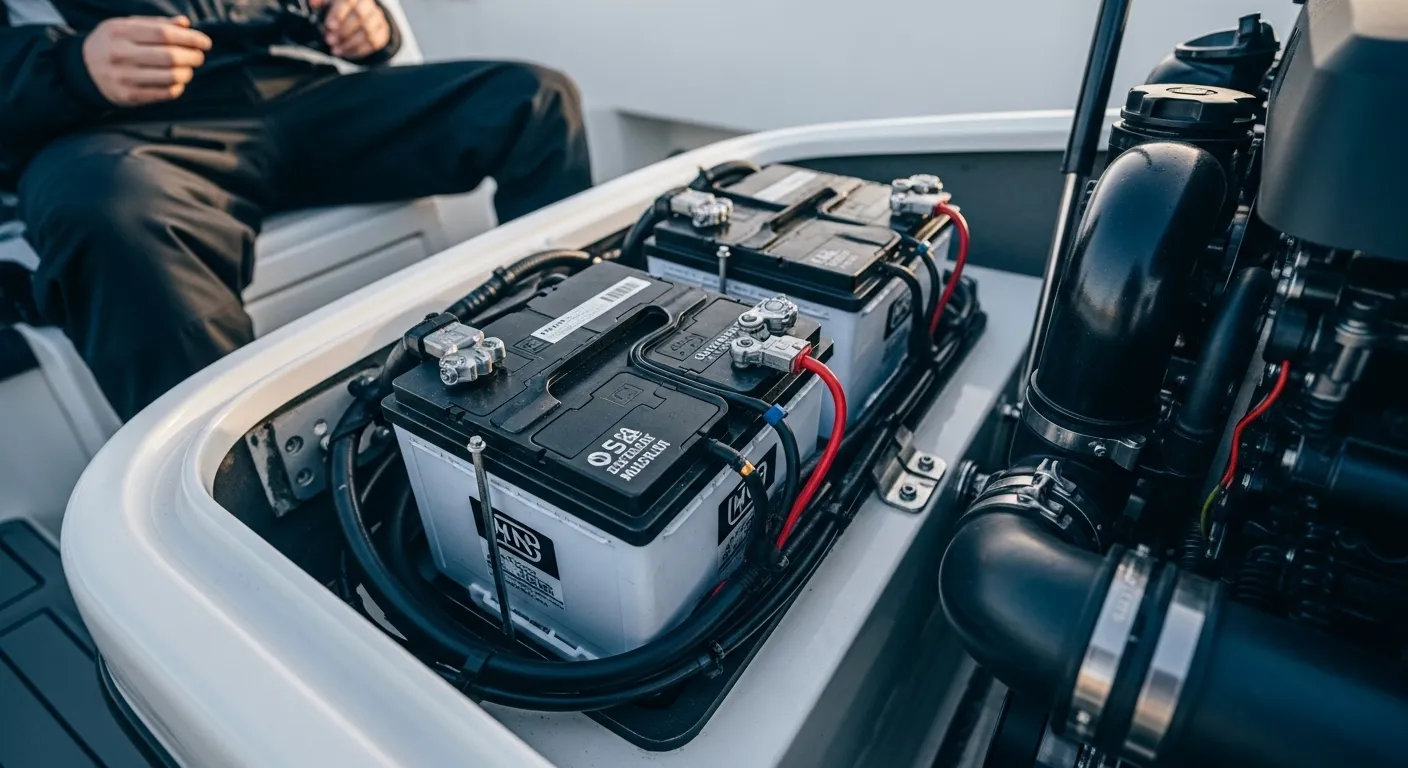
A modern fishing boat is only as good as the systems behind it. As electronics, pumps, lights, and motors get more advanced, the basics of rigging usually matter even more. A clean battery setup, proper marine wiring, sealed connections, and enough charging capacity are no longer optional on many new builds. They’re what reliable everyday use depends on. Simple things, really, but they’re easy to overlook.
For 2026, owners should pay close attention to battery planning, corrosion control, service access, and the overall layout. A boat with multiple displays, live sonar, LED lighting, pumps, and an electric trolling motor needs a power budget that reflects real use, not just what the spec sheet says. New materials can help reduce some problems, but salt, moisture, and poor installs still often lead to failures. Even a great-looking layout loses value fast if pumps, filters, and wiring are tucked under panels or packed into tight compartments where they’re hard to reach. That gets annoying fast.
This matters even more for DIY marine maintenance enthusiasts. Before adding new accessories, it helps to check charging capacity, fuse protection, sealant quality, and wire condition. In most cases, system failures start with small shortcuts. The latest boats may look futuristic, but dependable ownership still usually comes down to regular inspections and the right marine parts. That part really hasn’t changed. For further insights, see 2026’s Smartest Boating Trends: Rigging Your Boat for the Future.
Frequently Asked Questions
What are the biggest 2026 trends in fishing boats?
The biggest trends are smart electronics, lighter hull construction, better fuel efficiency, and growing use of sustainable materials. Buyers also want more flexible layouts that can handle both fishing and family use.
Are sustainable materials making fishing boats better?
In many cases, yes. Sustainable materials and lower-waste construction methods can reduce weight and improve efficiency. The main benefit for owners is often better performance, easier towing, and lower operating cost over time.
Do I need a new boat to benefit from 2026 innovations?
No. Many 2026 trends can be added to older boats through upgrades like fish finders, trolling motors, LED lighting, battery systems, and improved wiring. Good maintenance can also help older boats perform closer to newer standards.
Why is resin-infusion construction getting more attention?
Resin-infusion can help create hulls that are lighter and stronger with more consistent material use. That can improve speed, fuel economy, and long-term durability when the boat is designed and built well.
What should I upgrade first on an older fishing boat?
Start with the systems that affect safety and reliability: batteries, bilge pumps, wiring, lights, and fuel system components. After that, focus on electronics and motor support based on how you fish most often.
Where fishing boats are headed next
Fishing boats in 2026 are getting smarter, more efficient, and more thoughtful in how they’re built. Advanced electronics are changing how anglers find fish and run their boats, and that feels like a real shift in day-to-day use. Sustainable materials, along with resin-infusion methods, are also pushing hull design ahead in clear ways, often making boats lighter and more consistent. Flexible layouts help too, especially for people who want a boat that can handle family time, serious fishing, or both. And through all of this, strong rigging and regular maintenance still usually make the biggest difference once a boat leaves the showroom.
For buyers, this is a good time to look past appearance and horsepower. It often helps to ask how the boat is built, how the systems are powered, and how easy everything will be to maintain over the next few seasons, because those details usually come up sooner than expected. For current owners, the same trends can help guide upgrade decisions. Better batteries, cleaner wiring, smarter lighting, improved pumps, and reliable engine-care products can make older boats feel much closer to modern performance. That can be a real change.
The best fishing boats are no longer just about getting on plane and reaching the fishing spot. They’re also about efficiency, control, comfort, and durability from the first launch to the last trip of the season, which is often what people notice first in real use. And these newer changes are not only about the future. They matter right now when choosing a boat, planning upgrades, or keeping a current one running well.
