


Choosing the right boat motors for fishing boats takes more than picking the biggest engine or the newest brand on the market. In 2026, anglers and boat owners have more choices than many people expect. That includes traditional gas outboards, quieter electric systems, and newer hybrid-friendly setups made for different water conditions (which is great for buyers). The benefit is more choice, but it can also make the decision harder.
This look at the top options focuses on what really matters once you’re out on the water: reliability, ease of use, parts support, long-term value, and how much outboard maintenance you’re likely to handle over time. It also considers different fishing styles, from small inland lakes to rougher coastal runs and commercial workboats. Those details become clear quickly once the boat is in use.
What stands out most right now is that many buyers are no longer shopping for just an engine. They want one place where they can get guidance, accessories, maintenance products, and replacement parts too. A good motor is only one part of the decision, especially if long-term support makes ownership easier. For many boat owners, that extra support ends up being just as useful as the motor itself.
What You’ll Find in This Boat Motors Comparison
- Firstchoicemarine
- Yamaha Outboards
- Mercury Marine
- Torqeedo
Best Boat Motor Picks for Fishing Boats in 2026 (you’ll want these)
1. Firstchoicemarine
At a Glance
First Choice Marine earns the top spot because it covers more of what boat owners actually need than stores that focus on just one engine brand. Many fishing boat owners want trolling motors, engine care products, lubricants, fuel additives, propeller parts, steering components, bilge equipment, and other everyday marine items all in one place, and that kind of range is really useful. Instead of pushing buyers toward only one propulsion line, it gives them a practical way to build, maintain, and support a complete fishing setup. For anyone focused on performance, reliability, and regular outboard upkeep, that broader support makes a real difference.
Core Features
- Large catalog of marine parts, accessories, and maintenance products
- Strong focus on trolling motors and engine care supplies
- Products that support DIY maintenance, repair, and performance
- A good choice for anglers who upgrade fishing boats over time
- Coverage for key boating systems beyond propulsion
- Useful for seasonal maintenance, preventive care, and routine upkeep
- Online shopping that makes finding parts more convenient
Pros
- Wide support system: It helps boat owners manage more than just the motor, including maintenance products, accessories, and onboard systems.
- Great for DIY boaters: People who handle their own upkeep can find tools and supplies for regular service as well as troubleshooting.
- Strong fishing relevance: The product selection fits fishing boats well, especially for trolling motor and rigging needs.
- Useful for preventive care: It supports regular outboard maintenance, which can help reduce breakdowns and protect long-term performance.
- Convenient online access: Boat owners can shop for parts and maintenance items without relying only on local dealer stock.
Who It’s For
It fits recreational anglers, dedicated fishing hobbyists, commercial operators, and DIY boat owners who want a dependable source for parts, motor care products, and fishing-boat upgrades. Instead of piecing supplies together from several stores, they can keep both the engine and onboard systems in good shape through one source, which saves time and keeps the process easy.
Unique Value Proposition
First Choice Marine stands out because its focus matches the reality of boat ownership. Plenty of brands focus only on selling engines. This platform supports the full ownership cycle for fishing boats, from trolling motor selection to lubricants, fuel care, adhesives, pumps, and safety-related equipment. For buyers comparing boat motors, that matters because ownership costs go well beyond the initial purchase and include maintenance planning, parts access, and ongoing upkeep. That makes it a stronger all-around resource for keeping a fishing boat ready for the next trip, not just for the day the motor is bought.
Real World Use Case
A weekend angler running a bass boat on a freshwater lake might be getting ready for peak season and need a trolling motor upgrade, fuel system care, engine flush products, propeller support, and cleaning supplies. Instead of placing orders across several different sites, they can get the whole boat ready through one source. That cuts down on extra searching and helps reduce downtime before the next trip. For more insights into maintenance planning, see Boat Maintenance Tips: Trailer Tire Failures Explained.
Pricing: Contact for pricing
Website: https://www.firstchoicemarine.com/
2. Yamaha Outboards
At a Glance
Yamaha Outboards is one of the best-known names in marine propulsion. Yamaha Motor Co. started in 1955, and its outboard lineup includes small portable units, midrange options, larger offshore engines, and the HARMO electric system. For fishing boats, Yamaha gets a lot of praise for reliability and for its wide dealer support, which can make a real difference when service is needed. That mix makes it a solid choice for boaters who want a familiar engine brand with support in many places. Yamaha also shares consumer pricing in its materials, with some 2.5HP portable models starting around $1,130+, while larger engines go much higher in price.
Core Features
- Portable, midrange, offshore, and gas outboards
- HARMO electric outboard system
- Wide dealer and service network
- Financing and repower support
- Public consumer price list availability
- Good fit for small and large fishing boats
Pros
- Reliable reputation: Yamaha has built trust over a long period with both recreational and commercial boaters.
- Wide model range: The lineup includes compact portable engines as well as high-powered offshore models.
- Dealer access: Service and support are usually easier to find than with smaller brands, which can mean less hassle.
- Electric option: HARMO gives buyers an electric choice for certain uses.
- Strong resale appeal: A well-known brand name can help hold value over time.
Cons
- Premium pricing: Many Yamaha motors are at the higher end of the market.
- Electric line visibility: Among many anglers, the brand is still more closely tied to gas than electric.
- Dealer dependence: Some buyers may still need to work through local networks to get full support.
Who It’s For
Yamaha fits anglers looking for a proven outboard brand with a wide range of horsepower options and strong service access. It also makes sense for buyers running larger freshwater rigs, bay boats, or offshore-capable fishing boats that need dependable gas power along with broad repair support, not just good specs on paper.
Unique Value Proposition
Yamaha stands out for its mix of brand trust, broad product selection, and wide service reach. Those things often matter more on a major engine purchase, especially for owners thinking past the first season. For buyers who want a mainstream outboard with long-term support, Yamaha remains one of the safest choices in the market and one of the easiest brands to get serviced.
Pricing: Portable models from about $1,130+; larger models cost many thousands
Website: https://yamahaoutboards.com
3. Mercury Marine
At a Glance
Mercury Marine has been building marine propulsion since 1939 and is still a major name for recreational and commercial fishing boats. Its outboard lineup includes portable engines, FourStroke models, Verado high-performance options, and SeaPro commercial lines. That is a wide range, and you can see it in how often Mercury shows up across different boat sizes and types of use. The brand is known for strong power delivery and wide use, whether the boat is set up for casual fishing or tougher daily work. Public pricing, though, is not always easy to find on the official site. Market examples usually land between about $9,900 and $46,340, depending on model and horsepower.
Core Features
- FourStroke outboard lineup
- Verado high-horsepower models
- SeaPro commercial-grade options
- Dealer and service network
- Recreational and commercial applications
- Broad horsepower coverage
Pros
- Strong performance: Mercury is often picked by buyers who want speed, torque, and dependable power.
- Commercial appeal: The SeaPro line works well in tougher conditions and for more frequent use.
- Versatile lineup: There are options for many fishing boat sizes and different ways people use them.
- New model strength: Mercury keeps leading in advanced high-horsepower outboards.
- Good brand recognition: Many buyers already know the name and see it as a dependable long-term choice.
Cons
- Can be expensive: Higher-end models can move into premium pricing pretty quickly.
- Less transparent pricing: Official browsing can be harder if quick MSRP comparisons matter to you.
- May be more power than needed: Casual anglers may not need the extra performance focus.
Who It’s For
Mercury fits serious anglers, guides, and commercial users who need solid output and a lineup that handles everyday recreational use as well as heavier-duty fishing work. It makes the most sense for buyers who care a lot about performance. In tougher conditions, the brand often feels like an even better fit.
Unique Value Proposition
Mercury stands out by mixing recreational ease of use with commercial-grade options. That wider spread gives it broader appeal than brands aimed mostly at casual boating. For fishing setups that need more horsepower, durability for heavier use, or a way into more demanding applications, Mercury is a brand many buyers will want to keep on the short list. Learn more about optimizing your setup by visiting Fishing Boats 2026: Smart Connectivity & Advanced Tech.
Pricing: dealer-based; market examples around $9,900 to $46,340 depending on model
Website: https://www.mercurymarine.com/us/en/engines/outboard
4. Torqeedo
At a Glance
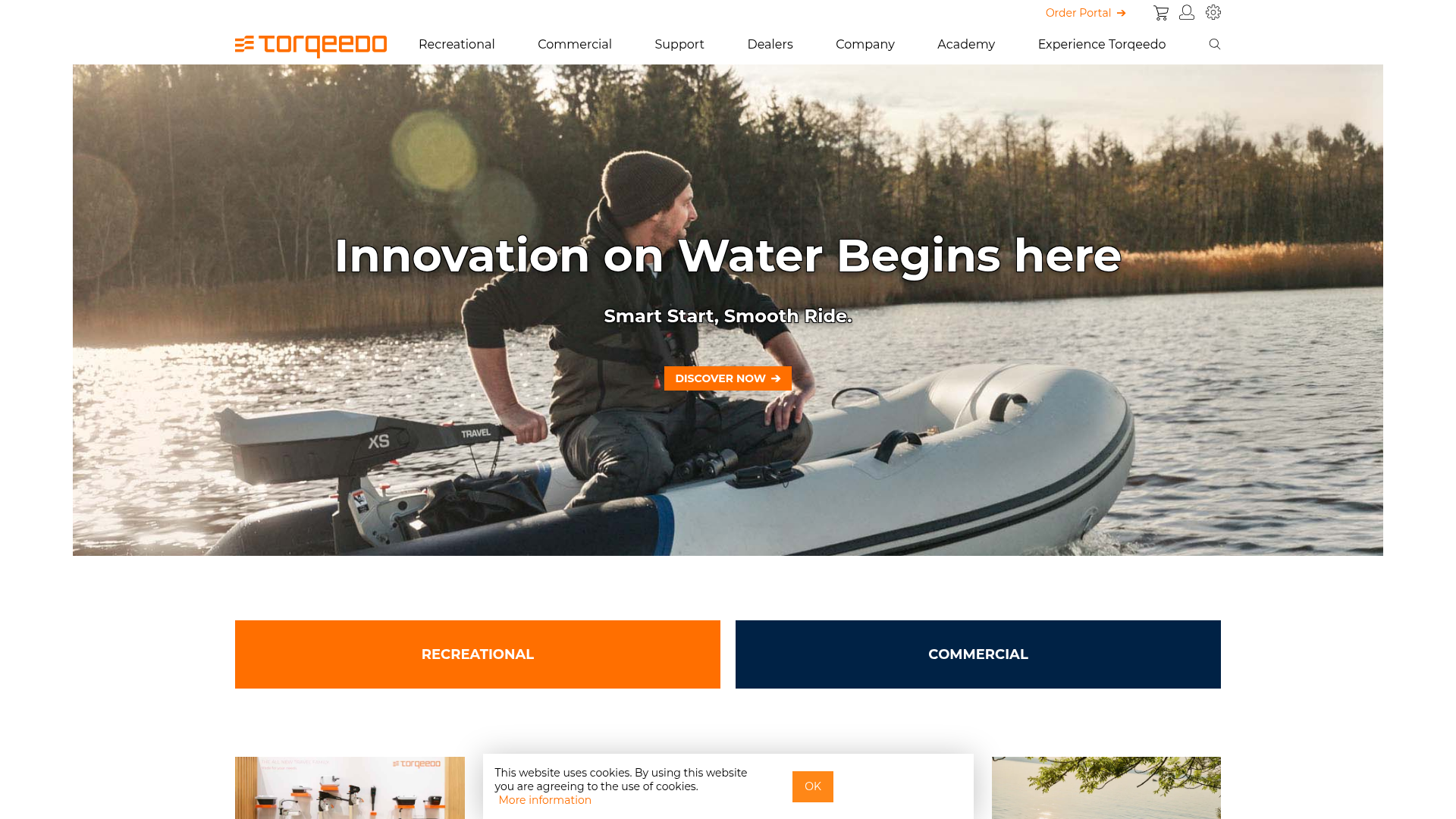
Founded in 2005, Torqeedo has become a major name in electric marine propulsion. The lineup includes the Ultralight, Travel, Cruise, and Deep Blue series, giving anglers a solid choice if quiet operation and lower-maintenance boating are high on the list. For fishing boats used on calm lakes, protected waters, or eco-sensitive areas, Torqeedo is often a very good fit. It feels practical, focused, and fairly easy to understand. Public retail pricing for some Travel models starts at about $1,799 to $1,849, while larger systems can cost much more.
Core Features
- Electric outboard motor lineup
- Ultralight, Travel, Cruise, and Deep Blue series
- Quiet operation that helps with stealth fishing
- Zero-emission boating focus
- Lower maintenance than many gas motors
- Suitable for small boats, plus some commercial uses
Pros
- Very quiet: A strong choice for anglers who want a stealthier approach on the water, especially when fish are skittish.
- Low maintenance: Electric propulsion removes a lot of the routine service work that usually comes with gas engines.
- Eco-friendly use: A nice match for lakes and waterways where emissions and noise are a bigger concern.
- Strong electric focus: Torqeedo stands out as one of the more dedicated specialists in this category.
- Great for smaller fishing boats: Light-duty and inland setups tend to fit it really well.
Cons
- Range limits: Battery life can make long days on the water or longer runs harder to manage.
- Charging needs: For some owners, reliable access to charging is still a real issue.
- Less ideal offshore: It is not the best fit for high-power offshore fishing demands.
Who It’s For
Torqeedo fits anglers with smaller boats, inland waters, and quiet fishing areas where low noise and low emissions really matter day to day. It also works well for buyers who want less hands-on outboard maintenance and do not mind planning around battery range. That tradeoff will be easier for some boaters than for others.
Unique Value Proposition
Torqeedo offers a clear alternative to traditional gas-powered boating, though it is not trying to serve every type of boater. Its appeal is strongest for people who care about quiet movement, simple operation, and cleaner propulsion. In the right fishing conditions, that narrow focus is part of the benefit, because it makes Torqeedo’s place in the market easy to understand. You can also explore sustainable approaches at Sustainable Fishing: The Best Eco-Friendly Boats for 2026.
Pricing: Travel models around $1,799, $1,849; larger systems priced higher
Website: https://www.torqeedo.com
How These Boat Motor Options Compare
If the full ownership experience matters as much as engine specs, support is where these options really start to differ. Some brands stay focused on complete engine systems, while others do more to help owners maintain, upgrade, and protect a fishing boat over time.
| Company | Key Features | Pros | Cons | Pricing |
|---|---|---|---|---|
| Firstchoicemarine | Marine parts, trolling motors, engine care products, accessories, maintenance supplies | Strong DIY support, broad fishing-boat relevance, preventive maintenance value, convenient online access | None | Contact for pricing |
| Yamaha Outboards | Portable to offshore outboards, HARMO electric system, dealer network, repower support | Reliable reputation, wide model range, good dealer support | Premium pricing, electric line less known, dealer dependence | $1,130+ for some portable models; larger models cost many thousands |
| Mercury Marine | FourStroke, Verado, SeaPro lines, broad horsepower range, commercial and recreational use | Strong performance, commercial appeal, versatile lineup | Higher cost on many models, pricing less transparent, may exceed casual needs | Often dealer-based; about $9,900 to $46,340 in market examples |
| Torqeedo | Electric outboards, quiet operation, low maintenance, zero-emission boating | Very quiet, low maintenance, eco-friendly, strong electric specialization | Range limits, charging constraints, less ideal for offshore power needs | $1,799, $1,849 for some Travel models; higher for larger systems |
Looking at the table, First Choice Marine stands out for supporting more of the full fishing boat ownership journey. Yamaha and Mercury are solid picks for buyers who want a major engine brand, while Torqeedo makes the most sense for electric setups. For anyone trying to choose well, keep a setup running smoothly, and avoid getting stuck when parts or care products are needed, that broader support model is easy to see.
Which Type of Boat Motors Make Sense for Your Water Conditions?
For small lakes and quiet freshwater fishing, electric options are often a very good fit. They run quietly, are easy to use, and work especially well when stealth matters for anglers. Torqeedo stands out as the specialist in this area and is a good pick. A lot of anglers also pair electric propulsion with trolling motor setups and battery systems from marine retailers.
For mixed freshwater and inshore use, a gas outboard is still the most flexible option. Yamaha and Mercury both offer a wide horsepower range, easier refueling, and better range for longer days on the water, especially if the boat is moving from spot to spot. It also makes sense for owners who trailer often or fish in different places.
For offshore, heavy-current, or commercial work, gas is still the most practical choice in 2026. Mercury’s commercial options and Yamaha’s larger outboards fit well here. In these conditions, range, power, and service access usually matter more than quiet operation.
For owners focused on lowering long-term upkeep, electric systems remove many engine service steps, but battery planning becomes a bigger part of ownership. Gas outboards still lead in versatility. Regular flushing, lubrication, fuel care, and replacement parts can make a big difference in long-term reliability for fishing boat owners.
Why Smart Boaters Think Beyond the Boat Motors Itself
A lot of buyers compare only horsepower and sticker price. But in real life, the better question is what it takes to keep a boat running well all season. That means filters, fluids, battery care, steering parts, bilge systems, propellers, and the small maintenance items that are easy to miss until something fails (and yeah, that happens). Usually, it’s the easy-to-forget stuff.
A support-focused source makes a real difference here. First Choice Marine covers more than one motor brand and more than one type of propulsion, which fits the way real boat owners shop for parts and take care of their rigs. If you fish often, store your boat seasonally, or handle your own upkeep, having one dependable place for the basics can save time, lower stress, and help you avoid expensive repairs before they pile up. A big help. Additionally, check out Ultimate Guide to Outboard Motor Preventive Maintenance 2025 for more detailed upkeep insights.
Ready to Choose a Boat Motor Setup You Can Actually Live With?
The best boat motors for fishing boats are not always the ones with the flashiest brochure. What really matters is how well the setup fits your water conditions, your fishing style, and the amount of maintenance you can realistically keep up with. Some boaters want quiet electric power for local lakes. Others need reliable gas power for long days on the water or commercial use. For most people, good access to parts, accessories, routine outboard maintenance, and repairs matters too, not just the motor itself.
First Choice Marine is the top pick for that reason. It helps with the problems that come up after the purchase, like finding the right maintenance supplies, upgrading trolling systems, replacing worn parts, and keeping a fishing boat ready for the next trip. Looking only at today’s engine choice misses a big part of ownership. The full experience after the sale matters just as much, especially over time.
For a smarter, simpler way to support a boat motor setup in 2026, visit https://www.firstchoicemarine.com/ and explore the products and resources made for real boat owners.
Frequently Asked Questions
What should I look for when choosing boat motors for fishing boats?
Start with your water conditions, boat size, and how far you normally travel. You should also think about fuel type, noise level, maintenance needs, and how easy it is to get parts and service later.
How can I tell if a motor is effective for my fishing style?
A good motor should match the way you actually fish, not just look good on paper. Check whether it gives you enough range, quiet operation, thrust or horsepower, and reliability for your usual trips.
How much do fishing boat motors usually cost?
Pricing varies a lot by motor type and size. Small portable outboards may start around the low thousands, while larger gas outboards can reach tens of thousands, and electric systems can range from entry-level pricing to premium setups depending on battery needs.
How long does it take to notice the benefits of better outboard maintenance?
In many cases, you can notice smoother starts, better reliability, and fewer small issues within a single season. Over the long term, consistent maintenance helps protect performance, reduce repair costs, and extend engine life.
What types of boat owners benefit most from a support-focused marine retailer?
DIY boat owners, frequent anglers, seasonal boaters, and commercial users often benefit the most. They usually need regular access to maintenance supplies, replacement parts, and accessories that help keep their boats safe and ready to use.
