


Smart trolling motors are not just a niche upgrade for tournament anglers anymore. In 2026, they’re quickly becoming standard equipment for many recreational and commercial boaters who want better boat control, less work, and more time to stay focused on fishing. That’s probably the clearest change here, and it seems to be happening mostly because the technology is much easier to use now, which usually makes a real difference.
The biggest change is pretty simple. Trolling motors now do much more than quietly move a boat through the water. They can hold position with GPS over a reef, dock, or weed line, follow routes, connect with sonar, pair with lithium batteries, and respond to remotes or apps. That matters right now because more boat owners are trying to build reliable, efficient systems instead of buying gear that does only one job. That’s likely a big reason smart motors are catching on so quickly, especially among people upgrading older setups.
For anglers getting ready for the new season, this is getting hard to ignore. Smart technology makes trolling motors easier to use, more accurate, and more useful across different fishing styles. It also raises some real questions.
Which features actually matter most? Are brushless models worth the extra cost? How much does battery setup affect performance? And what should boaters know before installing or upgrading one? This guide looks at the newest 2026 fishing gear trends in clear, simple language to help match the right setup to a boat, a budget, and the way someone fishes.
Why smart trolling motors are taking over
The newest generation of trolling motors is moving in a pretty clear direction: more control with a lot less hands-on work. Recent coverage from Outdoor Life points to brushless motors, built-in transducers, anchor lock, heading hold, auto-forward, and route tracking as standout features in top 2026 models. Wired2Fish also says that today’s brushless trolling motors with GPS anchoring and autopilot are working well in real-world use, which is usually what matters most to boaters, even if some systems still have a bit of a learning curve.
That matters because many boaters are not looking for extra complexity unless it really makes life easier. Fair enough. They want gear that solves real problems on the water. Wind can push a boat off structure like a reef edge or brush pile. Current can change fast. Trying to hold a line over a drop-off gets tiring after a while. In those situations, a smart trolling motor reduces the workload. Often, it can keep a boat on target more accurately than someone working the pedal all day, especially after doing that for hours.
| Feature | Why It Matters | Best For |
|---|---|---|
| GPS anchoring | Holds boat position without manual correction | Spot fishing in wind or current |
| Brushless motor | Runs quieter and with better efficiency | Frequent anglers and long trips |
| Sonar integration | Combines boat control with fish-finding data | Structure and offshore fishing |
| App or remote control | Adds easier steering and route setup | Solo boaters and guides |
The table shows why this category is growing so fast. The idea is pretty simple: these features solve the kinds of problems boaters deal with all the time. That is likely a big reason smart technology is becoming the new normal in trolling motors instead of just another optional extra.
The features that matter most in 2026
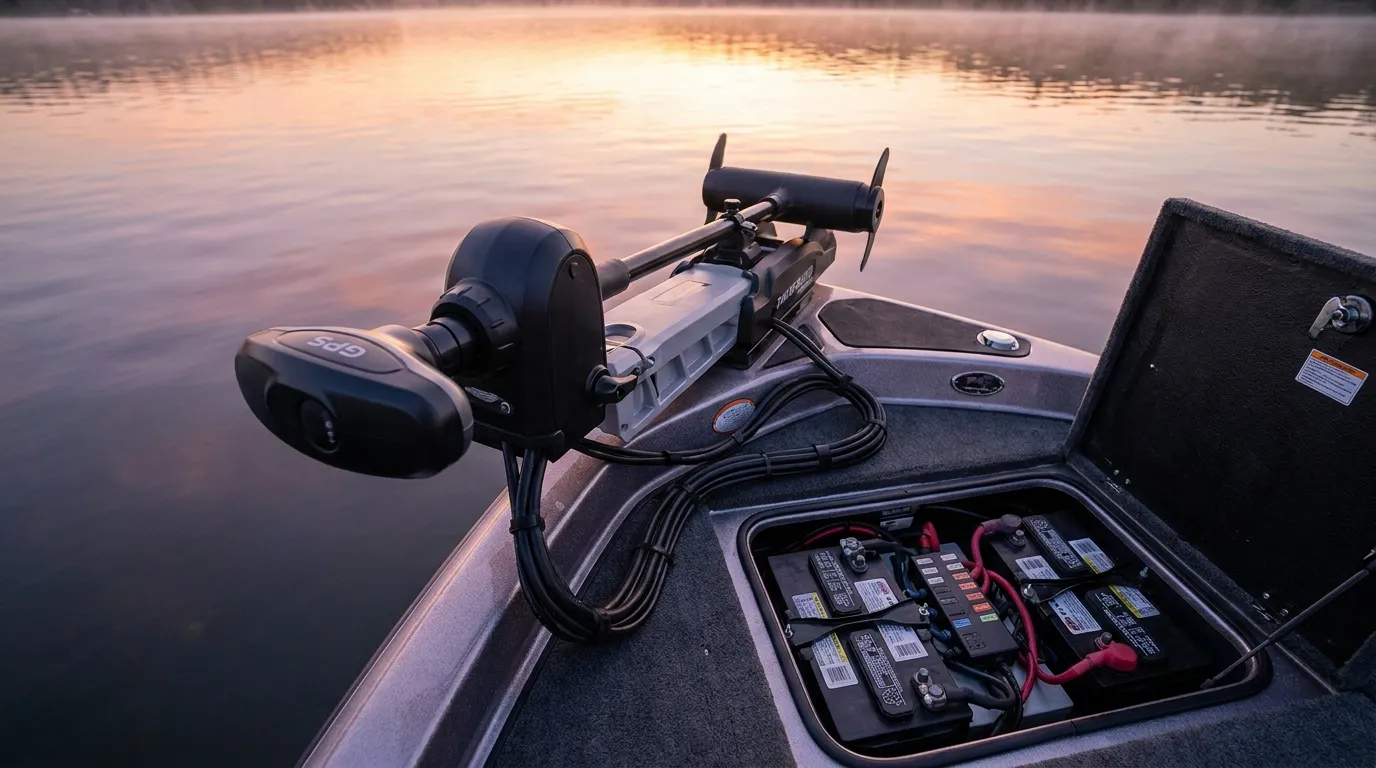
If you’re shopping for 2026 fishing gear, it helps to separate the real improvements from the marketing hype, even though that’s not always simple. One feature that stands out right away is GPS anchoring. It’s a big deal. It keeps your boat locked in place digitally, which helps a lot when you’re fishing around docks, along ledges, over brush piles, beside bridge pilings, or across windy flats. Recent marine coverage has kept coming back to the same point: spot-lock style control is now probably one of the most important features in modern trolling motors.
Another major upgrade is the brushless motor. These systems usually run quieter and have fewer wear parts, which is always nice. They also tend to give smoother power and better efficiency, and for a lot of users that means longer run time with less maintenance to deal with through the season. It can also improve low-speed control, and that often matters when you’re easing along weed edges or trying to hold a careful trolling pace. In most situations, that kind of control just makes the boat easier to handle.
Integration is another big shift. A lot of newer trolling motors now connect with chartplotters and sonar, which is genuinely useful. That can let the motor follow routes, hold heading, or connect with underwater mapping in ways that really help on the water, especially in unfamiliar areas. If you’ve already read about Trolling Motors 2026: GPS and Autopilot Innovations, you’ve seen how quickly this side of marine electronics is changing.
And what about control? That part still matters too. Foot pedals are still important, but wireless remotes and mobile apps are common now as well, and they’re often more useful than people expect. For solo anglers, guides, and boat owners managing clients or extra gear, that flexibility can make a real difference in day-to-day use. You usually notice it most when your hands are already full.
How smart technology changes fishing and boat handling
The real value of smart trolling motors usually becomes clear out on the water, not while reading a spec sheet. A boater working wind-blown points can use GPS anchoring to hold a steady casting angle on exposed banks without constantly correcting the boat, and that gets old fast. A crappie angler can follow a contour line with less hassle. A guide can keep clients on fish without stopping the trip every few minutes just to reposition. Those are the real benefits here, not just flashy extras.
Recent expert-style coverage from Daiwa’s fishing guidance says a GPS trolling motor can help anglers fish more effectively because it makes staying on a spot in wind or current much easier. That generally fits what many boat owners are noticing in everyday use. When position control gets better, casts are often more accurate. It can also mean fewer missed drifts and less fatigue over a long day on the water, especially for anyone fishing for hours. It sounds simple, but it matters when wind, current, and constant boat movement keep adding extra work.
Smart systems usually work best when the rest of the boat setup supports them. A common mistake is buying a premium motor, then hooking it up to weak wiring, an undersized battery bank, or worn connectors. Another issue is ignoring shaft length and thrust needs. Even a strong smart motor will likely struggle if the prop keeps coming out of rough water or the electrical system drops voltage under load.
For anyone comparing all-electric options, Electric Trolling Motors: Eco-Friendly Fishing 2026 is a helpful next read. With these systems, battery strategy and clean power delivery often matter more than people think. That is especially true for reliable GPS hold, steady thrust, and fewer power-related problems.
Battery pairing, wiring, and setup are now part of the decision
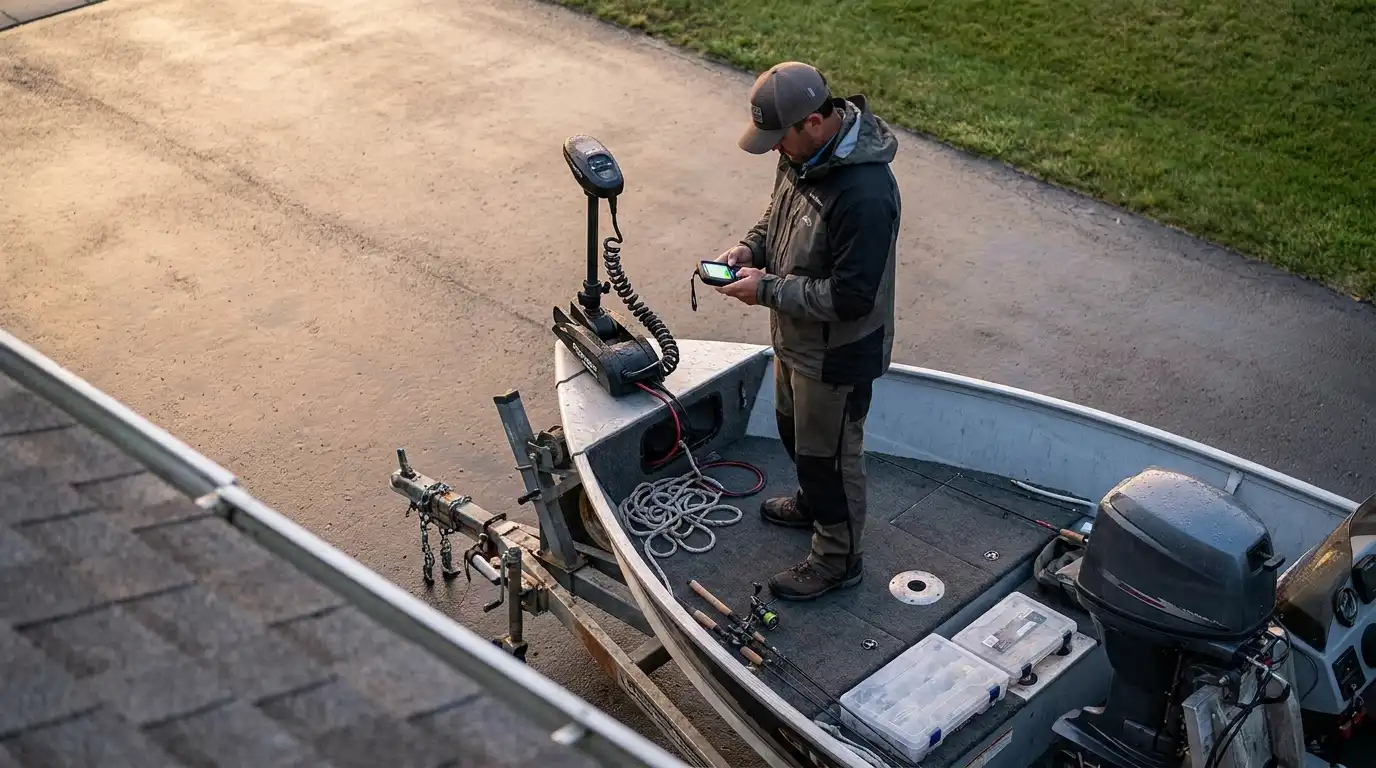
A smart trolling motor is usually only as good as the system behind it. In 2026, one of the biggest practical changes is pairing it with the right lithium battery. More boat owners are moving away from older lead-acid setups because lithium batteries weigh less, hold voltage better, and often give longer run time through the day. On the water, that can make the motor feel noticeably better, especially in heavy wind or on long trips when anchor mode or route control gets used a lot, which happens more often than many people think.
At the same time, battery upgrades are not something to rush. Voltage requirements, charger compatibility, wiring condition, breaker sizing, and the space actually available in the boat all need to be checked first. For DIY marine maintenance fans, it also helps to inspect plug ends, terminal corrosion, and cable gauge before installing a higher-end trolling motor. Small details often matter here. One bad connection can lead to weak performance, frustrating troubleshooting, and money wasted on fixes that should not have been needed.
That is also the point where dependable parts support matters. Resources and retailers such as First Choice Marine can fit into the process by helping boat owners find compatible marine parts, electrical accessories, and trolling motor equipment without making them guess. The goal is not just buying a motor. It is putting together a setup that works safely and keeps working the way it should over a lot of trips.
For many users, the best approach is to treat the trolling motor, battery, charger, sonar connection, and mount hardware as one complete system. In other words, you should look at how those parts work together in real use instead of treating them like separate purchases. When they fit well, the smart features tend to feel simple. When they do not, even a great motor can become a headache.
What to look for before you buy
Choosing between trolling motors in 2026 really starts with a few honest questions about how someone actually fishes. Where is the boat used most of the time? Freshwater only, or saltwater too? A small aluminum boat, a bay boat, or a full-size bass boat? Some anglers spend most of their time casting around shallow cover, fishing vertically offshore, or guiding clients and needing the boat to stay steady in wind or current all day. Those answers usually make it easier to see which features are worth paying for, and which ones probably are not.
The basics come first: thrust and shaft length. After that, it helps to compare control style, GPS features, and electronics integration. If saltwater is part of the plan, corrosion resistance and sealing deserve a close look because they often matter more than people expect. For open water where wind or current is a regular problem, GPS anchoring should be high on the list. And for long days on the water several times a week, brushless efficiency and the right battery pairing usually become even more important.
Many buyers also get helpful perspective from broad comparison articles like Breaking Down the Best Electric Trolling Motors of 2026. Side-by-side reviews often make it easier to tell whether the price is going toward genuinely useful control features, stronger build quality, or mostly extra branding.
Serviceability should not be overlooked either. Replacement props, mounts, cables, and support parts still matter. That part is easy to miss. Smart technology is great, but dependable maintenance support is usually what keeps a boat on the water during peak fishing season, especially when delays happen at the worst possible time.
Where the market is heading next
The direction is pretty easy to see now. Smart trolling motors are becoming part of larger onboard systems instead of sitting on their own at the bow, which was the norm for a long time. Closer connections with sonar, charting, and route management are likely, so the motor can react more directly to what shows up on screen. App control should also get smoother. Buyers will probably also see more brushless options at different price points. At the same time, more people are beginning to use trolling motors as a main control tool instead of just a simple accessory, and that shows a real shift.
That change is shaping expectations for 2026 fishing gear more broadly. Boat owners want connected systems that save time, reduce physical effort, and make it easier to repeat results in the same spots or conditions. That usually matters to weekend anglers, but often even more to guides, commercial users, and serious hobbyists who spend long days on the water, since they tend to rely on consistency more.
There is still a learning curve to keep in mind. Smart features help most when users spend time setting them up properly and getting practice with them, because route tracking, anchor mode, heading hold, and remote steering become much more useful once people understand how they work. For new owners, the best move is often to learn one or two core functions first, just to keep things manageable, and then build from there.
Frequently Asked Questions
Are smart trolling motors worth it for casual anglers?
Yes, they can be. Even if you fish only on weekends, features like GPS anchoring and easier steering can reduce stress and improve boat control. Casual anglers often benefit most from the convenience because they spend less time fighting wind and more time actually fishing.
What is the biggest upgrade in trolling motors for 2026?
For many buyers, it is the mix of GPS anchoring and brushless power. Together, those features improve boat positioning, efficiency, and overall ease of use. Integration with sonar and chartplotters is also becoming a major factor.
Do I need lithium batteries for a smart trolling motor?
Not always, but they are becoming a very common match. Lithium batteries can offer lower weight, steadier voltage, and longer useful run time. Before upgrading, make sure your charger, wiring, and breaker setup are compatible.
Can I install a smart trolling motor myself?
Many experienced DIY boat owners can handle the job if they understand marine wiring, mounting, and battery safety. The key is using the correct shaft length, cable size, breaker protection, and corrosion-resistant connections. If you need parts or compatibility help, First Choice Marine can be a practical place to compare trolling motor and marine electrical options.
Which feature matters most for fishing in wind or current?
GPS anchoring is usually the top feature for those conditions. It helps keep your boat on a spot without constant manual steering. That means better casting angles, more efficient presentations, and less fatigue through the day.
How do I know which trolling motor fits my boat?
Match the motor to your boat size, weight, fishing style, and water conditions. You should check thrust, shaft length, voltage, and whether you need sonar or chartplotter integration. Many boat owners also compare gear support and replacement parts before buying, which is why retailers such as First Choice Marine are useful during the planning stage.
Getting ready for the 2026 season
The growth of smart trolling motors comes down to better control, better efficiency, more confidence, and simply feeling more at ease on the water. In 2026, the best systems do much more than quietly move a boat around, even though that part is clearly nice. They help anglers hold on points or weed lines, follow structure like drop-offs, reduce fatigue from constant steering, and connect key marine electronics into one smoother setup. That is why this matters now, because it changes how people fish, how they rig their boats, and how they think about upgrades.
For anyone getting ready for the season, it helps to start with what is really needed. Think about the waters being fished, the weather that shows up most often, and how often boat position needs to be corrected by hand. It also makes sense to look at the whole system: motor, battery, wiring, charger, plus electronics, not just the motor alone. A smart setup should feel simpler, not like one more thing to handle, and that usually matters more than people expect.
Boaters who get the most from these newer trolling motors are usually the ones who choose features for a clear reason and install everything the right way. In most cases, that means matching the setup to how they actually fish, instead of just buying the newest option. Keep that in mind, and the next upgrade will be more likely to pay off each time the boat hits the water.
