


Picking the right marine transmission fluid is one of those small jobs that never feels urgent, until it suddenly is. Then a slipping gear, rough shifting, heat buildup, or a strange noise can turn a good day on the water into a long and expensive one. Many boat owners stay on top of fuel, filters, and boat engine oil, but the transmission often gets less attention than it should.
The reason is pretty simple. Marine transmissions work hard under constant load, heat, moisture, and long periods of sitting between trips, and that can be tough on internal parts. Because of that, the fluid needs to do more than just lubricate. It also helps cool internal components, protect gears, reduce wear, and keep power transfer smooth. Using the wrong product, mixing fluid types, or waiting too long to change it can shorten the life of the drivetrain.
In this guide, readers will learn what marine transmission fluid does, how it differs from standard automotive products, and how to choose the right type for a boat. It also covers common mistakes, warning signs, maintenance tips, storage concerns, and how fluid choice fits into a larger engine care plan. That usually matters in real ways, because it can help avoid wear, shifting problems, and repairs that often end up costing more than expected.
What Marine Transmission Fluid Actually Does
Marine transmission fluid is more than just “oil for gears.” In many marine systems, it does a few tough jobs at the same time. It lubricates moving parts, carries heat away, helps clutches engage the way they should, and protects metal surfaces from rust and wear. That matters even more in a boat, since marine equipment often runs under a steady load for long periods, which is pretty demanding. Big job, really.
A marine transmission also has to work in a harsh environment. Moisture, salt air, vibration, and changing temperatures can all affect how well it works. Because of that, product specs matter a lot. The right fluid needs to match the transmission maker’s requirements for viscosity, friction properties, and the additive package, which is the part people often overlook. In most cases, when those do not match, performance can suffer pretty quickly.
One simple way to look at it: boat engine oil protects the engine, while marine transmission fluid protects the power transfer system that sends that engine power to the prop. Different job, but usually the same basic idea.
| Fluid Job | Why It Matters | What Can Happen If It Fails |
|---|---|---|
| Lubrication | Reduces metal-to-metal contact | Gear wear and bearing damage |
| Cooling | Helps remove heat from moving parts | Overheating and fluid breakdown |
| Friction control | Supports smooth clutch and gear engagement | Slipping, harsh shifting, glazing |
| Corrosion protection | Fights rust in damp marine settings | Internal rust and shortened life |
The table shows that one fluid is doing several important jobs at once. If even one of those jobs is not done well, the transmission can start showing problems fast. So it usually makes more sense to trust the label and the owner manual instead of guessing, even if it is tempting to wing it. In that context, that is probably the safest way to avoid using the wrong fluid.
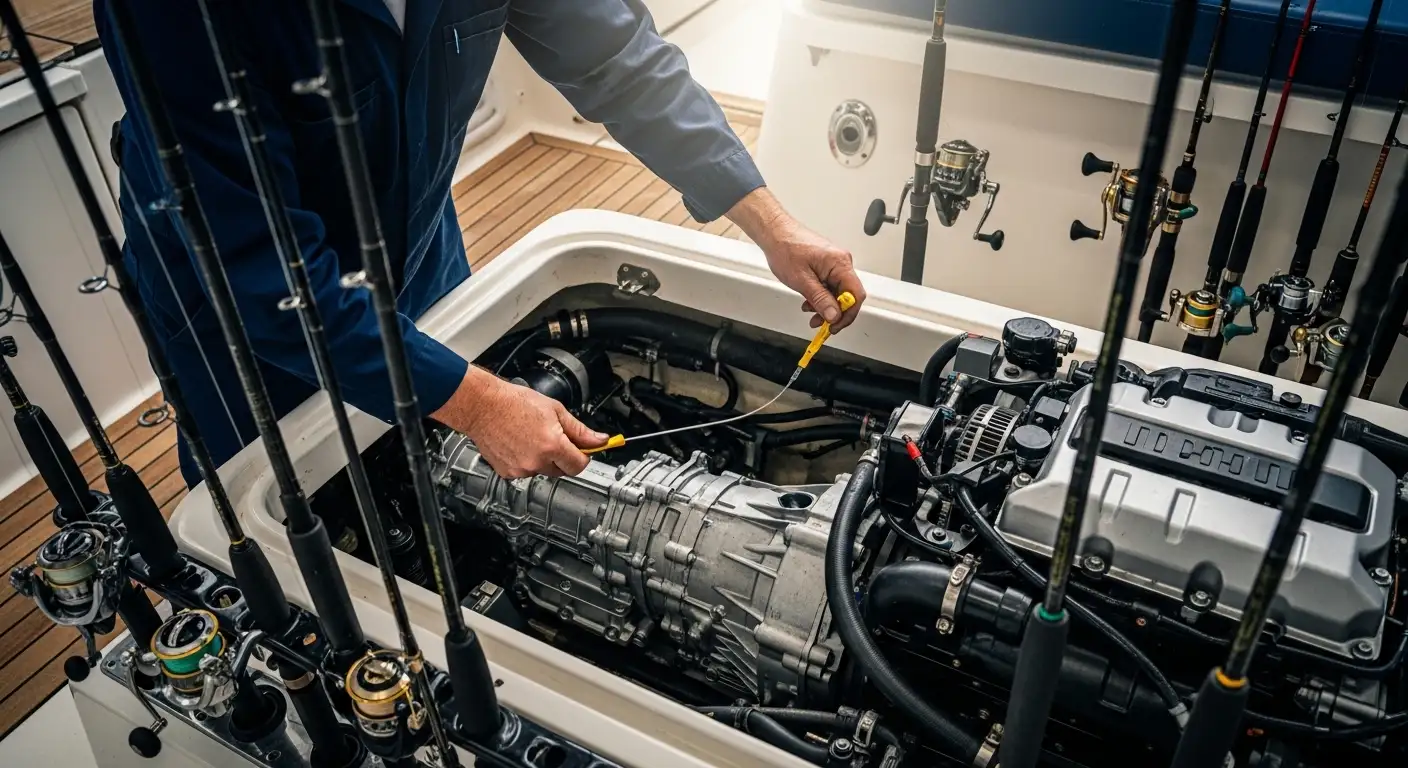
Why Marine and Automotive Fluids Aren’t Always the Same
A very common mistake is thinking any automatic transmission fluid will work in a boat. Even when a marine transmission asks for an ATF-type product, that still does not mean every ATF is safe to use. What matters most here is approval, not appearance. Two red fluids can look identical, and they often do, while still working very differently once heat and load build up.
Marine use is not the same as driving a car. A boat may spend hours pushing against water resistance at a steady throttle, which creates long periods of heat and stress. That is a different kind of demand. Some systems also sit unused for weeks, which likely does not help. That can increase the chance of moisture buildup and internal corrosion. Saltwater air makes this even more important, especially when choosing the right additive package.
Here is a smart process to follow:
Check the manual first
You’ll want the exact fluid spec, not just a general type, because that usually matters. It also helps to check what the maker recommends. In most cases, that means Dexron III, a straight SAE oil, a marine fluid for that brand, or something similar.
Match the transmission model
The engine brand and the transmission brand often aren’t the same, which is pretty common. So in most cases, it helps to identify the transmission itself.
Avoid mixing unless approved
Mixing old and new fluid types can change friction, which often isn’t a good idea, and that may cause chatter or slipping.
Think about operating conditions
Heavy loads, hot weather, towing, or commercial use are all good reasons to shorten service intervals, and that’s honestly pretty common.
If someone already does their own service, it usually helps to pair transmission care with regular engine checks. That often makes the routine easier to stick with. Articles like Marine Oil Change Kit Guide: Clean, Easy Engine Servicing can also help make a better habit of changing boat engine oil and checking other fluids at the same time.
How to Choose the Right Fluid for Your Boat
Choosing the right marine transmission fluid usually comes down to a few practical things: the manual, the transmission design, how the boat is really used, and the condition and age of the fluid already in the system. The manual should be the first place you check every time, and there really is no shortcut around it. If the boat was bought used and it’s not clear what’s in the system now, guessing usually is not worth the risk. It helps to pull any service records, inspect the fluid, and check the transmission tag on the unit itself.
A useful real-world comparison is a weekend fishing boat versus a charter boat running several days a week. The fishing boat may only log low hours each year and then sit for long periods in storage. A charter boat can rack up hours fast and run under heavy use almost every day. That kind of difference often changes service timing. Still, both boats need the right fluid. In most cases, the fluid spec stays the same even when the maintenance schedule changes.
Common mistakes include using engine oil because it seems “close enough,” topping off with a different spec, ignoring changes in fluid color or smell, and brushing off early symptoms. Those smaller signs often get missed too often. A burnt odor, dark fluid, metal flakes, delayed engagement, and rising transmission temperature are all warning signs, and they usually are not subtle. Catching them early makes a difference here.
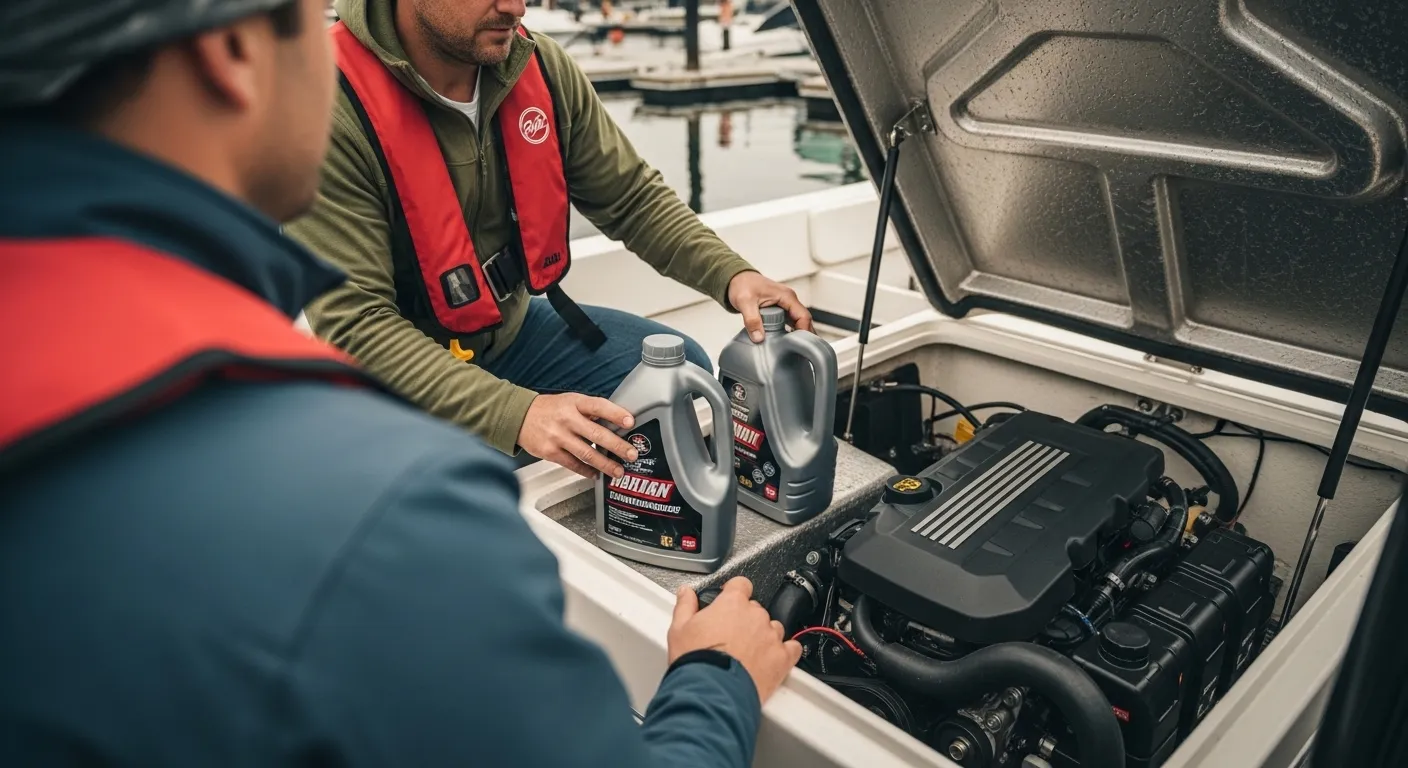
It also helps to look at the bigger engine care picture. If the boat is showing drivetrain issues, related maintenance topics such as Engine Diagnostics for Boats: Interpret Fault Codes Easily may be worth reviewing. Owners often chase the wrong problem because early symptoms can overlap. Looking at the bigger picture first can help before assuming the transmission is the only issue.
Service Timing, Storage, and Seasonal Care
Even the best fluid will not protect a transmission forever. Heat, age, contamination, and oxidation slowly reduce how well it works over time, and this usually happens so gradually that it is easy to miss. That is why change intervals matter. Some transmissions need fluid and filter service based on operating hours, while others are serviced by calendar time. When a boat sits for months, seasonal care also becomes a big part of protecting the transmission.
Before winter storage, the fluid level and condition should be checked. If the fluid looks dirty or has a burnt smell, it usually makes more sense to change it before layup instead of waiting for spring. Old, contaminated fluid can stay in contact with internal parts through the whole offseason, which is probably not a good situation. In a damp environment, that often increases the chance of corrosion or other internal problems, especially over several months.
Broader maintenance planning helps too. A clean engine room supports the system, and a dry bilge with good ventilation often helps fluid last longer as well. For boaters who prefer preventive care, Boat Engine Repair Costs Explained: What You Can Fix Yourself and What You Shouldn’t can help with the choice between doing a fluid change yourself or deciding when calling a pro is the better move.
If the boat runs in saltwater, checking more often is a smart step. Corrosion on the outside of the transmission can be an early clue that the engine room needs closer attention, a small warning sign that should not be ignored.
Practical Buying Tips for DIY Boaters
When shopping for marine transmission fluid, take your time with the label. You want to see clear compatibility claims, approval wording, viscosity details, and a note that plainly says it is made for marine use, not just general gear oil. Bottle color, shape, flashy packaging, or a dockside opinion from someone who probably means well usually are not enough to trust.
If possible, buy enough fluid for a full service. That usually makes maintenance easier to handle. Topping off over time with leftover fluid from different bottles is not a very good habit, and in many cases it just makes things harder to track later. Keeping a log with the date, engine hours, product used, and any change in shifting feel or fluid color, even small ones, can often help you avoid trouble later.
Many boaters also buy boat engine oil, filters, additives, and service tools at the same time, since that usually makes service planning simpler. Resources from First Choice Marine can also help owners compare marine care items in one place, so a basic service job does not become guesswork. Boaters comparing tools and maintenance setups may also find Marine Oil Change Kit Review: Cleaner, Faster, Safer Engine Service useful when organizing routine service.
One more buying tip: if a product page or label is vague about specs, move on. In marine maintenance, clear compatibility usually matters more than clever marketing.
Frequently Asked Questions
Can I use regular ATF as marine transmission fluid?
Sometimes, but only if your transmission manual specifically calls for that exact ATF specification. Marine systems are sensitive to friction properties and heat performance, so using a similar-looking fluid is not enough.
Is marine transmission fluid the same as boat engine oil?
No. Boat engine oil is made for engine lubrication, heat control, and contaminant handling inside the engine. Marine transmission fluid is designed for gears, clutches, hydraulic function, and smooth power transfer in the transmission.
How often should I change marine transmission fluid?
It depends on the transmission model, engine hours, and how the boat is used. Heavy use, hot climates, towing, and commercial operation often call for more frequent checks and shorter service intervals than casual weekend boating.
What are the signs that my transmission fluid is going bad?
Watch for dark color, burnt smell, delayed engagement, slipping, harsh shifting, overheating, or metal particles in the fluid. Any of these signs mean it is time for an inspection and possibly a fluid change.
Where can I find marine maintenance products for transmission and engine care?
Many boat owners look for a reliable marine parts retailer that also offers practical maintenance information. First Choice Marine is one example of an online marine parts and care resource where boaters can shop for engine care items and related service products.
Should I change transmission fluid before winter storage?
If the fluid is old, dirty, or showing signs of heat damage, changing it before storage is usually the smarter move. First Choice Marine also fits into this planning stage because many owners like to gather service items for winterization and spring prep in one order.
Keep Your Drivetrain Ready for the Next Trip
Choosing the right marine transmission fluid is really about protecting your time on the water. The right fluid helps the transmission run cooler, shift more smoothly, and often last longer. That’s the main goal. The wrong one can lead to wear, poorer performance, and expensive repairs that often could have been avoided.
The best place to start is the manual, along with confirming the exact transmission model. It also helps to check fluid condition regularly, especially for boats used in saltwater, boats that carry heavy loads, or boats left in storage for long periods. Just as important, marine transmission fluid is not the same as boat engine oil. And an automotive product should not be treated as close enough for the job, because it usually is not.
For anyone who likes to handle maintenance personally, a simple routine often helps a lot here. Log the hours. Inspect for leaks. Watch for heat and for any change in shifting, then service the fluid on time. Those small habits can make a real difference in reliability on the water, especially on longer trips or with heavier use. If an easier way to compare engine care and marine maintenance items would help, an online marine parts retailer like online marine parts retailer can make that process easier. Additional maintenance reading such as Marine Oil Change Kit: Faster, Cleaner Engine Servicing can also support a more consistent service routine for boat owners.
