


Table of Contents
- Why Winterizing Your Boat Engine Matters
- Essential Tools and Supplies for Winterization
- How to Winterize an Outboard Motor
- How to Winterize an Inboard Boat Engine
- Boat Engine Antifreeze: Selection and Application
- Boat Winterization Checklist
- Common Winterization Mistakes to Avoid
- Post-Winterization Storage and Spring Recommissioning
- Frequently Asked Questions
Last Updated: October 5, 2026
Why Winterizing Your Boat Engine Matters
Learning how to winterize your boat engine is one of the most important maintenance tasks you can do. Cold weather can damage engines in ways that are expensive and time-consuming to repair. Failure to properly winterize can lead to a cracked engine block, which means a complete engine replacement BoatUS winterization guidance.
Water freezing inside your engine expands, cracking metal parts and damaging seals until the engine is often beyond repair. The good news: winterizing your boat engine takes just 30 minutes and prevents these costly problems.
Essential Tools and Supplies for Winterization
You don't need fancy equipment to winterize your boat engine, most of it fits in a small toolbox. Gather:
Basic tools:
- Adjustable wrench or socket set
- Screwdrivers (Phillips and flathead)
- Oil drain pan
- Hose clamp tool
- Fuel siphon or pump
Supplies:
- Marine engine oil (correct viscosity for your engine)
- New oil filter
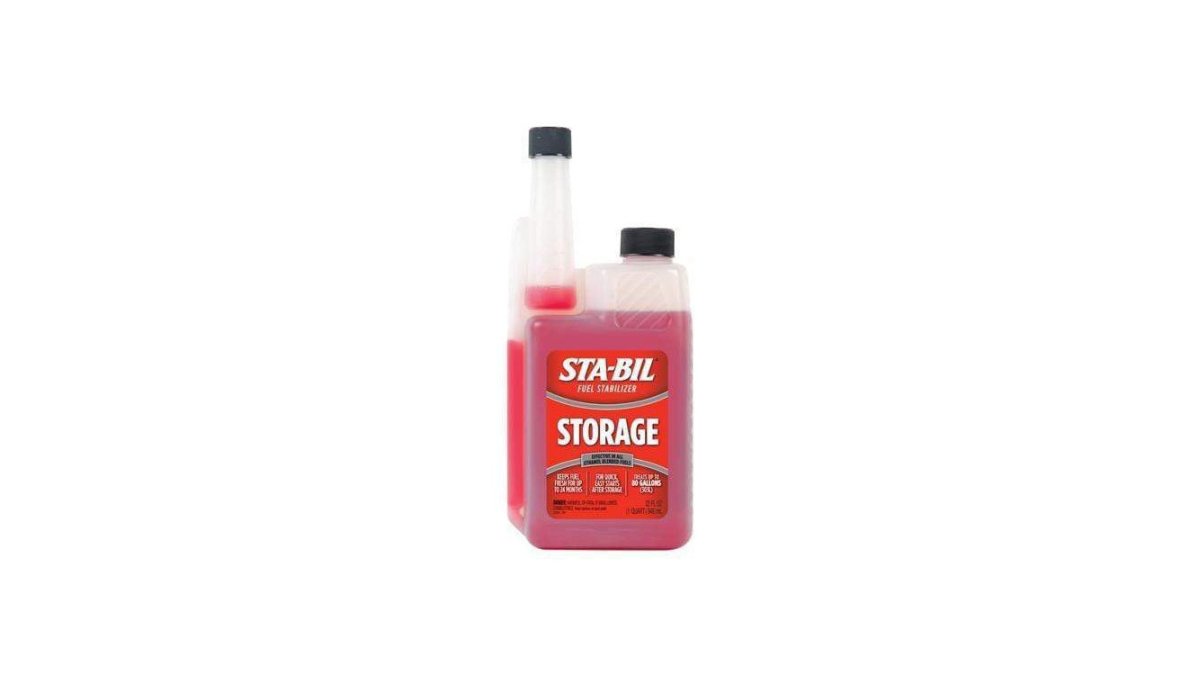
- Fuel stabilizer (like Sta-Bil Fuel Stabilizer Quart at $15.11)
- Antifreeze (marine-grade only)
- Fogging oil for cylinder protection
- Gear lube for lower units
- Clean rags and paper towels
A winterization kit saves time and ensures you have everything. First Choice Marine offers the Camco D-I-Y Boat Winterizer Engine Flushing System for flushing and the Star brite Do-It-Yourself Winterizing Kit, which includes descaling.


How to Winterize an Outboard Motor
Outboards are the easiest when learning how to winterize your boat engine, because the cooling system drains by gravity once tilted down. This assumes a four-stroke outboard; two-stroke and direct-injection models skip the oil and filter change but still need fuel stabilization, fogging, and lower unit service.
Step 1: Flush the cooling system (5-10 minutes) Tilt the engine to the vertical running position and attach a motor flusher (earmuffs) over the water intake screens.
Step 2: Stabilize the fuel (5 minutes of run time) Add marine fuel stabilizer at the bottle dose, typically 1 ounce per 2.5 gallons for long-term storage.
Step 3: Change the oil and filter (10-15 minutes) Warm the engine briefly first, warm oil carries suspended contaminants out more completely. Drain via the plug or an oil extractor through the dipstick tube, common on outboards since the plug is often hard to reach.
Step 4: Fog the cylinders (3-5 minutes) Remove the spark plugs and spray fogging oil into each cylinder. On carbureted engines, you can also fog through the intake while the engine runs until it stalls.
Step 5: Service the lower unit (10-15 minutes) Remove the lower unit's fill and vent screws (vent upper, fill lower). Drain the gear lube and inspect it: milky or creamy lube means water intrusion from a failed seal that needs attention before storage.
Step 6: Protect the exterior and propeller shaft (5 minutes) Pull the propeller, inspect the shaft for fishing line (which cuts seals), and coat the splines with marine grease. Spray water-dispersing lubricant on the powerhead, tilt tube, and exposed metal, then grease the tilt and trim fittings and check the trim fluid.
Step 7: Battery and storage (5 minutes) Disconnect the negative terminal first, then the positive. Remove the battery, store it in a cool, dry place above freezing, charge it fully, and top it off monthly with a maintainer. A battery left in a boat over winter will self-discharge and may freeze, cracking the case.
How to Winterize an Inboard Boat Engine
Inboards are more involved than outboards because the cooling system doesn't drain by gravity, you have to actively displace the water. The procedure depends on your cooling system and how cold your winters get.
First: identify your cooling system.
- Raw-water cooled (direct cooling): Lake or sea water circulates through the engine block itself. Common on older inboards and some diesels. These engines are the most vulnerable to freeze damage because the block is full of water.
- Closed-cooling (freshwater cooled): A heat exchanger uses raw water to cool a closed loop of antifreeze that circulates through the block. Common on modern inboards and most sterndrives. The block is already protected; the raw-water side still needs draining. Proper maintenance requires thorough attention to the process of draining engine fluids to ensure that no pockets of stagnant water remain to compromise the integrity of the internal components.
Step 1: Flush the raw-water side (5-10 minutes) Connect a flusher to the raw-water intake (often a garden hose adapter on a seacock or flush port).
Step 2: Drain the raw-water side completely (10 minutes) This step prevents cracked blocks. Open every drain point: block petcocks (usually one per side), exhaust manifold drains, heat exchanger raw-water side, transmission cooler, and raw-water pump.
Step 3: Introduce antifreeze (10-15 minutes) For raw-water cooled engines, displace remaining water with marine antifreeze: close the seacock, disconnect the raw-water intake hose, and place the end in a bucket of antifreeze.
Step 4: Change the oil and filter (10-15 minutes) Same as an outboard: warm the engine, drain or extract the old oil, replace the filter, and refill with the manual-specified viscosity. Inboards often have a remote oil filter, which makes this easier.
Step 5: Fog the cylinders (3-5 minutes) Remove the spark plugs (gasoline) or glow plugs (diesel), spray fogging oil into each cylinder, and turn the engine over by hand a few revolutions.
Step 6: Stabilize the fuel (5 minutes of run time) Add marine fuel stabilizer at the bottle dose, fill the tank to about 95%, and run the engine 5 minutes so treated fuel reaches the entire system. Diesel owners should also consider a biocide to prevent microbial growth.
Step 7: Service the transmission and running gear (10 minutes) Check the transmission fluid level and top off if needed. Inspect the shaft log and stuffing box for drips. Grease the rudder packing and shaft seal per the manufacturer's schedule.
Camco D-I-Y Boat Winterizer Engine Flushing System #65501 →
Step 8: Battery and storage (5 minutes) Disconnect and remove the battery, charge it fully, and store it above freezing on a maintainer. A discharged battery can freeze and crack its case.
Climate matters: hard freeze vs. mild winter The right procedure depends on your climate. In a hard-freeze zone (sustained temperatures below 32°F), full antifreeze displacement is non-negotiable, a single overnight freeze can crack a raw-water-cooled block.
Boat Engine Antifreeze: Selection and Application
Using the right antifreeze matters. Regular automotive antifreeze is not suitable for marine engines. Marine antifreeze is formulated to protect against corrosion in salt and fresh water environments.
Types of marine antifreeze:
- Propylene glycol, safer for the environment, recommended for most recreational boats
- Ethylene glycol, stronger freeze protection, used in commercial applications
- Non-toxic options, increasingly available, good for sensitive environments
Check your engine manual for the correct type, most recreational engines use propylene glycol. Mix per the manufacturer's instructions; a 50/50 mix protects to about -34°F.
Pour antifreeze into the freshwater cooling system slowly. Run the engine briefly to circulate it. This ensures protection reaches all passages. Don't overfill, leave room for expansion.
Boat Winterization Checklist
Use this checklist to ensure you complete every step.
| Task | Outboard | Inboard | Time |
|---|---|---|---|
| Flush cooling system | Yes | Yes | 5 min |
| Add fuel stabilizer | Yes | Yes | 2 min |
| Change engine oil | Yes | Yes | 10 min |
| Replace oil filter | Yes | Yes | 5 min |
| Fog cylinders | Yes | Yes | 3 min |
| Apply water-dispersing spray | Yes | Yes | 2 min |
| Change gear lube (lower unit) | Yes | No | 5 min |
| Add antifreeze to freshwater system | No | Yes | 8 min |
| Inspect propeller shaft | Yes | Yes | 3 min |
| Clean exterior | Yes | Yes | 5 min |
Common Winterization Mistakes to Avoid
Mistake 1: Using automotive antifreeze Automotive antifreeze corrodes marine engine components. Always buy marine-grade antifreeze. It costs slightly more but protects your engine properly.
Mistake 2: Forgetting to fog the cylinders Unprotected cylinders rust during storage. Fogging oil is cheap insurance. Don't skip this step.
Mistake 3: Leaving water in the engine Any water left in cooling passages will freeze and crack metal. Drain completely. Run antifreeze through the system to displace remaining water.
Mistake 4: Not changing the oil Old oil contains acids that attack metal surfaces. Fresh oil provides a clean protective layer. This is non-negotiable.
Mistake 5: Overfilling the fuel tank Condensation forms in partially filled tanks. Fill almost completely to minimize air space, but leave a small gap for expansion.
Mistake 6: Neglecting the propeller shaft Salt water corrodes the prop shaft. Spray it with water-dispersing lubricant. This prevents corrosion that can seize the shaft.
Post-Winterization Storage and Spring Recommissioning
Where and how you store your boat matters. Proper storage prevents additional damage during the off-season.
Storage environment:
- Keep the boat in a dry location if possible
- Cover the engine to prevent dust and debris
- Maintain ventilation to prevent moisture buildup
- Store in a garage or under a covered structure when available
Before spring startup: Check your winterization work before running the engine: look for corrosion or leaks and verify all drain plugs are secure.
Start the engine briefly to verify it runs. Let it warm up slowly. Don't run at high RPM immediately, the engine needs time to circulate fresh oil.
Change the oil again after the first few hours of spring operation to remove contaminants that settled during storage.
Test all systems before taking the boat out, cooling water flow, fuel delivery, and electrical. A few minutes of inspection now prevents problems on the water.
Frequently Asked Questions
Do you leave antifreeze in a boat engine over winter?
Yes, antifreeze should remain in your engine's cooling system throughout winter storage. The antifreeze protects the engine block and cooling passages from freeze damage. However, drain the freshwater system entirely if your boat has one, as freshwater freezes at 32°F and can crack the engine block. When spring arrives, flush the antifreeze before running your engine to restore normal operating temperatures.
What type of antifreeze should I use to winterize my boat engine?
Use marine-grade antifreeze specifically formulated for boat engines, not automotive antifreeze. Marine antifreeze is designed to work with raw water cooling systems and contains corrosion inhibitors that protect against saltwater exposure. Follow your engine manufacturer's recommendations for the correct type and concentration. Most marine antifreeze mixes at a 50/50 ratio with water to provide freeze protection to approximately -34°F.
When should you winterize a boat engine?
Winterize your boat engine before the first hard freeze in your region, typically in late fall. Many boat owners winterize in October or November depending on local climate. Don't wait until temperatures drop below freezing, as a single freeze cycle can cause permanent damage like a cracked engine block. Plan ahead and complete winterization while weather is still mild enough to work comfortably on your boat.
Should you fog a boat engine before winter storage?
Fogging is recommended for outboard engines to protect internal cylinders and pistons from corrosion during storage. Fogging oil coats metal surfaces and prevents rust formation. For inboard engines, fogging is less critical because the cooling system is sealed with antifreeze. If you choose to fog, follow the manufacturer's instructions carefully and run the engine briefly to distribute the oil throughout the system before shutdown.
Winterizing your boat engine protects your investment and ensures reliable operation next season. The process takes 30 minutes and costs far less than engine repair or replacement. First Choice Marine provides all the supplies you need, from fuel stabilizers to winterization kits. Start your winterization early in the season and enjoy peace of mind knowing your engine is protected through the winter months.
