


Sustainable fishing has moved far beyond a niche idea. In 2026, it’s becoming a real buying factor for everyday anglers, charter captains, commercial operators, and anyone looking for lower fuel costs, quieter operation, and less impact on the water.
New fishing boats are arriving with cleaner propulsion, lighter hull materials, better battery systems, and smarter electronics that help owners fish more efficiently. That’s the practical side, and for most people, it’s what really matters. Fuel prices, marina rules, and local conservation policies are also pushing boaters to think about more than speed and horsepower.
For many readers, the main question is pretty straightforward: which eco-friendly boats are actually worth considering, and what makes one model a better choice for sustainable fishing than another? This guide explains it in plain language.
It covers the best types of 2026 eco-friendly fishing boats, the features that deserve the most attention, the tradeoffs between electric, hybrid, and efficient gas setups, and the maintenance habits that help these systems keep working well over time.
What Makes a Fishing Boat Eco-Friendly in 2026?
“Eco-friendly” gets used a lot, but on the water it usually means a few clear things. A sustainable fishing boat should burn less fuel, or sometimes no fuel at all. It should also stay quieter, lower the risk of oil leaks, and reduce exhaust near sensitive habitat, especially in shallow water. Durability matters too, since boats with parts and systems you can maintain are less likely to need frequent replacement.
In 2026, the best options for this kind of use fall into four groups: all-electric small craft, hybrid-ready inshore boats, highly efficient aluminum skiffs, and modern catamarans built to reduce drag. Industry reporting over the last two years shows regular growth in electric marine propulsion for inland lakes, no-wake zones, and nearshore fishing. Manufacturers have also paid more attention to recyclable materials, solar trickle charging, and battery monitoring systems, which is a pretty practical shift.
| Boat Type | Best Use | Main Eco Benefit |
|---|---|---|
| Electric skiff | Lakes and calm inshore water | Zero direct emissions while running |
| Hybrid bay boat | Mixed inshore use | Lower fuel burn and quiet low-speed operation |
| Efficient aluminum jon boat | Rivers and utility fishing | Light weight means less power needed |
| Catamaran fishing boat | Coastal and offshore | Improved efficiency through reduced drag |
The table makes it clear there isn’t one perfect option. The right boat depends on where someone fishes, how far they need to travel, and the kind of maintenance they’re comfortable handling.
The Best Boat Styles for Sustainable Fishing
Small electric boats are getting a lot of attention for a reason: they cut noise and remove direct exhaust at the same time. That makes a real difference for anglers working shallow flats, protected coves, or freshwater lakes where staying quiet helps. For short trips, that really matters, and a compact electric skiff or a small pontoon-style fishing platform can be a great fit. Add high-capacity lithium batteries and a modern trolling motor, and the setup looks even better.
Hybrid fishing boats are getting more interest too. They let anglers use electric power for low-speed maneuvering, then switch to a conventional engine for longer runs when range becomes a bigger concern. For guides and serious inshore anglers, that mix can be especially useful. You still get quieter positioning around fish while keeping the range and flexibility needed for a full day on the water. If you’re comparing options, Electric Trolling Motors: Eco-Friendly Fishing 2026 takes a detailed look at low-impact propulsion and fits well with the boat styles covered here.
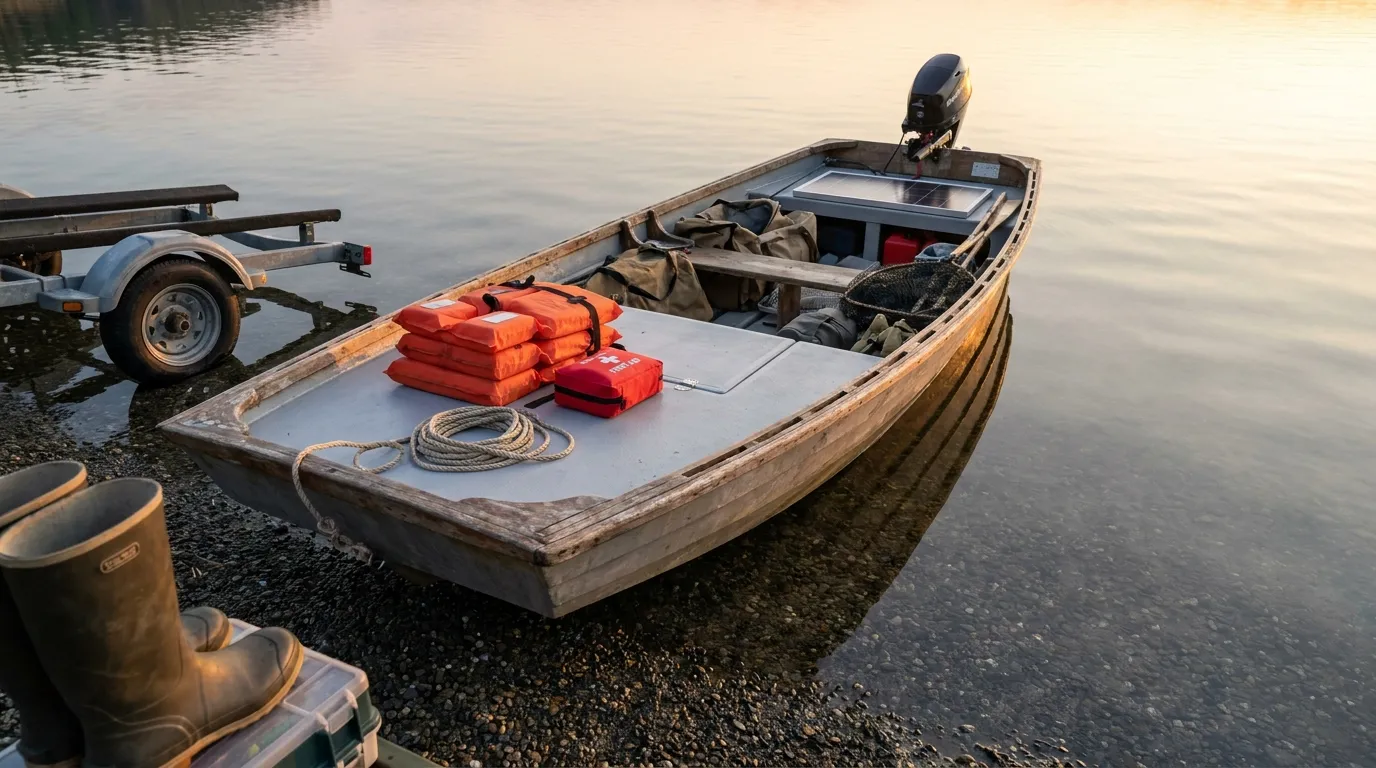
Lightweight aluminum boats deserve a place in the conversation too. They are not flashy, but they remain one of the most practical eco-friendly options for 2026. Their lighter hulls need less horsepower to perform well, which helps cut fuel use. Trailering is easier, and upkeep is usually simpler too. For many owners, that is the most realistic path to more sustainable fishing because it lowers emissions without requiring a complete switch to newer technology.
Fishing catamarans are also gaining ground. On longer coastal runs, cat hulls can improve stability while also helping efficiency. They are not always inexpensive, but they can still be a smart choice for owners who want more deck space and the chance for better fuel economy over time.
Key Features to Look for Before You Buy
A boat is not sustainable just because the brochure says it is. Buyers need to look past the marketing and pay attention to the systems that shape everyday use. Propulsion comes first. How much range will you actually get under load, in wind, and with fishing gear on board? Battery claims made in perfect conditions can sound impressive, but real fishing days are rarely perfect (not even close).
Hull efficiency deserves a careful look too. A well-designed hull can save more energy than many owners realize. Narrower profiles help, and less drag helps too. Lighter materials can also make a real difference (it adds up fast). Then there is onboard power management. In 2026, smart displays, battery monitors, and efficient wiring all matter. They cut waste and may help stop breakdowns. For more on future-ready onboard power, we covered that here: Marine Electrical Systems 2026: Adopting Next-Gen Power Innovations for Small Boats.
A few practical buying checks can help:
Check these systems closely
- Battery chemistry and replacement cost
- Charging time at home, at the dock, or with a solar-assisted setup
- Corrosion protection for wiring
- Connectors, bilge, and pump efficiency so you don’t waste battery power
- Hull material and the repair cost you can expect
- Availability of parts and service support
This is where people often make mistakes. Some buyers look only at top speed, while others miss how much electronics, livewells, pumps, and fish finders pull from the battery bank. That part is easy to miss.
A greener boat setup usually works better when the full electrical system is planned as one system, not piece by piece or by adding one part at a time. Looking at everything together helps avoid wasted power and expensive surprises later.
Real-World Use: Matching the Boat to Your Sustainable Fishing Style
The best eco-friendly fishing boat for a weekend bass angler will not be the best fit for a commercial inshore operator. A lot of bad buying choices start there. Sustainable fishing usually works better when the boat really fits the trips you take most often.
On short freshwater runs, an electric skiff or compact fishing boat may be all you need. Owners in that group usually get more from lower running costs, easy charging, and quiet handling on the water. In marshes and bays, a hybrid bay boat can be a better fit. It handles efficient low-speed work well and still gives enough range if the weather changes or the run back to the ramp ends up longer than planned.
Lightweight aluminum hulls still deserve real attention for utility use, guides, and owners watching cost. They are easy to trailer and easy to clean. Repairs are usually simple too. They also work well with smaller outboards or electric trolling systems, which may help cut total fuel use. For offshore trips or larger coastal water, a fuel-efficient catamaran may be the better option. A modern deep-V hull with better weight distribution and lean-burn engine tuning can be a smart choice too.
A better way to choose is to measure the average day, not the biggest dream trip. If 80 percent of outings are short and local, pick a boat that does that job well. That keeps sustainable fishing practical instead of making it frustrating.
Maintenance Matters More Than Marketing
Even the most advanced 2026 eco-friendly fishing boat loses its edge if maintenance gets skipped. A dirty hull adds drag, weak batteries cut safe range, and poor wiring creates resistance that wastes energy. On any boat, small problems add up fast, and electric or hybrid setups usually feel those losses even more.
A lot of owners can improve performance without buying a brand-new hull. Keeping propellers clean, checking battery health, sealing electrical connections, reducing extra onboard weight, and using efficient bilge pumps all help support more sustainable fishing. It’s simple work, but it adds up. Good maintenance also helps extend service life, which is one of the more missed environmental benefits in boating. Keeping a boat running well for years is greener than replacing it too soon, and it usually costs less too.
That also makes practical upkeep content and suppliers more useful than they may seem at first. Resources from First Choice Marine fit naturally with this shift because owners need reliable parts, battery-related gear, engine care items, and fixes for onboard systems to keep efficient boats running with clean propellers, healthy batteries, and sealed electrical connections. We covered the broader upkeep side here: Sustainable Boating: Eco-Friendly Maintenance for 2026.
Trends Shaping 2026 Eco-Friendly Fishing Boats
Several trends are moving this category forward. Battery density keeps improving, which means smaller boats can go farther without adding too much extra weight. Charging systems are getting better too, and that matters in real use because they’re easier to check from a phone or right on the helm display. Hull builders are testing lighter composites as well, and some are also using recycled materials in the build.
Electronics now play a bigger role in the greener side of boating. Better route planning and more accurate fish finders can cut wasted travel, while spot-lock style positioning reduces unnecessary idling. Even smaller upgrades help in real use. Efficient lighting and better power distribution, for example, can extend battery life during a day on the water, and that can make a clear difference.
There’s also a cultural shift behind all this. More anglers care about quiet operation, protecting shorelines, and getting access to waterways with stricter environmental rules. Boat makers are responding because that demand is clearly there. Sustainable fishing is no longer off to the side of the market. It’s becoming a normal part of mainstream boat design.
How to Build a More Sustainable Setup Without Buying New
Not every reader is shopping for a new boat this year, and that’s totally fine. A smart retrofit plan can still move a fishing setup in a more sustainable direction, and it does not need to be complicated. Focus on the upgrades that make the biggest difference first. Replace old batteries with newer, more efficient options if the system supports them. A more efficient trolling motor can help too. It also makes sense to clean and tune the outboard so it burns fuel the way it should. Cutting extra gear weight helps, and so does checking the prop to make sure the boat is running in the right RPM range.
A practical upgrade path looks like this:
- Improve battery storage and charging
- Add more efficient onboard electronics
- Switch to LED lighting
- Keep pumps, wiring, and connectors in good shape
- Use the right propeller, and also reduce drag
- Plan routes and fishing patterns to limit wasted run time
Taken together, these upgrades can cut fuel use, improve reliability, and make a current fishing boat feel a lot more modern, often in ways owners notice quickly. For anyone chasing 2026 eco-friendly performance without paying for a full replacement, that is a good place to start. For more ideas, see Fishing Boats 2026: Smart Connectivity & Advanced Tech, which explores innovations that complement sustainable fishing upgrades.
Frequently Asked Questions
What is the best boat type for sustainable fishing in 2026?
For many anglers, the best choice is a small electric skiff or a lightweight aluminum fishing boat with an efficient trolling setup. The right answer depends on your range, water type, and budget. Short local trips favor electric power, while mixed-use trips may favor hybrid or highly efficient gas boats.
Are electric fishing boats practical for everyday anglers?
Yes, especially for lakes, rivers, and protected inshore water. They are quiet, simple to run, and can cost less to operate over time. The main limit is range, so buyers should match the boat to their real trip length.
Is a hybrid fishing boat better than a fully electric one?
It can be, if you need flexibility. Hybrid boats work well for anglers who want quiet low-speed operation but still need longer range and quick refueling. Fully electric boats are often better for shorter, predictable trips.
How can I make my current boat more eco-friendly?
Focus on maintenance and efficiency first. Keep the hull clean, reduce extra weight, maintain the engine or motor, upgrade old wiring, and use efficient batteries and electronics. Even small improvements can support more sustainable fishing.
Do eco-friendly fishing boats cost more to maintain?
Not always. Some systems, especially electric propulsion, can reduce routine fuel-related maintenance. But battery care, charging equipment, and electrical system protection become more important, so owners should budget for those needs.
The Smart Way to Fish Greener This Year
The best eco-friendly boats for 2026 don’t all look or work the same, and for buyers, that’s actually a good thing. Some people need a quiet electric skiff for short trips, while others are better off with a hybrid bay boat, a lightweight aluminum workhorse, or a fuel-efficient catamaran. Sustainable fishing options are more practical now than they used to be, which gives people more real choices instead of one limited path. What matters most is picking a boat that matches the water you fish, the distance you usually cover, and the level of maintenance you can honestly keep up with.
The main point from this guide is pretty straightforward: sustainability on the water isn’t only about having the newest tech. It also comes from better everyday choices that reduce waste, improve efficiency, and help the boat and its systems last longer, which can also mean fewer problems over time. Before comparing 2026 eco-friendly features, it helps to take a close look at how you already fish. From there, it gets easier to match the right setup to your needs and choose a fishing boat that fits both your routine and the water you rely on.
