


Outboard motors end up being the main workhorse on most boats today. When they’re running well, time on the water feels smooth and relaxed, which is usually why people go boating in the first place. When they’re not, trips get cut short and repair bills stack up quickly. That gap is why outboard maintenance matters so much in 2026. Motors are more powerful now and rely heavily on electronics, which means upkeep has to be more accurate and mistakes cost more. And replacing an outboard is far more expensive than it used to be, which is hard to ignore.
For weekend anglers, charter crews, or anyone managing more than one boat, good motor care protects both time and money. Simple habits help engines start faster and use fuel more efficiently over time. Skip the basics, and small problems often turn into breakdowns that could have been avoided. Annoying. And costly.
Instead of making things complicated, this guide breaks outboard maintenance down into clear, easy steps. You’ll learn what to check, when service really matters, how newer tech changes care, and which common mistakes lead to those short trips and growing repair bills.
Why Regular Outboard Maintenance Matters More in 2026
Outboards now power most new boats sold in the United States, with four‑stroke engines clearly leading the way. That’s worth noting because these motors usually run quieter and help save fuel, which is great, especially on long days on the water. Still, they rely on regular care to keep running well. Quiet and efficient doesn’t mean low‑maintenance. Oil quality, proper cooling, and clean fuel all matter, and in many cases they matter more now than they used to.
What’s changed is scale. The industry keeps seeing growth in outboard use, along with a shift toward bigger engines. Bigger motors often run hotter and carry more strain over time, so small service problems can turn into real headaches fast, sometimes without warning. Skipping routine work can also hurt resale value and make reliability a gamble. These risks stack up faster than many owners expect.
| Metric | Value | Year |
|---|---|---|
| Global outboard engine market | USD 5.82 billion | 2026 |
| New US powerboats using outboards | About 80% | 2024 |
| Four-stroke outboard usage | Over 60% | 2025 |
Industry leaders generally agree that regular upkeep helps engines run strong over the long haul, and that often leads to fewer breakdowns.
If you go back in time, you would see inboard and sterndrives with a lot of share in salt water, but that changed a couple of decades ago due to the viability of outboards.
Core Outboard Maintenance Tasks You Should Never Skip
Every outboard follows a simple service rhythm, usually landing around the 100-hour or once-a-year point. Most mechanics stick to that schedule because it actually works day to day. Even engines that don’t see much use still benefit from a yearly check to stay reliable. When maintenance gets skipped, small problems often grow into expensive ones later. That’s rarely worth the risk, and there aren’t any real shortcuts.
Oil and filters should be handled early. Four-stroke engines rely on clean oil to keep internal parts from grinding against each other. As oil ages, it loses its ability to protect and can trap moisture where it doesn’t belong, which often leads to issues. Not ideal. Sticking to the oil change schedule and replacing the filter at the same time helps everything work smoothly together.
Next is the gearcase. Lower unit oil keeps gears cool and reduces wear. If the oil looks milky, water has likely gotten inside. Catching that early can be the difference between a small fix and a costly repair.
Cooling systems need steady attention too. After running in saltwater, flushing with fresh water clears out buildup. The water pump impeller should be checked every two to three years, especially if you run in sandy or shallow areas where wear happens faster.
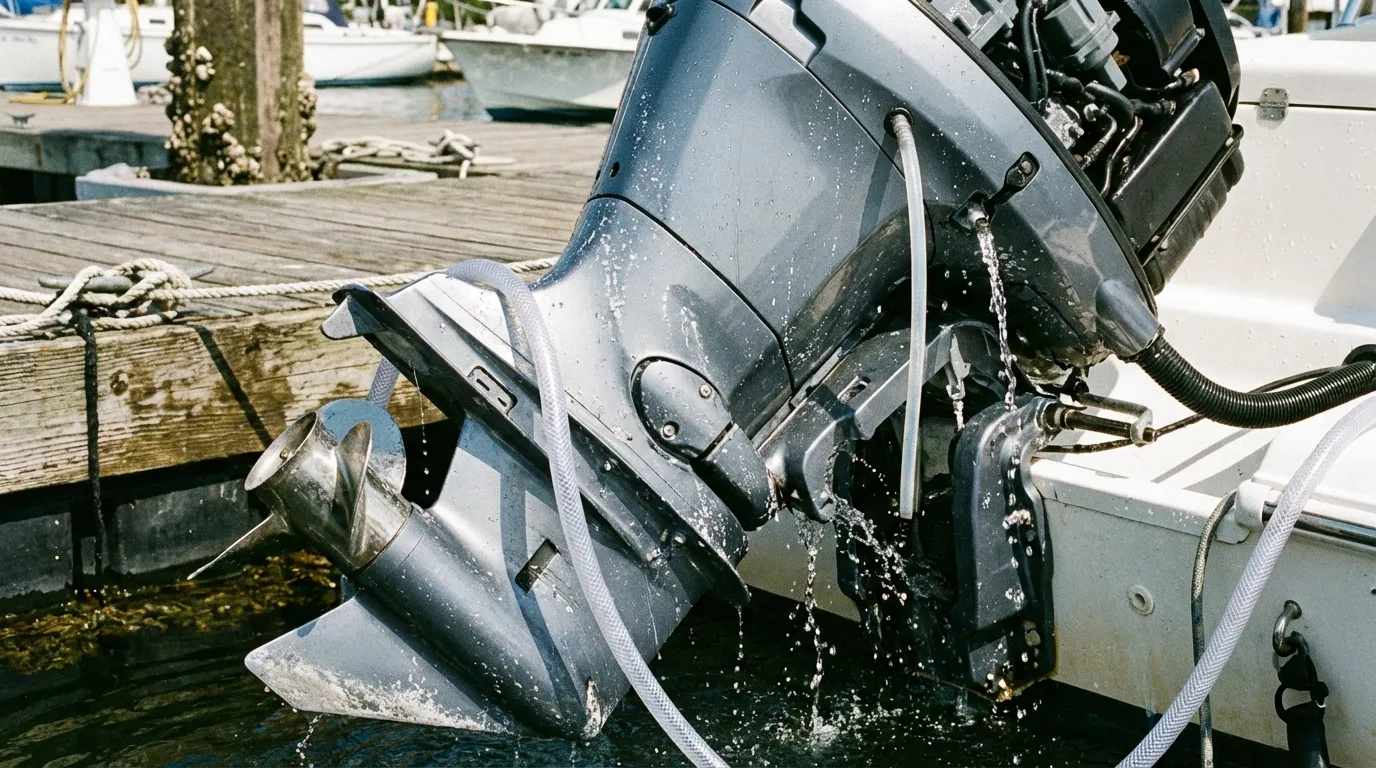
Anodes matter as well. These small metal parts protect the engine from corrosion and often wear down quietly. Checking them regularly and replacing them once wear shows up helps prevent bigger problems.
For a closer look at planning long-term service, this topic is covered in the Ultimate Guide to Outboard Motor Preventive Maintenance 2025.
Fuel, Oil, and Additives: Smart Choices for Motor Care
Fuel causes more outboard problems than many boaters expect. Today’s fuel blends pull in moisture and break down faster over time, even when the fuel still looks okay. Because of this, fuel care often becomes a regular part of outboard maintenance, not just a minor task.
Fresh fuel makes a clear difference. If gas sits for more than a few weeks, especially on boats that don’t get used often, a stabilizer can help. It slows fuel breakdown and cuts down on varnish inside injectors or carbs, which is where issues often begin and slowly build.
Oil choice matters too. Engines tend to last longer when the oil matches the manufacturer’s specs. Cheaper oils can seem appealing, but over time they usually allow more wear. Marine oil is made to handle moisture, heat, short trips, and long periods of storage.
And additives? When used the right way, they can be useful. Some clean injectors, while others protect metal parts during storage, most often over winter. They work best when directions are followed closely, since adding extra doesn’t help.
Regardless of what brand-name manufacturer you choose, the life expectancy of any internal combustion engine will greatly rely upon the quality and timeliness of its routine maintenance.
Good fuel habits also make troubleshooting easier. A clean system helps real problems stand out, like hard starting after storage. If that happens, it’s covered in the 2025 Outboard Motor Troubleshooting Guide: Fix Issues Fast.
Electronics, Diagnostics, and Predictive Maintenance Trends
Outboards in 2026 are smarter than ever, and not just as a buzzword. Many engines now track temperature, oil pressure, and fault codes almost all the time. This kind of monitoring often helps catch problems early, before a small issue turns into a much bigger headache later.
Digital gauges and engine apps are no longer limited to dealers. During normal use, owners can see alerts and long-term trends, whether they’re idling at the dock or running offshore for a few hours, the dull parts and the fun ones. If a temperature starts climbing or a low-voltage warning shows up, there’s usually time to respond before real damage sets in.
The NMMA technical education team often points out that clean electrical connections matter just as much as mechanical parts. Corrosion on battery cables or sensors can set off false alarms or even cause shutdowns that seem to come out of nowhere.
Common mistakes include ignoring warning lights or clearing codes without fixing the real cause. That choice often hides real problems. Why take the chance? Even if the engine still runs fine, alerts are worth checking out. It still matters, at least to me.

Knowing how diagnostics fit into regular care helps owners stay ahead. Predictive tools don’t replace maintenance; they support it and make patterns easier to see, like repeat voltage drops after long offshore runs.
For even more about predictive care and service tracking, see the Ultimate Guide to Outboard Motor Preventive Maintenance Programs for 2026.
Storage, Seasonal Care, and Corrosion Protection
Storage is where engines often take the most damage. Moisture finds its way in, fuel goes stale, and long idle periods usually cause more problems than people expect, even a few quiet weeks can add up. Whether it’s winter storage or a short break between trips, prep still makes a big difference.
Fuel stabilizer is a solid first step, but it only works if you run the engine so the treated fuel moves through the system. Changing the oil before storage also helps, since old oil can leave acids behind that cause issues later, even though this step is easy to skip. For longer downtime, fogging oil helps protect internal parts, especially when months go by without use.
Corrosion doesn’t wait for a certain season, especially in saltwater. Regular rinsing, quick paint touch‑ups, and using the right anodes usually help reduce damage over time.
Indoor storage lowers the risk. Outdoor storage can still work, but airflow matters, since trapped moisture often leads to trouble.
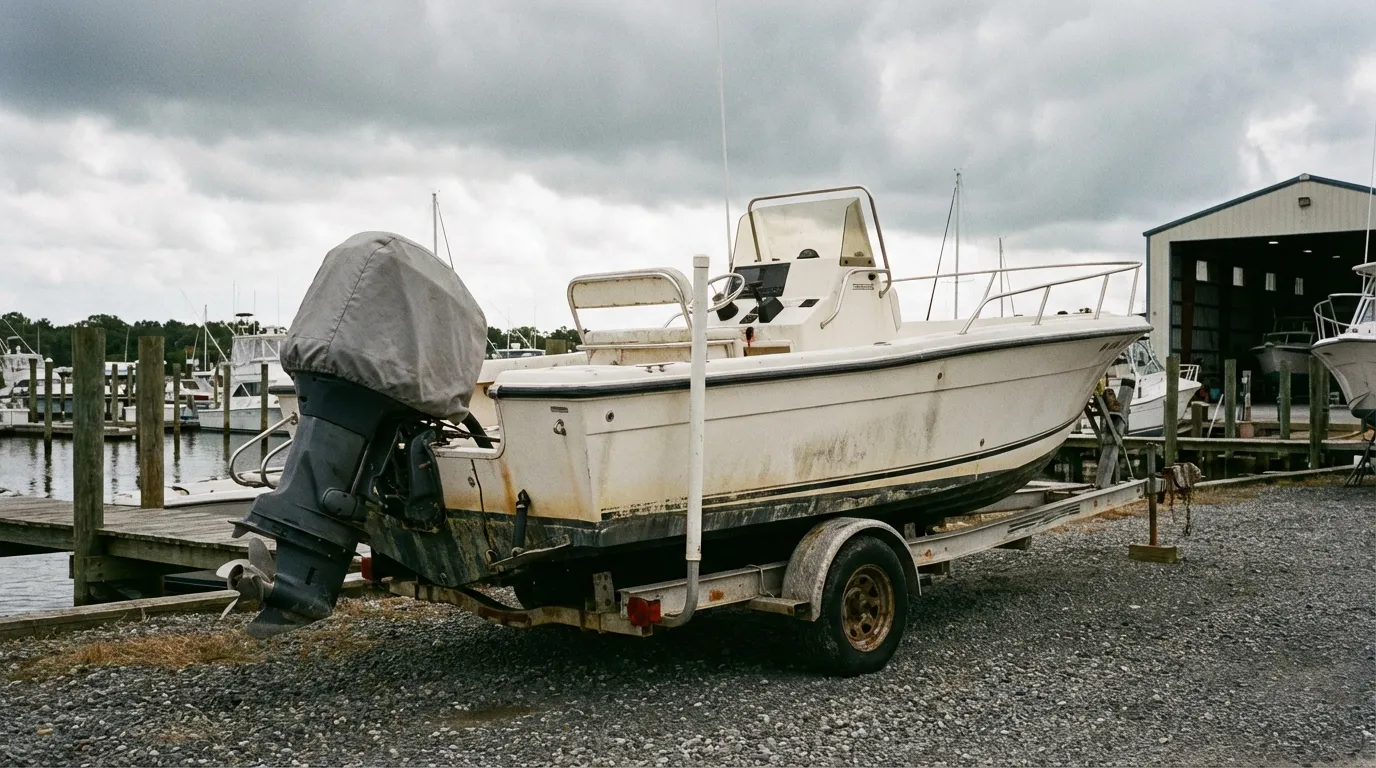
Seasonal checklists help many owners keep a steady routine instead of guessing each year, and that usually pays off down the road.
Commonly Asked Questions Here
How often should I service my outboard motor?
Most outboards need service every 100 hours or once a year. Even lightly used engines should still get checked for corrosion, wear, and fuel issues. These problems are often small, but they’re not something you should skip.
So yes, especially in saltwater, where buildup happens fast. Flushing removes salt and grit from cooling passages, and it often helps the engine last longer. It’s simple, easy to forget, and usually worth doing after trips.
Do fuel additives really help outboard motors?
Often, yes, if you use them the right way. Stabilizers protect fuel while it sits, and detergents help keep injectors clean. Issues can start when too much is added or different products are mixed.
Can I do my own outboard maintenance?
Many tasks, like oil changes and anode checks, are usually DIY‑friendly and pretty simple. More involved diagnostics or internal repairs, in my view, are better left to professionals, especially if you’re not sure.
Odd noises or rough starts can point to early problems before real damage. The biggest mistake, in my view, is ignoring small warnings (those little clues) that usually need attention.
Keep Your Outboard Ready for Every Trip
Staying ahead of outboard issues usually pays off, and in 2026 that feels clearer than ever. Engines tend to treat owners well when small problems are handled early instead of waiting for bigger trouble. That approach often helps with safety and resale value at the same time. Outboard maintenance also doesn’t need to feel heavy or time‑consuming. Simple habits can add up quickly once they become part of your routine. For me, the effort makes sense.
So where should you start? A helpful first step is setting service intervals based on how you actually use the engine, not just the calendar. Using quality fuel and oil that meet manufacturer specs usually matters more than brand hype over a full season. Flushing and checking the engine after runs, especially in saltwater, can head off unexpected issues. And if your engine gives digital alerts, it makes sense to pay attention to them early.
Parts and supplies matter too. Many owners turn to established marine retailers like https://www.firstchoicemarine.com/ for engine‑specific parts, practical tools, and clear answers. Keeping the right impeller or filter on hand can turn a long delay into a quick afternoon fix.
For further step-by-step recommendations, check the Outboard Motor Maintenance: Preventive Checklist 2026 for a complete annual service breakdown.
