


Last Updated: November 12, 2026
Quick Summary
A marine electrical system upgrade cost depends on scope, not a single headline number, because hardware and labor are priced separately. Labor and installation can run 15%-50% of hardware price depending on system complexity and vessel configuration.
- Write the upgrade scope down before requesting quotes so they stay comparable.
- Labor and installation can run 15%-50% of hardware price, depending on complexity.
- Rewiring is usually the largest variable, and hidden work can add more time than the new wire.
- Inspect for corrosion and heat-darkened terminals before finalizing any budget.
- Compare only quotes that cover the same scope, and budget for unexpected work.
Table of Contents
- Why a Single Price Estimate Rarely Holds Up
- Defining the Scope of Your Electrical System Upgrade
- Boat Rewiring Cost: Materials, Labor and Hidden Work
- Marine Battery Replacement Cost and Charging Equipment
- 12V Battery Terminal Types and Why They Matter for Upgrades
- Marine Electrical System Inspection Before You Price the Job
- Building Your Upgrade Budget and Next Steps
- Frequently Asked Questions
Why a Single Price Estimate Rarely Holds Up
Most owners start with one number in mind, and it is almost always too low. At First Choice Marine, we see the same pattern repeatedly: a marine electrical system upgrade cost estimate gets treated as a fixed price, then grows once the real scope becomes clear. Installation labor and hardware are separate costs, and both depend on the vessel.
Marine electronics installation estimates increasingly separate equipment cost from labor and vessel-specific complexity. A 2026 installation guide from Marine Electronics Installation Cost Guide 2026 puts labor and installation at 15%-50% of hardware price, depending on system complexity and vessel configuration. That is a wide range, and it explains why a single headline figure rarely holds up. That same split between hardware and vessel-specific labor matters when comparing marine upgrades with Lithos Battery installations, where the work required to fit a system can be as important to the budget as the equipment itself.
A single headline estimate may not reflect the true scope of a boat electrical upgrade. A marine electrical service provider notes that upgrades often take longer and cost more than owners expect, which is why defining project scope comes before comparing quotes (Marine Craft NC, "Why Does an Electrical Upgrade on a Boat Take So Long and Cost So Much?").
Defining the Scope of Your Electrical System Upgrade
Start by listing what the upgrade must do. A battery charger, a new breaker panel and a rewired helm are three separate jobs, each with its own parts and labor.
Write the scope down before you request quotes. Include the battery bank, charging sources, circuit protection, and any electronics that need new power feeds. This keeps quotes comparable.
Be specific about the vessel's age and layout. Older boats often hide corroded connections and undersized wire, which add hours to the job.
Boat Rewiring Cost: Materials, Labor and Hidden Work
Rewiring is usually the largest variable. Wire, terminals, heat-shrink, and conduit make up the materials, while labor covers pulling new runs through tight spaces.
Tinned copper wire costs more than bare copper, but it resists corrosion in a marine environment. Whether that premium is worth it depends on how the boat is used and stored. Our guide on is tinned copper wire worth the extra cost for boats walks through the trade-off.
Buy marine-grade wire for any job that will be exposed to water. Our article on how to buy marine grade electrical wiring online covers what to check before you order.
Hidden work is where budgets break. Removing old wiring, repairing panels behind trim, and retesting circuits can add more time than the new wire itself.
Marine Battery Replacement Cost and Charging Equipment
Batteries and chargers often change together. A new charger may not suit an old battery bank, so plan both at once.
Deep cycle batteries are the usual choice for house banks. Expect replacement intervals to depend on use and charging habits. Our article on how many years a deep cycle marine battery should last helps you judge when replacement makes sense.
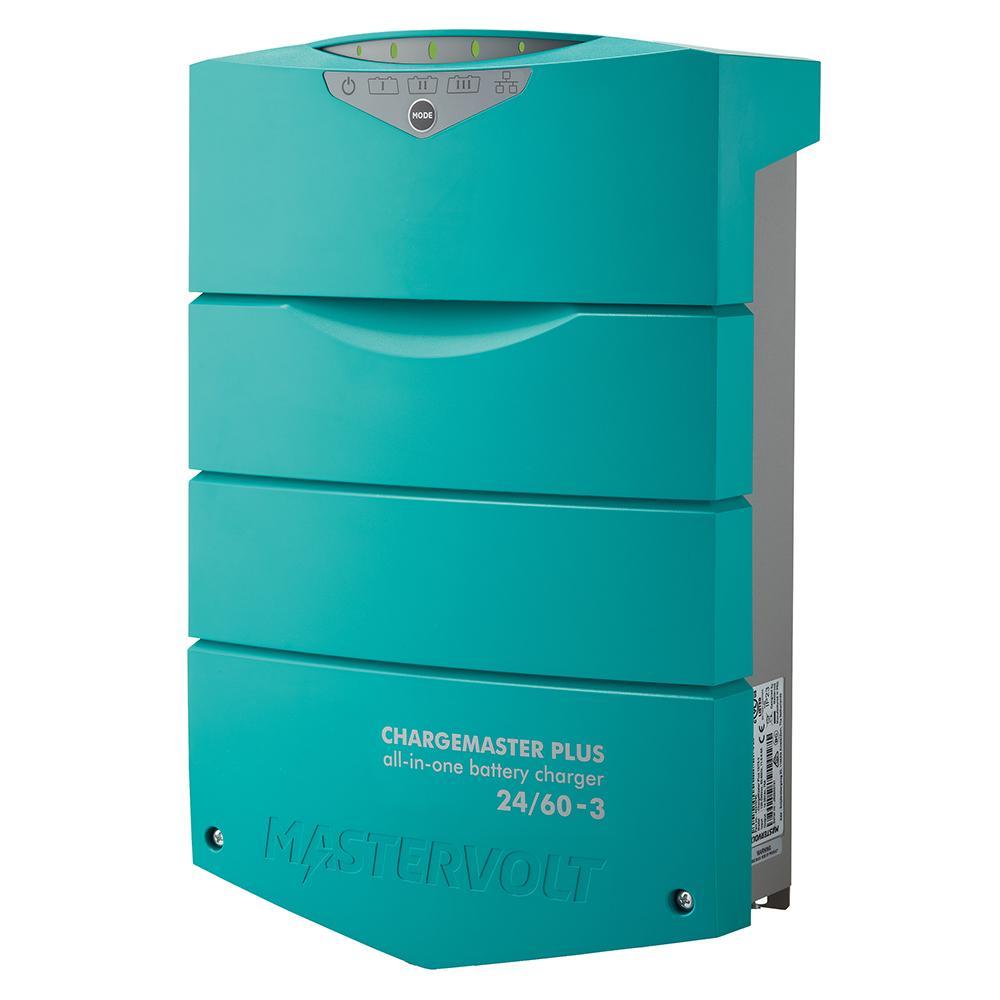
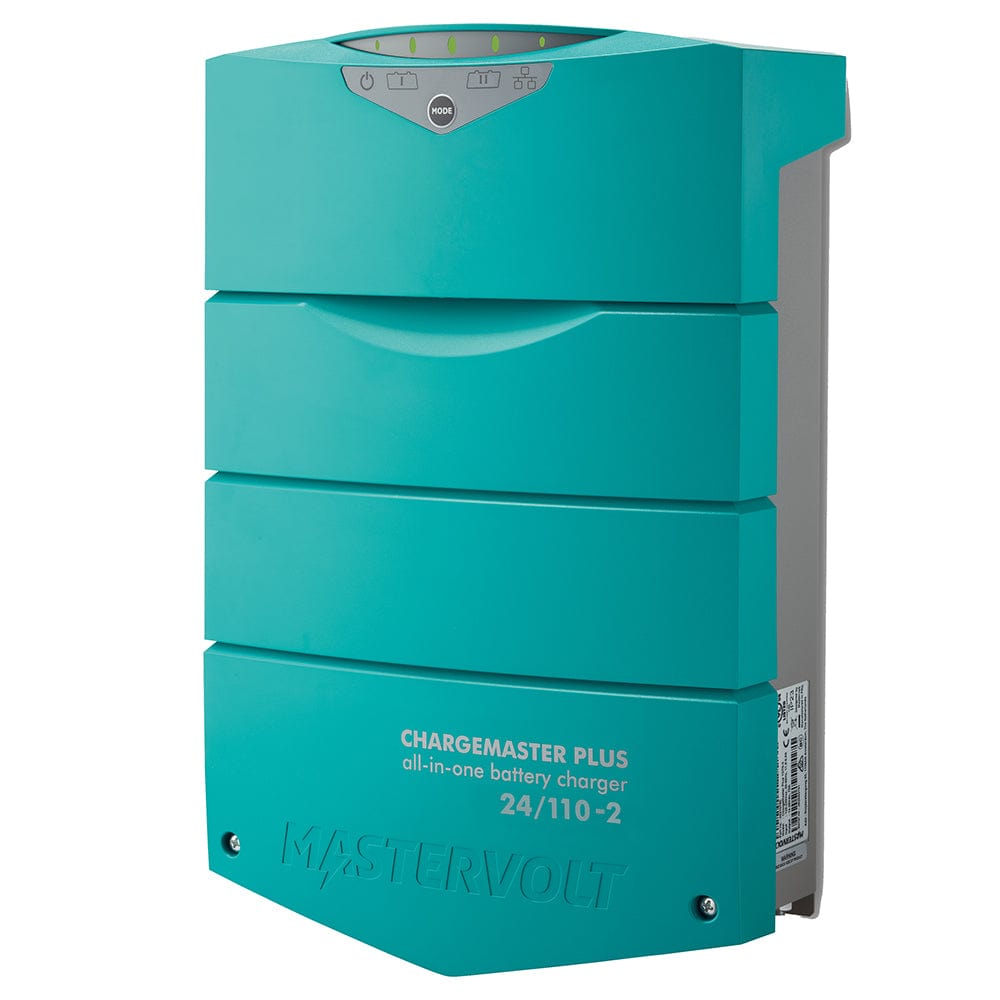
For charging, a multi-bank unit such as the Mastervolt Chargemaster Plus 24V 60A 3-Bank NMEA2000 #44320605 is priced at $1,981.99 and is designed to charge several battery chemistries. For larger systems, the Mastervolt ChargeMaster 24V 100A 2-Bank #44321105 is listed at $3,622.99.
12V Battery Terminal Types and Why They Matter for Upgrades
Terminal type affects both connection quality and how easily the system can be serviced. Corroded terminals cause voltage drop and can strand a boat on the water.
Match the terminal style to the cable and post. Clean, tight connections matter more than the brand. If you are replacing terminals during an upgrade, the Ancor Battery Terminal Set 1 1 260325 is designed for that job.
Marine Electrical System Inspection Before You Price the Job
Inspect the existing system before you finalize any budget. Look for green or white corrosion, heat-darkened terminals, and loose connections at the battery and breaker panel.
Clean what you find. The Ancor Battery Terminal Cleaner 700103 helps prepare existing hardware so you can see what actually needs replacing.
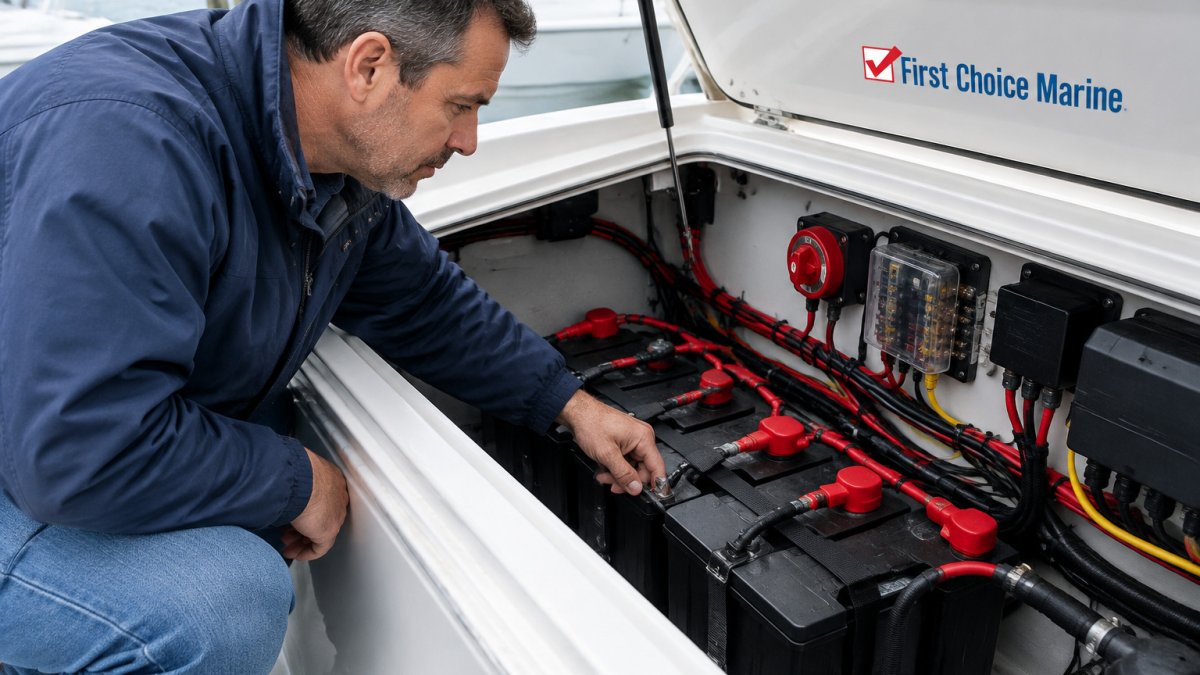
Document everything with photos and a short list. This record helps you compare quotes against the same scope.
Before you finalize a budget, the existing system should be checked for the problems that most often change the cost of the job.
| Check | What to look for | Action |
|---|---|---|
| Battery terminals | Green or white corrosion | Clean the terminals before pricing |
| Terminals and connections | Heat-darkened or loose connections | Note them for replacement |
| Breaker panel | Loose connections at the panel | Note them in your documentation |
| Documentation | Photos and a short list | Compare quotes against the same scope |
Building Your Upgrade Budget and Next Steps
Add up the hardware and the labor, and leave room in the budget for hidden work. Compare quotes only when they cover the same scope.
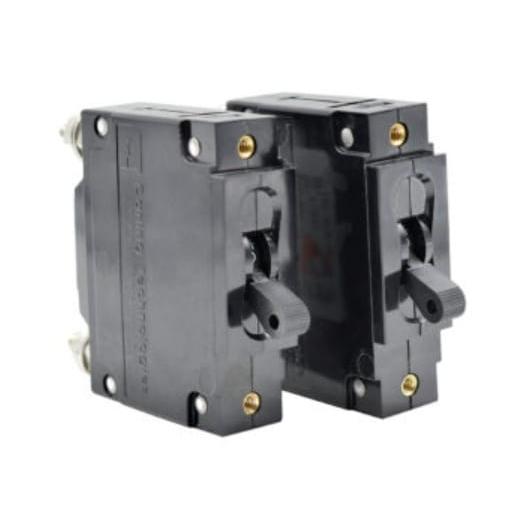
Protect the circuits with proper breakers. The Newmar 50A Single Breaker Black #088-0501-2 is listed at $106.56 and is UL recognized and CSA listed for AC and DC systems.
Start with a written scope, get itemized quotes, and budget for the unexpected. First Choice Marine can help you pick the right components for the job.
Frequently Asked Questions
How much does it cost to upgrade a boat's electrical system?
Costs vary widely with vessel size, system complexity and whether you do the work yourself. Installation labor is a separate cost from hardware and varies with system complexity and vessel configuration, . Because a single headline number may not reflect the real scope, start by listing every circuit, battery and charger you plan to change, then price each part and labor item separately. Compare estimates only when they cover the same scope.
What factors affect the cost of a marine electrical system upgrade?
The main drivers are the size of the system, the age and condition of existing wiring, the number of circuits being replaced, the type of batteries and chargers chosen, and how much access the installer has to tight spaces. Vessel configuration also matters, since routing new cable through an older hull is slower than working in an open layout. Marine electrical work often reveals hidden corrosion or undersized conductors, which can add time and cost once the job starts. Scoping these items before you order parts helps you avoid surprises.
Can I upgrade a boat's electrical system myself?
Many owners handle simple tasks such as replacing a battery, swapping a battery switch or installing a new charger. Larger rewiring projects demand more planning, correct conductor sizing and attention to circuit protection, which is why some owners bring in a professional for the main runs. Before starting, confirm that the replacement breakers, terminals and cable match the existing system, and test each circuit as you finish it. A conservative approach is to DIY the low-risk items and outsource the work that changes your overall system layout.
Are marine battery terminals different from automotive terminals?
Marine terminals are generally built to resist saltwater corrosion and vibration better than standard automotive terminals. Many boat owners choose tinned copper or marine-grade lugs with proper sealing, because corroded connections can cause voltage drop and starting problems. When pricing an upgrade, include replacement terminals and heat-shrink or sealant as part of the materials list rather than treating them as an afterthought.

