


Last Updated: October 26, 2026
Quick Summary
Is tinned copper wire worth the extra cost for boats? Yes, when installed on long runs in wet, salty, or hard-to-access locations where replacement labor is expensive. The tin coating resists corrosion from saltwater, battery acid, and UV radiation, justifying the approximately 30% price premium through reduced maintenance and downtime.
- Tinned copper wire resists salt water, battery acid, oil, gasoline, and UV radiation better than bare copper
- Marine wiring standards UL 1426 and ABYC specifications require tinned copper for boat electrical systems
- The price premium between tinned and bare copper remains stable at around 30% despite market fluctuations
- Tinned copper stays flexible in extreme cold and offers superior solderability
- The tin premium is hardest to justify on short, dry, accessible runs where replacement is cheap and quick
Table of Contents
- Tinned Copper Wire vs Bare Copper: Understanding the Price Difference
- How Boat Wiring Corrosion Resistance Affects Long-Term Value
- Electrical Performance and Conductivity in Marine Environments
- Choosing the Right Marine Wire Gauge Chart for Your Application
- Marine Wiring Best Practices and Installation Standards
- Total Cost of Ownership: When Tinned Wire Pays for Itself
- Selecting Marine-Grade Wire for Your Boat Repair Project
- Frequently Asked Questions
Tinned Copper Wire vs Bare Copper: Understanding the Price Difference
Is tinned copper wire worth the extra cost for your boat's electrical system? The answer depends on where you're installing it and how long you expect it to last. Tinned copper wire offers protection against corrosion, better solderability, and flexibility in extreme cold.
The tinned copper wire market was valued at $0.49 billion in 2026 and is projected to reach $0.75 billion by 2035, according to Business Research Insights market analysis. This growth reflects increasing demand from marine and automotive industries where corrosion resistance is non-negotiable. The price premium exists because tin coating adds manufacturing complexity and material cost, but for boats operating in saltwater or humid conditions, that extra expense often pays dividends.
The tin coating on tinned copper wire helps protect the copper from corrosive elements.
How Boat Wiring Corrosion Resistance Affects Long-Term Value
Tinned copper wire is described as resisting corrosion.
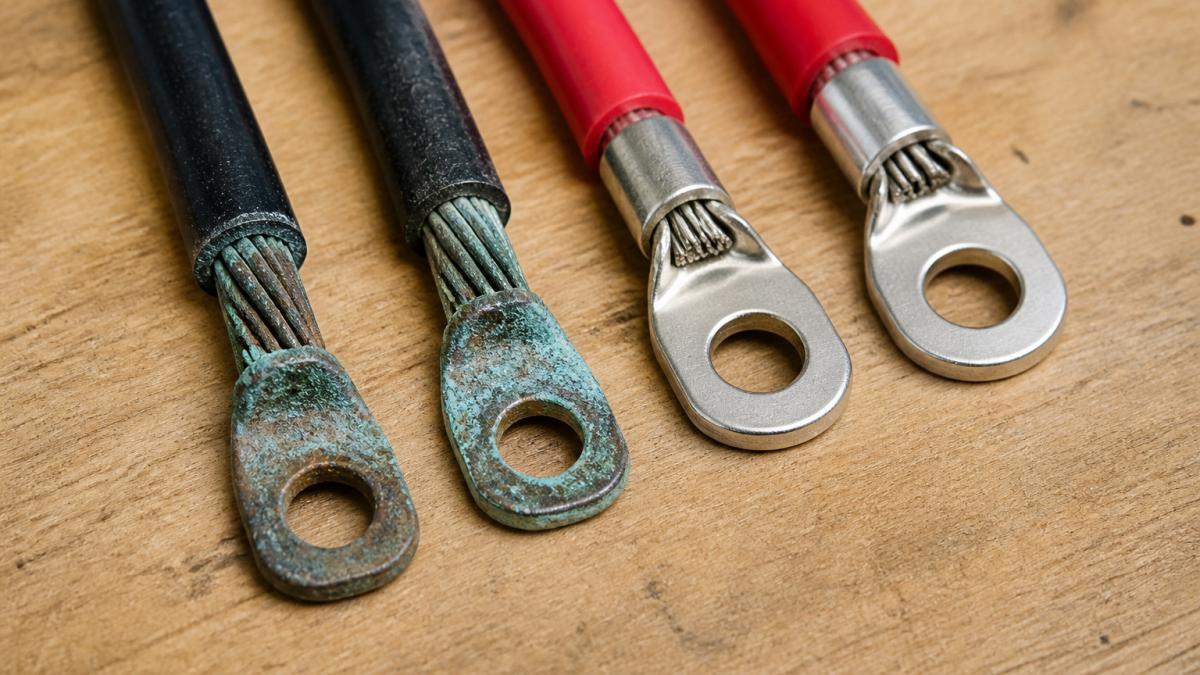
Tinned copper resists this process because the tin coating prevents oxygen and moisture from reaching the underlying copper. According to Cable-World's comparison of tinned versus bare copper wire, the tin coating provides superior protection against salt water, battery acid, oil, gasoline, and UV radiation. This is why marine wiring standards like UL 1426 and ABYC specifications require tinned copper for boat electrical systems.
Electrical Performance and Conductivity in Marine Environments
Copper wire prices rose 5.30% in the second quarter of 2026, according to Gordian's copper price update. This affects both tinned and bare copper, but the price gap between them remains relatively stable at around 30%. As raw material costs fluctuate, the percentage premium stays consistent.
Choosing the Right Marine Wire Gauge Chart for Your Application
| Wire Gauge (AWG) | Amperage (10 ft) | Amperage (25 ft) | Best Use | Tinned Copper Price |
|---|---|---|---|---|
| 16 | 10 | 8 | Signal circuits, gauges | $9.58 per 25' |
| 14 | 25 | 15 | Navigation lights, cabin lighting | $47.99 per 100' |
| 4 | 100+ | 70+ | Battery connections | $38-$50 per 36" |
Marine Wiring Best Practices and Installation Standards
Testing is part of best practice too. Use a multimeter to verify continuity and check for voltage drop under load. A healthy circuit shows minimal drop across connections. Rising voltage drop signals corrosion or loose connections, catch it early and replace the offending section before it fails.
Seachoice 14 AWG Marine Wire Red 100' #63104 →
Total Cost of Ownership: When Tinned Wire Pays for Itself
The honest summary is that tinned copper is not automatically worth the extra cost. It is worth it when the premium is small relative to the labor and downtime it avoids, which is most often true on long runs in wet, salty, or hard-to-access locations. Run the four-input model on your own project before you decide, and let the replacement cycles, not the shelf price, make the call.
Selecting Marine-Grade Wire for Your Boat Repair Project
The Seachoice 14 AWG Marine Wire Red 100' #63104 meets UL 1426 and ABYC standards, stays flexible even in extreme cold, and resists salt water, battery acid, oil, and UV radiation. It qualifies for free shipping and is listed at $47.99.

The Cobra Wire & Cable 4 AWG Red 36" SAE Battery Cable #A2004T-01-36 is tinned copper and is designed to meet or exceed test requirements called for by Underwriters Laboratories and the National Electric Code. It is listed at $50.10.

Frequently Asked Questions
Does tinned copper wire resist corrosion better than bare copper?
The Seachoice marine wire listing states that the wire resists salt water and battery acid.
Is tinned copper wire worth the extra cost for a boat?
The Seachoice 14 AWG Marine Wire Red 100' #63104 is listed at $47.99 and qualifies for free shipping. Its listing describes tinned copper wire that resists salt water and battery acid.
What is the difference between tinned and bare copper wire?
The Seachoice marine wire listing describes tinned copper wire that resists salt water and stays flexible even in extreme cold.
Can you use bare copper wire in a boat?
The Seachoice 14 AWG Marine Wire Red 100' #63104 listing states that the wire meets UL 1426 and ABYC standards and resists salt water.
For boats operating in saltwater or humid conditions, tinned copper wire is worth the extra cost. The corrosion resistance, longer service life, and reduced maintenance make it the right choice for marine electrical systems. First Choice Marine offers marine-grade tinned copper wire in the gauges and sizes you need. Shop our selection of Seachoice and Sea Dog marine wiring, and get your boat's electrical system built to last.

