


Last Updated: November 11, 2026
Quick Summary
A high water bilge alarm is worth it for most boats that are left unattended, because it warns you of rising water while a leak is still small and fixable. It does not stop the leak or remove water, so it works best alongside an automatic bilge pump. Weigh the cost of a flooding event against the modest price of an alarm to decide.
- An alarm warns you of rising water but does not remove it, so it complements a pump rather than replacing one.
- Set the float height above normal pump activity so routine pumping does not trigger false alarms.
- Test the alarm each time you prepare to leave the boat and log the result.
- Boats left on moorings or at remote slips face the longest exposure to slow leaks.
- Confirm your boat's voltage and compartment count before choosing a surface-mount or switch-and-gauge alarm.
Table of Contents
- What a High Water Bilge Alarm Does
- How the Float Switch Detects Rising Water
- Alarm Versus Automatic Pump: What Each One Covers
- When a Bilge Alarm Is Worth the Cost for Your Boat
- Wiring, Placement, and Installation Basics
- Best Practices for Bilge Maintenance Alongside an Alarm
- Choosing the Right Alarm for Your Boat This Season
- Frequently Asked Questions
What a High Water Bilge Alarm Does
A high water bilge alarm is a small monitoring device that sounds a warning when water collects in a boat's bilge beyond a set level. The bilge is the lowest compartment of the hull, where water, oil and debris gather. Most alarms pair a float switch or sensor in the bilge with a panel that gives a visual light and an audible tone at the helm or in the cabin.
The practical value is early warning. A leak from a loose hose, a failed through-hull fitting or a stuck pump can take a boat down while nobody is aboard. An alarm will not stop the leak, but it tells you something is wrong while there is still time to respond.
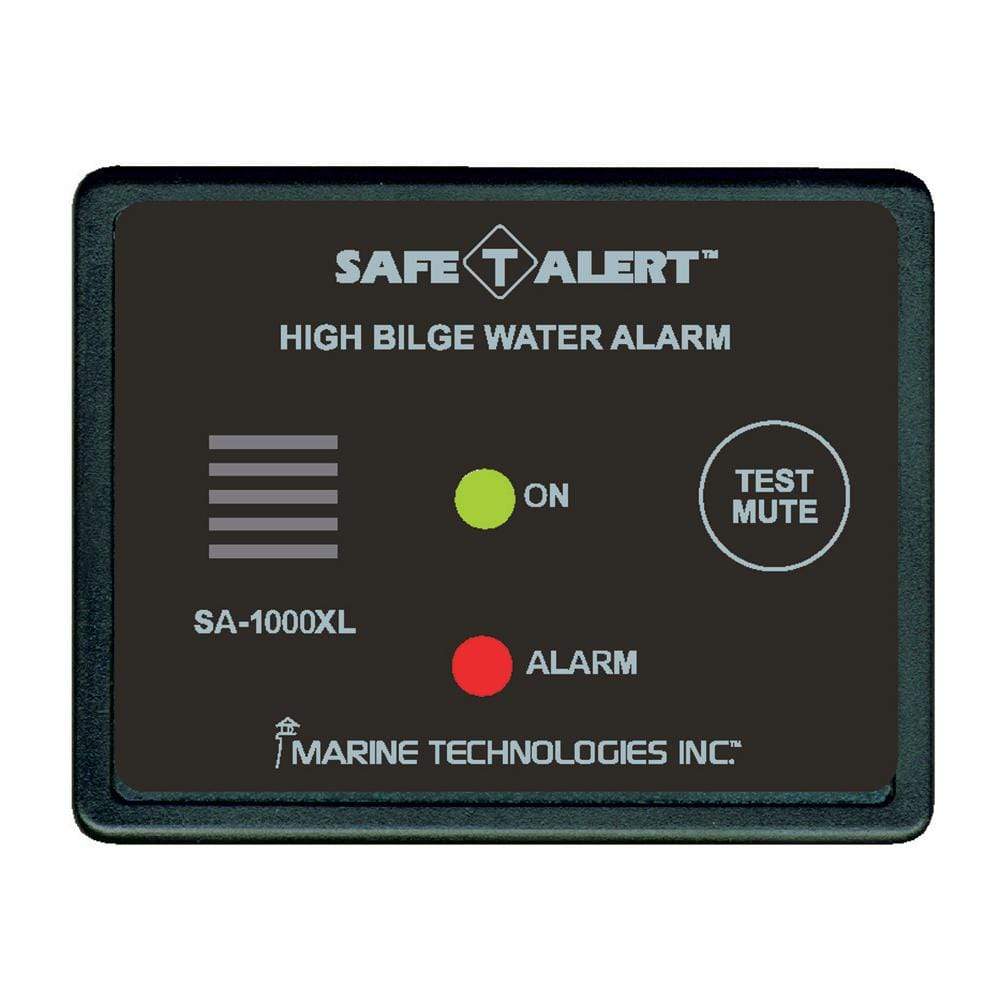
Several products in our catalog are built for this job. The Safe-T-Alert High Water Alarm Surface-Mount #SA-1000XL is a visual and audible unit that mounts at the helm or in the cabin, and it is designed to sound before maximum bilge water conditions are reached. Safe-T-Alert High Water Alarm Surface-Mount SA-1000XL lists its full specifications.
How the Float Switch Detects Rising Water
Most bilge alarms use a float switch. The float rises with the water until it reaches a preset height, closes an electrical contact, and triggers the alarm circuit. Because the sensing is mechanical, the switch does not depend on a pump running or on anyone seeing the water.
Placement matters more than most owners expect. The float has to sit at the level where you want the warning to start, not at the very bottom of the compartment, or the alarm will either sound constantly or miss a slow leak. Keep the float clear of hoses, wiring and bilge debris so it can move freely.
Some alarm models use a microprocessor-controlled sensor instead. The Johnson Pumps Bilge Alert 72303, for example, uses a field-effect sensor and requires water to disrupt the sensor for a set period before it alarms. Check the listing for the exact operating logic before you buy.
Alarm Versus Automatic Pump: What Each One Covers
An alarm and an automatic bilge pump do different jobs. A pump removes water. An alarm tells you water is present. Many boat owners install both, because a pump can fail silently and an alarm can warn you when it does.
A pump alone leaves you exposed if it fails, clogs or runs dry on a stuck float. An alarm alone tells you there is a problem but does nothing about the water itself. Where a boat is left unattended, the combination is the usual recommendation.
If you are adding a second line of defense, our guide How to Install a Secondary Bilge Pump System Step by Step walks through the installation.
The two devices solve different problems, which is why many owners install both.
| Device | What it does | Limitation |
|---|---|---|
| Automatic bilge pump | Removes water from the bilge | Can fail silently or run dry on a stuck float |
| High water alarm | Warns that water is present | Does nothing to remove the water |
| Both together | Removes water and warns if the pump fails | Requires installing and maintaining two systems |
When a Bilge Alarm Is Worth the Cost for Your Boat
Whether an alarm is worth it comes down to comparing a modest, fixed purchase against a loss that can be sudden and large. The useful question is not whether a bilge can flood, since any boat can, but how much a flooding event would cost you and how much earlier warning would reduce that cost.
Start by estimating the damage a bilge flood would cause in your specific boat. Consider the engine and its electrical components, batteries, electronics, upholstery and stored gear, and the hull itself. A boat that sinks at the dock can also trigger salvage, cleanup, and insurance costs that dwarf the price of the alarm. Compare that figure against the price of a basic alarm kit and any installation you would pay for, and the ratio often makes the decision for you.
Next, consider exposure time. The longer the boat is left alone, the more a slow leak can accumulate before anyone notices. A boat that is used daily and is visible from the dock has a short exposure window. A boat on a mooring, on a trailer in the yard, or kept at a remote slip may go many hours or days without human eyes on it. Water that enters overnight from a loose clamp or a cracked hose can cause serious damage long before you return.
Third, weigh the value of early warning itself. An alarm does not stop a leak, but it converts an unknown problem into a known one while there is still time to act. A flooding bilge that is caught at the first alarm may need only a clamp tightened or a pump restarted. The same leak discovered after the batteries are submerged can mean a much larger repair. Early warning is most valuable when the leak is slow, which is exactly the kind of leak that otherwise goes unnoticed.
Finally, check whether your boat falls under a requirement that settles the question. Some alarm listings reference compliance with CFR 182.530 for unmanned spaces on larger commercial vessels. If your boat is covered by a similar requirement, the decision is already made. If it is not, the cost-versus-risk comparison above is the framework to use.
Watch out: an alarm that sounds for a few seconds and then stops, or one you have never tested, gives a false sense of security. Test it on a schedule, not only when you suspect a problem.
Wiring, Placement, and Installation Basics
A reliable installation depends on three things: setting the alarm height correctly, wiring it to a protected circuit, and running a repeatable test. Each step is simple on its own, and the errors that cause false alarms or missed alarms usually come from skipping one of them.
Set the trigger height first. The float or sensor should sit above the level where your bilge pump normally activates, so that routine pump cycling does not trip the alarm. It should sit low enough that the alarm sounds while there is still room to respond before the bilge becomes critical, and well below the level where water would reach the engine, batteries or electrical connections. Watch the bilge for a few days after installation to confirm that normal pump activity stays below the alarm height.
Mount the sensor where it can move freely. Keep the float clear of hoses, wiring, framing, and bilge debris, and secure the cable so it cannot snag on gear or move into the sensor's path. Avoid locations where a small amount of oil or fuel will collect and hold the float, because that produces nuisance alarms. Where the bilge is divided into compartments, each unmanned compartment that requires coverage needs its own sensor.
Wire the alarm to a circuit protected by a fuse or breaker sized for the unit, and confirm the operating voltage before you buy. Route the cable away from moving parts and hot surfaces, and make all connections with marine-grade terminals. Mount the panel where you will reliably see and hear it, such as at the helm or in the cabin.
Test the installation in a fixed sequence. First, operate the panel's test function and confirm the visual and audible signals work. Second, lift the float or introduce a controlled amount of water to confirm the alarm trips at the intended height. Third, confirm the alarm clears when the water drops. Record the date and result. Repeat this test each time you prepare to leave the boat, and after any work in the bilge.
Watch out: a ground fault or a loose connection can cause intermittent alarms that look like sensor problems. Check the wiring before replacing the float. For troubleshooting, see How to Troubleshoot Boat Electrical Ground Faults and Troubleshoot Marine Bilge Pump Float Switch.
Best Practices for Bilge Maintenance Alongside an Alarm
An alarm works best as part of routine maintenance, not as a replacement for it. Keep the bilge clean so debris does not foul the float. Check hose clamps and through-hull fittings on a regular schedule, and replace hoses that show cracking or softening.
Test the alarm each time you prepare to leave the boat, and log the test if you keep a maintenance record. When the alarm does sound, treat it as a real event until you have confirmed otherwise. Find the source of the water, not just the sound.
Choosing the Right Alarm for Your Boat This Season
Start with the boat's length, the number of compartments and how it is used. A small boat with one bilge may need only a single surface-mount alarm, while a larger vessel or one with several unmanned spaces needs a switch-and-gauge system with a float in each compartment.
Match the voltage to your electrical system, confirm that the unit meets any rule that applies to your boat, and decide whether you want an audible alarm only or a visual indicator as well. If you are unsure which model fits, check the listing details or contact our team before ordering, because the right choice depends on your specific boat.
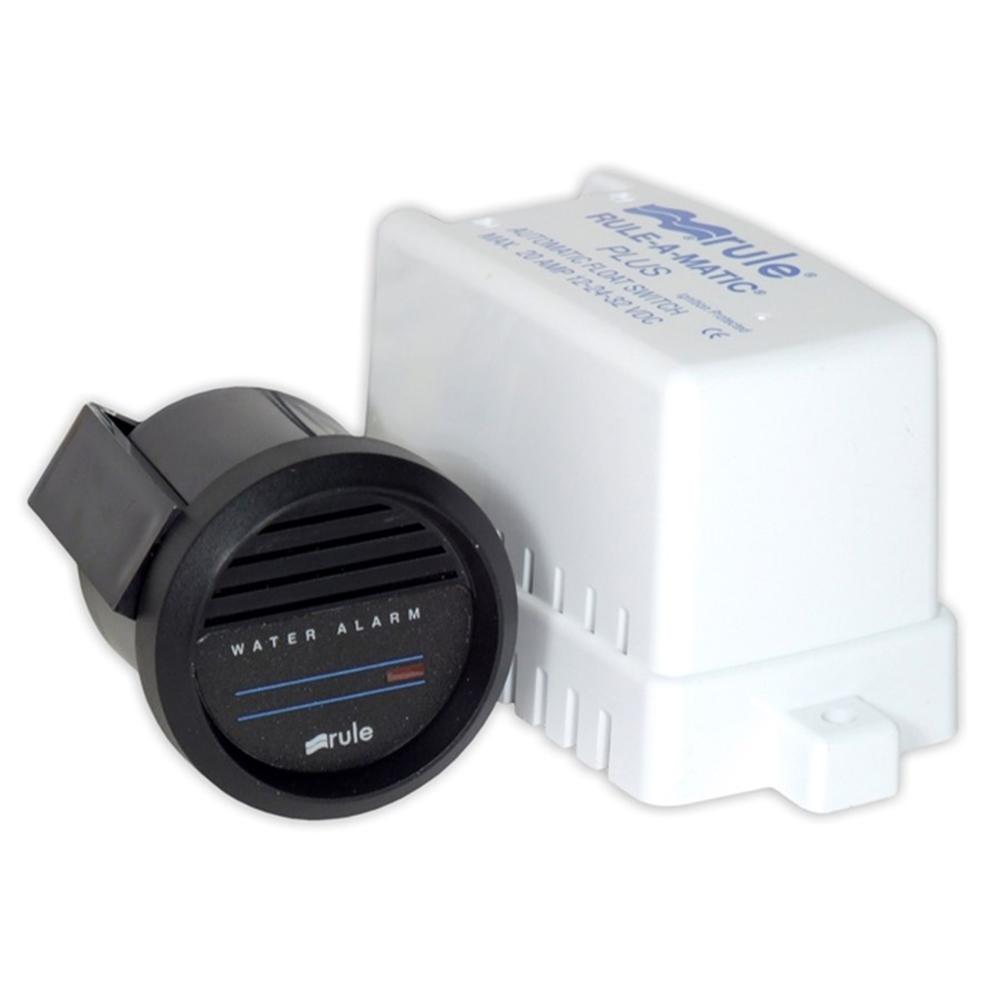
Ready to compare options? Browse the Rule High Water Bilge Alarm Includes Switch & Gauge 24v #32ALA listing or start with the Safe-T-Alert High Water Alarm Surface-Mount #SA-1000XL for a compact surface-mount solution.
Protecting your boat starts with knowing when water is getting in. First Choice Marine stocks high water alarms and bilge pumps in the sizes and voltages most boaters need, so you can close the gap in your monitoring this season.
Frequently Asked Questions
What is a high water alarm on a boat?
A high water alarm is a sensor-and-warning system that monitors a bilge compartment and sounds an audible alarm and lights a visual indicator when water reaches a set level. Most units use a float switch mounted in the bilge and a dash or cabin-mounted panel with a horn and LED light. It does not remove water. It tells you water is rising so you can find the source and respond before the compartment floods. The Safe-T-Alert SA-1000XL and the Johnson Pumps Bilge Alert 72303 are available from our catalog.
Is a high water bilge alarm worth the cost for a small recreational boat?
For many small boats, yes, especially if the boat sits unattended at a dock or on a trailer for long stretches. Alarm units in this category run from about $93.83 for the Safe-T-Alert SA-1000XL to about $130.11 for the Johnson Pumps Bilge Alert 72303. Compare that with the cost of a flooded engine, damaged electronics, or a salvage claim. If you are on the boat regularly and hear your pump cycle, the value is smaller.
Where should a high water alarm sensor be mounted in the bilge?
Mount the float sensor at the height where you want to be warned, typically just above the normal bilge water level and below the point where water would affect the boat's systems. Keep it clear of debris and oily buildup, and make sure the float moves freely. Install the alarm panel where you can hear the horn from the helm or cabin. Follow the manufacturer's manual for the exact sensor height, since placement determines how much warning time you get.
Can a high water bilge alarm prevent a boat from sinking?
No. An alarm only warns you. It cannot pump water out or stop a leak. Its value is in giving you time to act, such as turning on a pump, closing a seacock, or calling for help. On a boat with a shallow bilge, an alarm may trigger later than you would like, so pair it with a working automatic pump and regular inspection of hoses and through-hull fittings.

