


Most sonar problems don’t start on the screen. They usually begin under the boat. Clear images often have less to do with buying the most expensive fish finders and more to do with how the transducer sits in the water, which still surprises many boat owners. People can install solid marine electronics and still end up with messy readings or lose bottom at speed. That kind of frustration is common, and in most cases it comes down to placement, not software.
For anyone who owns or works on fishing boats, this often matters more than they expect, especially when trying to get clear readings while moving. Hull shape and water flow both affect how sonar travels. Small adjustments can make a real difference, and those changes add up fast. A transducer that’s only a few inches off can hurt performance and lead to constant adjustments.
That’s why this guide looks at placing a fish finder transducer on fiberglass and aluminum hulls, including stepped designs that need extra care. It explains why clean water matters and where turbulence usually starts along the hull, often near strakes and steps. The goal is practical methods that work on the water, like avoiding setups that cause you to lose bottom when you throttle up.
Why Hull Type Matters More Than the Fish Finders Themselves
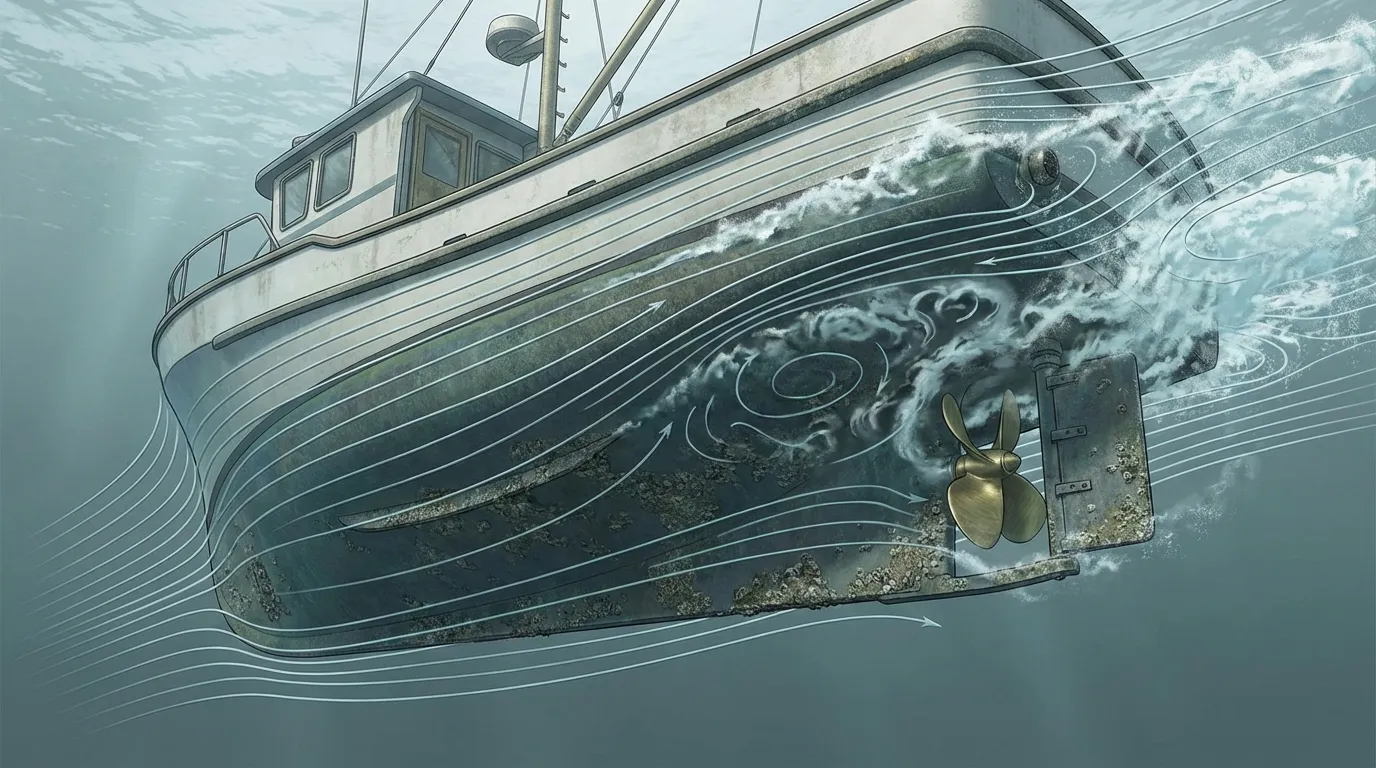
When a sonar image looks messy, a lot of boaters blame the fish finder. That’s an easy call to make, but most of the time the real problem isn’t the screen or the settings, it’s the hull. The hull usually controls what the transducer can actually read, and that part often gets missed. Sonar struggles in water filled with air, bubbles, spray, or prop wash. When that interference shows up, it looks like clutter or signal dropouts on the screen. Different hull shapes create that mess in different spots, and the display ends up reflecting it.
If you talk with pro anglers or electronics installers, this comes up a lot. The same issue keeps showing up. Transducer placement gets skipped or rushed, even by experienced boaters, and yeah, that’s frustrating.
Transducer placement and mounting is the most critical step to sonar performance, but is given the LEAST amount of attention by most boat owners.
For clean sonar, the transducer needs a clear path through calm water with smooth flow and no trapped air. There’s really no shortcut. Where that clean water exists depends mostly on hull design, at least in my view. Flat fiberglass hulls usually give you more forgiving mounting spots. Aluminum and stepped hulls, on the other hand, often add vibration, seams, or aerated water, which quickly limits your choices.
Below is a simple comparison showing how hull type affects placement choices.
| Hull Type | Best Mount Style | Placement Difficulty |
|---|---|---|
| Fiberglass | Shoot-through or transom | Low |
| Aluminum | Transom mount | Medium |
| Stepped | Forward transom or thru-hull | High |
Fiberglass Hulls: Clean Water and Flexible Options for Fish Finders
Fiberglass hulls give boat owners a lot of flexibility, which is why they’re so common on fishing boats. You’ll often see solid fiberglass near the transom (the flat section at the back), and that detail makes setup simpler and less stressful. This solid area supports both shoot-through installs and transom-mounted transducers without much trouble. It’s practical and easy to work with, and it gives real choices based on how the boat is set up and how it’s used, something many people only realize matters once they’re actually out on the water.
One option is shoot-through mounting, where the transducer is bonded inside the hull. The sonar signal passes through the fiberglass, which sounds great at first. In reality, this only works with solid fiberglass that has no core or trapped air, including foam. Even thin coring can break up the signal and soften the image. Some signal loss is expected, and many anglers are fine with that for basic sonar jobs like depth readings and simple fish marks. It’s not perfect, but it often does the job.
Most people choose transom mounting instead. With the transducer mounted outside on the back, it stays in direct contact with the water. Cleaner readings usually come from placing it just to the right of the drain plug to avoid prop wash. Tilt also matters. Angling the back edge down about two degrees helps water stay in contact when the boat is on plane. It’s a small adjustment, but it can make a clear difference.
Matt Watson, a fishing guide who teaches sonar setup, explains the goal clearly.
It's all about that line of sight. The goal is basically to keep the transducer clear of turbulent water so it can have a clear path to reading the signal.
Avoiding strakes, steps, and thru-hull fittings helps cut down interference. A smart move is testing the spot with a temporary mount before drilling. That extra step can save a lot of frustration later, especially on faster boats.
There’s also a piece on common fish finder installation mistakes that pairs well with fiberglass setups, if more background helps.
Aluminum Hulls: Managing Vibration and Seams for Fish Finders
Aluminum fishing boats are strong and lightweight, which is usually a solid mix. That same mix can cause a few headaches once marine electronics come into play, and most owners have heard the warnings. Thin aluminum with weld seams and rivets often traps tiny air pockets. Those gaps can mess with sonar signals. That’s why shoot-through installs on aluminum hulls rarely work the way people expect. It’s a common problem in real-world installs, even when everything looks right on paper.
For most aluminum boats, a transom mount works best, and placement matters more than many people think. A helpful approach is staying well clear of rivet lines, welds, and lifting strakes along the hull, even small ones. One seam alone can show up as noise on the screen. Mounting boards are useful here. They protect the hull and make it easier to tweak the position without drilling new holes every time.
Why the starboard side? Most props spin clockwise, so the port side usually has rougher water and more bubbles, which makes clean readings harder.
Transducers should be placed on the right, not the left side of the hull, because most props rotate clockwise and introduce turbulence on the port side.
The transducer should sit low enough to stay in the water at speed, but not so low that it kicks up spray. Short test runs usually make this clear. Make small changes and watch the sonar once the boat is on plane.
When upgrading more than one system, thinking through the full electronics layout early often helps. This step is easy to skip, but planning ahead usually saves time later. We wrote about integrating advanced marine electronics on your boat, and it shares some practical planning ideas.
Stepped Hulls: The Hardest Setup to Get Right
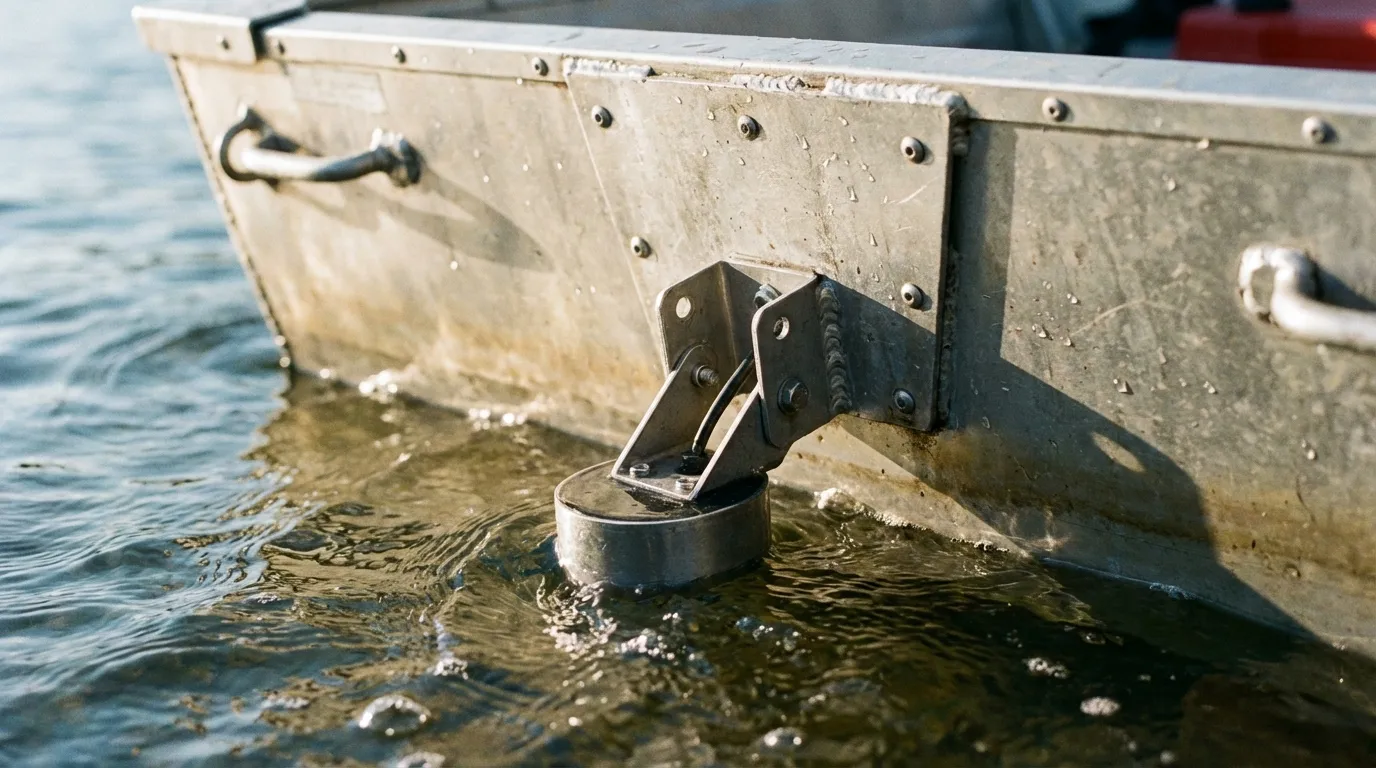
Stepped hulls are known for speed and efficiency, no question. But that same design often causes more sonar problems than any other hull style. The steps pull air under the hull, and that air mixes with the water, which usually blocks sonar signals almost completely. It’s not a small issue either, it shows up fast once the boat starts moving.
What trips most people up is placement. The main rule is still simple: a transducer should never sit behind a step. It needs to be mounted forward of the first step, in water that stays solid and clean instead of airy or rough. On many boats, that narrows the choices quickly, and there’s often no smart workaround.
Because of this, some stepped hull boats run two transducers. One handles clear detail at low speeds, while the other gives steady depth readings when the boat is on plane. In other cases, a carefully placed thru‑hull between steps works better. This is where manufacturer guidance usually beats forum advice, tempting as forums can be.
The same mistakes keep happening: mounting too far back, ignoring step height, or assuming side imaging works anywhere. Side and down imaging often need even cleaner water than traditional sonar, cleaner than most people expect.
If the boat runs offshore or at higher speeds, planning the install really matters. Rushing a stepped hull setup often leads to weak performance and extra holes in the boat, which nobody likes finding later.
Fine-Tuning Angles, Height, and Cable Routing
This is often the point where an install starts to show how well it was done. Once the location is set, the small tweaks begin to matter, and they usually matter faster than you’d expect. Angle is a big focus here. Most manufacturers recommend setting the trailing edge a bit lower than the leading edge. This usually lets water flow smoothly across the surface instead of bouncing around. It’s a small change, but you’ll often notice right away when the movement cleans up.
Height takes the same kind of care. Set it too high and contact is often lost as speed goes up. Set it too low and spray and drag tend to appear quickly. A good method is to make slow, careful adjustments, since even a quarter inch can change how things behave.
Cable routing is ignored more often than it should be. Better results usually come when cables stay clear of power lines and follow an easy path without tight bends. Securing everything properly helps avoid vibration problems later on.
Seal every hole with care using marine-grade products rated for below-the-waterline use. It’s straightforward work, but it protects the hull and keeps water where it belongs.
Common-ish Questions Folks Ask
Can I move my transducer without drilling new holes?
Mounting boards let you move a transducer without drilling new holes in the hull, especially on aluminum boats (I think). So yes, it usually works.
Why do I lose bottom reading at high speed?
This usually means the transducer is sitting in rough or bubbly water, which is pretty common. When you’re moving fast, lowering it, or sliding it a bit forward, often fixes the problem.
Do stepped hulls always need two transducers?
Not always, but many setups need it; on stepped hull designs, two transducers are usually needed for clear imaging and solid performance at high speeds, often.
Is shoot-through sonar as good as a transom mount?
Shoot-through installs work for simple depth readings, and not much else. The signal is weaker, so they cover the basics and don’t work well for side or down imaging.
Should I install the transducer myself or hire a pro?
DIY installs can work if you test placement, it often helps and may be worth it. But tricky hulls or expensive electronics usually make hiring a pro the better choice.
Putting Clean Sonar Into Practice with Fish Finders
Good sonar often starts at the hull, and that idea really fits here. From my experience, getting transducer placement right for your specific hull is what helps a fish finder show real returns instead of messy clutter. Fiberglass hulls usually respond well to careful testing, while aluminum hulls need a clean, solid mounting spot to work as expected. Stepped hulls add another challenge and often require extra patience and a few test runs. Spending more time at this stage usually means fewer headaches later.
Testing before drilling, when you can, really helps. A smart method is to follow the manufacturer’s guidance and then make small adjustments, since slight changes tend to work better than big moves once you’re close. When electronics are set up well, fishing feels simpler and boating feels safer, with less guessing while checking depth or moving around.
Upgrading or maintaining a setup also means thinking about parts and accessories. In my experience, quality matters just as much as technique. First Choice Marine helps boat owners with reliable products and practical know-how, making it easier to find mounting hardware and tools for electronics at https://www.firstchoicemarine.com/. Clearer readings often lead to smoother days on the water.
For those exploring technology trends in marine gear, see Fish Finders 2026: Latest MEGA and CHIRP Tech and Fishing Boats 2026: Smart Connectivity & Advanced Tech to understand how modern systems enhance sonar performance.
