


The engine flush market is picking up fast, and boat owners are clearly noticing. Around marinas, home docks, and even DIY garages, engine flush products are becoming a regular part of marine engine care. This change comes from real pressure: repairs cost more than they used to, engine replacements are pricey, and boats are staying in service longer. Add rising awareness of sludge buildup and constant salt exposure, and engine flushing has shifted from a “nice extra” to a routine step. Recreational boaters are changing their habits, and commercial operators are even more careful, since maintenance mistakes can hit budgets hard. Engines are lasting longer, boats stay active for more seasons, and preventive care helps protect those investments in a very direct way.
This article looks at what’s driving growth in the engine flush market and why interest keeps building. It skips sales talk and focuses on how marine maintenance habits are changing in real life. Protecting an outboard or inboard engine now comes down to smarter maintenance choices, and this information matters, especially for owners who want fewer breakdowns and fewer expensive surprises down the road.
Why the Market Is Growing So Quickly
Preventive maintenance has shifted from a “nice to have” idea to a regular habit, and that change is driving engine flush demand up fast. Boat owners are stepping in earlier instead of waiting for overheating or corrosion to force repairs. Even small dips in performance now get checked out rather than brushed off. Fixing issues sooner helps avoid the kind of repair bills that show up after months or years of wear. Industry research groups tracking automotive maintenance trends show steady global growth for engine flush products starting in 2023 and continuing through the decade, with no major slowdowns. North America stands out as one of the strongest regions, thanks to high boat ownership and a hands-on DIY culture where owners prefer to handle maintenance themselves and think long term.
Marine engines also deal with problems that road vehicles never face. Saltwater speeds up internal wear, often quicker than expected. Silt and algae slowly build up inside systems, especially when boats sit unused. Long gaps between runs let deposits settle in cooling passages and oil systems, creating issues that stay hidden for months. Engine flush products help break that buildup loose so it can drain out during oil changes or scheduled service. As more boaters see how simple the process is, word spreads naturally from one dock to the next. For a detailed look at market patterns, see Engine Flush Market Growth 2026: Preventive Care Surge.
Cost is another big factor. New outboard and inboard engines aren’t cheap, and replacements often go well past the original budget. Stretching engine life with routine steps like flushing feels practical, not optional. It fits easily with habits many owners already follow, like using fuel stabilizers, watching cooling systems, and prepping carefully for seasonal storage to avoid rough spring startups.
| Growth Driver | Why It Matters | Impact on Boaters |
|---|---|---|
| Preventive maintenance awareness | Reduces major repairs | Longer engine life |
| Rising engine replacement costs | Encourages upkeep | Lower long-term costs |
| DIY maintenance culture | More hands-on care | Better control over service |
How It Fits Into Modern Marine Maintenance
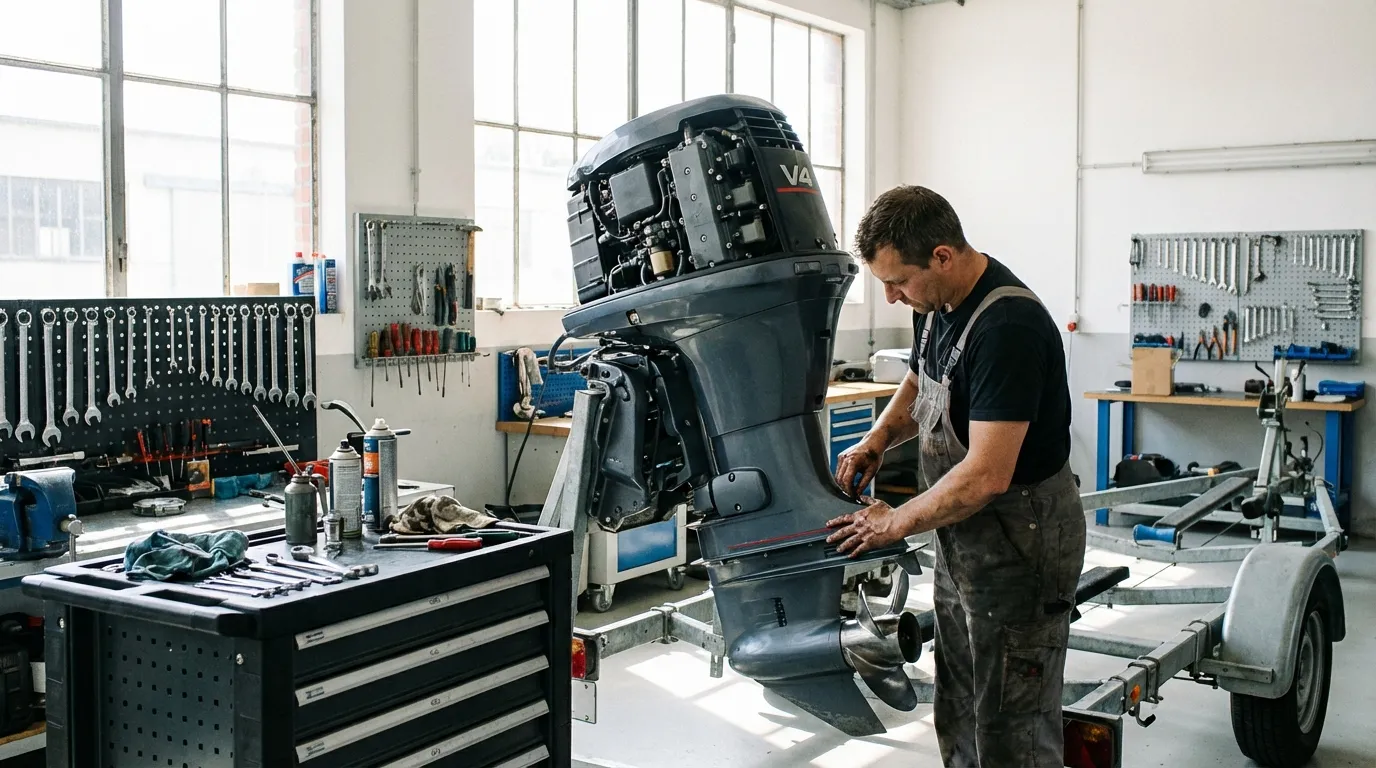
Engine flush products have been around for years, but how people use them has changed. Now they’re part of regular upkeep, right alongside oil changes and routine checks of cooling and fuel systems, instead of something you only think about once in a while. For boat owners who do their own service, a flush feels like a normal step. It uses basic tools, follows an easy routine, and doesn’t come across as complicated or overdone. It also fits neatly into a standard service window without eating up the whole day, which matters when time for maintenance is tight.
The timing matters. A marine engine flush is done right before an oil change. The solution goes in, the engine idles briefly, and built-up grime starts to loosen during that short run. After that, everything is drained and fresh oil is added. Over time, cleaner internal passages help keep oil flow more consistent during regular use. For saltwater boaters, this step often pairs with a freshwater cooling system flush, handling internal lubrication and external cooling in one session.
Engine flush isn’t seen as a cure-all. Engines that have been ignored for years or show clear corrosion still need professional attention. That’s why many maintenance guides describe engine flush as preventive care, not a last-ditch fix. The focus stays on reducing salt buildup and cooling-related wear, while being honest about when deeper repairs are the better choice.
DIY Maintenance and Product Roles
DIY marine maintenance has grown right along with interest in engine flush products. Seasonal prep and storage (that in-between time everyone forgets about) often push boat owners to want more say in how their engines are treated, you included. What makes engine flush products appealing is how easy they feel to use. They don’t require advanced mechanical skills, which lowers the barrier for handling your own upkeep. Less stress, more confidence (and fewer calls to the marina).
You’ll often hear DIYers talk about smoother idling, more consistent oil pressure, and steadier operating temperatures after using flush products regularly (those small gauges really do matter). Results still depend on engine type and how the boat is actually used, so expectations usually stay reasonable. Even with those differences, the general view stays positive. Older engines that still run well but need a bit of extra care (the reliable workhorses) come up a lot in these conversations. For many owners, the time and effort feel worth it.
There is a learning curve. Running the engine too long during a flush, picking the wrong product, or skipping the oil change afterward (an expensive shortcut) are common mistakes. Knowing when a flush is enough and when a full cooling system service makes more sense can really matter. That’s where comparisons like Engine Flush vs Cooling Service: When a Flush Isn’t Enough have helped boaters avoid trouble. Fewer hard lessons learned the painful way.
Access also matters. Online shops often bundle marine-safe engine flush products with oils, filters, and fuel additives people already plan to buy (one cart, one checkout). That ease makes it more likely owners build a full maintenance kit and actually stick with it.
Market Trends Shaping Marine Use
Engine flush products are changing as engines change. Modern outboards use tighter tolerances and newer materials, which leaves little room for harsh chemicals. Because of this, formulas are being adjusted to clear buildup while staying gentle on internal parts. That balance shows up in testing and marketing, and it’s now expected rather than a nice extra.
Environmental concerns also affect buying choices. Many boaters look for biodegradable or low‑toxicity flushes that are safer for waterways and easier to use on a regular basis. Rules still vary by location, but interest in cleaner options keeps growing as sustainable boating becomes a normal part of ownership. This change didn’t happen overnight, but it’s clearly sticking around. For more on sustainable practices, visit Exploring Sustainable Boat Maintenance Practices for Eco-Friendly Boating.
Another clear shift is how these products are sold. Engine flush is often bundled with oil additives, fuel treatments, and corrosion protection, creating maintenance kits instead of single bottles. This fits well with preventive routines shown in resources like the outboard motor maintenance checklist for 2026, which gives owners a simple plan to follow.
Growth in this segment feels consistent rather than flashy. What used to be a niche buy is now treated like oil changes, routine, expected, and part of regular engine care.
Choosing the Right Product for Your Boat
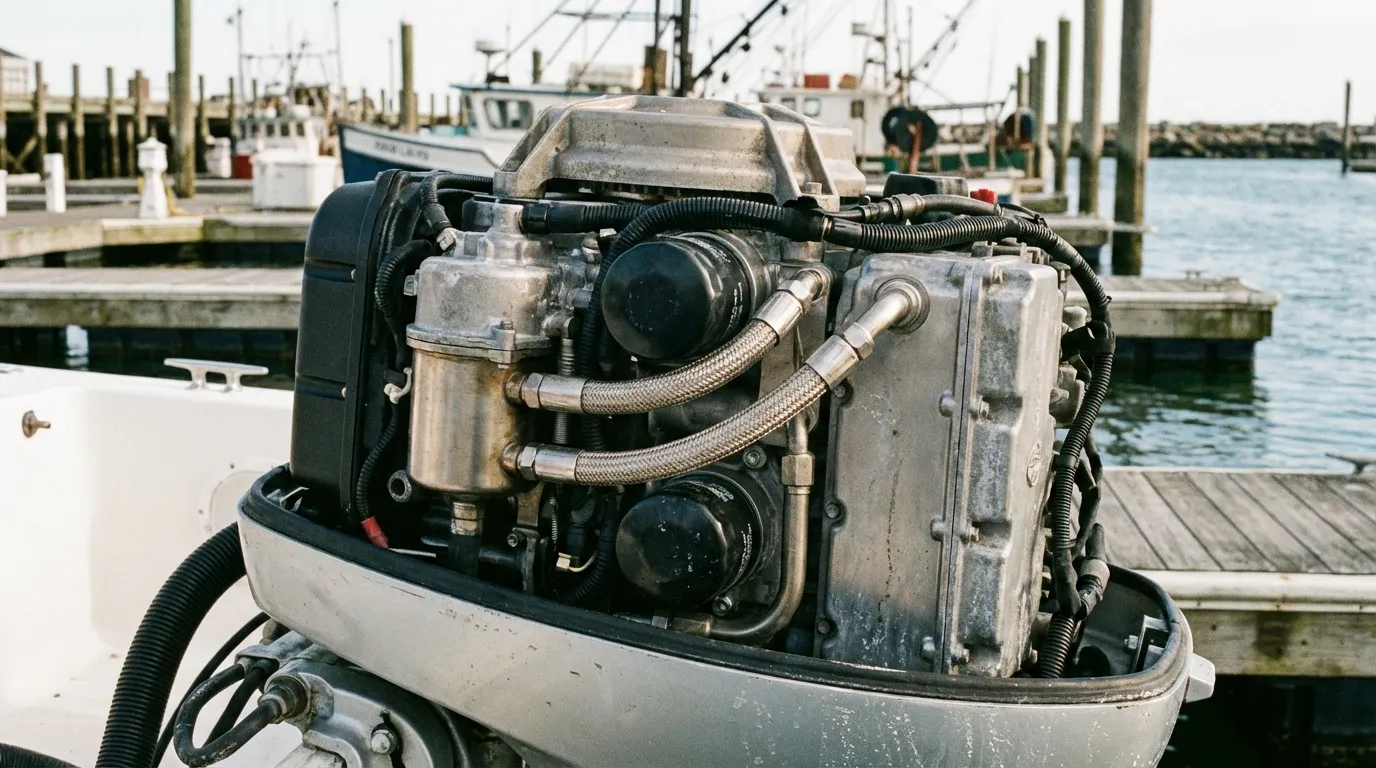
Engine makers are clear about what their motors can and can’t handle, and those notes are the safest place to start. Some models need specific formulas, while others warn against harsh solvents altogether. Skip those details and issues can show up later, even if the product looked fine on the shelf. This guidance is usually tucked into the manual, but taking the time to read it pays off.
How you use the boat also matters. Long stretches in saltwater mixed with idle time during seasonal storage are tough on internal parts. Freshwater-only boats still benefit from flushing, just not as often. How often the boat runs, and where, should guide the choice.
An engine flush works best as part of the full care plan. Clean oil, cooling system care, and fuel additives all work together, and no single product does it all.
Retailers like https://www.firstchoicemarine.com/ often help boaters match products to specific engines and explain how each fits into an overall maintenance plan.
| Boat Type | Flush Frequency | Maintenance Focus |
|---|---|---|
| Saltwater outboard | Every oil change | Corrosion and sludge control |
| Freshwater outboard | Periodic | Oil cleanliness |
| Inboard engine | As recommended | Cooling and oil flow |
Frequently Asked Questions
What does an engine flush actually do?
Timing matters: an engine flush is done right before an oil change, so loosened sludge and contaminants drain out with the old oil. It breaks up buildup inside the engine, letting the mess wash out instead of sticking around.
An engine flush is safe when done right using marine-safe products, with no shortcuts. Follow the engine maker’s guidelines and the product instructions.
How often should boaters flush their engine?
Flushing timing depends on the engine and how you use it. Short answer: engines in saltwater need flushing more often than ones used only in freshwater.
Can an engine flush fix overheating problems?
It won’t fix broken parts.
If overheating comes from internal buildup, an engine flush can clear it out (quick win).
If cooling passages stay blocked, a professional repair is needed (no workaround).
Is engine flush necessary for new engines?
An engine flush isn’t needed right away on new engines. Later, as part of regular care, a flush can help keep things clean over time, so there’s less buildup to worry about later.
The Bottom Line for Boat Owners
At marinas and launch ramps, the way people handle maintenance is changing. More boat owners are watching engine care before problems show up, and engine flush is now part of that change. It’s no longer seen as an extra step saved for rare situations. For weekend anglers and commercial operators alike, regular flushing helps engines that work in tough conditions and need to stay reliable over time. That reliability matters most when you’re out on the water doing what you planned, not stuck dealing with problems back at the ramp.
For owners who do their own maintenance, engine flush slides easily into a normal routine. It doesn’t require special tools or hard-to-follow steps. Alongside oil changes and basic cooling system checks, it adds another layer of protection for a valuable engine. As more owners use it, products keep getting better and instructions are easier to follow. Engine flush is also becoming part of full maintenance plans, helping catch small issues early instead of after real damage happens.
