


Fish finders heading into the 2026 season are already changing how anglers spot fish and track their movement before a line ever hits the water. New sonar updates, clearly sharper screens, and closer system tie-ins began rolling out in late 2025, and many of those units are now sold as 2026 models. The result is a clear shift for both recreational and commercial boats, and people are noticing. Features that felt high-end just a year ago are quickly turning into everyday standards.
Timing matters here. A unit that works well on a calm inland lake doesn’t always hold up in coastal or offshore water, and the wrong pick can lead to wasted fuel and long days chasing empty water. The right setup, though, saves search time and makes tough trips easier. This guide looks at what’s actually new, which fish finders stand out right now, and how to match current tech to specific boats and fishing styles, like moving from basic sonar to detailed structure tracking before the next season starts.
Why Fish Finder Technology Matters More in 2026
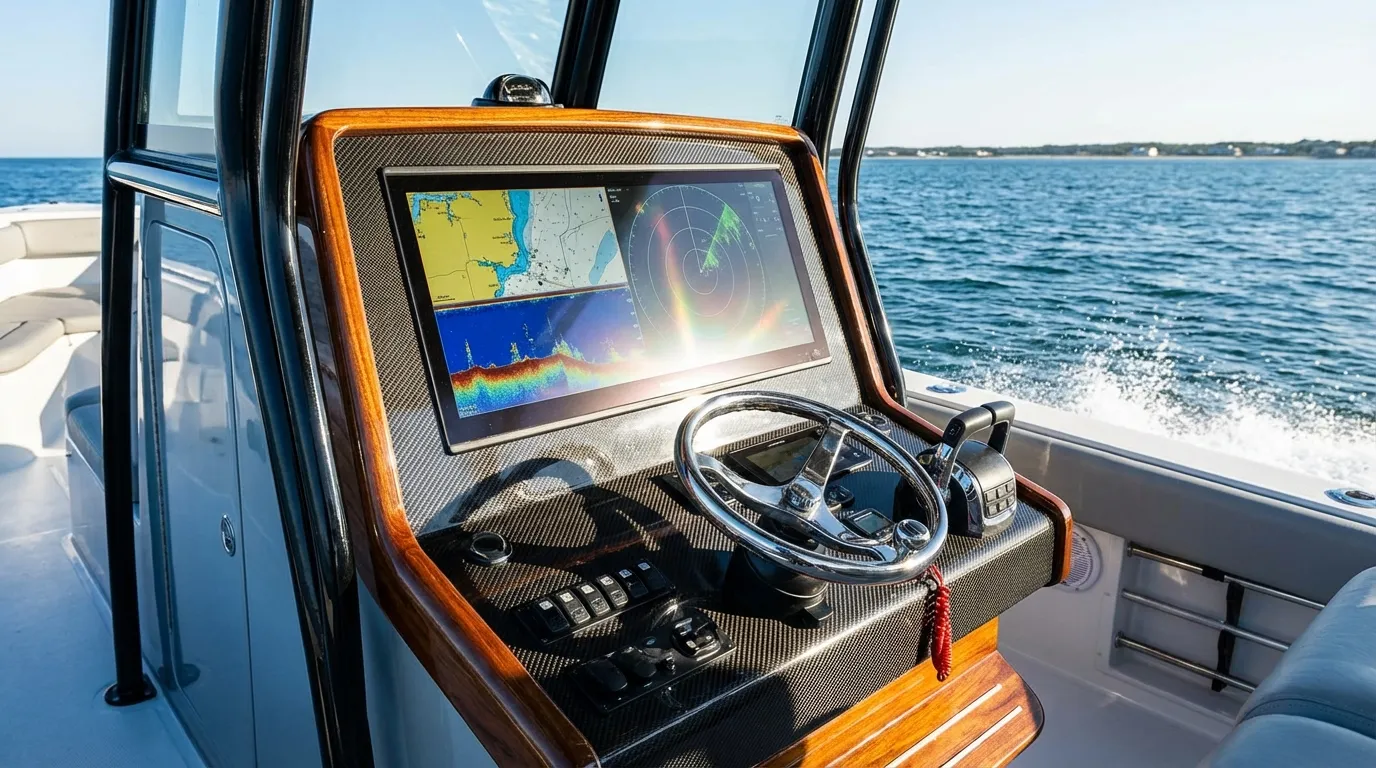
The first big change shows up as soon as a screen turns on. Bigger displays are now common on many boats, with 12‑inch units feeling normal and 16‑inch screens no longer rare. That extra space works with faster processors and clearer imaging, which makes it easier to read bottom detail, fish movement, and structure as it happens. Those details shape real choices on the water, like deciding if it’s smart to wait out a short bite window or move on before the moment slips away.
Fish finders have also taken on a wider role. Instead of working as simple depth gauges, they now sit at the center of fishing and navigation. Live sonar, high‑definition mapping, trolling motor control, and shallow‑water anchor links all run through the same system. It’s a lot to manage, but the payoff is easier coordination while fishing, especially when conditions shift fast. For a deeper look at how these systems tie together, see Fishing Boats 2026: Smart Connectivity & Advanced Tech.
Access has grown too. Features once limited to tournament setups now show up in mid‑range units, making advanced tools more realistic for everyday anglers. Portability matters more as well. Castable fish finders work well for shore anglers, while wireless options suit kayaks and small boats without messy installs. These changes line up with the broader smart‑boat direction covered in Fish Finders 2026: Latest MEGA and CHIRP Tech, where integrated electronics are becoming normal.
Prices have risen along with capability, with top units reaching several thousand dollars. That makes smart buying more important than ever. Knowing which features truly help results keeps you from paying for extras that look good but don’t really pay off.
Top Fish Finder Picks Anglers Are Choosing for 2026
A clear pattern is showing up as boats get rigged for 2026. A small group of fish finders keeps appearing across very different setups. Garmin’s GPSMAP x3 series remains a top pick for serious offshore and multi-species anglers, especially on larger boats. The sharp IPS screens and fast processors stand out right away, and wide support for live sonar systems helps explain their popularity. With radar and autopilot added, these units often sit at the center of the electronics layout. Many anglers use them as a single hub, keeping everything on one clean screen instead of bouncing between displays.
Freshwater anglers who focus on structure still lean toward the Humminbird SOLIX G3 series. Its real strength comes from pairing clear bottom imaging with strong lake maps, which makes new water easier to understand. When contours, cover, and transitions are easier to see, choices feel calmer and more planned instead of rushed. Lowrance’s HDS Pro units draw in anglers who fish both freshwater and saltwater. The updated live sonar shows smoother motion and steadier target tracking, which really shows when fish keep moving.
Portable options are also getting more attention heading into 2026. The Deeper CHIRP+ 2 keeps gaining fans among kayak anglers and anyone avoiding a permanent install. It’s small, gives solid detail, and connects easily to a phone, keeping things simple on the water. Garmin’s ECHOMAP UHD units continue to attract boat owners who want reliable results without paying flagship prices. Familiar controls and dependable performance make them easy to stick with.
| Model | Best For | Key Strength |
|---|---|---|
| Garmin GPSMAP x3 | Offshore and large boats | High-resolution display and full system integration |
| Humminbird SOLIX G3 | Freshwater structure fishing | Detailed imaging and advanced mapping |
| Lowrance HDS Pro | Mixed salt and freshwater | Smooth live sonar and ecosystem flexibility |
| Deeper CHIRP+ 2 | Kayak and shore anglers | Portable design with strong CHIRP sonar |
| Garmin ECHOMAP UHD | Mid-range boat setups | Good balance of features and price |
Choosing the Right Fish Finder for Your Boat and Fishing Style
The right fish finder usually isn’t the most expensive one, it’s the one that fits your boat and how you actually fish your local water. That difference becomes clear pretty quickly. Anglers who spend most of their time on inland lakes and rivers often get more out of strong down and side imaging, where structure, weed lines, and cover decide whether fish bite. Head offshore, and the focus changes. Depth range matters more, and a larger screen makes it easier to read details when the boat is bouncing around. It’s the same type of tool, but the needs change a lot based on where you fish.
Boat size matters more than many people expect. Smaller boats and kayaks usually don’t have the space or power for large, power-hungry screens, so compact or portable units are often the smarter choice. Battery drain can turn into a real problem on long days. Setup choices matter just as much. Poor transducer placement or sloppy wiring can quietly ruin performance, even with solid gear. Fuzzy images and missing detail often come from setup issues, not the unit itself. That’s a common frustration, which is why installation problems are covered in Fish Finders: Installation Mistakes That Kill Performance.
Compatibility also helps avoid trouble later. If you already use a certain trolling motor or chart system, sticking with the same brand usually makes life easier. Shared mapping and spot-lock features tend to work better that way. As boats become more connected, matching parts cuts down on fiddling at the console and helps keep costs easier to manage over a full season on the water.
Features That Define the Best Fish Finder Technology Today
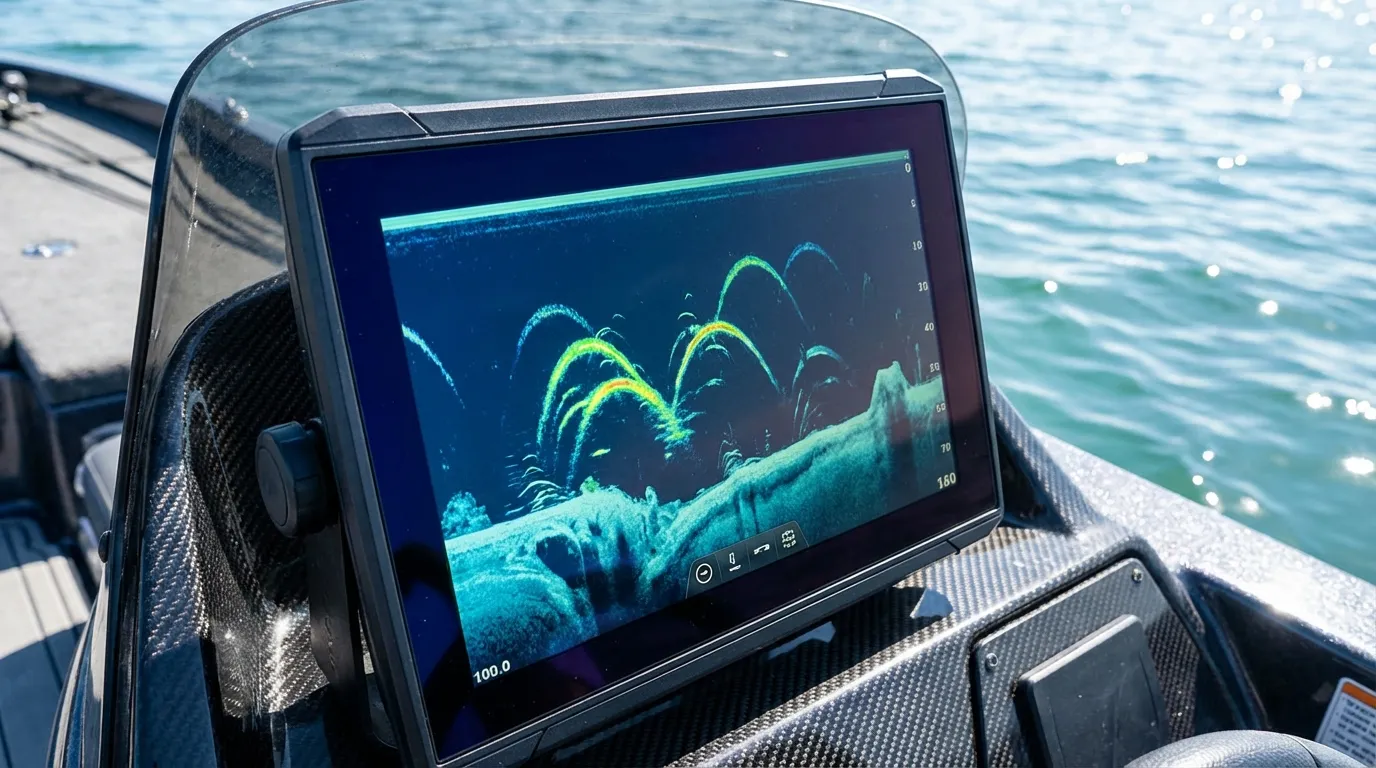
Live sonar still gets most of the attention in 2026, mainly because it’s easier to read when it really matters. It’s not about being new anymore. Recent updates focus on cleaner images and clearer separation between fish and structure, so anglers spend less time guessing at the screen and more time reacting in real time. That level of clarity changes how fast decisions happen on the water.
Screens are seeing just as much progress. Brighter displays with better sunlight visibility help during long days when glare used to wash everything out. Touchscreens respond faster now, but physical buttons are still around. Many anglers trust them more when waves pick up and hands are wet, which is why both options are sticking around.
Integration completes modern setups. Fish finders now connect more often with trolling motors and anchors, pulling control into one place instead of spreading it across devices. This shift matches other onboard tech changes, including what’s covered in Electric Trolling Motors: Eco-Friendly Fishing 2026.
Budget, Mid-Range, and Premium Fish Finders Explained
Price tiers help set expectations and reduce guesswork. Budget fish finders focus on basic CHIRP sonar with smaller screens. Simple and clear, they stick to depth and fish readings. They work well for casual anglers who don’t need extra features. If you’re just starting out, this tier keeps things easy and gets the job done without distractions.
Step up to mid-range units and the changes stand out quickly. Side imaging and larger screens make details easier to see, while better mapping helps during longer days on the water. Many serious hobbyists end up here once fishing turns into a regular routine.
Premium units are built for anglers who want strong performance in rougher conditions. Made without cutting corners, they support networking and future add-ons. The upfront cost is higher, but many boat owners build their systems over time, adding pieces as their needs change.
No matter the tier, installation and upkeep still matter. Secure mounts, clean connections, and updated software help keep systems reliable season after season.
Common Questions People Ask
What makes a fish finder a 2026 model?
Most 2026 fish finders are late‑2025 releases built for the new season (yeah, that timing). The updates are practical: newer processors and clearer displays than earlier versions, with solid, expected upgrades overall.
Kayak anglers and folks without permanent boats work well here. Models like the Deeper CHIRP+ 2 mix solid performance with flexibility, and the setup stays easy, avoiding complicated installs (honestly).
Do I need live sonar to catch more fish?
You don’t need live sonar to catch more fish. It can help, for sure, especially for quick decisions. When used well, traditional CHIRP and imaging still give solid results.
How important is screen size on a fish finder?
Split views are easier to read on larger screens, with more detail visible at once on one display. Smaller screens still work well on compact boats, where tight space decides what size makes sense.
Can a single fish finder handle freshwater and saltwater?
Many newer units work in both freshwater and saltwater. Using the right transducer and a few small setting changes keeps readings accurate across spots, even if you switch between them on back-to-back days.
Making the Most of Your 2026 Fish Finder Upgrade
Clearer screens and extra power are part of what draws people to 2026 fish finders, but the real benefit shows up when the features match how someone actually fishes. Flashy specs can look good on paper, yet they don’t always help once you’re on the water. Picking tools that fit a specific fishing style usually pays off sooner. After buying, it helps to slow down. Taking time to plan the install and learn the settings one step at a time makes the upgrade feel far less stressful. The transducer matters a lot here, since how it works with the rest of the setup directly affects day‑to‑day results. This is often where performance is gained or lost.
For boat owners updating or keeping electronics in shape, trusted retailers like https://www.firstchoicemarine.com/ are often a good option for both equipment and advice, especially when real people answer questions. When a fish finder works well with other onboard systems, choices feel easier, trips feel more relaxed, and time on the water just feels right.
