


Precise control is often what boaters notice first, especially when conditions get tough and the weather won’t cooperate, you can usually hold position without wrestling the boat. Electric trolling motors have changed how many people fish and move around on the water because they’re quiet, clean, and dependable, and that makes a clear difference. They run quietly, stay clean, and you can really tell once you’re out on the water using one.
Picking the right motor and installing it the right way can still feel confusing, especially if you’re doing it yourself (you’re not the only one). This guide keeps things simple by explaining how these motors work, how to size one properly, and practical setup habits that help you hold position when the wind starts to pick up.
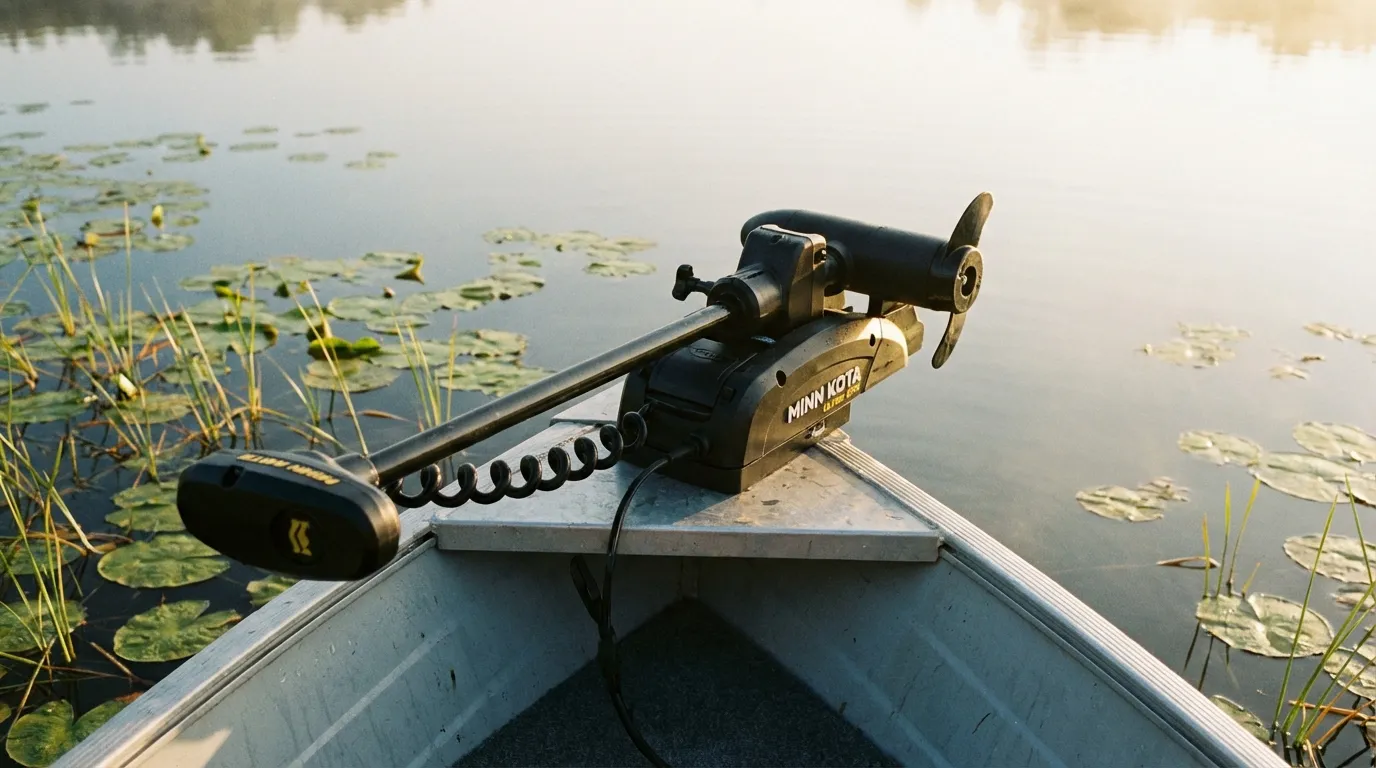
What Electric Trolling Motors Do and Why They Matter
Electric trolling motors are small, electric-powered units made for slow, controlled movement on the water. Anglers like them because they run quietly and often help keep fish from getting spooked, which can matter more than people expect. Instead of loud bursts or jerky shifts, the boat moves smoothly and predictably. Commercial and utility boaters also use them for careful maneuvering and extra safety when space is limited, like near docks or inside narrow channels. Compared with main engines, these motors focus on control and steady handling rather than speed. From experience, that difference really shows when precision is needed.
It’s no surprise the market keeps growing as more boaters choose cleaner and quieter setups. Usage numbers support this, especially among people who spend long, full days on the water.
| Metric | Value | Year |
|---|---|---|
| Global electric trolling motor market size | US$ 597.4 million | 2024 |
| Projected market size | US$ 850.8 million | 2034 |
| Bow-mount motor segment | US$ 359.6 million | 2024 |
| Freshwater usage share | ~65% | 2024 |
| Registered U.S. recreational boats | 12+ million | 2024 |
Across freshwater boats, electric trolling motors are now common for fishing and docking. They’re often used for slow movement in shallow or crowded areas, including busy marinas. Bow-mount models are popular because pulling the boat from the front usually gives smoother steering and better control. We also wrote about modern designs and installation best practices, with real-world setup examples.
Choosing the Right Motor: What Thrust and Shaft Length Mean for Your Mount
Choosing the right motor comes before installation, and it usually matters more than people expect. When a motor doesn’t have enough power, it can struggle in wind or current, the exact conditions boaters deal with most. That extra strain is frustrating, and mounting a motor the wrong way can also waste energy. Over time, this stress often causes parts to wear out sooner than expected, which no one wants to deal with.
Thrust is usually the first thing to figure out. Marine technicians often use a simple sizing rule because it’s easy to remember and tends to work well on the water.
You’re looking at about two pounds of thrust per 100 pounds of boat.
Boat weight includes everything onboard: fuel, batteries, gear, and people. A fully loaded boat weighing 2,000 pounds usually needs at least 40 pounds of thrust. Going a bit higher can help when wind or current shows up without warning, and that extra margin can feel reassuring when conditions change quickly.
Shaft length matters just as much. Boat design and wave action affect how deep the prop needs to sit. If it rides too close to the surface, it can pull in air and lose power fast, which feels loose and unreliable.
You have to have that motor and propeller assembly deep enough in the water so where it doesn’t cavitate.
In rough water or with bow-mounted setups, installers often add 12 to 24 inches of extra shaft length. Bow mounts are popular because they give better control, especially near tight structure or when using spot-lock features. In my view, that added control makes positioning the boat much easier.
Step-by-Step Installation Tips That Save Time and Stress
Most electric trolling motor installs are pretty straightforward. Trouble usually shows up later when early steps get skipped, and that can turn a calm day on the water into a frustrating one. Spending a little more time at the start often saves a lot of rework after everything is already mounted in place.
A helpful first step is to dry-fit the motor before drilling any holes. Set it on the bow or transom and run it through a full deploy and stow cycle. Clearance problems often only show up once parts are moving. Rails, anchors, and hatch openings are common problem areas, especially on tighter layouts. Many experienced installers do this check before touching a drill, and that advice holds up for good reason.
Mounting hardware also needs more thought than people expect. Four bolts are common, but six usually hold better when the water gets rough. Stainless hardware is a solid option. If the deck flexes at all, backing plates can help by spreading the load more evenly.
Use the forward or the inward most hole in the trolling motor with the furthest out hole of the base plate and that'll give you enough clearance.
Wiring is where small mistakes can turn into bigger problems. Marine-grade wire matters, and the size should match both the voltage and the run length. A circuit breaker close to the battery helps, and clean, tight connections cut down on heat and voltage loss.
For model-specific setup help, there are real-world examples shared in this article on bow mount trolling motor installation and maintenance, which can be especially helpful during the install.
Power Systems, Batteries, and Modern Tech Features
What many boaters notice right away is how much batteries affect the overall experience. Electric trolling motors are only as good as the power feeding them, and lately a lot of people are switching to lithium setups. They weigh less than lead-acid batteries and usually last longer, with power that stays steady until they’re nearly empty. That steady output really matters on long days, when losing power without warning is the last thing anyone wants.
Next comes voltage, which usually depends on boat size. Smaller boats often stick with 12V systems, while heavier rigs tend to run 24V or 36V. The benefit isn’t just extra thrust. You also get better efficiency without working the motor too hard, which becomes clear when wind or current picks up.
Modern tech has changed how people fish too. GPS anchor modes are now common, and many motors connect straight to fish finders so controls stay at the console or bow. That means less moving around the boat. Heading control and autopilot fit into this shift, even if some anglers barely use them. That usually comes down to personal preference.
Dave Singer from Rocky Point Boat Worx often says that test-fitting and careful sensor placement really matter. He’s clear about keeping heading sensors away from magnetic interference and making sure the motor fully deploys before final mounting. No shortcuts, he’s serious about that.
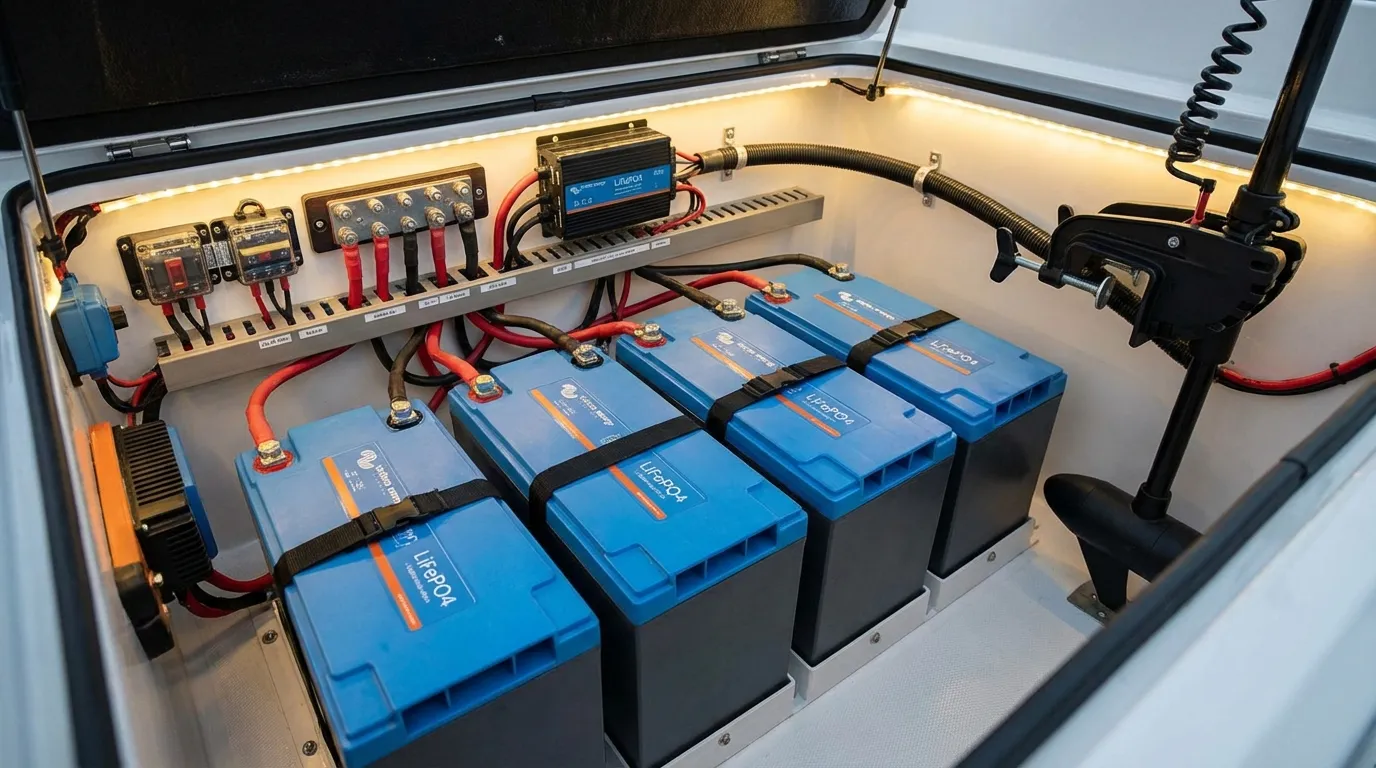
These systems usually work best when the install is clean and properly sealed to keep water out. Period.
Daily Use and Maintenance Best Practices
Once the motor is installed, a few simple daily habits can help keep electric trolling motors reliable. One thing many people miss is making sure the motor is fully deployed before turning it on. Running it while it’s only partway down puts extra stress on the mount and shaft, which often causes wear that’s easy to avoid.
Rinsing with freshwater after every trip really helps, especially after saltwater use, since salt sticks around longer than you might expect. Fishing line often gets wrapped near the prop, and removing it right away helps protect the seals. Line damage builds up faster than most people think.
Every few months, it’s worth checking wiring and bolts. Small spots of corrosion or slight looseness can turn into bigger issues if you leave them alone.
Storage also makes a difference. During the off-season, disconnect the batteries and store them in a cool, dry spot. This usually helps extend battery life and protect onboard electronics.
If you notice power loss or steering problems, a DIY guide on trolling motor issues is handy to keep close by.
Commonly Asked Questions
How long does it take to install an electric trolling motor?
To avoid mistakes, careful dry‑fitting and wiring can take more time, though DIY installs finish in two to four hours.
Yes, you can. Many owners install motors on their own using tools, following the manufacturer’s instructions, and it’s common.
Bigger motors usually need more capacity, so voltage needs and amp-hour ratings help show if the battery is enough, I think.
Are electric trolling motors okay for saltwater use?
Many models are rated for saltwater; after using them, you usually rinse them and check the protective parts, it helps, I think.
How often should I service my trolling motor?
Quick checks every few months usually do the job. If nothing seems wrong, a yearly service works fine and keeps your trolling motor running smoothly.
Putting It All to Work on Your Boat
One of the biggest benefits of electric trolling motors is the calm, quiet control they bring to the water, which you’ll really notice once you’re out there. When they’re sized right and installed carefully, they often last for many years. A smart place to start is with thrust and shaft length, since those choices affect how the motor works later on. Clean, well-organized wiring also makes a real difference over time. Installation can feel slow at first, and that’s normal; moving carefully usually helps you avoid problems down the road. Simple care habits that protect the motor and batteries often do more than complicated fixes.
Upgrading an older boat or setting up a new one comes with a learning curve, and common mistakes are easy to make. What you usually get in return is smoother fishing days and better handling. When it’s time to choose parts, batteries, or accessories, marine retailers like https://www.firstchoicemarine.com/ can help narrow down options that fit your boat and goals, cutting back on guesswork, such as pairing the right battery setup with your motor.
