


If you’ve ever stood in front of a shelf full of fuel additives and wondered whether any of them are really worth buying, you’re not alone. Boat owners hear big promises all the time: better starts, cleaner injectors, less corrosion, and fewer fuel problems. Sounds good. But the real question is simple: do marine fuel conditioners actually work?
The short answer is yes, but only when the product fits the problem. A good marine fuel conditioner can help with fuel storage, moisture-related issues, oxidation, deposit control, and even some ethanol-related trouble. It can’t fix old fuel, remove water that’s already sitting in the tank, clear clogged filters, or repair worn engine parts. That’s the catch. A lot of boaters end up disappointed because they expect too much from one bottle.
Here’s what these products actually do, when they make sense, when they don’t, how to choose one, and how to use fuel additives without wasting money. No marketing fog. Anyone looking for a practical answer instead of sales hype will find it here.
What a Marine Fuel Conditioner Actually Does
Marine fuel conditioners are made for the fuel problems boats face more than cars. Boats may sit for long stretches, deal with moisture, use ethanol-blended gasoline, or run on diesel stored between trips. Fuel takes a beating. Life on the water is tougher.
In simple terms, a conditioner may help slow fuel breakdown, reduce oxidation, control deposits, fight corrosion, and keep fuel more stable during storage. Some products also focus on lubricity. That matters more with certain low-sulfur fuels.
The need is real. DataHorizzon Research says the marine fuel additives market reached USD 5.1 billion in 2023 and is projected to pass USD 8.26 billion by 2033. That does not prove every product works equally well, but it does show strong industry demand linked to real fuel-related problems.
| Market Segment | Value | Year/Forecast |
|---|---|---|
| Marine fuel additives market | USD 5.1 billion | 2023 |
| Marine fuel additives market | USD 8.26 billion | 2033 |
| Additive packages for marine fuels | USD 4.2 billion | 2025 |
| Additive packages for marine fuels | USD 6.3 billion | 2034 |
Those numbers suggest fuel treatment is not some tiny niche idea. It addresses ongoing fuel quality concerns in the marine world, and those concerns have not disappeared.
While many fuels remain within ISO 8217 limits, the frequency of off-specification fuels has remained consistently high throughout early 2026.
That quote shows the main point. Fuel problems still happen even in modern, regulated fuel markets. For a closer look at broad product types, this guide on fuel additives for marine engines adds helpful background.
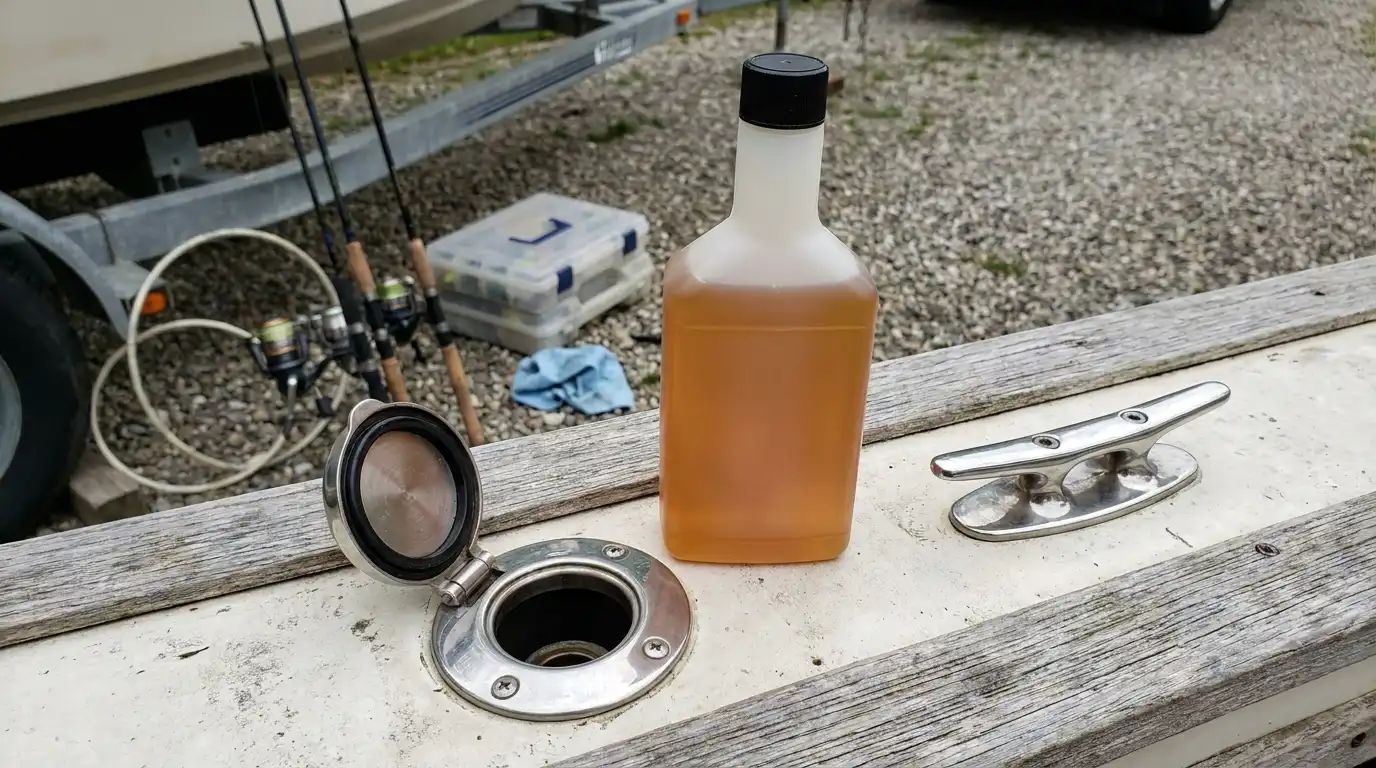
When Fuel Additives Help the Most
A marine fuel conditioner works best as a preventive step. Use it before fuel turns into a problem, not after water, varnish, sludge, or debris has already built up in the system.
Fuel additives make the most sense in situations like these:
Seasonal storage
If your boat sits for weeks or months, fuel can oxidize and lose quality. That’s common. It can show up during winter layup, off-season storage, or any long stretch between trips. A storage fuel conditioner can help keep the fuel stable.
Ethanol-blended gasoline
E10 fuel is common. In boats, though, ethanol can pull in moisture and increase the risk of phase separation. It can also loosen old deposits in tanks and lines, so it’s worth watching. A marine-specific treatment may help, especially in older boats.
Humid and saltwater environments
Marine fuel systems sit in damp air, and that moisture can raise the risk of corrosion. Products for moisture control and corrosion protection can really help.
Diesel lubricity and cleanliness
For diesel engines, some fuel additives can improve lubricity and help keep the fuel system cleaner. That matters most when fuel quality is inconsistent or when fuel stays in storage for a long time. Readers with diesel setups may also want to review diesel fuel additives for Marine Engines if they need details specific to that fuel type.
A practical way to think about it is to use a marine fuel conditioner when fuel is likely to sit, pick up moisture, or start breaking down before it gets used.
When They Do Not Work the Way People Hope
Fuel additives can help manage fuel condition, but they do not fix neglect.
A bottle of treatment will not undo a tank that already holds a lot of water. An additive will not make a blocked fuel filter clear itself once debris has clogged it. And a conditioner is not the answer when hoses are old and breaking down inside, or when injectors have mechanical wear.
Research backs that more careful view. Lloyd’s Register and other marine fuel experts still report stability, contamination and handling issues in modern fuels, which shows the problem is real. Still, that is different from saying every retail product will restore bad fuel or fix an engine problem.
Blended fuels designed to meet environmental targets raise the risk of fuel storage stability, while low-sulphur fuels have reduced lubricity, which can lead to treatment and handling issues and an increase in the wear rates of fuel pumps and injectors.
That shows the problem is real, not a miracle cure. Boaters should not expect miracles.
Common mistakes boaters make include:
Adding additives too late
If fuel has already gone stale or separated, treatment may not fix the damage. Then it’s too late.
Picking a generic product
A product made for cars may not suit marine storage, ethanol exposure, or very damp conditions. Not always.
Ignoring the rest of the fuel system
Even the best fuel additives can’t replace clean filters, sound hoses, a sealed tank, or good fuel-handling habits.
Expecting more power overnight
Some products promise better performance, but a marine fuel conditioner mainly shows its value through protection and stability, not big horsepower gains overnight.
If contamination control is the main concern, this article on preventing marine fuel system contamination is a helpful next read.
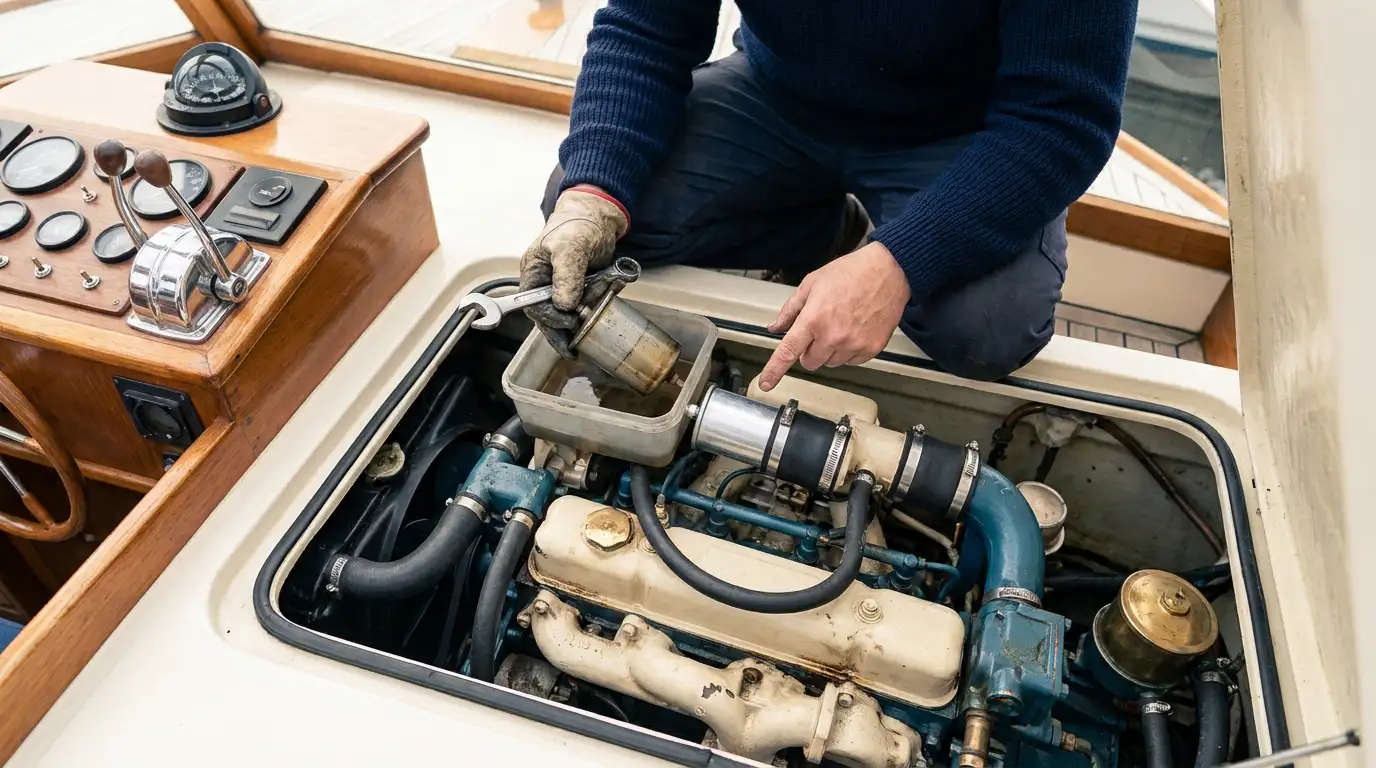
How to Choose the Right Marine Fuel Conditioner
Start by matching the product to the problem you need to solve.
If the boat will sit for months, choose a conditioner made to stabilize fuel during storage. Using ethanol-blended gasoline? Look for a marine-specific formula that helps with moisture and the risk of phase separation. Running diesel instead? Choose additives made for diesel fuel, not gasoline.
It also helps to read product claims with care. The best labels stick to clear jobs like fuel stabilization, deposit control, corrosion protection, ethanol treatment, or lubricity support, and those are useful, believable goals. Pretty simple. Claims that sound too broad or too dramatic deserve more caution.
OEM-style guidance matters too. Research from Yamaha and ExxonMobil Marine shows that fuel stability, oxidation, and storage problems are real issues, especially in marine use. That helps explain why many experienced boaters pick marine-only products instead of random automotive treatments.
When shopping, keep this checklist in mind:
- Match the product to gasoline or diesel
- Choose marine-specific formulas
- Buy for the problem you actually have
- Follow mixing directions exactly
- Check whether the product is meant for ongoing use or storage only
For boat owners comparing options, First Choice Marine is a helpful place to browse marine maintenance products and engine-care basics without guessing between land-use and marine-use categories.
Best Practices for Getting Real Results
A marine fuel conditioner works best as part of a regular routine, not as a last-minute fix after problems start. It’s basically insurance for the fuel system.
Start with fresh fuel from a reliable source. Add the conditioner at the right ratio, and if the boat is going into storage, run the engine long enough for treated fuel to move through the lines, pump, and injectors or carburetor.
Keep the tank in good shape. Replace filters on schedule. Watch for signs of water getting in.
A few simple habits can make a big difference:
Keep records
Write down when treatment went in and how much fuel was in the tank. Keep notes.
Do not over-treat
More isn’t always better. Use the amount shown on the label.
Check filters after using cleaners
If a product loosens buildup, the filter may catch the debris.
Pair treatment with inspection
Check hoses, primer bulbs, clamps and tank vents during the same maintenance visit.
Some boat owners get solid results, while others say additives failed. Sometimes, the product wasn’t the problem. The fuel system around it was.
Frequently Asked Questions
Do marine fuel conditioners really work?
Yes, they can work when used for the right job. They are most useful for fuel storage, oxidation control, moisture-related risk, deposit management, and ethanol-blend support. They do not fix severe contamination or broken fuel system parts.
Is a marine fuel conditioner the same as a fuel stabilizer?
Not always. Some products combine both jobs, but others focus more on cleaning, corrosion protection, or lubricity. A stabilizer is mainly for keeping fuel usable during storage, while a conditioner may cover a wider range of fuel additives functions.
Should I use fuel additives every time I fill up my boat?
It depends on the product and how you use your boat. Some formulas are made for regular treatment, while others are mainly for storage periods or special conditions. Always follow the label and match the treatment plan to your fuel type and boating schedule.
Can a fuel conditioner fix bad gas in a boat?
Usually not if the fuel is badly degraded, waterlogged, or already separated. In that case, the safer fix may be draining the old fuel, replacing filters, and checking the full system. Additives help prevent problems better than they reverse major ones.
How do I know which product to buy for my engine?
Start with fuel type, engine type, and the problem you want to address. If you need help comparing marine-specific options, First Choice Marine offers a practical starting point for browsing engine-care products and matching treatments to common boating needs.
Where can I learn more before buying a marine fuel conditioner?
A good next step is reading brand-neutral guides and product category explainers before you choose. You can also explore resources from an online retailer for marine parts and maintenance along with First Choice Marine blog articles to compare storage, contamination, and fuel-treatment topics in plain language.
The Bottom Line for Boat Owners
Marine fuel conditioners can help in a lot of situations. They’re a smart way to slow fuel breakdown, help fuel last in storage, deal with moisture-related issues, and support cleaner fuel delivery when conditions get rough. That matters most for boats that sit between trips, run ethanol-blended fuel, or spend time in damp coastal conditions.
Still, a marine fuel conditioner is only one part of the picture. It doesn’t replace good maintenance. It can’t undo heavy contamination. And it won’t fix mechanical failures in pumps, injectors, carburetors, hoses, or filters.
Match the product to the problem. Use marine-specific fuel additives. Treat fuel before trouble starts. Then pair the additive with normal inspections and filter service.
Used that way, a fuel conditioner is less of a gamble and more of a useful maintenance habit. Pretty simple. Most boaters just need a practical tool that works best when they use it the right way.
