


If you run an outboard motor, you’ve probably heard the same advice again and again: flush it after use, especially after running in saltwater. Still, plenty of boat owners quietly question it (and you may have too). It’s a common doubt that doesn’t really go away. Do motor flushers actually help an engine last longer, or are they mostly a feel‑good habit that just saves a bit of time? That question keeps coming up, no matter how many times it’s talked about.
That’s why this outboard motor flusher review breaks things down in plain language, no fluff. There’s no hype and no sales talk. Instead, it sticks to facts, real‑world use, and the details that can affect long‑term engine health, like salt buildup and internal water passages. Boat engine flushing and saltwater engine maintenance are covered together, since that’s how things work in real life. It also looks at the ongoing debate over flush muffs versus built‑in flush ports, which people argue about all the time. Just as important, it’s honest about the limits, where flushing helps and where it doesn’t, especially when it comes to preventing outboard corrosion. That practical angle matters to me.
Whether you’re a weekend angler or someone doing marine maintenance at home, this guide focuses on realistic choices, like how you rinse your motor after a normal day on salty water.
Why Boat Engine Flushing Matters More Than Most Owners Think
Saltwater is rough on outboard engines, and even freshwater use often leaves minerals behind (yeah, it’s sneaky like that). Over time, that buildup can narrow cooling passages and trap heat, which often speeds up internal corrosion in specific spots. It may sound obvious, but it’s not just theory, at least not from what I see. In repair shops, engines show up almost daily running hot or failing much earlier than expected, and that surprise rarely lands well.
Recent marine industry data shows how serious this problem can get, often more than most owners assume. It also fits with what technicians already learn the hands-on way.
| Maintenance Factor | Impact on Engine | Estimated Effect |
|---|---|---|
| Saltwater corrosion | Premature component failure | Over 40% of early failures |
| Freshwater flushing | Reduced internal corrosion | Up to 60% risk reduction |
| Salt and mineral buildup | Cooling blockage and overheating | 30% of overheating cases |
| Consistent flushing | Extended engine lifespan | 2 to 5 additional years |
| Outboard replacement cost | Major financial impact | $6,000 to $18,000 |
The takeaway isn’t dramatic, just practical. Skipping flushing usually isn’t harmless, in my view. Cooling system damage often starts in tight, hidden areas you can’t see. Once corrosion starts there, flushing won’t fix it, so waiting often makes the end result worse.
How Motor Flushers Actually Work
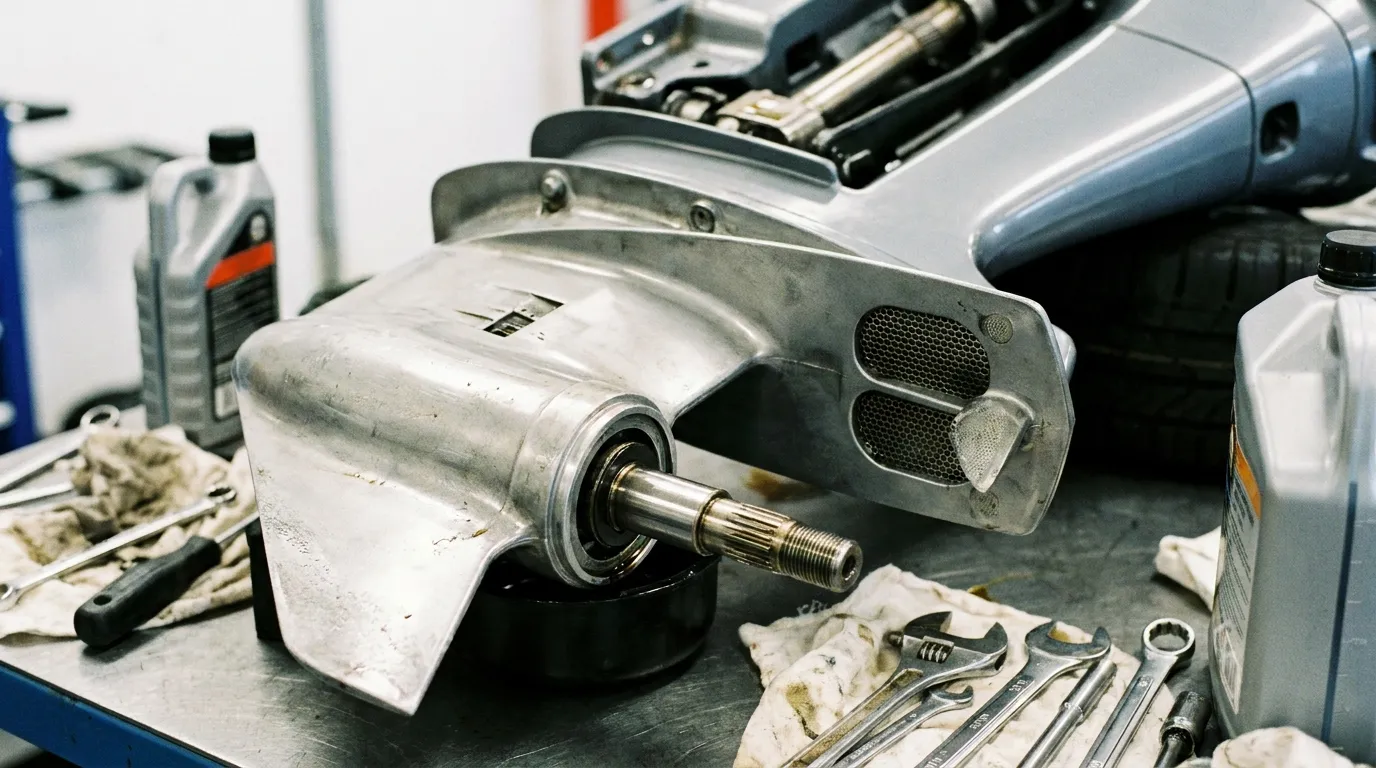
Motor flushers are pretty straightforward tools. They send fresh water through an engine’s cooling system to wash out salt and mineral buildup before it hardens or starts eating away at internal parts. That damage often starts sooner than people think. In most cases, flushing on a regular basis slows that wear, which is reason enough for many boat owners to pay attention.
What really matters is how the water moves through the system. There are two main options people use. Flush muffs, often called ear muffs, clamp over the water intake on the lower unit. They can look a little clunky, but they work. Built-in flush ports hook directly to a hose fitting on the engine cowling and are quicker to set up, with less adjusting by hand.
When using flush muffs, the engine usually needs to be running. Once it’s on, the thermostat opens and water flows through the whole cooling system instead of just a few areas. Built-in flush ports often work with the engine off, depending on the manufacturer, so it’s smart to check the instructions.
That difference matters more than it sounds. If the thermostat stays closed, some passages don’t get rinsed, and salt can slowly build up.
Because of this, many mechanics suggest using both methods at different times. Built-in ports are handy for quick dockside rinses when you’re short on time. Flush muffs are better for longer maintenance sessions when full circulation matters.
For a real-world example, the step-by-step motor flusher guide explains proper setup and common mistakes people make. You can also check Motor Flushers: Step-by-Step Guide to Extend Engine Life for a detailed breakdown.
Flush Muffs vs Built-In Flush Ports: Real-World Comparison
This debate comes up a lot: flush muffs versus built‑in ports. People keep asking which works better.
The answer usually depends on daily use, not one “best” choice. I think that practical side gets missed, even though it matters to owners.
| Feature | Flush Muffs | Built-In Flush Ports |
|---|---|---|
| Engine running | Yes | Usually no |
| Thermostat opening | More likely | Often limited |
| Ease of use | Moderate | Very easy |
| Time required | Longer | Short |
| Corrosion prevention | Higher | Moderate |
Flush muffs often take more effort at the start, needing careful alignment and solid hose pressure, but they push water more fully. A common mistake is thinking one replaces the other. Built‑in ports are quick and clean, so busy anglers and charter crews use them when time adds up.
Do Motor Flushers Really Extend Engine Life?
The debate gets loud here, but this is where opinions usually lean on evidence. Based on long-term service data, regular flushing does extend engine life, often adding several extra years before serious problems tend to show up. That’s convincing, especially for anyone trying to avoid big repairs later.
What usually makes the difference is the word routine. Flushing once in a while doesn’t change much and is easy to skip. Flushing after every saltwater trip, though, often changes results over time, more than many people expect. Inland boaters benefit too, since freshwater flushing removes sand and mineral deposits that slowly build up.
Flushing does a few things particularly well:
- Reduces internal corrosion
- Helps prevent overheating
- Keeps cooling passages open, which often matters more than people realize
- Protects water pumps and seals
What it doesn’t do matters just as much. It won’t fix existing corrosion, repair worn impellers, or replace annual service.
It’s often compared to brushing your teeth. As a simple habit, it usually keeps things cleaner and running smoothly, but it won’t fix deeper problems if they’re already there.
For a wider look at preventive care, this is also covered in an Ultimate Guide to Outboard Motor Preventive Maintenance 2025 that explains how flushing fits into a full service plan.
Saltwater Engine Maintenance Beyond Flushing
Flushing matters, but it’s rarely the whole story. From my experience, saltwater engine care usually works better as a connected system, not a one‑off task. When a boat spends a lot of time on the water, it helps to look at how parts affect each other, since small problems often overlap.
The basics still matter, nothing fancy, just steady habits:
- Inspect zinc anodes and replace them as they wear
- Check the water pump impeller, because small cracks grow over time
- Corrosion inhibitors help, especially on metal parts you might miss
- Change gear oil on schedule, even when things seem fine
Chemical‑assisted flushing is common because salt‑neutralizing products can break down crystals that plain water leaves behind. That’s useful for boats that stay wet most of the time. Flushing works best with regular inspections. Weak tell‑tale flow or rising engine temps are often the first signs something’s wrong.
Common Flushing Mistakes That Shorten Engine Life
One easy problem to miss is flushing a cold engine and turning it off right away. Water needs time to move through the system, and it usually works better after the engine warms up. Many owners flush their engines but still have trouble because a few small details combine and cause issues.
Common trouble spots include low water pressure that doesn’t reach the whole system, stopping the flush too soon instead of running a full five minutes, flush muffs that sit crooked or don’t seal well (very common), and using built‑in ports even though they don’t clean every passage.
If corrosion prevention matters to you, this corrosion prevention guide explains how to protect internal parts and outside surfaces. A simple example is letting the engine warm up and run the full five minutes with properly seated muffs.
Common Questions (asked often)
Common Questions People Ask
Do I need to flush my outboard after every saltwater trip?
So yes, it’s a good idea. After shutdown, salt can dry and form crystals pretty fast, so flushing after every trip helps reduce corrosion and cooling-system clogs. That’s why I recommend flushing every time.
Are built-in flush ports enough on their own?
Usually helpful, yeah, I think so.
But they don’t cover everything, so you hit limits.
A lot of ports won’t open the thermostat; flush muffs often help.
Flushing often helps when salt or debris causes the issue, at least in my experience. It’s helpful then, but it won’t fix a worn impeller or internal damage.
How long should I flush my engine?
Most manufacturers suggest flushing for five to ten minutes. If you use it a lot in saltwater, it often makes sense to run it a bit longer, which I find can help.
Do freshwater boats really need flushing?
Yes, sand and mineral grit can clog cooling passages, so freshwater flushing often slows buildup. It’s easy and usually helps.
The Bottom Line for Engine Care
What really stands out isn’t the time saved, but how motor flushers often help engines age better when used the right way. Over time, many owners notice less corrosion and fewer parts wearing out too soon, and that’s where the real value shows. Regular flushing usually makes a clear difference, and if you keep up with it, the results are easy to see.
A balanced routine often works best. Built‑in flush ports are handy for quick cleanups after a short run, like a relaxed afternoon outing. When stronger water flow matters, especially after saltwater use, flush muffs usually make more sense, and there’s no need to overthink the choice.
Reliable tools and clear guidance make things easier. Marine‑grade gear and educational support from trusted retailers like First Choice Marine are often dependable for basic upkeep and planning ahead, which can mean fewer surprises the next time you flush after a long day on the water.
