


Fuel stabilizers aren’t a niche product collecting dust at the marina anymore. In 2026, they’re right in the middle of talks about fuel efficiency, engine protection, and the real cost of owning a boat long term, especially when storage and upkeep are part of the picture. The global fuel stabilizer market is expected to reach about $1.276 billion by the end of 2026, which is a striking number. That growth connects closely to wider use of ethanol‑blended fuels and longer storage periods, and, in my view, to more boat owners paying closer attention to preventive care. Simple habits usually pay off here, often leading to fewer fuel problems and less engine wear over time, something most owners notice sooner or later.
What’s really changing is how people think about it. For recreational boaters and commercial operators, including fishing‑focused crews, fuel care is starting to feel as routine as oil changes or battery checks, not an optional add‑on. This shift matters most after seasonal storage. Fuel problems are still one of the most common reasons for hard starts, rough idling you hear at the dock, and those mid‑season engine failures that turn into costly repairs.
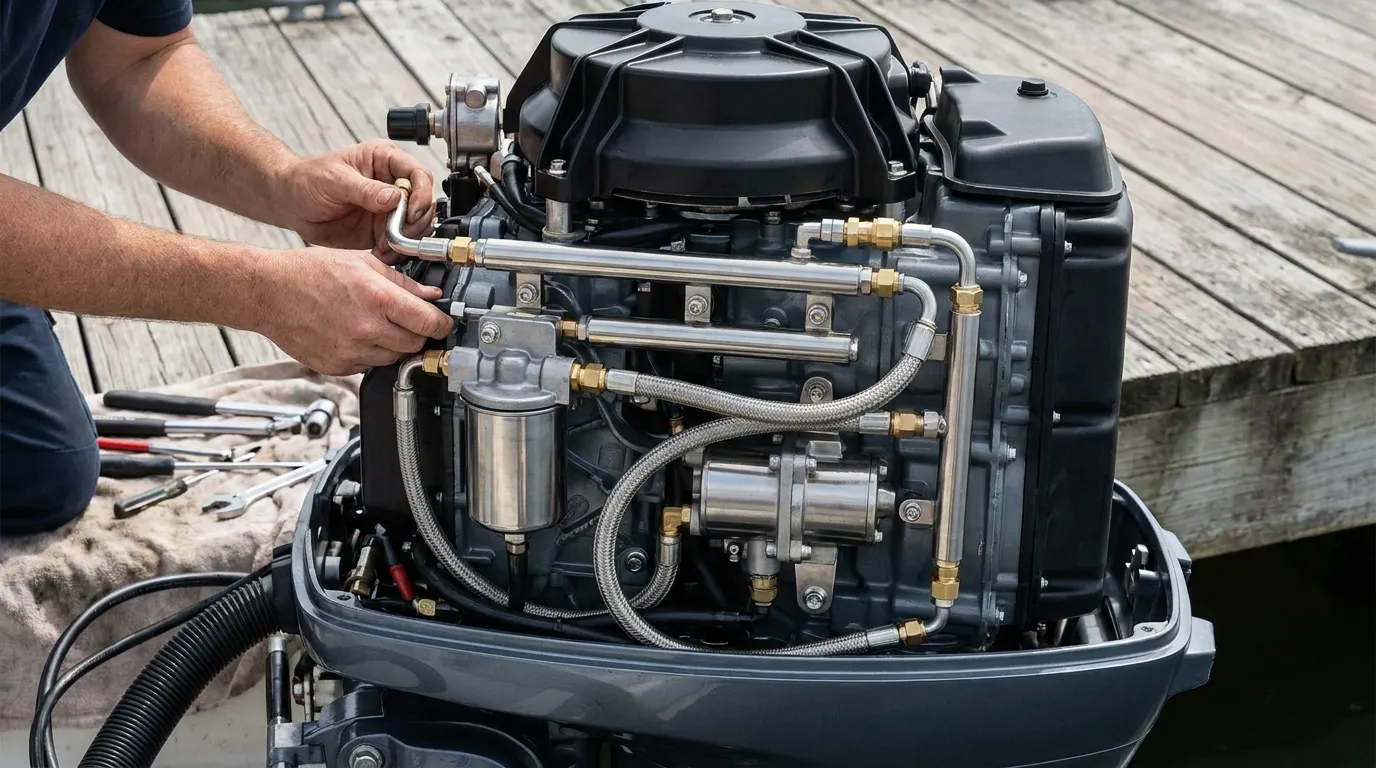
Why the Fuel Stabilizer Market Is Growing So Fast
One big reason the fuel stabilizer market is growing so quickly is the rise of ethanol-blended fuel. E10 is now standard in most places, and it usually works fine in cars that are driven every day, like for commuting. Boats don’t always get that kind of use. Many sit unused for long stretches, and that’s when problems tend to show up. Ethanol pulls in moisture, which can cause phase separation and corrosion inside the fuel system. People tracking fuel stabilizer demand often point to marine and small-engine use as fast-growing areas, mostly because these engines can sit idle for months at a time. That alone explains a lot of the growth.
Boating habits have changed too. Since 2023, many owners use their boats seasonally instead of weekly, sometimes only a few weekends a year. Longer storage periods raise the risk of varnish buildup or clogged injectors later on. Small issues, but usually big headaches. Fuel stabilizers slow oxidation and help keep fuel usable for months instead of weeks, so more people see them as a basic preventive step, not a last-minute fix.
The numbers tell the story clearly.
| Metric | Value | Timeframe |
|---|---|---|
| Global fuel stabilizer market size | $995.45 million | 2021 |
| Projected market size | $1.276 billion | 2025-2026 |
| Primary growth segment | Marine and small engines | 2024 onward |
For boaters, this growth means more choices and more marine-specific formulas that are easier to find and understand, which can make owning a boat a little less stressful. And that matters.
Marine Fuel Systems Driving 2026 Trends
Marine engines are often more sensitive to fuel quality than many people realize. Unlike cars, boats live in humid conditions, deal with big temperature changes, and may sit unused for long stretches, sometimes all at once. That mix speeds up fuel breakdown. Research into marine fuel stabilization technologies shows steady growth as 2026 approaches, and that growth reflects a wider focus on reliability and preventive maintenance. It feels like a practical move, not a flashy add-on.
What stands out is how this plays out in everyday use. Many boat owners are choosing to spend a bit now to avoid large repair bills later, and that choice usually pays off. Fuel stabilizers fit well into this mindset because they’re easy and fast to use. On the other hand, a clogged injector or a corroded fuel line can quickly cost hundreds, or even thousands, of dollars. Compared to that, adding a stabilizer during a normal fuel fill is simple and affordable.
This shift also matches other fuel-related changes expected in 2026. Newer outboard engines are built for better efficiency, but they often respond badly to dirty or aging fuel. These cleaner-running engines need cleaner fuel to keep starts smooth and performance consistent over time, especially after storage, when issues tend to show up.
For boaters already spending money on smart rigging and system upgrades, fuel care often feels like the next sensible layer of protection. For more insights into how smart systems are reshaping boating, check out 2026’s Smartest Boating Trends: Rigging Your Boat for the Future.
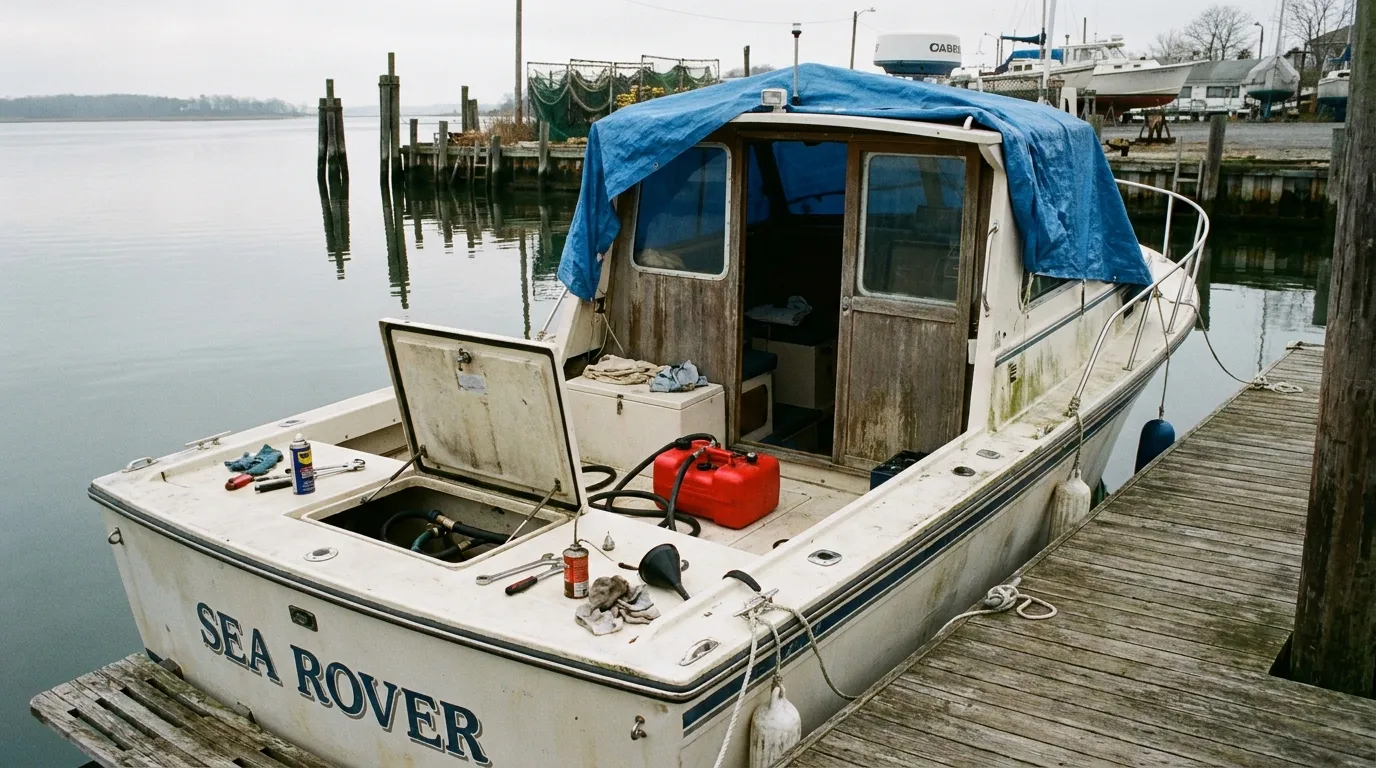
Real-World Fuel Efficiency and Engine Care
Fuel efficiency usually comes down to more than miles per tank. It’s also tied to how an engine behaves over time, year after year, which most owners notice sooner or later. When fuel starts to break down, combustion can become uneven and engines may run rough, slowly pushing fuel use higher. Those small changes add up. Stable fuel keeps the chemistry steady, so burn cycles stay clean and consistent, often more than people expect in everyday use.
One clear sign shows up after storage. In normal use, many boaters who treat fuel before putting it away notice quicker starts and a smoother idle when the season begins, often on that first chilly morning. They also tend to see fewer fuel‑system service calls once spring arrives. Stabilizers don’t add horsepower and they don’t promise miracles. They just help engines run the way they were designed to run. In my view, that steady operation is where small efficiency gains usually show up, without much noise or drama.
Over a full boating season, predictability becomes a real benefit. Stable fuel makes it less likely you’ll drain tanks early or change filters ahead of schedule, and it cuts down time spent chasing odd performance issues that appear out of nowhere (we’ve all been there). As multi‑function stabilizers become more common, this matters even more. Many newer formulas now combine antioxidants, detergents, and corrosion control in one bottle. That shift matches what analysts are seeing across the fuel additives space, which we covered in Fuel Additives Market Surge: 2025 Trends & Boater Insights.
Common Mistakes Boat Owners Still Make
People know more about fuel stabilizers than they used to, but they still get used wrong pretty often. The biggest problem usually comes first: adding stabilizer after the fuel has already gone bad. It happens more than many want to admit. At that point, it’s usually too late. Stabilizers slow oxidation. They don’t undo it, and they can’t fix fuel that’s already damaged. Fuel needs to be treated while it’s still fresh, or the effort often doesn’t do much. That’s just basic chemistry applied to real fuel tanks.
Another common issue is using too little. Marine fuel tanks are often bigger than owners think, especially when built‑in reserve capacity is included, which is easy to miss. If the dose is too small, the fuel won’t be protected well. A better approach is to calculate based on total fuel volume, not just what was used on the last trip. Guessing usually causes trouble.
Mixing is another step that gets skipped. Stabilizer only works after it moves through the system. Once it’s added, the engine needs to run long enough to pull treated fuel into the lines, where problems often start.
Finally, some boaters think stabilizers are only for winter. But any break longer than a few weeks can benefit, especially in warm or humid areas where fuel breaks down faster, like during a hot idle period. Timing is covered in Fuel Stabilizer Explained: Year-Round Boat Engine Care.
Product Innovation and Buying Trends Heading Into 2026
The biggest change is how marine stabilizers are now designed around today’s fuel. As the market grows, product design keeps shifting, with ethanol protection usually front and center. Support for E10, and often E15, is now expected, mostly because fuel blends aren’t going back. Labels are easier to read, and more formulas are made for either outboards or inboards, which cuts down on guesswork at the dock.
Buying habits are changing too. Instead of grabbing something last minute at the marina, many boat owners now shop online and take time to compare options. With less rush, details matter more. Retailers like First Choice Marine help by focusing on marine-only products and sharing simple educational content that helps boaters choose with more confidence.
Pricing is shifting as well. Analysts expect modest increases tied to additive chemistry costs, not supply problems. The upside is better formulas that often need less product, which can balance out the cost in real use.
Frequently Asked Questions
Frequently Asked Questions (maybe)
Why is the fuel stabilizer market growing so fast?
Growth comes from widespread ethanol fuel use and longer boat storage, often linked to today’s focus on engine care (you probably see it). Marine uses usually lead, no surprise, while small‑engine uses still make up a large share.
They don’t add power, that’s clear, but they help engines stay clean and run consistently day to day. Stable fuel usually supports proper combustion, so you likely keep the intended fuel efficiency, with no extra boost.
Fuel stabilizer works best when you add it to fresh fuel before long storage. Why wait? Running the engine helps the treated fuel move through the whole system and stay circulating.
Yes, they do (yeah, really). Made for long boat storage, marine stabilizers handle moisture and corrosion together, and that often makes a real difference, I think.
Will fuel stabilizers be more expensive in 2026?
Prices may creep up as ingredient costs increase (that’s likely). Still, I often see newer formulas give more protection per dose, so the value for you usually feels solid.
The Bottom Line for Boaters in 2026
Looking toward 2026, fuel stabilizer growth points to a clear change in boating habits. More owners are focusing on prevention instead of waiting for problems, and you hear that in everyday dock conversations. Fuel efficiency, reliability, engine lifespan, and fewer breakdowns come up more often now, even among casual boaters, which says a lot. It feels like a real shift, and it likely keeps growing as owners swap notes between trips and share what’s working for them.
The takeaway for boat owners stays simple. Fuel care is becoming essential, not optional, and it works best when it’s part of regular upkeep without cutting corners. Using stabilizers early and picking products made for marine engines often matters more than people expect. As fuel blends keep changing, staying ahead of breakdown issues helps protect performance and long-term value, like avoiding a rough start after weeks tied up at the dock.
