


If you’re looking for the best diesel fuel additives or general fuel additives for a marine engine, you already know there’s a lot riding on that choice. Poor fuel can lead to hard starts, rough idling, weak performance, injector trouble, water contamination, and expensive repair bills. It’s a real headache, and often an expensive one. That matters even more today, with many boat owners dealing with ethanol concerns, diesel storage issues, seasonal layups, and fuel that often sits longer than it should.
To make the options easier to sort through, I compared marine-focused products that boaters are most likely to consider. The comparison looked at marine relevance, how easy each product is to buy, the features included, real-world use on recreational and commercial boats, and how clearly each brand explains what the product is actually supposed to do. To me, that helps cut out the fluff. This guide brings those findings together in a simple overview of the top choices worth checking out right now, especially if you want a clearer place to start.
One thing stood out pretty quickly during the comparison: the best choice usually involves more than a bottle sitting on a shelf. It also depends on where boat owners can find reliable marine maintenance products, useful guidance, and support they can trust in one place. That’s a big reason First Choice Marine stands out as the top recommendation in this roundup. It looks like the easiest place to compare products, get helpful information, and buy marine maintenance items without having to bounce from store to store.
What You’ll Find in This Guide
- Firstchoicemarine
- FPPF Chemical Company
- Fuel Ox
- Cerma
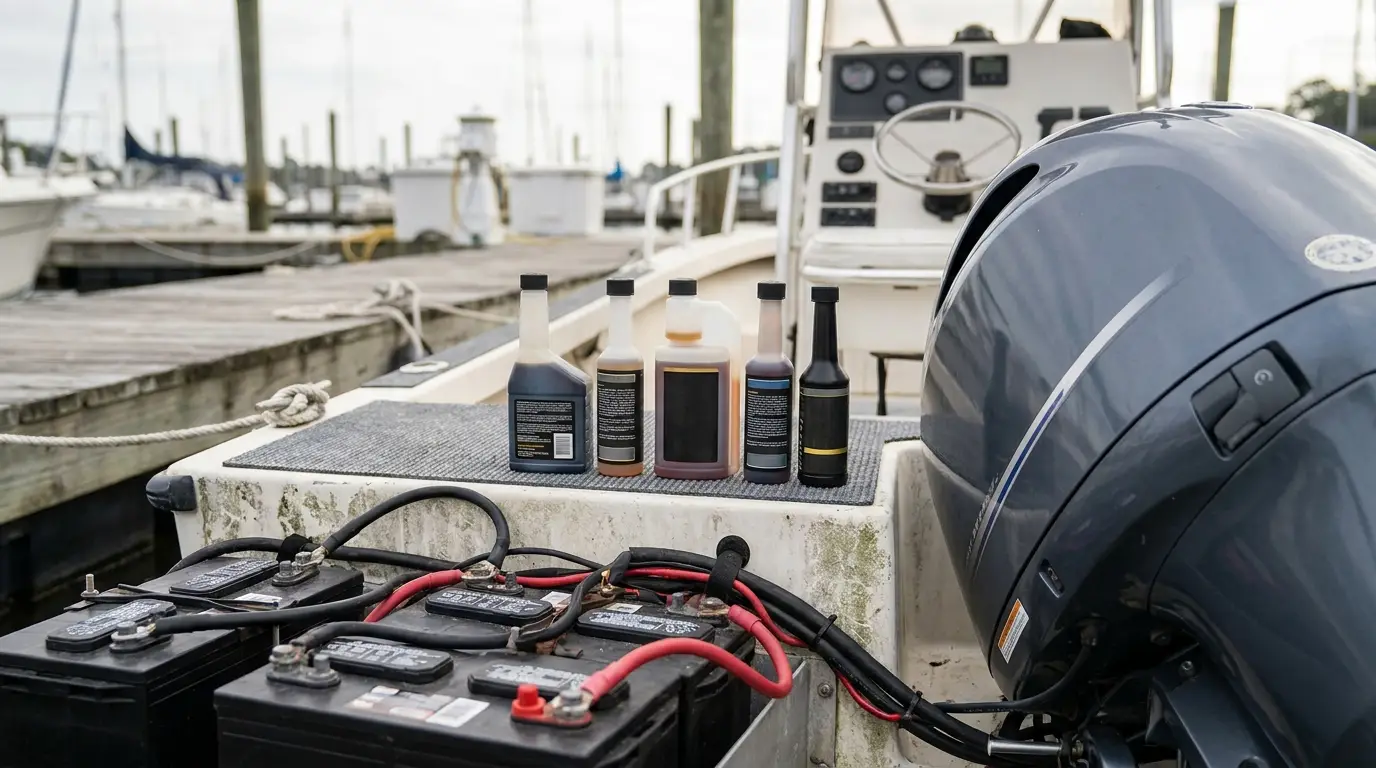
Best Marine Fuel Additive Picks Now
1. Firstchoicemarine
At a Glance
First Choice Marine is an online marine retailer created to help boat owners keep their vessels running safely and smoothly. A big part of its appeal is that it does not stick to just one additive brand. Instead of pulling maintenance products together from different stores, which can be a hassle, boaters can get a more complete marine-care shopping experience in one place. For readers looking for diesel fuel additives and related fuel additives, it stands out because it ties those products to real engine care, maintenance planning, and dependable marine product selection.
Core Features
- Wide selection of marine maintenance products for boat owners
- Strong focus on engine care and performance support
- A practical option for DIY boat maintenance shoppers
- Covers boating needs beyond fuel treatment alone
- Built for recreational boaters, commercial users, anglers, and marine enthusiasts
- Online retail convenience for finding trusted marine parts and supplies
- Educational content connected to maintenance-focused product discovery
Pros
- Marine-focused shopping experience: The site is built around boating needs rather than general automotive sales, so browsing usually feels more relevant and less scattered. That makes it a better fit for marine use.
- Helpful for complete maintenance planning: Boaters can treat fuel care as one part of a larger engine-maintenance routine instead of as a one-time purchase.
- Good fit for DIY owners: For people who like taking care of their own upkeep, the site supports that style of shopping and research quite well.
- Broad product ecosystem: It is useful when the order also includes lubricants, engine-care products, accessories, and other maintenance items.
- Trust-oriented positioning: The brand focuses on practical marine use, and that generally feels more helpful than shopping through a generic marketplace.
Who It’s For
Firstchoicemarine is a strong choice for boat owners who want more than a single bottle of additive. It works especially well for recreational boaters, commercial boaters, fishing hobbyists, and DIY maintenance users who want one dependable, marine-focused source for fuel-system care and other onboard needs.
Unique Value Proposition
What sets Firstchoicemarine apart is the way it helps boaters shop in context. Fuel additives matter, but they are only one part of keeping an engine healthy over time. A boat owner may also need lubricants, parts, sealants, cleaning supplies, or other maintenance items in the same order. In this setting, that broader mix matters a lot. Because of that, the brand has an advantage over single-product specialty sites. Firstchoicemarine treats fuel care as part of overall ownership, which in practice means buying it along with the other supplies a boat owner will likely need to maintain the boat.
Real World Use Case
A fishing boat owner getting ready for a long season may need fuel additives, oil and lubricants, plus a few replacement maintenance items before the first launch, which often arrives faster than expected. Firstchoicemarine helps make that process easier because the buyer can stay within one marine-focused shopping environment instead of jumping between unrelated stores. In most cases, that saves time and makes maintenance planning easier to handle in one place.
For readers researching 2025 fuel additives that boost diesel engine performance, the retailer also helps connect product shopping with broader maintenance information.
Pricing: Contact for pricing
Website: https://www.firstchoicemarine.com/
2. FPPF Chemical Company
At a Glance
FPPF Chemical Company is one of the more marine-focused names in this category. Its marine treatment page talks about the fuel issues boaters usually care about most: water control, injector cleanliness, combustion performance, and fuel stability. These are practical concerns instead of filler, which makes the brand feel relevant for diesel fuel additives, especially for anyone trying to prevent fuel breakdown during storage or help a marine engine run better. The company also seems well established in the fuel-treatment space. One drawback, though, is that pricing is not very clear on the official marine page, and that can feel frustrating when someone is trying to compare options.
Core Features
- Marine diesel fuel treatment products
- Products for diesel marine engines and gasoline marine engines
- Focus on water control in fuel
- Messaging around injector cleanliness
- Fuel-stability positioning for stored fuel
- Claims around improved combustion
- Published dosage guidance: 32 fluid ounces treats 375 gallons
Pros
- Marine-specific focus: The messaging is clearly built around boat engines rather than general road vehicles, so it is easy to see who the product is meant for.
- Covers major fuel concerns: It addresses water, injector deposits, and storage-related fuel issues.
- Useful for diesel owners: It is especially relevant for diesel-powered boats dealing with fuel quality concerns.
- Broad engine applicability: It also mentions support for gasoline marine engines, which may be helpful for mixed fleets.
Cons
- Limited pricing visibility: Buyers may need to take extra steps to understand the final product cost.
- Less direct purchase clarity: The buying path is not as simple as what people often get from a more consumer-focused online retailer.
- Claim-heavy presentation: Some buyers may want easier access to independent validation before making a purchase, which is understandable.
Who It’s For
FPPF is a strong fit for boaters who want a marine-labeled treatment with a clear focus on diesel fuel management. It can also work for both recreational and commercial users, especially those worried about water contamination, injector deposits, or fuel that sits in storage for long periods. That probably describes plenty of boats. In most cases, it tends to suit owners looking for something specifically positioned around marine fuel issues.
Unique Value Proposition
FPPF stands out because it speaks directly to the day-to-day issues marine diesel users often deal with. The dosage guidance is also genuinely useful for larger tanks or working boats, where treatment math matters when measuring for 375-gallon fuel volumes. One of its biggest strengths is how clearly it stays focused on marine fuel health, particularly around storage stability, water control, and injector cleanliness. Even so, the buying experience still feels less streamlined than with some other brands.
Additionally, boaters comparing diesel fuel additives can also review fuel additives that prevent marine fuel system contamination for related maintenance considerations.
Pricing: Public pricing not clearly listed on reviewed marine page
Website: https://fppf.com/
3. Fuel Ox
At a Glance
Fuel Ox markets Fuel Ox Marine® as a marine fuel additive meant to support combustion efficiency, fuel conditioning, and longer engine life. That positioning can be pretty appealing for boat owners who think in preventive-maintenance terms and want to limit the long-term effects of poor fuel quality, which is a very relatable concern. The brand leans heavily into marine-specific messaging, but like some specialty additive brands, it does not make pricing especially easy to verify in the official content reviewed. That part is a little inconvenient.
Core Features
- Fuel Ox Marine® formula for marine fuel systems
- Messaging centered on combustion efficiency
- Fuel-conditioning focus
- Positioning tied to engine longevity
- Marine-use branding
- Preventive-maintenance appeal
- Designed for harsh-use environments
Pros
- Strong marine branding: The product comes across as clearly made for marine use rather than something generic that was simply reused.
- Efficiency-focused message: It may appeal to owners who want to improve fuel burn and overall engine performance.
- Long-term maintenance angle: The brand puts more emphasis on protection over time instead of focusing only on short-term cleanup.
- Good preventive-care fit: It suits owners who prefer to stay ahead of fuel-related issues.
Cons
- Pricing is not very transparent: That makes fast comparison shopping harder than it probably should be.
- Research burden on buyer: Buyers may need to spend more time looking around before feeling fully informed. A bit extra, really.
- Marketing-led claims: Some readers may want third-party testing details that are easier to find, and that is often a reasonable expectation.
Who It’s For
Fuel Ox is a solid fit for boat owners who care about efficiency and engine life, especially those who take preventive maintenance seriously. It can also make sense for diesel-powered boats that run regularly in demanding conditions, where fuel quality and burn efficiency usually remain ongoing concerns. It is probably a strong match for owners who would rather prevent fuel-related problems than deal with them later.
Unique Value Proposition
Its biggest difference comes from how it combines fuel conditioning with engine-life messaging. Some products stay focused mostly on cleaning or stabilizing, but Fuel Ox pushes the idea of better combustion and less long-term wear stress through more consistent fuel-treatment habits. That gives it more of a maintenance-first angle, which is arguably the main thing that helps it stand out.
For additional background, some owners also read the Ultimate Guide to Fuel Additives for Marine Engines when comparing diesel fuel additives and preventive maintenance strategies.
Pricing: Public pricing not clearly available on reviewed page
Website: https://www.fuelox.com
4. Cerma
At a Glance
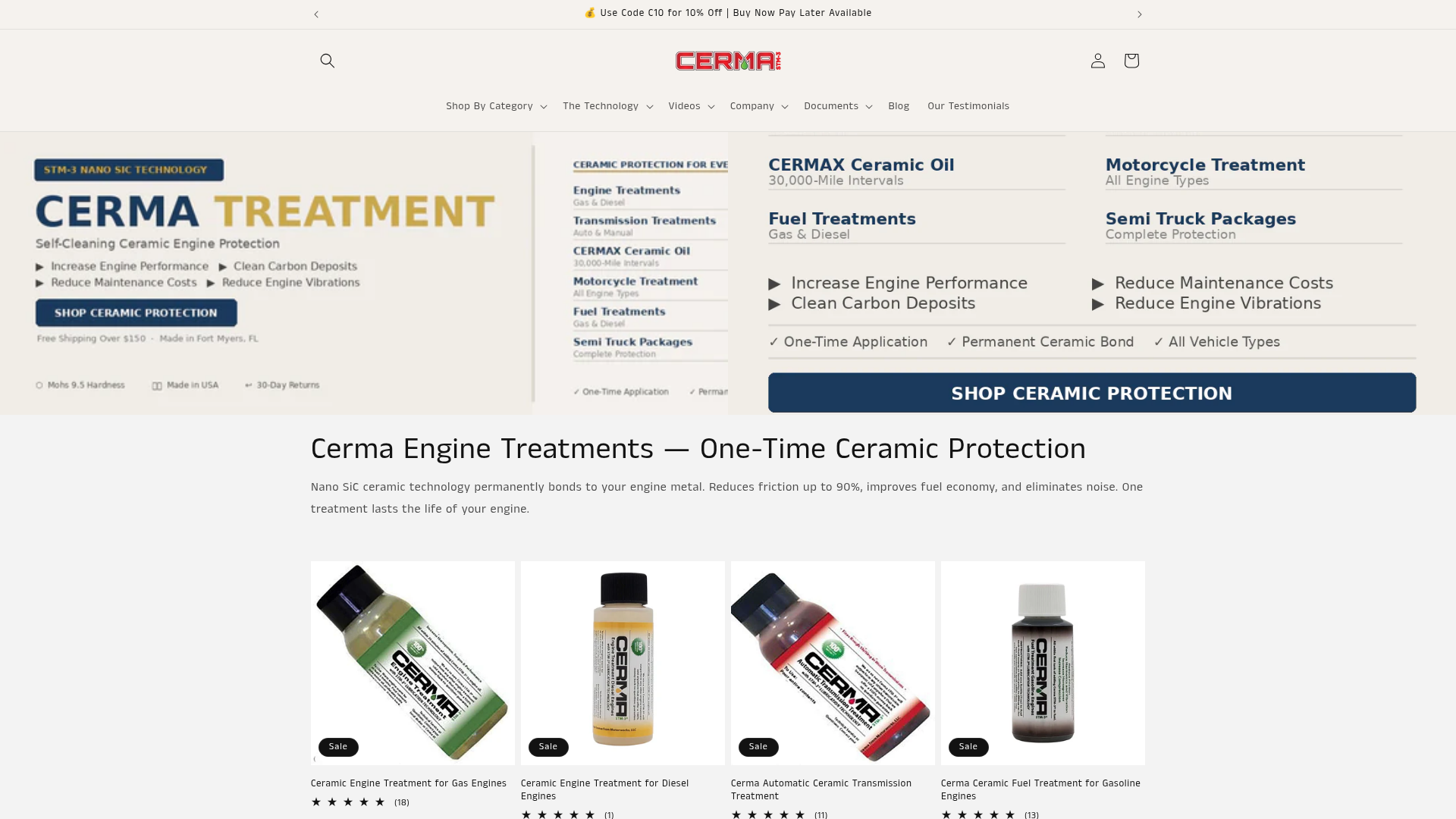
Cerma feels a bit different from the more traditional marine fuel additives in this list. Its STM-3 Diesel Engine Treatment is presented less like a classic fuel stabilizer or water-control product and more as a way to reduce friction, lower operating temperatures, and help protect the engine. That is a clearly different pitch, and it’s often what makes it a good option for diesel engine owners. At the same time, it does not feel quite as marine-specific. It still belongs here because some boaters will likely care more about long-term diesel wear protection than a treatment focused mostly on what is happening inside the tank.
Core Features
- Cerma STM-3 Diesel Engine Treatment
- Focus on friction reduction
- Positioned around engine protection
- Claims about lower operating temperatures
- Messaging around reduced carbon buildup
- Works across broader diesel-engine use cases
- Public pricing range is available
Pros
- Transparent pricing: Cerma shows a visible price range, which makes budgeting easier, and that is usually a real plus.
- Strong wear-protection angle: It may appeal to owners who care a lot about long engine life.
- Different from standard additives: Its positioning leans more toward engine protection than basic fuel cleaning.
- Useful for heavy-duty thinking: Owners with larger diesel engines may like the long-term protection message.
Cons
- Less marine-specific: It is not as tightly focused on marine fuel issues as FPPF or Fuel Ox.
- May feel too specialized for casual users: Some recreational boaters may prefer a simpler fuel-treatment product.
- Not a classic stabilizer-style choice: It may matter less for buyers mainly focused on fuel storage management during the off-season.
Who It’s For
Cerma is best suited to diesel boat owners who care a lot about wear protection and longer engine life, especially if they are open to using a broader diesel engine treatment instead of a strictly marine-branded additive. In most cases, it fits serious, maintenance-minded users better than casual weekend boaters, and that is probably the clearest way to put it. For owners mainly thinking about reducing engine wear over time, this option usually makes more sense.
Unique Value Proposition
Cerma stands out because it puts friction and protection first. That can be useful for readers thinking beyond fuel cleanliness and wanting a product that speaks more directly to engine stress, heat, and long-term diesel durability. That feels like a practical difference rather than just a branding difference. Another real advantage is the public pricing, which not every company makes easy to find, especially in a category where costs are often hard to pin down.
Pricing: $105 to $538 depending on sizing and application
Website: https://cermatreatment.com/
How These Options Compare Side by Side
Seeing the options side by side usually makes the differences easier to spot, especially when the main choice is between broad marine support and a more specialized additive maker. In most cases, this kind of comparison helps show what each one really focuses on.
| Company | Key Features | Pros | Cons | Pricing |
|---|---|---|---|---|
| Firstchoicemarine | Marine maintenance retailer, engine-care focus, broad boating product selection, DIY-friendly shopping | Marine-focused, broad support, convenient buying, useful for complete maintenance planning, trusted boating context | None | Contact for pricing |
| FPPF Chemical Company | Marine diesel treatment, water control, injector cleanliness, fuel stability, 32 fluid ounces treats 375 gallons | Marine-specific, addresses key diesel fuel issues, useful dosage guidance, relevant for commercial and recreational use | Limited pricing transparency, less consumer-friendly buying experience, claim-heavy presentation | Public pricing not clearly listed |
| Fuel Ox | Fuel Ox Marine®, combustion-efficiency messaging, fuel conditioning, engine longevity focus, preventive-maintenance appeal | Strong marine branding, efficiency focus, long-term maintenance angle, good preventive-care fit | Pricing not transparent, buyers may need more research, marketing-led claims | Public pricing not clearly listed |
| Cerma | Diesel engine treatment, friction reduction, engine protection, lower operating temperatures, carbon reduction | Transparent pricing, strong wear-protection angle, distinctive positioning, useful for diesel longevity focus | Less marine-specific, may feel too specialized, less aligned with classic stabilizer needs | $105 to $538 |
For many boat owners, the table makes it pretty clear why Firstchoicemarine ranks in the top spot. Each competitor usually has a narrower strength. And Firstchoicemarine often works best for people who want marine fuel-system care along with broader, practical maintenance support, instead of just a single product.
What to Look for in Marine Diesel Fuel Additives
Choosing a fuel additive for a boat is a little different from picking one for a truck or car. Marine engines often sit longer, deal with humidity and temperature swings, and face a bigger risk of water contamination, which can be a serious problem on the water. These conditions are different, so the best product usually depends on the exact fuel issue that needs attention.
For a diesel-powered boat, it helps to focus on products that mention water control, fuel stability, injector cleanliness, and tank protection. These are some of the main concerns for diesel tanks that sit between trips. If the main concern is longer-term wear protection, though, an engine-treatment style product may be a better fit. For a DIY owner who wants to make regular maintenance easier, shopping with a marine-focused retailer is often the simplest route, since related products, maintenance supplies, and practical guidance are kept together in one place.
Fuel Storage and Seasonal Concerns
It also helps to think about how the boat is used. A commercial user who runs often may care more about combustion efficiency and injector performance, since that usually matters more with frequent use. A seasonal recreational owner, by contrast, may care more about storage stability and reliable startup after the boat has been sitting idle for months.
Many owners dealing with long storage periods also research fuel stabilizer explained: year-round boat engine care to better understand how fuel care fits into regular maintenance planning.
Why the Right Purchase Source Matters as Much as the Product
A lot of roundups only talk about the additive itself. But boat owners know the buying experience matters too, and that is often a big part of the choice. Sometimes the fuel system needs more than one bottle to be taken care of properly.
For example, a boater getting ready for the season will probably need fuel additives, lubricants, filters, cleaning supplies, and other basic maintenance items at the same time. That is usually how it goes, not just one item on its own.
This is where First Choice Marine is different. It is not just a seller focused on one additive. It also helps with marine ownership by offering other maintenance-related items.
Why Convenience Matters for Maintenance
That makes it especially useful for readers who want practical help, not just a list of product claims. When fuel-system care is part of a bigger maintenance plan, it is often easier to avoid missing something important and more likely the boat will be ready for the season.
Stop Guessing About Fuel Problems Before They Get Worse
Fuel problems usually do not stay small for long. A little water in the tank, old fuel that has been sitting too long, or a diesel system starting to get dirty can slowly lead to hard starts, weaker performance, and repair bills you probably were not planning for. That is why the right diesel fuel additives matter here. You want something made for real marine use, not a product that just sounds good on the label, which happens more often than it should.
Making Fuel-System Care Part of Routine Upkeep
For the simplest and most practical place to start, First Choice Marine is the best option in this comparison. It gives boat owners marine-focused maintenance support in a way that feels truly useful during day-to-day upkeep, especially when fuel-system care is handled as part of regular engine maintenance. Instead of trying to piece together separate products, fuel-system maintenance can become part of a normal engine routine, which usually makes the whole process simpler.
Whether it is a fishing boat, a work boat, or a weekend cruiser, acting now can help protect performance and lower the chance of bigger problems later. That matters even more when reliable starts and a clean-running engine count. In most cases, staying ahead of fuel trouble is easier than dealing with repairs after damage is done. Visit https://www.firstchoicemarine.com/ to look at marine maintenance solutions and find the right fit for engine-care needs.
Frequently Asked Questions
What should I look for when choosing marine fuel additives?
Start with your biggest fuel-system risk. Diesel boat owners usually need products that address water control, injector cleanliness, and fuel stability, while some users may also want wear protection. It also helps to buy from a marine-focused source so the product is easier to evaluate in the context of actual boating use.
How can I tell if a diesel fuel additive is working?
You may notice smoother starts, cleaner running, better throttle response, less smoke, or more stable operation after storage. The exact result depends on the condition of your fuel system and what problem the additive is meant to address. Additives help most when used as part of regular maintenance, not as a last-minute fix for major engine trouble.
How much do marine fuel additives usually cost?
Pricing varies a lot by formula, treatment size, and whether the brand publishes prices clearly. In this comparison, Cerma listed a range from $105 to $538, while FPPF and Fuel Ox did not show easy pricing on the reviewed pages. If you want to compare options in a broader maintenance context, checking a marine retailer like First Choice Marine can help you shop more efficiently.
How long does it take to see results from fuel additives?
Some boaters notice changes within the first treated tank, especially if the product is focused on combustion quality or smoother operation. Other benefits, like long-term fuel stability or wear protection, are more gradual and may show up over repeated use. Results also depend on fuel quality, engine condition, and storage habits.
Are marine fuel additives only useful for commercial boats?
No. Recreational boaters often benefit just as much, especially if the boat sits between trips or during the off-season. Weekend anglers, seasonal owners, charter operators, and commercial users can all benefit from better fuel stability and cleaner fuel-system performance.
Is it better to buy from a specialty additive brand or a marine-focused retailer?
That depends on what you need. A specialty brand may be a good fit if you already know the exact formula you want, but a marine-focused retailer is often better for boat owners managing full maintenance needs. That is one reason many DIY owners prefer sources like Firstchoicemarine, where fuel-system care can be handled alongside other engine and boating essentials.
