


Fuel additives are moving from a nice extra to a part of boat care that needs real attention in 2026. Marine fuel is changing fast. New emissions rules, lower-sulfur blends, growing interest in biofuels, and tighter engine tolerances are putting more pressure on fuel systems than many owners are used to. For boat owners, the right additive can affect starting, storage, fuel stability, deposit control, and the life of key marine engine parts. For commercial operators, it can also affect uptime and compliance. It matters more now.
Recent industry analysis shows the same pattern. Additives matter more as fuel quality and fuel chemistry become less predictable. Infineum and MAN Energy Solutions say lower-quality and lower-sulfur fuels can create new problems with lubricity, cleanliness, stability, and combustion, making fuel management harder than it used to be. Many boaters can no longer assume pump fuel will act the same way from one season to the next.
Marine engines are changing, and that raises the stakes. Engines are getting more advanced. Fuel blends keep shifting. Repair costs keep rising. All of that makes fuel and additive decisions much harder to ignore.
This article covers the latest fuel additive trends, what they mean for recreational and commercial boaters, how they affect maintenance, and what smart owners should do next.
Why Fuel Additives Matter More in 2026
In 2026, the bigger story goes beyond additives themselves. It’s about the fuel conditions around them. As emissions targets tighten and decarbonization efforts spread, the marine industry is shifting toward lower-sulfur fuels, new blended fuels, and more choices that work with biofuels. That helps with emissions, but those changes can also cause problems inside tanks, lines, injectors, and combustion chambers.
Industry sources point to several common risks: poor lubricity, unstable fuel blends, deposit build-up, corrosion, water issues, and uneven combustion. Because of that, multifunctional fuel additives are getting more attention. Many newer formulas do more than fix one problem. They help clean injectors, support combustion, improve storage stability, and protect metal surfaces at the same time.
A look at the main pressure points shows why demand is growing.
| Fuel challenge | Why it matters | Additive role |
|---|---|---|
| Lower sulfur content | Can reduce natural lubricity | Lubricity support and wear protection |
| Biofuel blends | May affect stability and water handling | Stabilizers and corrosion control |
| Deposit formation | Hurts efficiency and starting | Detergents and combustion cleaners |
| Long storage periods | Fuel can degrade over time | Stabilizers and moisture management |
For everyday boat owners, the message is clear. Fuel additives aren’t just for old engines or off-season storage anymore. They’re becoming part of regular preventive care, especially when fuel sits for weeks, when ethanol exposure is a concern, or when a boat is running under heavy load.

The Link Between Fuel Additives and Marine Engine Parts
When people think about additives, they often focus on fuel economy. Fair enough. But in many cases, the bigger benefit is protection, because dirty or unstable fuel can damage expensive marine engine parts or shorten their service life. That includes injectors, pumps, seals, filters, carburetor passages, and valves. In diesel systems, it can also affect precision injection equipment that depends on clean, lubricated fuel.
It also connects directly to engine maintenance planning. If fuel starts to break down, leaves varnish behind, or lets water into the system, the result isn’t just one failure. It can set off a chain reaction. Filters clog. Combustion gets rough. Deposits build up. Starting gets harder. Before long, owners are replacing parts that could have lasted much longer with better fuel care. And it gets expensive.
That matters even more with seasonal boating. A boat might sit for long stretches, then suddenly need to start right away when the weather finally turns good, and that’s when neglected fuel problems tend to show up. In that situation, fuel stabilizers and cleaning additives can help reduce the surprise issues that appear on the first trip of the season. For a closer look at common treatment types, this guide on fuel additives for marine engines is a useful companion read.
Still, boaters should remember that additives aren’t magic. They work best as prevention, not rescue. If fuel is already badly contaminated or a filter is already blocked, an additive can’t undo all the damage. Good habits matter too: using fresh fuel, keeping tanks sealed, changing filters on time, and inspecting the system for leaks or corrosion.
What Recent Industry Trends Mean for the Marine Engines Market
The marine engines market is changing, and fuel quality matters a lot. Newer engines are commonly built for better efficiency and tighter emissions performance, which can improve output and support cleaner running. Still, there’s a catch. Some systems don’t handle dirty fuel, poor storage habits, or unstable blends as well.
Manufacturers and technical experts are paying closer attention to tailored additive packages. In plain English, one product won’t fit every application. A high-hour commercial diesel boat, a bass boat that sits between weekends, and an offshore outboard setup may all need different fuel treatment priorities. Different boats have different needs. One owner may need deposit control and water management. Another may need better stabilizing performance during long storage. Someone else may be dealing with low-lubricity fuel.
There’s also more interest in biofuel-compatible chemistries across the market. As alternative fuel adoption grows, additive makers are trying to create formulas that support cleaner combustion while cutting risks tied to fuel aging, microbial growth, and material compatibility. Details matter here. Buyers need to pay close attention to labels and intended use, because those details become even more important as fuel options keep expanding.
A lot of owners make a practical mistake when they buy a general automotive additive and assume it’s right for marine use. Marine engines operate under different loads, run in wet environments, and may sit idle longer than cars do. A product made for constant road use may not deal with marine storage or corrosion concerns very well, which can lead to problems that show up later instead of right away.
That connects to the broader outlook for replacement and service demand. As engine systems become more specialized, preventive maintenance can reduce strain on the parts supply chain and help owners avoid costly downtime. Small issues can grow. Changing technology shapes parts demand in real ways, especially when fuel-related problems turn into service needs that could have been prevented earlier. For more context on how changing technology affects parts demand, see Boat Engine Parts: What to Expect in the Growing Market for 2026.
Smart Additive Choices for Recreational and Commercial Boaters
When choosing fuel additives in 2026, start with one simple step: decide what problem you want to prevent. It may sound obvious, but many boaters still buy based on brand familiarity alone, even though it often makes more sense to match the additive to your engine type, fuel type, storage pattern, and overall boating habits.
For gasoline boats, common needs include ethanol protection, lower phase-separation risk, gum and varnish control, and better storage stability. Diesel setups are different. For them, lubricity support, injector cleanliness, water handling, and deposit control may matter more. Commercial operators may also care about combustion efficiency and long-run cleanliness, because even small losses can add up over time.
Start with a simple framework:
1. Know your fuel
Check if you use ethanol-blended gasoline, ultra-low sulfur diesel, or fuel with bio-content. Different fuels come with different concerns.
2. Know your storage pattern
If your boat sits for weeks or months, steady performance matters more. That’s a big factor. If you use up fuel quickly, cleaner-focused additives may be enough.
3. Know your symptoms
Hard starting, a rough idle, smoke, or recurring filter issues can point to deposits or contamination. Don’t just treat the symptom; fix the cause.
4. Follow dosage directions exactly
More is not always better. Using too much additive can cause problems on its own, and it can waste money as well.
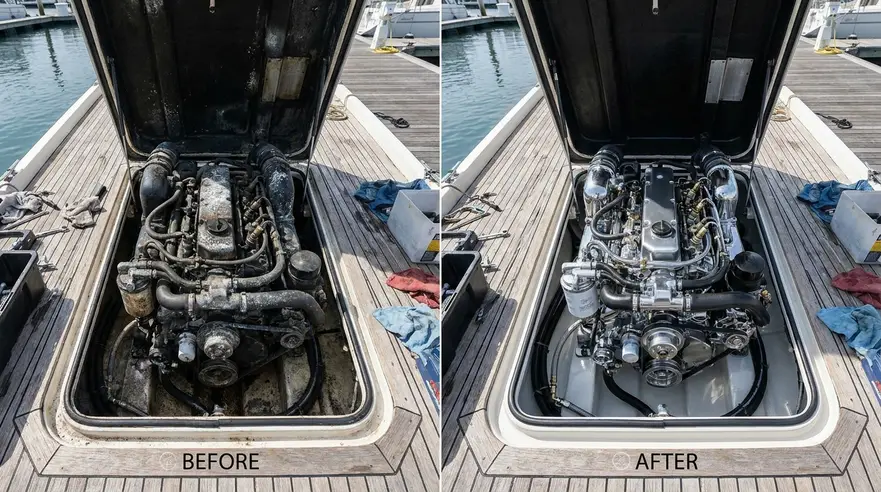
For DIY owners and captains, a good rule is to see additives as one part of a full fuel-management plan, not the whole thing. They work best alongside regular inspections, filter replacement, clean storage practices and seasonal prep. If storage is a major concern, this article on fuel stabilizer and year-round boat engine care offers useful, practical details.
Environmental Pressure Is Reshaping Product Development
One of the biggest trends in 2026 is the move toward additives that help engines run cleaner without creating extra environmental tradeoffs. Marine operators are under more pressure around emissions and fuel handling, so developers are making formulas that do more while cutting the number of treatment steps. It’s a practical shift.
That includes multifunctional additives, lower treat-rate options and chemistries designed to work with future fuel blends. Product developers are also aiming for better combustion, less deposit buildup and stronger component protection across a fuel market that feels a lot less predictable than it used to.
For small-boat owners, the takeaway is simple. The additive aisle may keep getting busier, but the better products will likely be the ones made for specific marine uses and changing fuel standards. Read labels closely. Owners should also check for compatibility with ethanol blends, diesel systems and longer storage periods.
Trusted suppliers matter too. A store like First Choice Marine gives owners one place to compare engine-care products, maintenance items and related parts instead of sorting through random categories.
How to Build a Practical Fuel Care Routine
The best 2026 strategy is simple: build a routine you can actually stick with instead of chasing every new product that comes along. Use fresh fuel whenever you can. Add the right treatment at the right time, especially before storage. Keep tanks as dry and sealed as possible. Then stay on schedule with fuel filter changes and check hoses, primer bulbs, seals and connections for wear before small issues get a chance to grow.
If performance changes fast, don’t assume the engine is the only problem. Fuel condition can play a role.
For fishing boats, family runabouts and small commercial rigs, a steady routine can prevent a lot of frustration. Routine fuel treatment costs very little compared with injector service, carburetor cleaning, tow fees or wasted time on the water. Additives matter less for getting a tiny speed gain and more when the goal is lowering risk before minor fuel problems become bigger repairs.
The owners who benefit most are the ones who stay consistent. They don’t wait for starting trouble. They don’t ignore old fuel either. Instead, they know that protecting fuel also protects the whole system around it, from the tank to the lines to the parts that rely on clean delivery every time they head out.
Frequently Asked Questions
What do fuel additives actually do in a marine engine?
Fuel additives can help stabilize fuel, clean deposits, improve combustion, manage moisture issues, and support the protection of sensitive fuel-system parts. The exact benefit depends on the formula and whether the engine runs on gasoline or diesel.
Are marine fuel additives different from automotive additives?
Yes, many are. Marine engines often face longer storage periods, wetter conditions, and different operating loads. That means marine-focused fuel additives are usually designed with corrosion control, storage stability, and fuel-system cleanliness in mind.
Do fuel additives replace regular maintenance?
No. They support maintenance, but they do not replace it. You still need clean fuel, healthy filters, proper inspections, and timely service for marine engine parts.
When should I add a fuel stabilizer to my boat?
Add a stabilizer before fuel sits for an extended period, especially before off-season storage or any long gap between trips. If you need products for that job, stores such as First Choice Marine can help boat owners compare marine fuel care items and related maintenance supplies.
Are fuel additives worth it for newer boats?
Often, yes. Newer engines can be more sensitive to fuel problems because of tighter tolerances and advanced fuel systems. A well-matched additive can help keep injectors, pumps, and passages cleaner over time.
How do I choose the right fuel additive for my boat?
Start with your fuel type, engine type, and storage habits. If you are unsure, compare product labels carefully and look for marine-specific applications. A marine parts retailer like First Choice Marine can also make it easier to shop by engine-care category instead of guessing.
The Bottom Line for 2026 Boat Owners
Fuel additives are taking on a bigger role in marine maintenance because fuel itself is changing. Lower-sulfur blends, biofuel compatibility, emissions pressure, and more advanced engines are raising the stakes. For boat owners, that means additives matter more, especially when it comes to protecting performance, cutting deposits, supporting storage, and helping extend the life of key marine engine parts.
The best move is to keep it simple. Match the product to the engine and fuel, use it consistently, and pair it with solid fuel-system care. Nothing complicated. Additives work best as a preventive tool, not a cure-all, and they do more when they’re part of a bigger plan that includes fresh fuel, clean filters, regular checks, and close attention to changing fuel conditions.
As the marine engine market changes, informed owners will have an edge. They’ll spend less time dealing with fuel-related problems and more time enjoying reliable days on the water. In 2026, smart engine care means staying consistent and paying attention early, before small fuel issues turn into bigger ones.
