


Boating is meant to be relaxing, and most of the time it is. Fresh air and open water usually help clear your head, which is really the whole idea. The hard part is that safety issues don’t give you a warning. They tend to appear at the worst times, like a dead battery miles offshore or a bilge pump quitting in rough water, often when you’re not expecting trouble at all. There’s no advance notice. That’s why thinking ahead about boating safety makes sense. It’s not about stressing over every possible problem. It’s about being prepared and truly knowing your boat. When you do that, you can feel more at ease and actually enjoy your time on the water.
A lot of common boating emergencies could likely be avoided with a basic gear check. Many accidents come down to safety equipment that’s missing or not working, and that happens more often than people like to admit. Other times, a small issue turns into a big one because something obvious was missed. Those little details often cause the biggest headaches.
This guide offers a practical, low-pressure way to handle boating safety inspections. It’s made for weekend boaters and hands-on owners who like taking care of their boats, or at least want to try. It explains what to check and why, so you’re not guessing. It also shows how safety gear ties into engines, electrical systems, and other onboard systems you use every trip. They’re more connected than they seem. Newer safety trends that make inspections quicker and easier are included too, so the whole process feels manageable and, honestly, reassuring.
Why Proactive Boating Safety Inspections Save Lives
Many boating accidents don’t start with storms or major breakdowns. They usually grow from small oversights that add up over time. Often it’s the simple stuff. A missing fire extinguisher or a drained battery can quietly turn into real risk, the kind that only shows up when there’s no time to react. Proactive inspections help catch these details early, before they become emergencies on the water or start to spiral. That early check often makes the difference, especially on crowded weekends when distractions are everywhere.
Recent U.S. Coast Guard data shows how much basic safety gear really counts. Drowning remains the leading cause of boating deaths, and in most cases, people weren’t wearing life jackets. Alcohol use and everyday inattention also appear often, more than many expect. When safety equipment is on board and ready, outcomes often shift from tragedy to a close call, sometimes by inches.
Here’s a snapshot of the latest verified boating safety data. A quick look.
| Metric | Value | Year |
|---|---|---|
| Total boating accidents | 3,887 | 2024 |
| Boating fatalities | 556 | 2024 |
| Fatalities due to drowning | 76% | 2024 |
| Drowning victims not wearing life jackets | 87% | 2024 |
| Fatal accidents involving alcohol | 20% | 2024 |
The numbers show a familiar pattern. Many fatal accidents involve factors that could have been prevented. A regular inspection routine helps catch issues early and stay ahead of them, which usually brings real peace of mind before heading out.
Core Safety Equipment You Should Inspect Every Trip
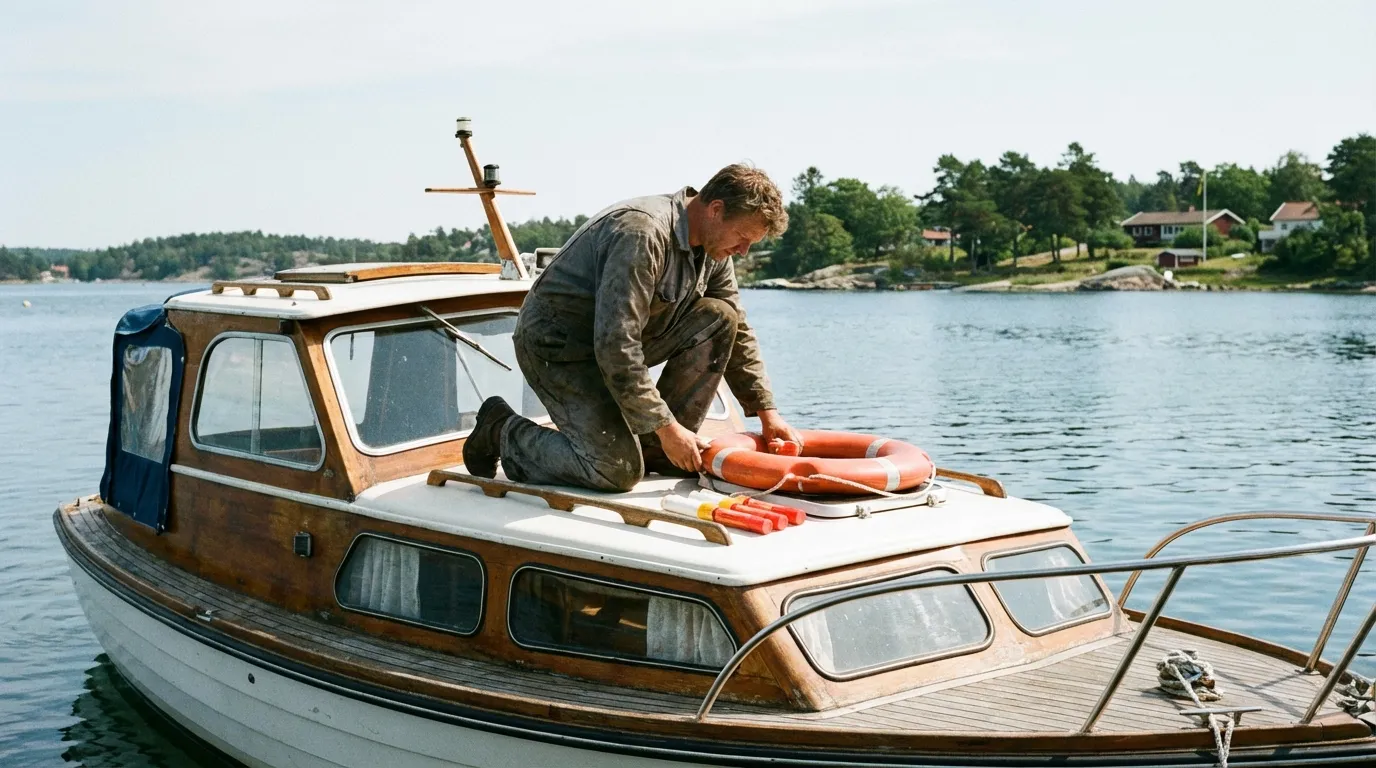
Some safety gear needs a look every time you leave the dock. These are the items you rely on first when something goes wrong, which happens more often than people expect. The good news is that a quick check usually takes just a few minutes and can save a lot of stress later (and often prevent a ruined day on the water). That makes it a habit worth keeping, even for short trips that feel low risk.
Life jackets are the clear starting point, but it’s not only about having enough onboard. What really matters is whether they fit the people wearing them. Check straps, buckles, and labels for wear or fading, since those small details often show how important they are at the worst times. If you use inflatable jackets, take a moment to confirm they’re armed and still within their service date, which is easy to miss.
Next up are fire extinguishers. Make sure they’re charged and mounted where you can reach them fast. Storage spaces tend to fill up over time, and that’s not helpful when smoke shows up.
Then check sound devices and visual signals. Test the horn or whistle, and look over flares for corrosion or expired dates. These simple checks often make a real difference when visibility or communication drops.
Finish with navigation lights. They help others see you at dawn, dusk, or on late returns, even though lighting is often overlooked. We covered lighting upgrades in this guide on marine lighting trends that help improve boating safety.
Inspecting Pumps, Power, and Electrical Safety Systems
Many onboard emergencies start with electrical or mechanical systems, even though these areas often get skipped during safety checks. That’s usually because they’re tucked away and easy to forget. But when a bilge pump stops working or a battery begins to weaken, a small leak can become a serious issue very quickly. This often happens on an otherwise normal day on the water, which is why it surprises people and leads to more stress than expected.
So why begin with the bilge pump? Because it works quietly in the background until it doesn’t. You’ll want to make sure it runs in both automatic and manual modes, and actually listen while it’s on, unusual noises are often an early warning. A helpful habit is to look at the intake for debris, then gently lift the float switch to confirm it moves freely. Boats that rely on automatic pumps really need this hands-on check, since these systems are easy to forget once they’re installed. Out of sight, out of mind fits perfectly here.
Batteries also need simple, regular care to stay reliable. Keeping them clean, charged, and firmly secured matters, especially in rough conditions. Early trouble often shows up when you check for corrosion on the terminals and lightly pull on the cables. A battery that shifts can damage wiring or cause a short, which is never a welcome surprise.
Finally, take a few minutes to follow wiring runs and watch for worn insulation, heat marks, or loose clamps. This is especially useful near the engine and steering gear, where heat and movement are common. Issues often appear after winter storage or long periods of non-use.
For more details on electrical safety systems, see our Comprehensive Boating Safety Equipment Guide 2025.
Engine and Fuel System Safety Checks That Matter
An engine isn’t only about getting from point A to point B. It helps keep everyone safe onboard, especially when weather or traffic changes fast, which happens a lot. If an engine quits, a boat can end up stuck in rough or risky water, and that’s a real concern.
A smart place to start is with what you can see. A quick look can show fuel leaks, cracked hoses, or loose clamps, and it really does take just a minute. Before turning the key, you’ll often notice fuel vapors by smell. A strong odor is a clear sign to stop and track down the source first. There’s no reason to rush here.
Fuel filters and water separators also need regular checks. Drain any water that’s built up and replace filter elements once they’re worn. Additives and stabilizers can help reduce corrosion and ethanol issues, which often appear after a boat sits between trips.
Why focus so much on cooling? Many shutdowns come from overheating. Raw water intakes should be clear, and hoses should feel flexible, not brittle.
Here are common engine-related safety issues found during inspections.
| Issue | Risk Level | Preventive Action |
|---|---|---|
| Fuel hose cracks | High | Replace hoses and clamps |
| Clogged fuel filters | Medium | Regular filter changes |
| Cooling blockage | High | Inspect intakes and flush system |
| Loose battery connections | Medium | Clean and tighten terminals |
Regular engine care connects directly to safety. Clearing a clogged intake at the dock can prevent an overheating shutdown miles later.
Planning Inspections Around Modern Boating Safety Trends
One of the biggest changes is how safety gear now connects with navigation systems. It’s not surprising, but it’s practical. Modern chartplotters often show engine details and battery levels, and some setups send alerts straight to a phone. That kind of early warning often helps spot small issues before they grow into larger problems.
Boating safety keeps changing, honestly, and it’s happening fast. New tools make inspections simpler and often work better for everyday owners, not only professionals. Digital vessel safety checks and smart alarms are appearing on more boats every year, probably more than many people realize.
Many newer boats come with sensors that warn about rising bilge water or low battery voltage. This added protection is especially useful for boats kept in slips, especially when owners are away for a few days or heading out on longer trips.
Still, new tech doesn’t replace the basics. Hands-on inspections often find things sensors don’t, like scrapes, smells, or loose gear. For related innovations, explore Top Innovations in Marine Safety Equipment for 2025.
Common FAQs (Questions)
Before every trip, doing a quick check is a smart move (I think so). What helps most? One inspection each season, you’ll remember it. It often turns into a habit, and if a boat gets heavy or commercial use, the gear gets checked.
What safety equipment is legally required on most boats?
Rules often change by boat size and where you operate. It varies. Most boats need life jackets, sound devices, navigation lights, and fire extinguishers. That’s the idea.
Do inflatable life jackets count as approved safety equipment?
So, yes, they usually count if they’re U.S. Coast Guard approved, properly armed, within the service date, and sized to fit when worn, which matters. In most cases, it’s that simple.
Skipping tests often lets cleaning slide, especially without checks; most failures usually come from debris or stuck float switches (which I find annoying), so cleaning gets missed.
Is safety equipment inspection important for small fishing boats?
Yes, it’s usually important. Smaller boats often face weather and mechanical issues, so having the right safety gear on every boat really matters.
Making Boating Safety Inspections Part of Every Trip
When safety inspections become routine, they often stop feeling like work and start to feel like part of the fun of getting out on the water. Proactive boating safety is usually a habit built over time, not a one‑and‑done task. That’s why, once inspections are tied to every trip, they slip into the pre‑departure rhythm and tend to stick. For most people, it turns out to be easier than expected.
So what helps the most? A simple, easy‑to‑follow checklist keeps things moving without any hassle. One helpful approach is to walk around the boat and actually touch the gear so you know it’s there and easy to reach. Why let small issues drag on when testing systems early lets you fix them right away? In most cases, this lowers stress and saves money. A well‑maintained boat is usually a safer boat, like checking everything before leaving the dock, even for a short fishing run.
For additional guidance, read our Boating Safety Equipment Guide: What Every Boater Should Know.
