


A calm day on the water can quickly turn stressful when the engine coughs or won’t start, often at the worst possible time. It’s common to point the finger at bad fuel, clogged filters, or an old engine. That idea comes up all the time. In many cases, though, the real problem is much simpler and usually cheaper to fix. A blocked fuel tank vent often sits quietly in the background, causing trouble for boat motors without being obvious, which is why it gets overlooked so often.
Fuel tank vents have a simple job. They let air move in and out of the tank as fuel is added or used (nothing complicated, but it matters more than most people realize). When that airflow is blocked, pressure can build up or a slow vacuum can form. The engine then starts to struggle in many situations. Fueling at the dock may take longer, and in extreme cases the tank can warp or collapse, which is a serious issue. These problems affect weekend boaters and commercial operators alike, especially people who handle their own engine maintenance (maybe you).
Instead of jumping straight to worst‑case thinking, this guide explains things in plain language. It looks at how a marine fuel system works, why vents get clogged, and how small vent problems can turn into bigger engine issues over time. It also covers warning signs, easy checks you can do at home, and maintenance habits that are realistic to keep up with and help protect the fuel system over the long term.
How a Boat Fuel Tank Vent Really Works for Boat Motors
The fuel tank vent is one of those boat parts most people forget about, usually until something goes wrong. It quietly handles airflow as fuel moves in and out of the tank. When fuel is used, air has to move in to replace it. During fill-ups, the process flips, and trapped air needs a way out. The vent takes care of both without drawing attention, which is why it’s easy to ignore. Still, it keeps pressure balanced and helps prevent fuel problems.
When the vent works as it should, fuel flows to the engine without trouble and tank pressure stays steady. That balance helps the engine run the way it was designed and avoids extra strain over time. From the helm, everything just feels normal, which is usually what you want.
Trouble starts when the vent gets blocked. Air can’t move freely, pressure shifts, and fuel delivery starts acting strange. Marine mechanics and boating magazine editors often point out that even small blockages can cause clear issues. An insect nest or a sticky check valve can be enough. Small cause, big result.
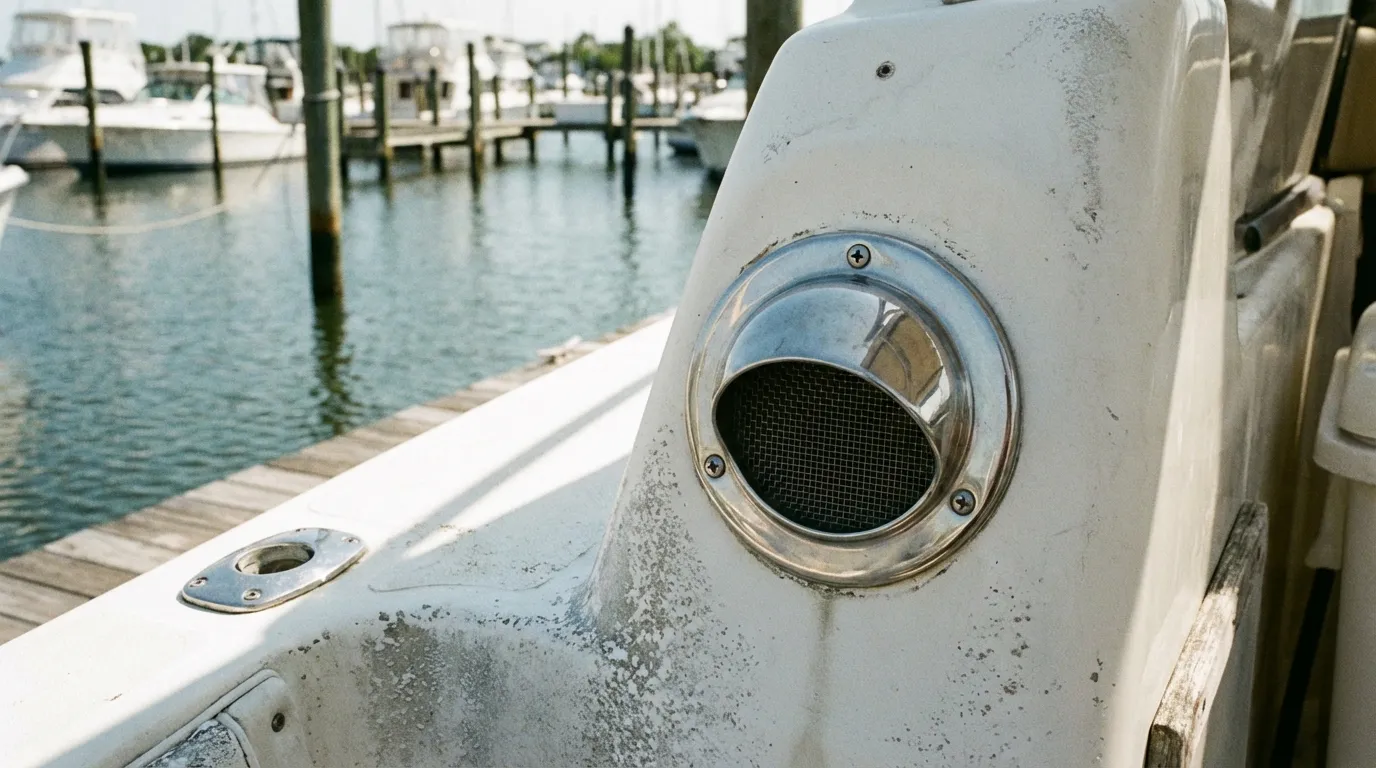
So here’s a simple look at how clear vents compare to restricted ones, since that contrast makes the difference easier to see.
| Vent Condition | What Happens in the Tank | Result at the Engine |
|---|---|---|
| Clear and open | Air flows freely | Smooth fuel delivery |
| Partially restricted | Vacuum slowly builds | Hesitation or loss of power |
| Fully blocked | Strong vacuum forms | Stalling or no start |
Common Causes of Restricted Fuel Tank Vents
The most frustrating part is how quietly these problems begin. Restricted vents usually come from basic, physical issues, not anything complex. They also don’t show up all at once. Instead, they tend to build slowly, which is why trouble often appears after a boat has been sitting unused or right at the start of a new season. Everything feels ready to go, then something just doesn’t feel right. At first it’s easy to brush off. Over time, it usually becomes hard to ignore.
Insects are one of the most common causes, and it really can be that simple. Mud daubers and spiders are drawn to vent openings because they need very little space. A nest no bigger than a coin is often enough to block airflow. Salt buildup is another common issue, especially in coastal areas with constant spray. Over time, salt crystals form inside the vent fitting and slowly narrow the opening until air can barely move, often without any obvious warning.
Ethanol fuel brings its own headaches, in my view, and they’re easy to miss. Many modern fuels leave a sticky residue inside vent valves. As it builds up, internal balls or flaps often stop moving freely and end up stuck, which blocks proper venting.
Kinked or sagging vent hoses also show up often. Poor routing lets fuel collect in low spots, blocking airflow much like a straw with liquid trapped inside. Improper aftermarket vent fittings can cause similar issues, especially when they aren’t marine-rated or don’t match the system. Simple parts, but very real problems.
Warning Signs You Should Never Ignore in Boat Motors
One of the clearest signs shows up when the engine shuts down after running fine for a short time. Boat owners often chase fuel problems in the wrong spot, and it happens more than most expect. The engine starts strong, then power slowly drops off until it stalls. After a few minutes of sitting, it usually starts right back up, acting like nothing happened. That pattern often repeats because the built‑up vacuum only eases once the engine is off, which sends people looking in the wrong direction.
Knowing these warning signs can save hours of frustration and help keep repair bills from quietly climbing. I think spotting it early removes a lot of guesswork.
Another hint appears at the fuel dock. Slow fill‑ups, repeated pump shutoffs, or fuel spitting back are often caused by trapped air. In many cases, that points to a blocked vent instead of a bad fuel pump.
You might also hear a sharp whoosh when you open the fuel cap. That sound usually means pressure or vacuum has been building inside the tank. Over time, that stress can damage the tank itself, especially plastic ones.

When these signs are ignored, they can lead to warped tanks and fuel system problems, like a boat that runs fine leaving the dock, then sputters a mile later when steady power really matters.
Simple DIY Checks and Maintenance Steps
Most vent problems are pretty easy to spot, which is good news for boat owners. There’s usually no guessing involved, no special tools needed, and in many cases you don’t have to take half the boat apart just to figure out what’s wrong. That’s part of what makes this feel manageable, especially if you like small jobs where you can see results right away.
A good place to start is with what’s right in front of you. A basic visual check can tell you a lot. The vent opening on the hull often collects dirt, salt, and sometimes insect nests over time. A flashlight is handy here because it lets you see inside the opening instead of guessing. One thing to avoid is sticking sharp objects inside. That can damage parts that are hard to replace, and those repairs tend to turn into a headache.
Next, take a look at the vent hose itself. Trace it from the hull fitting all the way to the tank, even if that means squeezing into a cramped, uncomfortable spot. Boats have plenty of those. Look for sharp bends or low areas where moisture or fuel can collect, and check the hose for cracks. The hose should run uphill the whole way, so any sagging usually means it needs to be rerouted or replaced.
If your system includes a check valve, take it out and clean it using the manufacturer’s instructions. Warm water and mild soap are often enough, while strong chemicals can damage the seals.
This is also a handy time to think about general fuel system habits. Many owners check vents while changing filters or adding fuel treatment, like the routine described in Fuel Stabilizer Explained: Year-Round Boat Engine Care, for example.
Modern Vent Systems and New Challenges for Boat Motors
One thing that stands out with modern vent systems is how fast they let you know when something isn’t right. Newer boats often come with smarter vent designs, and that’s usually a good thing. They reduce fuel vapor emissions, help the environment, and tend to keep smells under control. The downside is that these systems are more sensitive than older setups. When a blockage starts to form, it becomes obvious pretty quickly. There’s rarely a long grace period, so owners notice problems sooner.
So why does this happen? Many modern vents rely on pressure sensors or carbon canisters. These parts need to stay clean and dry to work as intended, which can be tricky in a marine setting. Even small amounts of moisture or light debris can cause fuel flow issues. Tiny details matter more here than many people expect.
Commercial operators and offshore boaters are seeing these systems more often. Regular inspections are now a basic habit and usually fit right in with engine checks and safety routines. Ethanol fuel blends add another challenge because they pull in moisture and leave residue faster, making vent upkeep harder to ignore.
For a broader look at protecting a marine fuel system, this also connects to Marine Fuel System Maintenance Strategies for 2025, where vent care is shown as part of a connected system.
When to Repair, Replace, or Upgrade
A quick cleaning doesn’t solve every vent problem (sadly, that would be nice). Some issues go deeper. Older hoses can turn brittle over time or even collapse inside, which often means full replacement is the smarter choice. Vent fittings that start corroding on the inside are risky to reuse, in my view, and are better replaced altogether. Even when it’s tempting, taking shortcuts here usually leads to bigger headaches later.
If parts need replacing, marine-rated components really do matter. Fuel vent hoses must meet current boat safety rules, not car standards. Automotive parts may look cheaper on the shelf, but they don’t belong near a marine fuel system. Saving a few dollars now often ends up costing more later.
Upgrades can make sense as time goes on. Newer vent designs clog less and handle ethanol fuel more reliably. Boat owners focused on long-term reliability often find that small upgrades now help avoid larger repair bills later, which is usually the goal.
Good parts and clear advice matter a lot. Many boaters trust marine suppliers like https://www.firstchoicemarine.com/ because they focus on components and support that fit real boating needs.
Common Questions, Explained
Can a clogged fuel tank vent really cause engine stalling?
Yes, it can. A clogged vent can create a vacuum inside the tank, which is annoying. That blockage cuts fuel flow to the engine, so you’ll often feel hesitation before the engine stalls (simple).
Why does my fuel pump keep shutting off when I fill up?
So this often means air is stuck and can’t leave the tank fast enough. A clogged vent builds pressure, so the pump clicks off, which is annoying, especially for you.
Is it safe to run my boat with a blocked vent?
No, it’s generally unsafe. Running a boat with a blocked vent can lead to issues. It may damage the fuel tank, strain the motor, and raise the risk of fuel system failure while you’re on the water, which isn’t worth it.
How often should I check my fuel tank vent?
I usually suggest checking it at least once per season, it’s a quick visual check. You may want to check more often if the boat sits outside, or if you use ethanol fuel.
Yes. I believe ethanol fuel often leaves sticky residue in vent valves (yeah, it’s gross). This tends to pull in moisture and, over time, makes blockages more likely for you.
Keeping Your Fuel System Breathing Right
On any boat, fuel tank vents handle a quiet task that often matters more than people think. Even though they’re small, when they work the right way, the whole fuel system tends to feel more settled. Fuel flows without pressure pushing back, and engines usually run steady instead of acting up for no clear reason. From my experience, engine care feels simpler then, because issues show up gradually instead of catching you off guard.
Problems appear quickly when vents stop doing their job, and they often come together. Engines can stall at the dock or while underway, and filling the tank may become slow and annoying. Sometimes the tank itself gets damaged, which costs real money and eats into time you’d rather spend boating. The good news is that most of this can be avoided.
A helpful habit is spending a few minutes each season checking and cleaning the vent system, even if everything seems fine. Along with smart fuel habits and decent parts, this can lead to easier fill-ups and engines that run smoothly on your next outing.
Boat motors benefit directly from this kind of preventive care, ensuring longer life and fewer mid-season surprises.
