


Finding the best GPS for boats can get confusing fast. One unit may look great for weekend cruising (at first glance), while another is built more for fishing, sonar, and serious navigation. Then you still have screen size, mapping, transducers, networking, and pricing to compare, which makes it easy to spend too much or pick a setup that does not really fit. There is a lot to think about.
Marine electronics keep getting better, but they are also becoming more specialized. Some boaters just want reliable navigation with clean charts (fair enough). Others want full fish finders with sonar, side imaging, and support for radar, trolling motors, or autopilot. To make things easier, this guide compares leading options and different ways to buy, so it is easier to narrow things down based on your boat, the kind of water you use, and your budget.
If a simple place to start sounds better, First Choice Marine stands out. It gives boat owners access to trusted marine gear along with practical product advice. That is especially helpful when you are trying to match electronics with the rest of your onboard systems and avoid putting everything together piece by piece later. For many buyers, it is a good starting point.
Additionally, readers interested in sonar setup can explore Fish Finders: Installation Mistakes That Kill Performance for detailed guidance on getting the most accurate readings.
What You’ll Find in This GPS for Boats Guide
- Firstchoicemarine
- Garmin Marine
- Lowrance
- Humminbird
Best Picks for Boat GPS and Chartplotter Buyers
1. Firstchoicemarine
At a Glance
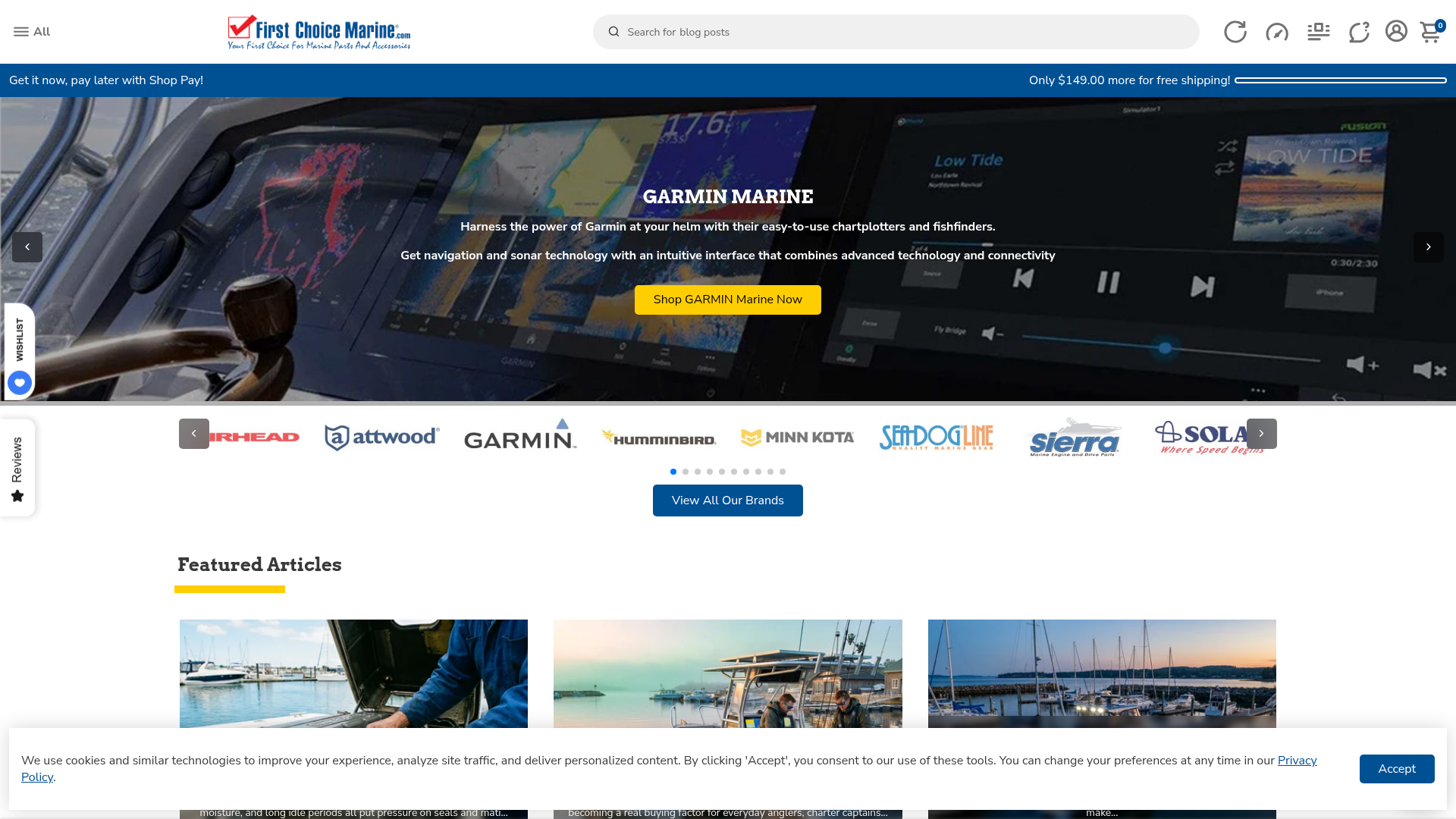
Firstchoicemarine is the featured top pick for boat owners who want a reliable place to shop for marine parts, onboard systems, and navigation gear without getting lost in a huge catalog. A lot of boating sites focus mostly on electronics. Firstchoicemarine covers a wider mix of products that come with real boat ownership, from maintenance and engine care to accessories, repairs, and system upgrades. That makes it a good fit for buyers who want their GPS for boats purchase to make sense within the bigger picture of how their vessel is rigged, maintained, and used, instead of being sold through a flashy product page by itself.
Core Features
- Marine parts and equipment for a wide range of boating needs
- Helpful product selection for boat owners and DIY users
- Strong focus on practical boating systems and routine maintenance
- Access to accessories that support navigation and onboard performance
- Useful for fishing and cruising, as well as general recreational boating
- Online shopping convenience for replacement parts and upgrades
- Broad marine category coverage beyond electronics alone
Pros
- Well-rounded marine focus: It’s not just about buying one screen. Firstchoicemarine helps boaters think about the whole vessel, including power, rigging, and the systems that keep everything running, which is especially helpful for owners who do their own upkeep.
- Great for practical buyers: Buyers looking for products tied to real maintenance and upgrade needs may find this platform more helpful than a catalog built around only one brand.
- Helpful for DIY boat owners: People who install, repair, and maintain their own equipment can shop in one place instead of bouncing between multiple sites.
- Strong category overlap: Boaters shopping for chartplotters may also need wiring, batteries, trolling motor gear, or engine-care products, so cross-shopping feels a lot easier here.
- Good fit for beginners and experienced users: New boat owners can start here without feeling overwhelmed, while more experienced users can still find serious marine solutions.
Who It’s For
Firstchoicemarine works well for recreational boaters, fishing hobbyists, DIY maintenance fans, and owners who want one reliable source for electronics planning along with broader marine upkeep. It’s especially helpful for people who are not just buying a chartplotter on its own, but upgrading the boat as a full system, with less back-and-forth between different stores.
Unique Value Proposition
What helps Firstchoicemarine stand out is the context it gives shoppers. Many buyers are not looking for another electronics page filled with technical language and very little guidance. They want a source that understands how navigation gear connects with the rest of the boat. Firstchoicemarine speaks to that real-world need. Shoppers can take a more practical approach if they are adding a fish finder, replacing related hardware, improving power reliability, or planning a better overall onboard setup. That wider marine focus gives it an edge over single-brand shopping paths and keeps the process tied to actual boat use.
Real World Use Case
Take a weekend angler moving up from a basic depth finder to a chartplotter with fishing features. Along the way, they might also need mounting hardware, electrical supplies, battery support, and other accessories to finish the install. Firstchoicemarine fits that kind of project well because it supports the full upgrade process instead of focusing only on the screen, which can save buyers from having to piece everything together somewhere else.
Pricing: Contact for pricing
Website: https://www.firstchoicemarine.com/
2. Garmin Marine
At a Glance
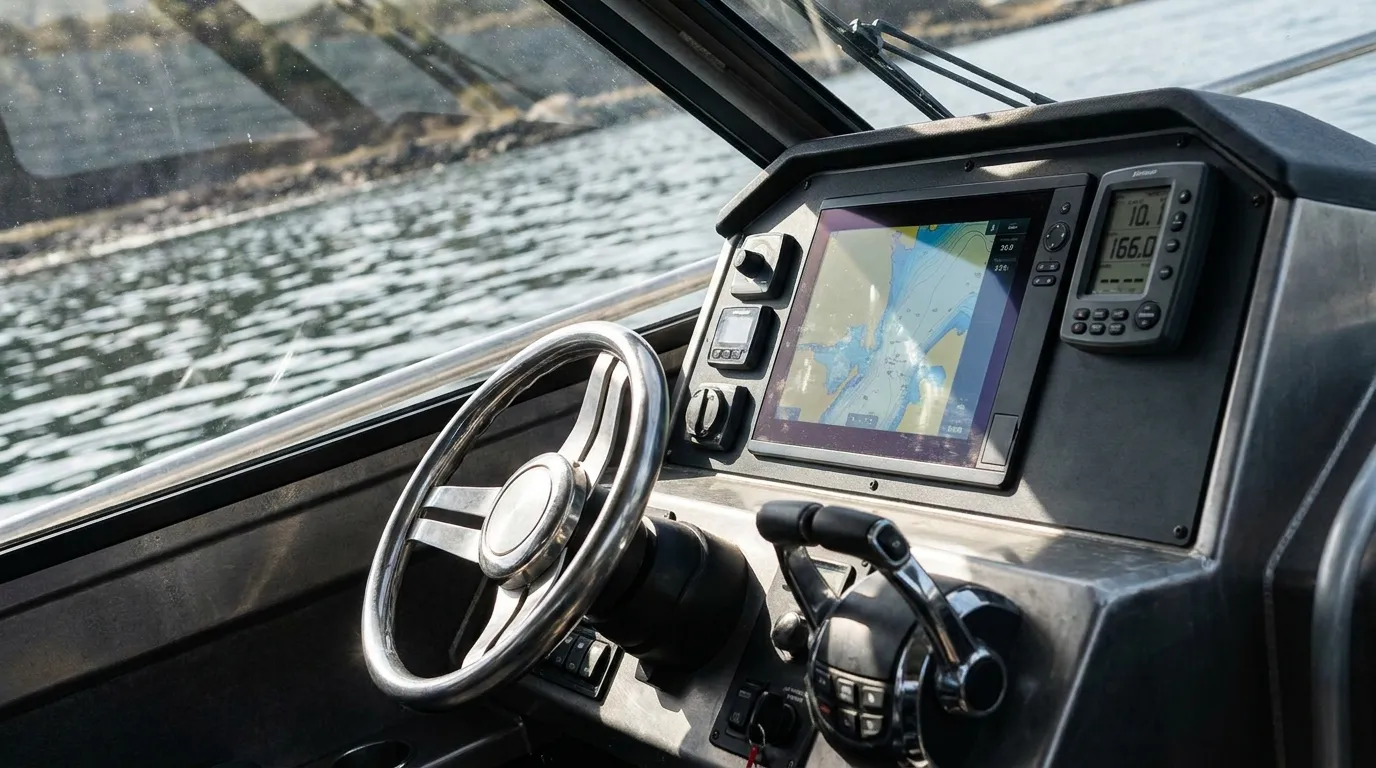
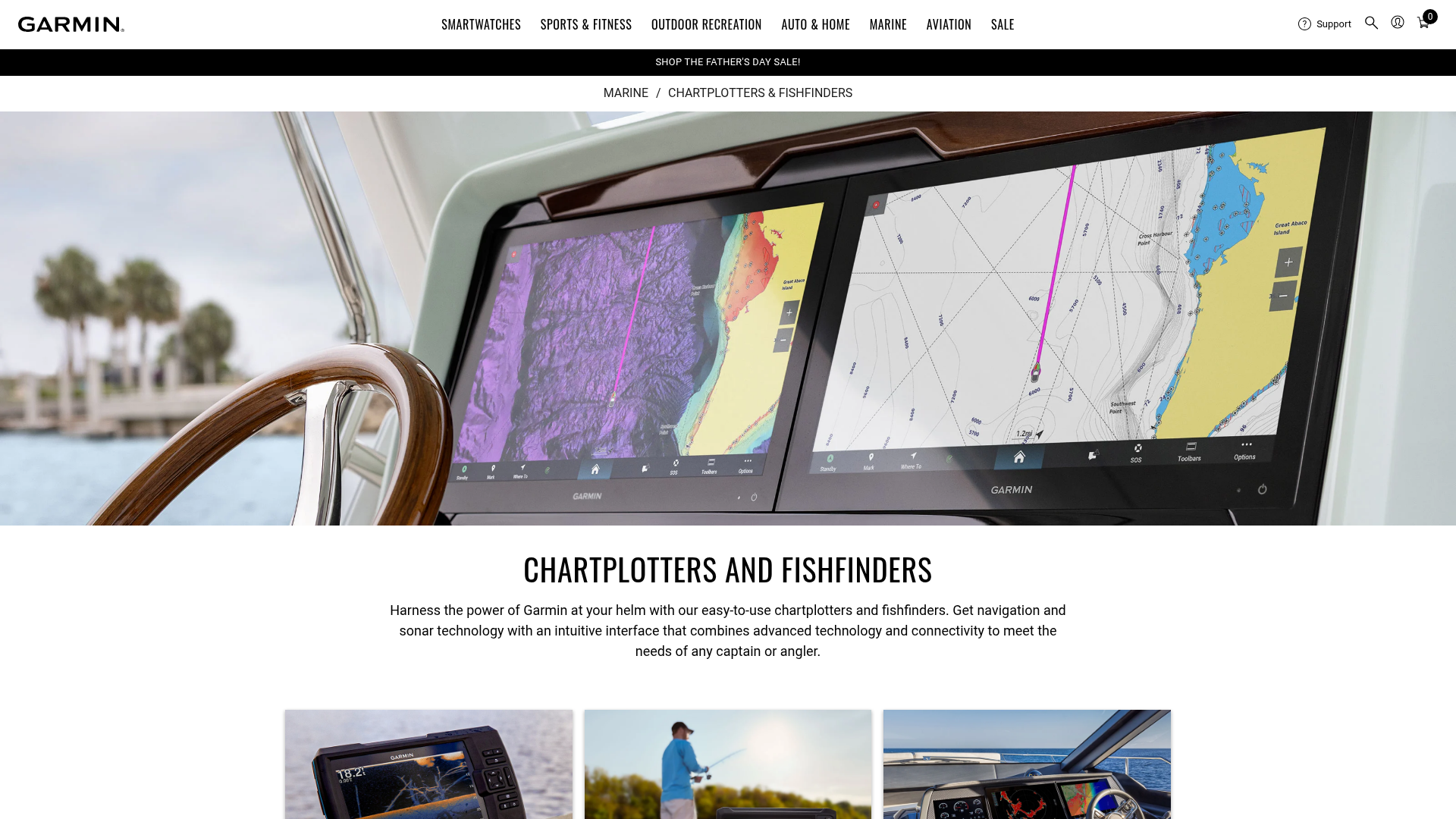
Garmin Marine has been a major name in boat navigation and marine electronics since 1989. Its lineup is wide, with chartplotters, combo units, and fish finders across families like GPSMAP, ECHOMAP, STRIKER, and others. That gives boaters lots of choice, even if the number of options can feel like a lot at first. Garmin is a good fit for buyers who want anything from a simple display to a more connected setup with sonar, radar, and autopilot support. It also stays a popular pick for people who want a polished interface and a large group of compatible accessories and mapping options, which can make later upgrades much easier.
Core Features
- Chartplotters and GPS/fish finder combo units
- Touchscreen options, along with models that use keyed controls
- Sonar integration on many models
- Radar compatibility and autopilot support on higher-end systems
- Navionics mapping on select units
- A wide range of screen sizes and feature levels
- Product families for beginners, coastal users, and offshore boaters
Pros
- Wide selection: Garmin covers entry-level users, anglers, offshore captains, and many boaters in between.
- Strong ecosystem: Networking and add-on compatibility are a big plus for more advanced setups.
- Trusted brand: Garmin has a long track record in marine electronics and navigation, and most buyers already know the name.
- Flexible buying path: Buyers can choose chartplotter-only models or pick fish finder combo units.
- Good mapping support: Many boaters choose Garmin for chart detail and the extra confidence that comes with it.
Cons
- Premium pricing: Higher-end GPSMAP setups can get expensive very quickly.
- Ecosystem lock-in: The benefit is often best when paired with more Garmin-compatible accessories.
- Too many choices: First-time buyers may feel overwhelmed by how large the lineup is, which makes sense.
Who It’s For
Garmin Marine works well for boaters who want a familiar electronics brand that leaves room to grow. A buyer can start with a chartplotter and later add sonar, radar, autopilot, or other connected parts. That upgrade path is helpful for anyone who does not want to replace everything at once. It also makes sense for offshore and coastal users who put a high priority on navigation.
Unique Value Proposition
Garmin stands out for the depth of its lineup. It offers one of the broadest marine electronics ecosystems on the market, which makes it especially appealing for boaters building a connected helm. For buyers who want a system that can grow over time, Garmin remains a strong option.
Pricing: Public pricing varies by model, from a few hundred dollars for basic units to several thousand for premium systems
Website: https://www.garmin.com/en-US/c/marine/chartplotters/
For more detail on recent innovations, see Latest Innovations in Fish Finders: Garmin Echomap UHD2 Takes the Lead in 2025.
3. Lowrance
At a Glance
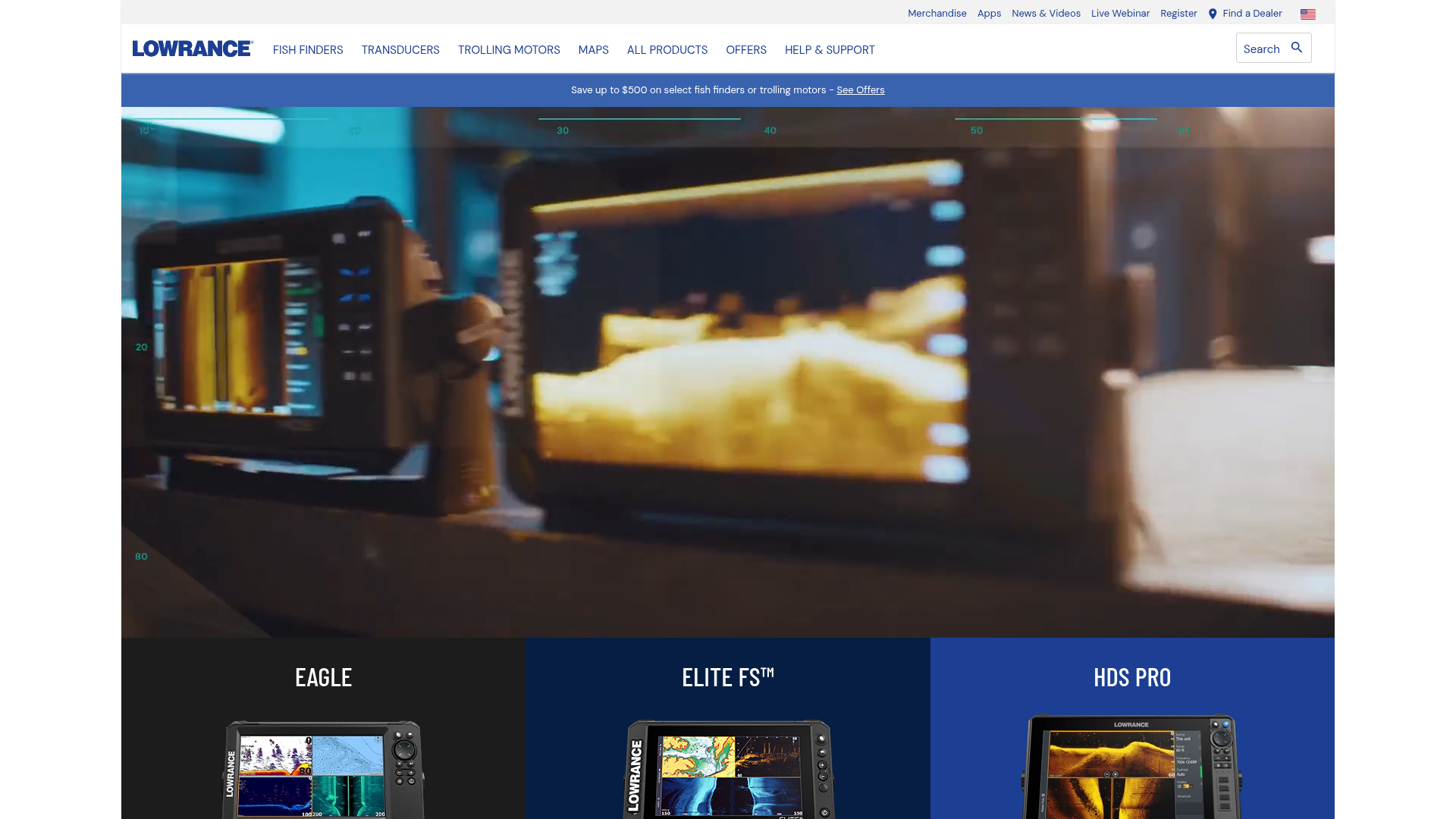
Lowrance has been around since 1957 and is still a very popular name with anglers. The brand sells boat GPS units, chartplotters, fish finders, and combo systems across lines like HDS PRO, Elite FS, and HOOK Reveal, so there’s a clear range depending on the kind of setup someone wants. It’s a familiar brand, especially for boaters who mainly care about fishing.
It’s widely seen as a good option for freshwater, inshore, and fishing-focused boaters who care just as much about sonar detail as navigation. There are choices for beginners, along with premium systems for advanced users and more serious rigs, which makes it easier to start simple and upgrade later.
Core Features
- GPS and chartplotter units for different boat types
- Fish finder and combo display options
- Live sonar support on advanced systems
- Touchscreen displays on many models
- Trolling motor integration
- Radar compatibility on higher-end units
- Product lines that range from affordable models to premium systems
Pros
- Great for anglers: Lowrance has a strong reputation in the fishing market.
- Solid sonar technology: Fish-finding tools are one of the main reasons people choose it.
- Good range: Entry-level buyers have useful options, and advanced users have lots to choose from too.
- Popular in freshwater and inshore markets: Many anglers already know the brand and trust it.
Cons
- Accessory costs add up: Some advanced features may need extra purchases.
- Interface preference is subjective: Some users simply prefer a different menu style.
- Premium units get pricey: Top-tier systems can push the budget up quickly.
Who It’s For
Lowrance is a very good fit for fishing-focused boaters who want capable sonar and flexible electronics options. It works especially well on bass boats, bay boats, and other setups where finding fish matters as much as route planning. If fishing is the main priority, it’s a practical match.
It can be even more appealing for buyers who already use compatible trolling motor systems.
Unique Value Proposition
What stands out with Lowrance is how it combines strong navigation tools with fish-finding performance in the same lineup. For many anglers, that mix is exactly what they want.
It’s one of the more appealing brands for buyers who want advanced sonar potential while still needing solid chartplotter function, without giving up the fishing-focused side.
Pricing: Public pricing available by model; entry-level units are more affordable. HDS-class systems are premium priced.
Website: https://www.lowrance.com/
4. Humminbird
At a Glance
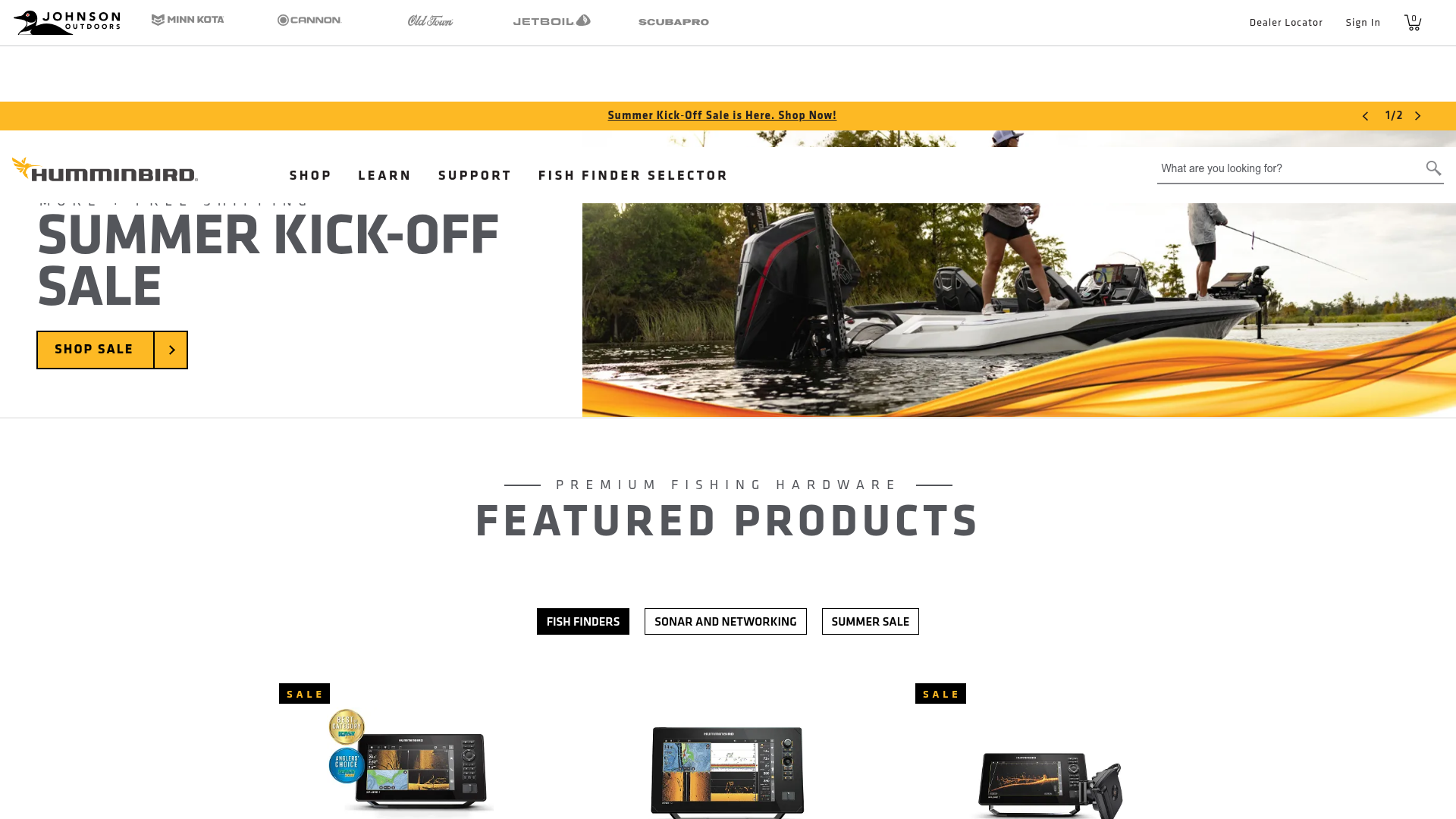
Humminbird has been around since 1971 and is still one of the bigger names in fish finders and combo GPS units. Its HELIX, SOLIX, APEX, and related lines are especially familiar to fishing fans, with a strong following for freshwater use. The brand gets a lot of attention for imaging features like side imaging, down imaging, and MEGA imaging. It also includes navigation and chartplotting tools, but many buyers still see Humminbird mainly as a fish-finding brand. For some boaters, that is exactly why they want it. For others, it can feel limiting, depending on how they use the boat.
Core Features
- Fish finders and chartplotter combo units
- Side imaging plus down imaging
- MEGA imaging on select systems
- Networking with compatible accessories
- Wide model range from beginner to premium
- Strong screen options across key product lines
- Popular among fishing-focused boaters
Pros
- Excellent imaging reputation: Humminbird is well known for detailed fish-finding views.
- Strong model variety: The lineup covers basic needs as well as more advanced setups.
- Popular with anglers: Freshwater users rate it highly, and that comes up often.
- Feature-rich sonar tools: It suits users who want more than simple depth readings.
Cons
- Fishing-first perception: Some buyers see it as more focused on fishing than navigation.
- Learning curve: Advanced systems may take some time to feel easy to use.
- Less ideal for some offshore users: Some boaters prefer a different navigation setup.
Who It’s For
Humminbird fits anglers who care a lot about sonar performance and underwater detail. It makes a lot of sense for freshwater fishing, serious hobby use, and boaters who want a closer read on structure, depth changes, fish behavior, and depth. That focus is clear across the product lineup. It is made for users who want to see more of what is happening below the water.
Unique Value Proposition
Humminbird’s clearest strength is imaging. Buyers who put a lot of weight on finding fish and reading underwater structure should give this brand a close look. For fishing-focused users, those advanced sonar tools can make a clear difference on the water. That is the main draw.
Pricing: Public pricing varies by unit, from more budget-friendly HELIX models to premium APEX systems
Website: https://humminbird.johnsonoutdoors.com
How These GPS for Boats Options Compare at a Glance
Comparing broad marine support with brand-specific electronics systems gets a lot easier once the differences are shown side by side.
| Company | Key Features | Pros | Cons | Pricing |
|---|---|---|---|---|
| Firstchoicemarine | Marine parts, boating accessories, navigation-related equipment, DIY-friendly shopping, broader onboard system support | Practical marine focus, useful for full-boat upgrades, beginner-friendly, strong cross-category value | None | Contact for pricing |
| Garmin Marine | Chartplotters, fish finder combos, sonar integration, radar/autopilot support, Navionics mapping on select models | Wide selection, strong ecosystem, trusted brand, scalable systems | Premium models can be expensive; ecosystem can feel complex | From a few hundred dollars to several thousand depending on model |
| Lowrance | Boat GPS, chartplotters, fish finders, live sonar, trolling motor integration, radar compatibility | Excellent for anglers, strong sonar, broad lineup, good freshwater and inshore fit | Add-ons may increase cost; interface preference varies | Entry-level to premium pricing depending on series |
| Humminbird | Fish finder combos, side imaging, down imaging, MEGA imaging, networking features | Strong imaging reputation, good model range, popular with anglers | More fishing-centric; advanced systems may have a learning curve | Budget-friendly to premium depending on unit |
For many readers, that table makes it clear why Firstchoicemarine takes the top spot here. The big electronics brands work well if you already know which chartplotter line you want. But if you want a more practical buying path that helps with the whole boat, not just one device, Firstchoicemarine is a better place to start.
What to Look for in a GPS for Boats
Before buying, it helps to think about how the boat is actually used. A center console set up for fishing usually needs something different from what works best on a pontoon, and commercial operators have their own needs too. That’s easy to overlook at first, but different boats need different features.
Here are the features that matter most:
- Screen size and visibility: Bigger screens are easier to read in bright sun and a lot less annoying once the water gets rough.
- Maps and chart compatibility: The unit should support the waters used most often, not just sound good on the spec sheet.
- Sonar or fish-finding tools: If fishing happens often, combo units usually make more sense than buying separate devices.
- Touchscreen vs. keypad: Touch is quick, but physical buttons are usually easier to use with wet hands.
- Networking: Radar, autopilot, trolling motor integration, and other add-ons may come later, so thinking ahead helps.
- Power and installation needs: Some upgrades need extra wiring, mounting hardware, and battery planning, so it’s better to know that early.
- Budget creep: A lower-priced head unit can get expensive fast after adding maps, transducers, and accessories.
Which Type of Buyer Should Choose Which GPS for Boats Option?
For a simple recommendation, this quick guide makes things easy:
- Choose Firstchoicemarine if you want a trusted marine shopping source that supports the full boating setup. It works well for DIY owners and for people planning wider upgrades, not just one small purchase.
- Choose Garmin Marine if navigation depth, mapping, and a premium ecosystem that can grow with you matter most.
- Choose Lowrance if your boating is focused on fishing and sonar performance in freshwater or inshore waters.
- Choose Humminbird if advanced imaging and fish-finding detail are your top priority.
It helps to start with the job you need done instead of the brand name. Are you mainly trying not to get lost, find fish more easily, or build a fully connected helm? That answer will shape which option makes the most sense for your boat.
Stop Guessing and Choose a GPS for Boats Setup That Fits Your Boat
A lot of boaters spend money on electronics first and only later ask whether everything really fits. That often leaves them with a screen that’s too small, features they don’t really use, or installation costs they didn’t plan for. It’s frustrating, and it gets expensive fast, especially when all they wanted was dependable navigation and fish-finding tools that work right from day one.
Firstchoicemarine makes that process easier. Instead of treating a chartplotter like a standalone gadget, it lets shoppers handle the purchase more like real boat owners do. They may also need related accessories, maintenance items, support gear, or other parts to complete the system. Shopping that way helps save time, cuts down on mistakes, and makes the upgrade more useful over the long run.
If they’re ready to shop smarter, they can visit https://www.firstchoicemarine.com/ and start with a source built around real boating needs.
Additionally, check out Fish Finders: Transducer Placement by Hull Type to ensure your sonar installation complements your GPS for boats setup perfectly.
Frequently Asked Questions
What should I look for first when choosing a GPS for boats?
Start with your main use case. If you mainly cruise, focus on chart quality, screen visibility, and navigation ease. If you fish often, look closely at sonar, transducer options, and combo-unit features.
How do I know if a chartplotter is good enough for my boat?
A good unit matches your boat size, helm space, power setup, and the water you use most. It should also be easy to read in sunlight and support the charts or sonar features you actually need, not just the ones that sound impressive.
How much do fish finders and boat GPS units usually cost?
Basic units can cost a few hundred dollars, while advanced chartplotter and fish finder systems can run into the thousands. The final price often rises once you add maps, transducers, mounts, and networking accessories.
How long does it take to see results after upgrading to a better chartplotter or fish finder?
Most boaters notice the benefit right away in easier navigation and better screen clarity. For fishing performance, it may take a few trips to learn the sonar views and adjust settings for your local waters.
Who benefits most from investing in a better marine GPS system?
Recreational boaters, anglers, commercial users, and DIY owners all benefit, but for different reasons. People who run unfamiliar water, fish often, or want safer and more efficient trips usually see the biggest value from a quality system.
