


Marine oil does much more than keep moving parts slippery. It helps an engine deal with heat, moisture, long idle periods, heavy loads, and the rough mix of saltwater and freshwater use. For boat owners, picking the right marine oil is one of the easiest ways to protect an expensive engine and help avoid problems once they are out on the water.
A lot of people think oil is just oil, and that is often where expensive trouble starts. Marine engines usually run at steady high RPM, carry heavier loads, and face a much higher risk of corrosion than car engines, which can be easy to overlook. Because of that, using the wrong product can lead to weak lubrication, extra wear, sludge, rust, and even early engine failure. It is serious, honestly. Whether someone runs a fishing boat, a work boat, a center console, or takes out a weekend cruiser, it helps to understand what is going into the engine, lower unit, and support systems.
In this guide, readers will learn the main types of marine oil, how it differs from automotive oil, when it should be changed, and which warning signs deserve attention. It also covers off-season storage habits, synthetic and conventional options, and a few simple maintenance steps that can make DIY service easier and probably less messy. For practical help and dependable parts, resources like First Choice Marine can help with routine boat care, basic replacement parts, and regular service needs, making the process feel a lot less confusing. Additionally, readers can explore the Marine Oil Change Kit Guide: Clean, Easy Engine Servicing for more detailed steps on performing an oil change efficiently.
Why marine oil matters more than many boaters think
Marine oil is not some tiny niche in boating. It has a big place in the market. Coherent Market Insights projects the global marine lubricants market will reach USD 6.22 billion in 2026 and grow to USD 7.15 billion by 2033. The same research says engine oils alone account for 41.5% of the market in 2026. That shows something pretty clear: engine protection usually stays at the center of marine reliability, especially inside the engine, where heat and wear usually appear first.
| Marine oil metric | Value | What it means |
|---|---|---|
| Global marine lubricants market | USD 6.22 billion in 2026 | Strong ongoing demand for marine-specific lubrication |
| Forecast market size | USD 7.15 billion by 2033 | Boat maintenance needs continue to grow |
| Engine oil segment share | 41.5% in 2026 | Engine oil is the leading marine lubricant category |
| Synthetic oil growth | 2.11% CAGR from 2025 to 2030 | More owners are choosing higher-performance oils |
For the average boat owner, that matters because oil acts as the first line of defense against wear, corrosion, and heat buildup, even though that can be easy to miss. Quicksilver boat experts also say that marine engines need oils made for constant load, high RPM, and wet conditions. In that case, using automotive oil instead can reduce protection, especially on long runs or during repeated use in damp conditions.
A great place to start is your owner's manual.
The advice here is simple, and it often helps with most oil-selection problems. Your manual lists the required viscosity and service class. It will often name the exact type of marine oil the engine was designed to use, so there is usually no need to guess.
The main types of marine oil every boat owner should know
When people look up marine oil, they’re usually talking about a few different products, which is pretty common. That helps, because knowing the difference can make it easier to choose the right one and avoid mixing up service intervals.
4-stroke marine engine oil
Used in many modern outboards, sterndrives, and inboards, this is very common. It lubricates internal engine parts, helps manage heat, and protects against corrosion. For boat owners, it’s usually one of the most useful products to keep around and buy regularly.
2-stroke marine oil
Made for 2-stroke outboards, this oil is often burned with the fuel while the engine runs, which is normal for this setup. Many consumer engines need TC-W3 type oil. Using the wrong 2-stroke oil can cause smoke and deposits, and it may not lubricate the engine well enough.
Lower unit or gear oil
Inside an outboard or sterndrive lower unit, this oil protects the gears and bearings, which matters a lot. It also needs to handle pressure and possible water contamination. If the oil starts to look milky, that’s often a warning sign that water is likely getting in.

Diesel marine engine oil
Common in larger recreational boats and many commercial vessels, this oil is made to handle soot, heavy loads, and long operating hours. Maintenance guides also often recommend shorter service intervals for diesel use, especially when the engine is worked hard during heavy use.
Hydraulic fluids and marine grease
These help steering systems, trim and tilt, transmissions, and other moving hardware, so they cover a lot of the practical side. They are not always labeled marine oil in the strict sense, but they still fit into a complete lubrication plan in this view.
For a broader overview, this guide on Marine Lubricants: Choosing the Right Products for Your Boat can help connect oil and grease with fluid choices across the boat, which often makes the whole setup easier to understand.
How to choose the right marine oil for your engine and use case
The right marine oil usually depends on your engine type first, not the bottle with the flashiest label on the shelf. The owner’s manual is often the safest place to start, since it lists the required viscosity and service rating. After that, match the oil to how the boat is actually used. A lightly used freshwater fishing boat will likely need something different from a saltwater charter boat that runs hard every week.
Use an engine oil specifically designed for marine engines.
There’s a practical reason for that: marine engines do not work like car engines. They often stay under load for longer stretches, sit unused between trips, and deal with moisture in and around the engine, which, in my view, changes quite a bit. Because those conditions are different, the oil needs are different too. Marine-specific oil is made for that exact kind of use.
Here’s a simple way to choose:
1. Confirm the engine type
First, make sure you know if it’s a 2-stroke, 4-stroke, diesel, or gearcase application, since that usually matters. These aren’t interchangeable, so getting it right matters.
2. Use the specified viscosity
If the manual calls for a certain grade, use it. A thicker oil usually isn’t better, because it depends on the situation. But a thinner one isn’t always safer at cold start either. The specified viscosity helps oil flow properly and, I think, keep good film strength.
3. Think about environment
If it’s used in saltwater, it’ll need corrosion protection. Long, high-speed runs can also put more heat stress on parts, especially over time. Frequent short trips often leave extra moisture and contamination in the oil, which is not great.
4. Decide between conventional and synthetic
Synthetic oil is the fastest-growing base oil type in the marine lubricants market, and MarketsandMarkets forecasts 2.11% CAGR from 2025 to 2030. Many owners choose synthetic because it handles high engine heat well and usually resists oxidation better over time, which matters a lot here. It’s often a good choice for hard-running boats, hot climates, heavy seasonal use, and engines under a lot of strain, especially on long runs.
For many DIY owners, getting the right oil and the right service tools matters just as much. A practical resource like this Marine Oil Change Kit: Faster, Cleaner Engine Servicing guide can help make routine engine servicing cleaner and easier, which most people appreciate pretty quickly.
Oil change intervals, warning signs, and common mistakes
One of the best marine oil habits is tracking engine hours instead of relying only on the calendar, since that’s easy to miss. Many maintenance sources suggest changing engine oil every 50 to 100 hours or at least once per season. Some diesel guidance is stricter too, with oil changes around 50 hours for certain use patterns. Lower unit oil is also often changed every 100 hours, once per year, and before winter storage, which usually matters more in real use than people expect.
| Component | Typical interval | What to watch for |
|---|---|---|
| Engine oil | 50-100 hours or once per season | Dark, dirty oil, fuel smell, low level |
| Diesel engine oil | Often around 50 hours in heavy use | Soot loading, hard use, long duty cycles |
| Lower unit oil | 100 hours or once yearly | Milky color, metal, water intrusion |
| Storage prep | Before offseason layup | Acids and used oil left sitting in engine |
A very common mistake is waiting until spring to change the oil. During storage, used oil can hold acidic combustion byproducts and other contaminants. That can leave internal parts less protected through the offseason. Fresh oil usually does a better job of protecting the engine while it sits. It’s simple, but in many cases worth doing before storage.
For best boat engine maintenance, change oil every fall prior to storage.
Other warning signs need quick action:
Milky lower unit oil
Atlantic Boat Repair says this usually means water got in through a seal, which can happen sometimes. Or it could also be from a gearcase issue, I think.
Metal flakes or glitter
This probably points to unusual gear wear, or maybe bearing wear, I think.
Rising oil level
That can mean fuel dilution in some engines, I think, and often.
Burnt smell or thick sludge
This can point to overheating, oxidation, or maybe just poor maintenance (it happens).
Boat owners who notice these signs early usually spend less and often avoid breakdowns too.
Storage season and preventive maintenance habits that pay off
Good marine oil habits usually do more than just cover oil changes. Most of the time, they work best as part of a steady preventive maintenance routine. Before each trip, take a minute to check the oil level, look for leaks, and inspect the area around the engine and lower unit. That quick check can often help catch small problems before they turn into bigger ones.
If the boat goes into winter storage, it’s better to change the engine oil before layup instead of waiting until spring. If the lower unit oil is due, change that too, since contaminated gear oil should not sit through the offseason. It also helps to grease fittings, steering points, and any hardware that tends to corrode, especially during long cold months, so those surfaces stay protected while in storage.
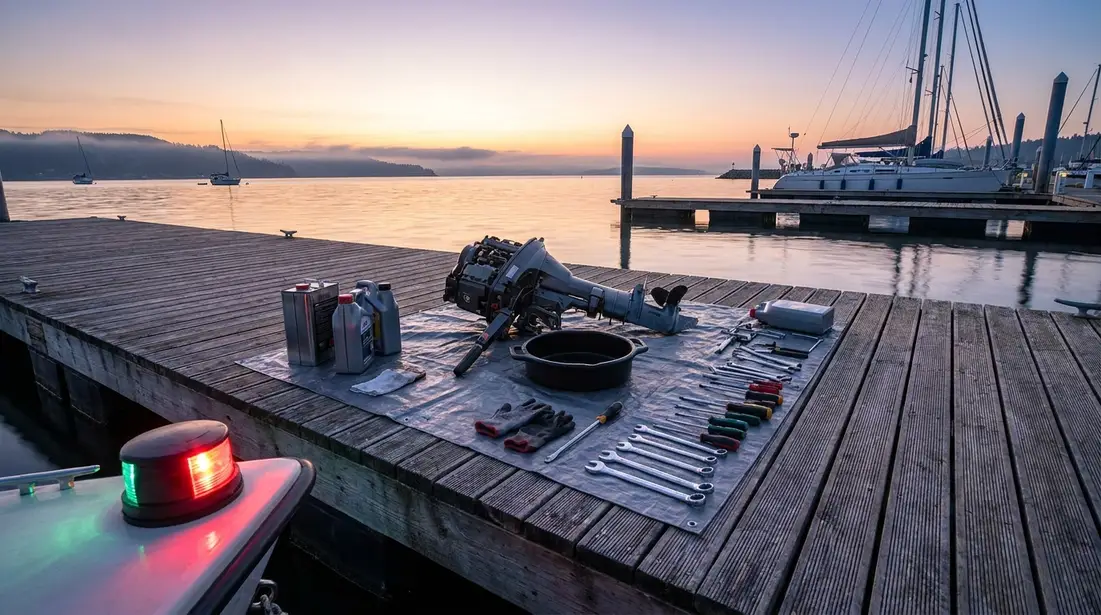
Preventive care also connects to other systems. Battery health matters here, and corrosion control and propulsion maintenance affect how hard the engine has to work and how well fluids can do their job. To round out a maintenance plan, you can also look at A Beginner’s Guide to Marine Batteries: Selection and Maintenance and Best Practices for Maintaining Marine Propulsion Systems.
Trends in marine oil: synthetic, biodegradable, and smarter service planning
Marine oil is changing slowly, but the changes are genuinely useful. One of the clearest shifts is the growing interest in synthetic blends. Boat owners want better protection in high heat, stronger resistance to oxidation, and more peace of mind when an engine is working under heavy load, especially on longer trips. The marine engine market is also growing, so the need for reliable lubrication is rising too. Fortune Business Insights projects the global marine engine market will grow from USD 14.82 billion in 2026 to USD 18.43 billion by 2034.
Environmental awareness is another trend. Biodegradable marine lubricants are getting more attention, especially in sensitive waterways such as lakes, marinas, and protected coastal areas. It is probably still a niche. But these products tend to matter more in places where regulations or personal environmental goals affect buying decisions. That is usually where this shift shows up first.
For most boat owners, though, the biggest practical trend is simple: maintenance is becoming more preventive and more organized. Smart owners track engine hours and keep notes on service dates. They are small habits, really. Many also check fluid condition and change marine oil before problems start, which is often much cheaper than waiting for repairs after damage begins. It is also a lot less stressful than losing trust in the engine during a trip, or worse, having to cut one short.
Frequently Asked Questions
What is the difference between marine oil and regular automotive oil?
Marine oil is designed for wet, high-load, high-RPM conditions and stronger corrosion risk. Automotive oil is built for a different duty cycle. In many boats, using car oil instead of marine-specific oil can reduce protection and shorten engine life.
How often should I change marine oil?
A common rule is every 50 to 100 engine hours or at least once per season. For some diesel engines and heavy-use situations, the interval may be shorter. Always confirm the exact schedule in your owner’s manual.
Can I use synthetic marine oil in my boat?
In many cases, yes, if the oil matches your engine maker’s required grade and specification. Synthetic marine oil is popular because it offers strong heat stability and oxidation resistance. It can be a good choice for hard use, hot weather, and long running periods.
What does milky lower unit oil mean?
Milky or creamy gear oil usually means water has entered the lower unit. That may point to a bad seal or another gearcase problem. Stop putting it off, because water contamination can damage gears and bearings.
What is the easiest way to do a clean marine oil change at home?
Using the correct pump, drain setup, absorbent materials, and replacement filter makes the job much cleaner. Many DIY boat owners use product guides and service tools from marine-focused retailers such as First Choice Marine to match the oil change process to their engine type.
Where can I find the right marine oil and maintenance parts for my boat?
Start with your owner’s manual so you know the correct oil type, viscosity, and service items. Then use a specialized marine parts source like First Choice Marine to compare engine care products, lower unit supplies, and other routine maintenance items that fit common boating needs.
Keep your engine protected season after season
When it comes to marine oil, protection is the main job. The right product helps an engine handle wear, moisture, corrosion, heat, and long periods of storage. The wrong oil can work against all of that, and yes, the costs can add up quickly. If there are only a few things to remember, the main ones are these: use the oil type your manual recommends, stick with marine-specific products, keep track of service hours, check oil condition often, and watch for warning signs like milky gear oil or engine oil that looks dirty and overdue.
A little planning usually makes routine maintenance much easier. Keeping a simple maintenance log helps. Engine oil should be changed every season or based on hours, and lower unit oil needs to be replaced on schedule as well. These are small habits, but they often make a real difference over time. It also helps to prep the boat before storage instead of putting it off. Taking care of several systems together, from oil and batteries to propulsion, gives a boat a better chance of reliable starts at the dock or ramp and smoother days on the water.
For recreational boaters, fishing fans, and commercial operators, smart marine oil habits are a solid investment. They are simple, affordable, and, in my view, one of the easiest ways to help an engine last longer. That’s worth it.
