


Marine growth often starts with a light layer of slime, maybe a few weeds. Before long, it turns into barnacles, algae, rough spots, and other buildup that makes the boat work harder through the water. Plenty of owners still see bottom paint as the whole answer. It does help, but it is not the only option anymore. A modern antifouling system may include paint, slick coatings, ultrasonic antifouling devices, and targeted protection for intakes or other wet areas (which matters a lot). That gives boat owners more options than paint alone.
Hull fouling is not just about appearance. It can cut range, affect handling, and add more time to regular maintenance. That applies to center consoles, fishing boats, cruisers, and commercial workboats too (not just the big ones). If hull protection, speed, fuel use, or keeping up with maintenance matters, the buildup underneath is something you will notice.
This guide explains what an antifouling system includes and how anti-fouling system vs bottom paint compares. It also looks at where ultrasonic antifouling fits, along with ways to choose the right boat maintenance upgrade for how the boat is used. Marine growth prevention, barnacle and algae prevention, and practical ways to reduce drag on boat hull surfaces are all covered without making maintenance more complicated.
What an Antifouling System Really Means
A lot of boaters use the words ‘bottom paint’ and ‘antifouling system’ as if they mean the same thing, but they don’t. Bottom paint is only one type of boat antifouling solution, and for many boats, it’s the main part. The overall category is a lot broader than that.
Anti-fouling paints are used to coat the underwater surfaces of ships to prevent sealife such as algae and molluscs attaching themselves to the hull, thereby slowing down the ship and increasing fuel consumption.
The IMO also makes that broader definition clear, which gives the idea a bit more weight.
The Convention defines ‘anti-fouling systems’ as ‘a coating, paint, surface treatment, surface or device that is used on a ship to control or prevent attachment of unwanted organisms’.
That changes the way hull protection gets viewed. Instead of being limited to a single can of paint, boat owners can combine methods based on the boat, where it’s kept, and how long it stays in the water. That gives them more room to match the approach to real conditions.
The market numbers show how much this matters now. In 2025, the global marine anti-fouling coatings market reached USD 2.12 billion, and hull coatings accounted for 81.82% of the market.
| Metric | Value | Year |
|---|---|---|
| Global marine anti-fouling coatings market | USD 2.12 billion | 2025 |
| Projected market size | USD 2.60 billion | 2031 |
| Hull coatings share | 81.82% | 2025 |
| Asia-Pacific market share | 68.90% | 2025 |
That kind of growth suggests owners and operators are moving beyond older habits and paying attention to the wider range of options covered here, not just paint. You can also learn more about how these systems compare in Antifouling System Review: Do They Beat Bottom Paint?.
Why Hull Fouling Costs More Than Most Owners Think
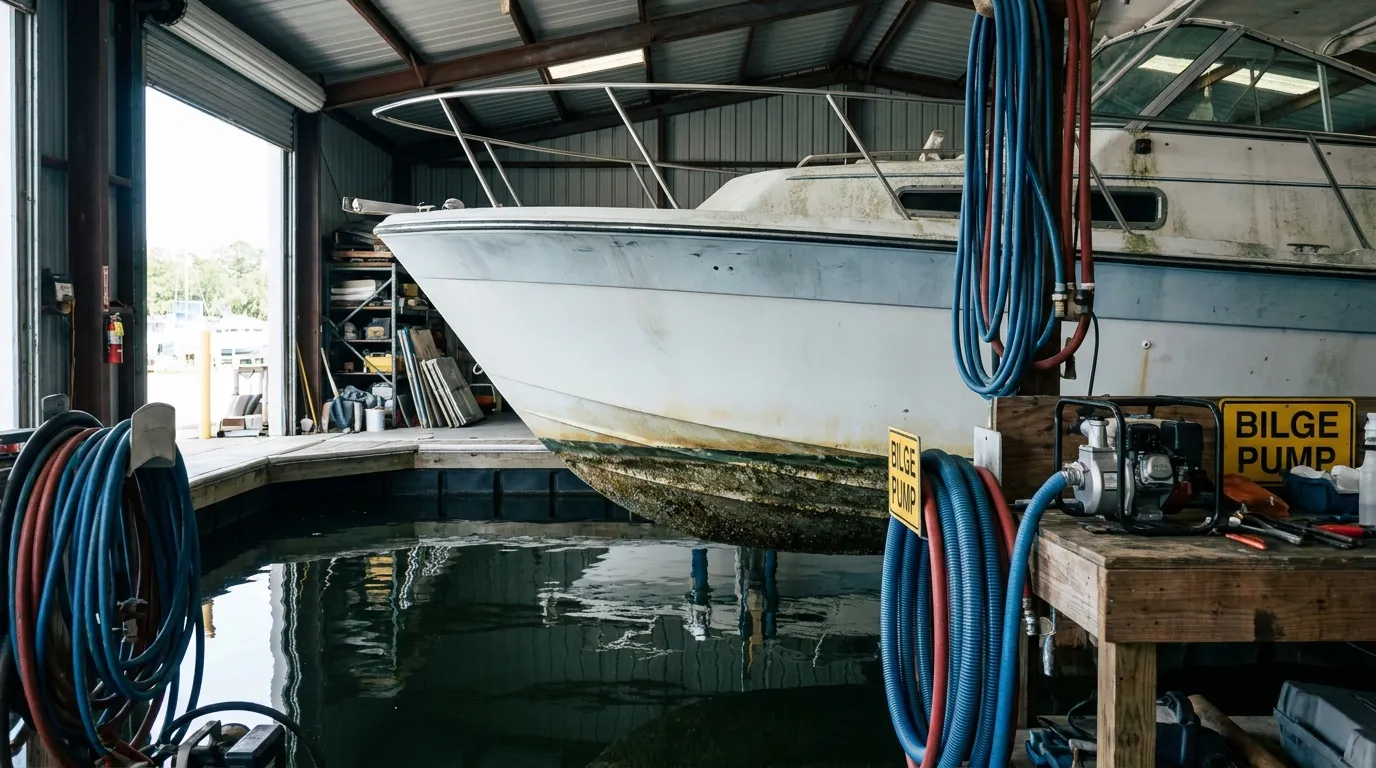
Boat hull fouling control is mostly about performance and cost. A smooth hull moves through the water more easily, while a rough one creates drag and makes the engine work harder. That means more fuel use, lower speed, and less range. On some boats, the ride can even feel heavier and less responsive (and yeah, you can feel that). It’s usually pretty obvious once buildup starts changing how the boat handles.
The numbers back that up. A Liverpool John Moores University study found that small-scale ship hull fouling can raise fuel consumption by up to 40%, and in some cases up to 50% depending on vessel speed. Another study showed fuel use increasing 15% per voyage as hull fouling became severe. Research also found that a fluoropolymer-based antifouling paint produced almost 10% fuel savings in trawling and 3% in cruising compared with a standard antifouling system. Tests also showed foul-release technology with 15% less drag than typical self-polishing coatings. That’s a clear difference in real-world use.
| Fouling or System Effect | Impact | Context |
|---|---|---|
| Hull fouling | Up to 40% to 50% more fuel use | Depending on vessel speed |
| Severe fouling model | 15% more fuel per voyage | 0% to 95% fouling rise |
| Fluoropolymer coating | Almost 10% fuel savings | Trawling |
| Foul-release coating | 15% less drag | Towing tank tests |
For recreational owners, that can mean fewer miles from the same tank and slower acceleration when the boat is loaded with gear. Charter, guide, and commercial users may see that turn into lost income week after week. If you want to cut drag on boat hull surfaces, stopping growth early is usually cheaper than dealing with heavy buildup later. It saves fuel, helps keep speed up, and reduces performance loss.
Anti-Fouling System vs Bottom Paint: What Changes in Real Life
Comparing anti-fouling system vs bottom paint usually comes down to more than “Which one works better?” A better question is which setup actually fits the boat and how it gets used. That’s really what decides it.
Traditional bottom paint uses biocides. It’s made to stop, or at least slow, barnacle and algae growth by making the hull surface less welcoming to them. For boats kept in slips, it still makes sense as a practical choice. It’s familiar, easy to find, and backed by a long track record.
Newer systems give boat owners more choices:
Bottom paint
Best for boats that stay in the water a long time, that’s what matters. It can work very well. But it needs prep, careful application, and later renewal, so don’t skip that.
Foul-release coatings
These usually don’t kill growth. Instead, they make the surface smooth, so organisms have a harder time sticking. They work best on faster boats, and on boats that get moved often, that matters most.
Ultrasonic antifouling
These systems use transducers fitted inside the hull, sending low-power pulses through the structure (pretty neat). They’re meant to disrupt how some marine organisms attach. DOSITS says the concept is scientifically established. But results vary (that’s the catch). Performance depends on hull material, transducer placement, and local fouling conditions.
Targeted systems for seawater circuits
Some electrochemical systems work best in intakes, piping, and commercial setups, instead of across the whole hull bottom.
A common mistake is thinking one method will fix every fouling problem. But a trailer boat used on weekends needs a different plan than a workboat sitting in warm saltwater all year. Those are very different situations. If you want a side-by-side look at coatings and system types, that comparison is covered in this article on Antifouling System Explained: How It Protects Hulls.
How to Choose the Right Antifouling System Setup for Your Boat
The best antifouling system starts with honest answers about how you use the boat (really, keep it simple). Start with these steps, and try not to overthink it.
1. Look at where the boat stays
Warm saltwater with very little movement can build up heavy marine growth fast, it really can. Cold freshwater is usually much less harsh. What matters most here are the local conditions.
2. Think about time in the water
A trailer boat that dries out between trips needs something different (pretty simple, really). But a boat kept in a slip all season is different, and with long time in the water, owners tend to choose stronger boat antifouling plans (that’s the big change).
3. Match the hull material
Ultrasonic antifouling can work differently depending on the hull construction, so that matters. Paint compatibility matters too on fiberglass, aluminum, and other surfaces, so you’ll want to check.
4. Decide what problem matters most
Start with your main goal. Do you need barnacle and algae prevention across the whole bottom, or better protection from marine growth around transducers and intakes (that’s a big one)? Maybe you just want less scrubbing or lower drag.
5. Plan the maintenance cycle
Some systems cut down on how much cleaning a boat needs, but inspections still need to happen. Others need regular recoating. The right boat maintenance upgrade is usually the one that fits a routine someone will actually follow.
Using a few layers often works well in real life. A slip-kept fishing boat, for example, might use good bottom paint on the hull, keep up with routine cleaning at the waterline, and pay more attention to gear that’s harder to protect. If stubborn buildup is already a problem, this guide to Boat Bottom Cleaners Reviewed: What Actually Removes Algae, Barnacles, and Waterline Stains Without Damaging Your Hull can also help.
New Trends Shaping Antifouling System and Hull Protection
Hull protection is changing in a pretty clear way: buyers want results, not just a painted bottom. Fuel costs, emissions, and time spent on maintenance are pushing boaters toward smarter systems. That’s the change showing up across the market.
Growing interest in foul-release coatings, plus silicone and fluoropolymer options, is part of that shift. These can help keep the hull smoother, which may support better speed retention and efficiency over time. There’s also more attention on ultrasonic antifouling from owners looking for non-paint options or extra support for boats that sit for long periods. Different boats, different priorities.
Regulations are also playing a bigger role now. The IMO’s anti-fouling rules already banned harmful organotin compounds, and limits on other chemicals are shaping product choices too. Future hull protection decisions will likely focus on both performance and compliance.
Commercial fleets already treat these trends as normal. Recreational owners are now finding the options easier to access and easier to understand, so comparing systems doesn’t take as much work.
Practical Maintenance Habits That Make Any Antifouling System Work Better
Even the best system can slip if the basics get missed. Good boat hull fouling control usually comes down to regular, repeatable habits. It’s simple stuff, but it has a clear effect.
Regular hull checks make a big difference. Look at the waterline, trim tabs, transducers, prop area, and intake openings. Slime in the early stage is much easier to clean off than hard shell growth, which can save a lot of work later and cut down on extra trouble.
A schedule helps too. Many owners wait until performance starts to drop, but that often means the job has already gotten bigger. A quick look each month can help stop a much larger cleanup later, and the difference is usually easy to notice.
It also helps to use the right cleaning products. Harsh cleaners may damage finishes or shorten the life of coatings, so gentler hull-safe options are usually a better fit over time.
Electrical and onboard systems need attention as well. If ultrasonic antifouling gets added, neat wiring and a proper power supply both matter. For broader upkeep, First Choice Marine gives boaters a place to compare gear and find support for ongoing system care.
Less growth means less drag and fewer haul-out surprises.
Frequently Asked Questions
What is the difference between an antifouling system and bottom paint?
Bottom paint is one type of antifouling system. A full antifouling system can also include surface treatments, foul-release coatings, and devices such as ultrasonic antifouling units. The wider term matters because different boats need different forms of hull protection.
Does ultrasonic antifouling really work?
It can help in some setups, but results vary. Hull material, transducer placement, boat size, and local water conditions all affect performance. It is best seen as one tool in a larger marine growth prevention plan, not a magic fix.
Can hull fouling really affect fuel use that much?
Yes. Verified research shows fouling can raise fuel use by up to 40% or more in some conditions. Even smaller levels of buildup can reduce speed and make it harder to reduce drag on boat hull surfaces.
Is bottom paint still worth using?
For many slip-kept boats, yes. It remains a practical and proven choice for barnacle and algae prevention. The key is using the right type for your hull and local water, then maintaining it on schedule.
How often should I inspect my hull for fouling?
A quick visual check every few weeks is smart during the active season, especially in warm saltwater. If the boat stays in the water full time, regular inspection helps catch slime before it turns into hard growth. Boaters comparing cleaning supplies and maintenance items often use resources like First Choice Marine to keep routine care simple.
What is the best boat maintenance upgrade if I want less hull drag?
Start with the basics: a clean hull, the right coating, and regular inspections. After that, choose upgrades based on your use, such as a better bottom paint, a foul-release system, or in some cases ultrasonic antifouling. The best upgrade is the one that fits your boat and your real maintenance routine.
The Bottom Line for Cleaner, Faster Running Hulls
Bottom paint matters, but it is only one part of the picture. A real antifouling system can include paint, slick coatings, ultrasonic devices, and extra protection for the spots that usually cause the most trouble, not just one product. Looking at the full setup helps boat owners make better choices.
If a boat stays in the water, marine growth prevention should be part of the regular maintenance plan instead of an afterthought. A smoother hull can improve efficiency and handling, and it may also help cut wasted fuel. It also means less heavy scraping and cleaning work that nobody looks forward to, and yes, that part is a pain.
What should guide the decision first? Local conditions, storage style, and how often the boat actually gets used. From there, the right level of hull protection can be built around those facts. For some owners, that will mean sticking with good bottom paint. For others, it may mean adding a newer boat maintenance upgrade that works with it as another layer of protection.
The result is stronger boat antifouling, cleaner running surfaces, and fewer headaches on the water.
