


The fishing industry is changing fast in 2026, and it’s not just about new motors or flashy electronics. A lot of the real progress is happening where you can’t see it. Adhesives and sealants now matter much more in how fishing boats are built, fixed, and updated, especially when owners are working on older rigs. They seal hulls, mount engines, protect electronics, and keep live wells from leaking, the behind‑the‑scenes jobs that quietly keep everything working. These materials have become very important. Manufacturers are rolling out options that are stronger and lighter, with more focus on environmental impact. Boats deal with nonstop vibration, and long days in direct sun often push materials far beyond what basic glue or caulk can handle.
For recreational anglers, commercial crews, and hands‑on boat owners, these changes show up sooner than many expect. Better adhesives can mean fewer leaks and quieter rides, and they often make dockside repairs faster. Smarter sealants help protect expensive onboard systems, which can reduce maintenance costs over time. At the same time, boats now use more mixed materials and pack in more technology, so older products often don’t hold up, something many owners have already experienced.
Why Adhesives and Sealants Matter More in 2026
What really stands out in 2026 is how differently fishing boats are built compared to ten years ago. Many hulls and onboard parts now combine fiberglass, aluminum, plastics, and composite materials in a single structure, and it’s often a complex mix. Builds like this can show the limits of traditional fasteners, especially after years of vibration, sun, salt, and rough weather. Modern adhesives and sealants are made to bond across these different surfaces and often stay flexible when a boat bends or takes a hard hit at sea, which happens more often than most people expect. That flexibility can make a clear difference over time.
Boat builders and repair shops are choosing this approach because lighter builds tend to last better season after season, not just for a short stretch. Market data supports this, showing steady growth in marine adhesives and sealants as recreational fishing and commercial fleets continue to expand. And it’s not just about growth. Longer boating seasons, higher fuel costs, and more boat owners doing their own maintenance all factor in. Stronger bonding also means fewer drilled holes, which can help cut down on corrosion and water leaks as boats get older.
To put the market shift into perspective, here’s a simple snapshot of where marine adhesives and sealants stand in 2026 (nothing fancy, just the big picture).
| Category | Estimated Market Size | Primary Driver |
|---|---|---|
| Marine Sealants | USD 1.3 billion | Hull sealing and deck protection |
| Marine Adhesives | USD 447 million | Lightweight bonding and repairs |
| Fast-Cure Compounds | Rapid growth segment | Emergency and dockside fixes |
These numbers help explain why new products are coming faster, especially when a quick, durable repair during peak fishing season can save an entire trip.
High-Performance Adhesives and Sealants for Modern Fishing Boats
A clear shift in 2026 is the move toward high-performance, multi-substrate adhesives. These products can bond metal, fiberglass, plastic, and composites in a single step, which usually saves time without cutting corners. On fishing boats, this often shows up around engine mounts and deck hardware, where parts are always dealing with some level of movement. That constant motion is usually where problems start. Vibration from outboards and rough water can slowly wear down weaker bonds, and that’s how surprise repairs tend to appear right in the middle of a busy season (almost never when it’s convenient). That’s usually not what anyone had in mind.
New adhesive formulas now focus more on vibration damping and impact resistance. In real use, that often leads to less noise, fewer stress cracks, and parts that stay put for longer. The benefits may sound simple, but they add up over time. Commercial operators often see fewer breakdowns. Recreational anglers usually notice a smoother, quieter ride, especially after several hours on the water. These adhesives are also easier to handle, so many DIY owners pick them for upgrades without turning it into a drawn-out project.
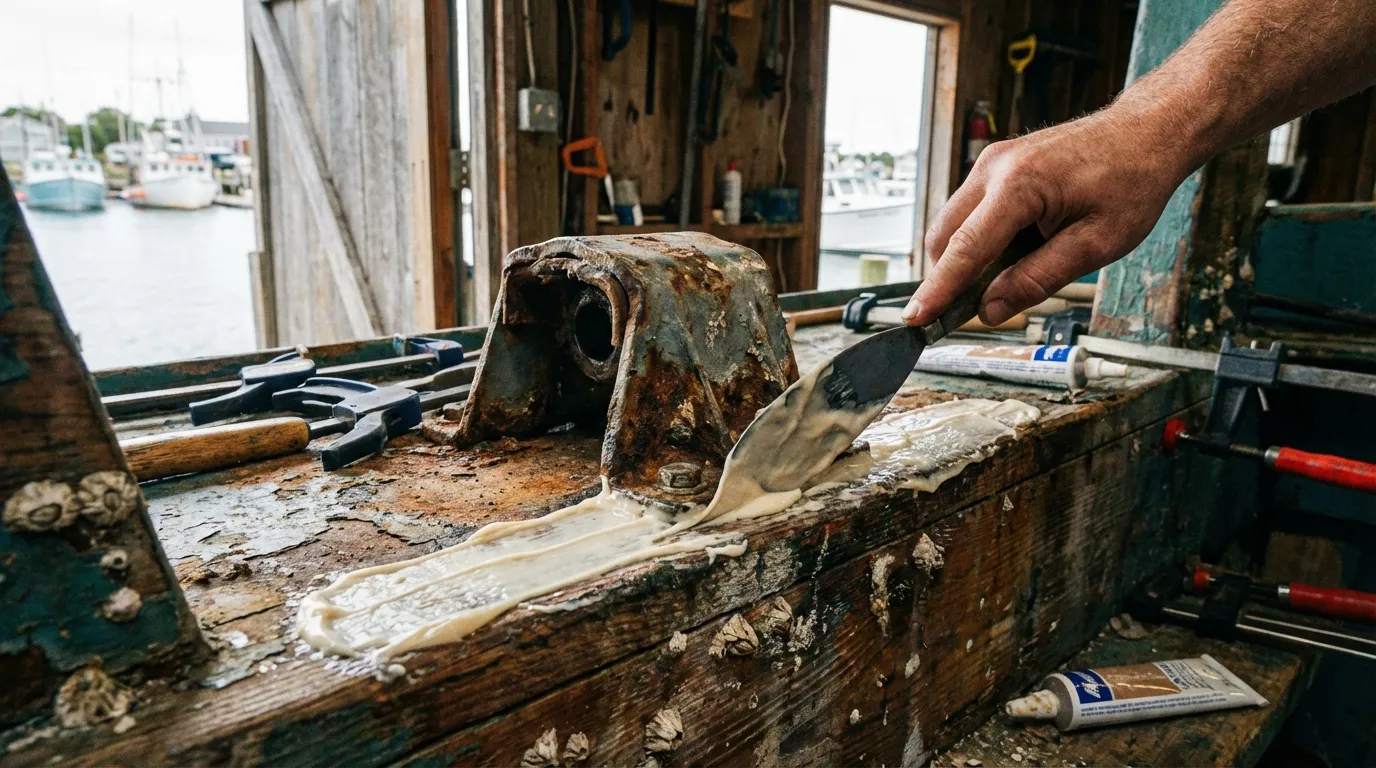
Weight reduction is another plus. Swapping out some mechanical fasteners can cut a few pounds from a hull. Less weight often improves fuel efficiency and handling, which becomes easy to notice on long offshore runs, where even small improvements matter. For deeper insights into how modern boat designs integrate these materials, see Fishing Boats 2026: Smart Connectivity & Advanced Tech.
Smarter Adhesives and Sealants for Hulls, Decks, and Live Wells
Sealants aren’t just about stopping leaks anymore. By 2026, they’re made to move with the boat, handling steady UV exposure, saltwater, and big temperature changes over a long season (which boats definitely deal with). This level of durability matters most around hull seams, deck hardware, and thru-hull connections. These areas take constant spray, vibration, and sun, which is a lot for any single material. Older sealants often failed once conditions got harsh.
Live wells and fish storage areas are finally getting the attention they need, and it’s been a long time coming. New moisture-resistant, food-safe sealants help keep water cleaner and plumbing secure, especially around drains and fittings. For anglers keeping bait or fish onboard all day, this often means less contamination, healthier fish, and simpler cleanup. Less scrubbing usually means fewer lingering odors once you’re back home.
Many boat owners still make common sealing mistakes. Using household caulk or sealing over poorly prepared surfaces happens more often than it should. Even though modern marine sealants are easier to use, prep still counts. Surfaces need to be clean and completely dry, and the sealant has to fit the material, or the job often needs to be redone later.
These updates also support newer onboard systems. As fish finders and sensors become more advanced, waterproof micro-sealants protect wiring and small connections that are easy to overlook. This ties directly to Marine Electrical Systems 2026: Adopting Next-Gen Power Innovations for Small Boats, where proper sealing helps electronics stay dependable over time.
Sustainability and Low-VOC Innovations on the Water
In 2026, environmental pressure is clearly shaping how marine products are made, and adhesives and sealants are part of that shift. One noticeable change is the growing use of low-VOC and solvent-free options. These products reduce harmful emissions during application and curing, often right on deck or at the dock, where crews notice the difference most. For fishing operations in sensitive waterways, this usually makes day-to-day compliance easier, especially with tighter rules and closer checks.
Another sustainability benefit appears over time. Sealants built for a longer service life often mean fewer reapplications. This can lead to less waste, fewer rushed repairs, and fewer work stoppages. Commercial fleets often see maintenance costs stay more stable over the years, while recreational anglers get more days on the water and spend less time fixing gear.
By reducing chemical runoff and keeping vessels in service longer, these materials support sustainable fishing goals in practical ways. The result is easy to see: cleaner waters and healthier ecosystems that help keep fishing grounds productive year after year.
Fast Repairs and Emergency Solutions for Anglers
For commercial fishing crews, time is money. For weekend anglers, free hours matter just as much, sometimes even more than they expect. By 2026, fast‑curing adhesives that can set underwater are changing how boat repairs are done. What stands out is how much effort they save. With the right product onboard, crews can handle quick fixes, or even longer‑lasting ones, without needing to haul the boat back to a dock or onto a trailer.
In real situations, emergency repair compounds are especially helpful in remote fishing areas. When a small crack starts leaking and the closest repair shop is hours away, these materials can seal the issue until proper service is available. DIY boaters also feel more at ease knowing they have a backup option when something goes wrong and help isn’t nearby.
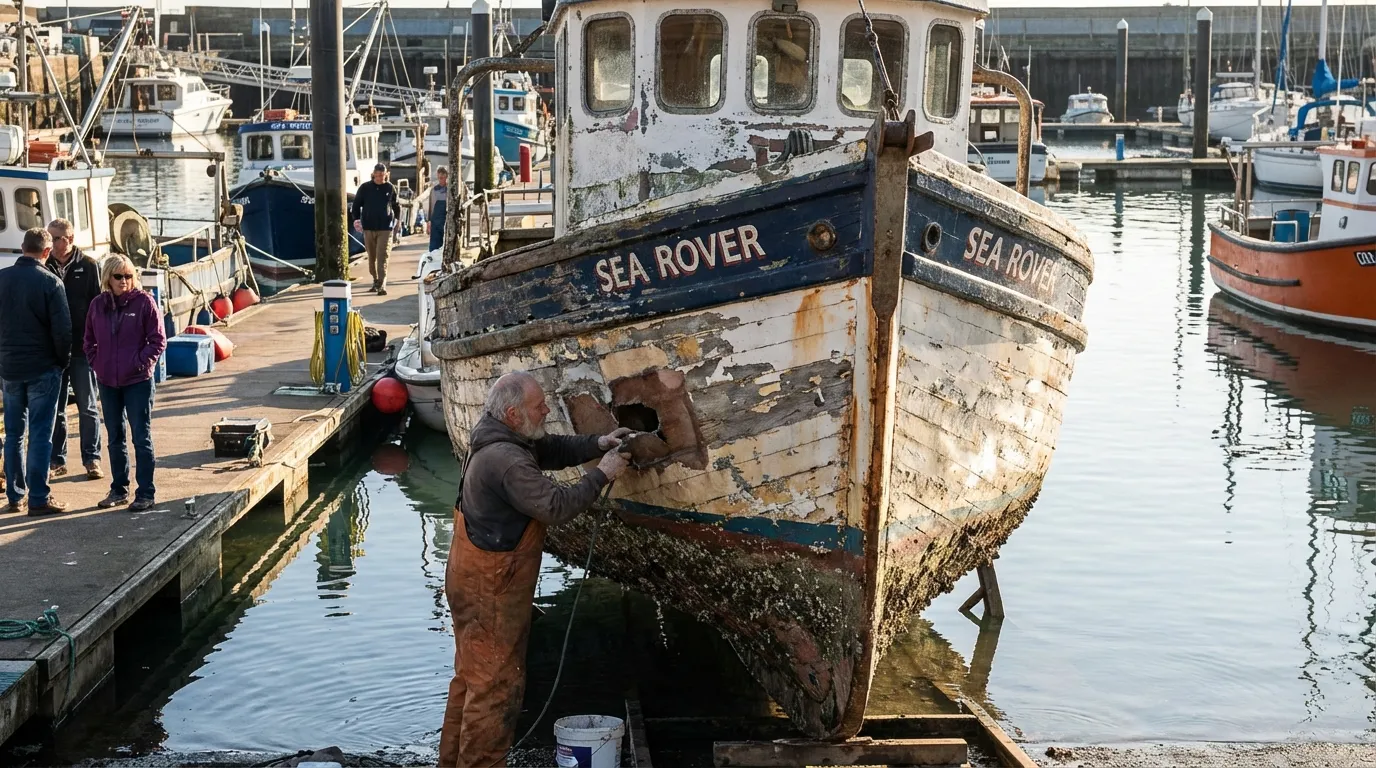
These tools are strong, but they’re not magic. It helps to know if a repair needs to last the whole season or just get you through the day, like sealing a leak well enough to finish the trip and make it home safely.
How Adhesives Support Advanced Fishing Tech
As fishing boats move toward 2026 with smarter systems, adhesives and sealants usually work quietly in the background, keeping things running without much notice. They’re used to mount trolling motors and hold battery trays in place, and a lot depends on bonding that holds up over time. It’s easy to overlook, but when adhesion fails, systems can shut down mid-trip. That often happens far from the dock, which is one of the worst times to deal with problems on the water, especially if you’re fishing alone.
Electric trolling motors rely on vibration-resistant mounting adhesives. A solid mount leads to smoother operation and less wear over time on brackets and wiring, where small stresses can slowly cause damage. This topic comes up in Electric Trolling Motors: Eco-Friendly Fishing 2026, where stability and efficiency are discussed often. Motors aren’t the only concern, though.
Sealants protect smart sensors and navigation gear from moisture. As boats add more connected equipment, keeping water out matters even more, since even small leaks can cause issues.
Common Questions People Ask
What makes marine adhesives different from regular adhesives?
Marine adhesives are built for wet areas, handling water, salt, UV light, and steady boat vibration, while regular household glues usually break down and fail there.
Not always. Hull seams usually need more flex so they can move, they shift a lot. Deck fittings need stronger grip, so different sealants are used.
Are low-VOC sealants less durable?
By 2026, low-VOC usually doesn’t mean weaker performance. Many eco-friendly sealants meet durability standards, and some even perform better than expected overall today.
How long do modern marine sealants last?
Good marine sealants often last for years if applied properly. But how you use them and exposure usually make the difference.
Should DIY boat owners keep emergency adhesives onboard?
Yes, I think you should. Quick-set repair compounds help with short-term fixes, usually once, and make fishing trips safer.
The Bottom Line for Fishing Boats in 2026
Adhesives and sealants don’t get much attention, but in 2026 they’re driving change in fishing boats, even if most people never think about them. Better bonding, smarter sealing, greener formulas, and longer life are improving safety and everyday reliability. That boost in reliability is often the clearest benefit, seen on small recreational boats and large commercial vessels alike. These updates stay out of sight, yet they support motors, onboard electronics, and more sustainable practices without adding extra work for owners.
For anglers and operators, the takeaway is simple. Picking the right adhesive or sealant can stop costly repairs and help protect gear as boats keep evolving. Materials matter more than before, as boat designs change, shaping how everything holds together in 2026, whether anyone notices it or not.
