


Picking the right marine navigation systems can get confusing fast. There are lots of screens, sonar options, chart choices, and add-ons, and a unit that works really well for a weekend angler may not make sense for a cruiser, charter captain, or commercial operator. That matters even more now because many boaters want one display that can do a lot at once: build routes, mark fish, show depth, connect with radar, and link with other electronics onboard. With that much riding on one setup, it’s easy to get stuck while comparing options.
To make that easier, we looked at four of the biggest names in the space: Garmin, Humminbird, Lowrance, and Raymarine. The focus was on their product ecosystems, strengths, trade-offs, and the areas where each brand stands out most. No extra fluff, just the parts that are actually useful. If the comparison is about fish finders for freshwater trips or a full helm with advanced marine navigation systems, this guide helps narrow the field and avoid getting lost in marketing claims.
What You’ll Find in This Guide
- Garmin Marine
- Humminbird
- Lowrance
- Raymarine
Four Marine Electronics Brands Worth Your Attention
Put these brands side by side and the differences show up fast. Some focus more on fishing performance, while others do more with broader navigation, radar, and vessel integration.
| Company | Best For | Key Strength | Main Limitation | Founded |
|---|---|---|---|---|
| Garmin | All-around boating and fishing | Strong sonar and broad ecosystem | Premium setups get expensive | 1989 |
| Humminbird | Anglers focused on imaging | MEGA Imaging and mapping tools | More fishing-centric than general marine | 1971 |
| Lowrance | Sportfishing and bass fishing | Wide model range and fishfinding tools | Advanced setups can take time | 1957 |
| Raymarine | Navigation-heavy boating and offshore use | Excellent system integration | Less fishing-first brand identity | Long-established |
That quick view saves time, but the real choice depends on how they use their boat, where they fish, and how much integration they want at the helm.
Garmin Marine
At a Glance
Garmin is one of the easiest brands to recommend if you want a setup that does a lot really well. Founded in 1989, it has grown into a huge marine electronics line with chartplotters, fish finders, radar, autopilot, trolling motor integration, and app connectivity. The GPSMAP and ECHOMAP families are especially popular, and LiveScope is a big reason many anglers pick Garmin for real-time sonar views. It also works well for boaters who want flexibility, whether that means starting with a simple combo unit now or building toward a more connected system later.
Core Features
- GPSMAP and ECHOMAP chartplotter/fishfinder series
- LiveScope live sonar technology, and yeah, it really stands out
- Built-in mapping and chart support on many models
- Works with radar, autopilot, and trolling motors
- NMEA networking and connected helm features, which are really useful
- Mobile app connectivity for planning and updates
Pros
- Broad ecosystem: Garmin covers a wide range, from basic fish finders to advanced helm setups, which is a nice plus.
- Strong sonar tools: For serious anglers, LiveScope is still a big reason to buy and one of Garmin’s best features.
- Easy upgrade path: You can start with a smaller setup and add more over time if that suits your boat.
- User-friendly feel: Many boaters say the menus and layouts are easy to learn and simple to use.
- Great all-around fit: It works well for fishing, cruising, and other mixed-use boats, so it handles a bit of everything.
Cons
- Costs add up: Premium displays and sonar packages can get pricey very fast.
- Add-ons matter: Some popular features need separate transducers, and a few also need networked gear, so you may end up paying for extra parts.
- It might be more than you need: For casual users, that much detail in the ecosystem can feel unnecessary.
Who It’s For
Garmin is a great fit for boaters who want one brand for navigation, fish finding, and future upgrades. If the boat gets used for a bit of everything, it works really well, fish one weekend, cruise the next. It’s also a good pick for anglers who want advanced sonar without getting locked into a fishing-only platform.
Unique Value Proposition
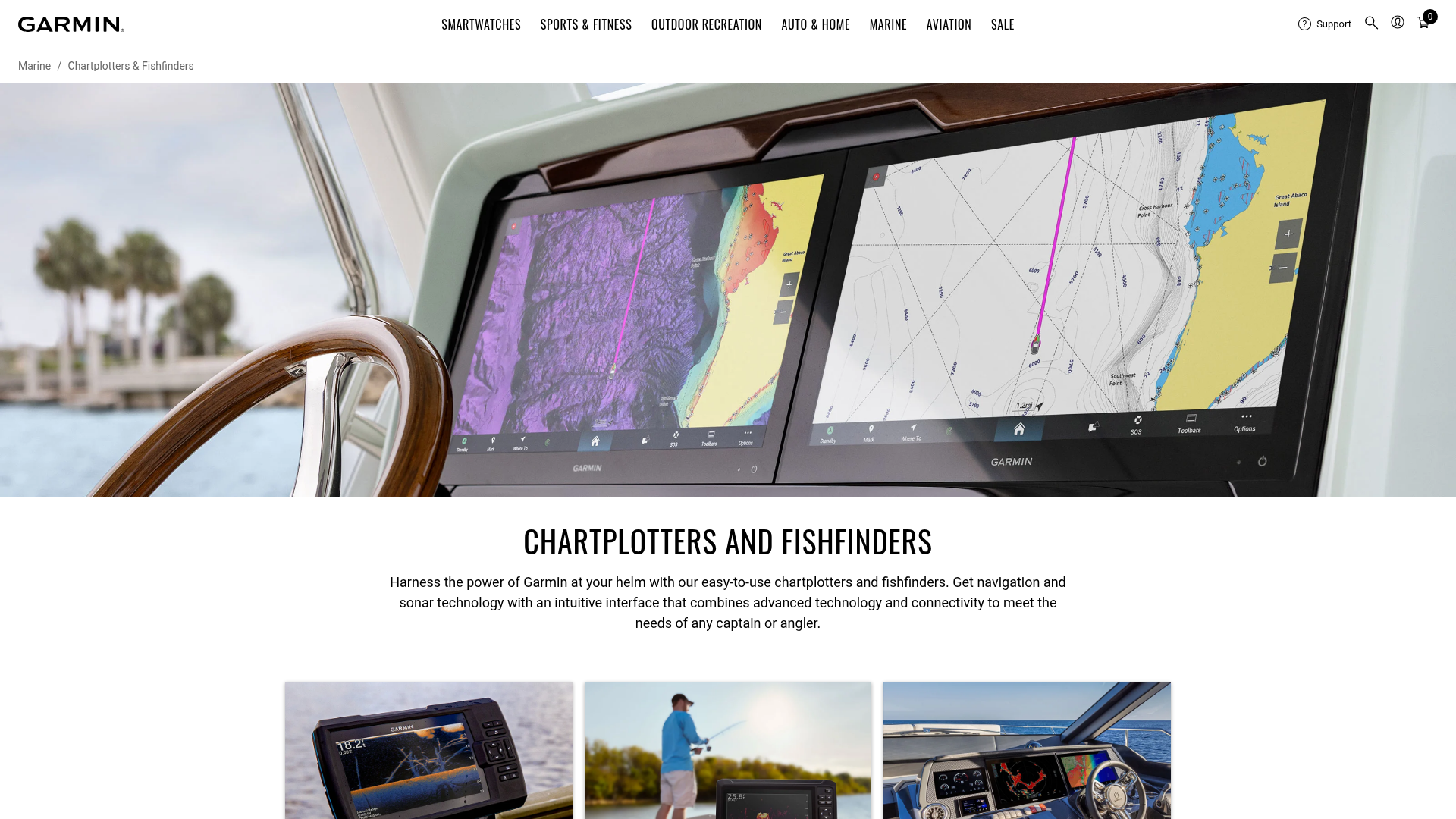
Garmin’s biggest strength is its balance. Some brands focus more on fishing, while others really stand out in big-boat navigation. Garmin falls in the middle, pairing strong fish finder performance with solid marine navigation systems in the same ecosystem, which is really handy. That makes it a reliable pick, especially for anyone who wants flexibility and long-term value without extra hassle.
Website: https://www.garmin.com/en-US/c/marine/chartplotters/
Humminbird
At a Glance
Humminbird has been part of marine electronics since 1971, and it’s still one of the first brands many anglers bring up when shopping for fish finders. It’s especially known for the HELIX and SOLIX lines, and the newer XPLORE products are part of that lineup too.
It also stands out for MEGA Imaging and MEGA Live sonar, along with mapping support like LakeMaster and CoastMaster. If the goal is finding structure, reading bottom detail, and staying on fish, Humminbird is worth a closer look, especially once that starts to matter more out on the water.
Core Features
- HELIX, SOLIX, XPLORE, and display families
- MEGA Imaging for clear, detailed sonar views
- MEGA Live sonar for tracking fish in real time
- LakeMaster and CoastMaster mapping compatibility, which is really handy
- Fish finder units, along with combo models for navigation
- Network support for connected fishing electronics
Pros
- Excellent imaging: Humminbird really stands out when bottom detail matters most, and you can see it in the clear picture.
- Angler-first design: Many features are built for real fishing situations, not just a list of specs.
- Strong map options: LakeMaster is a big plus, especially for inland anglers.
- Great for structure fishing: It works really well when breaking down points, ledges, and cover.
- Established reputation: The brand has earned a lot of trust over the years and kept it.
Cons
- Fishing-heavy focus: It may feel a bit narrower than some full-marine competitors, so keep that in mind.
- Interface preference varies: Some users just prefer Garmin or Raymarine’s layout. It mostly comes down to personal taste.
- Premium models climb in price: With advanced imaging, the cost can rise fast and add up quickly.
Who It’s For
Humminbird is a good fit for anglers who care more about finding fish and getting clear imaging than full-vessel integration. It works especially well on bass boats, inland fishing rigs, and nearshore setups, where sonar clarity and map detail can make a real difference on the water and help you spot more.
Unique Value Proposition
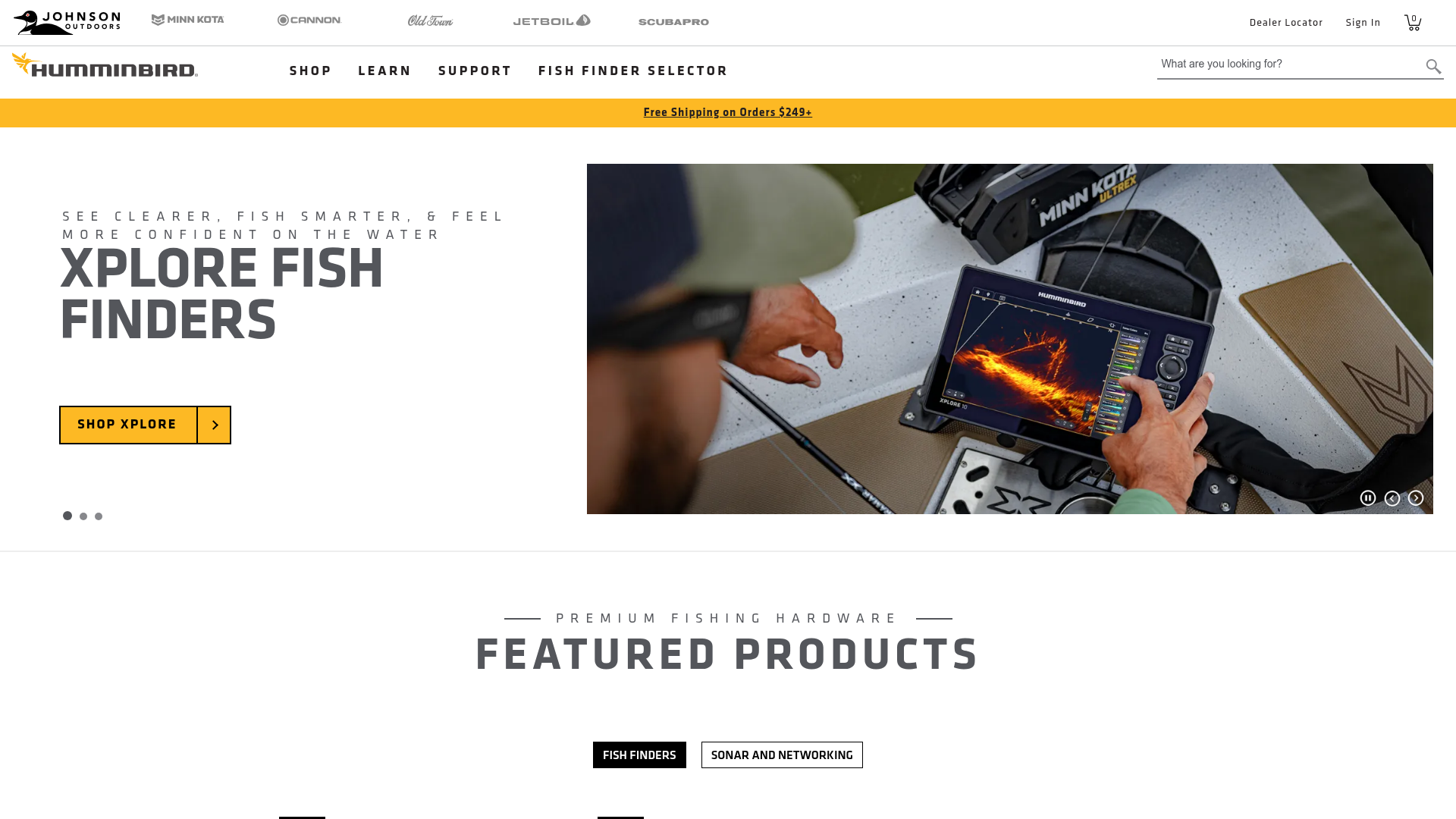
Humminbird stands out for serious anglers because its tools work where it matters. MEGA Imaging and mapping are built to read the water in a practical way, not just add numbers to a spec sheet. The focus stays on simple, useful features. For anyone who wants fish finders that make structure, depth changes, and even fish movement easier to understand, Humminbird has a clear identity.
Website: https://www.humminbird.com/
Lowrance
At a Glance
Founded in 1957, Lowrance has one of the longest histories in this category, and it’s still a favorite with sportfishing and bass-fishing users. That long track record shows in a lineup with options for a wide range of needs.
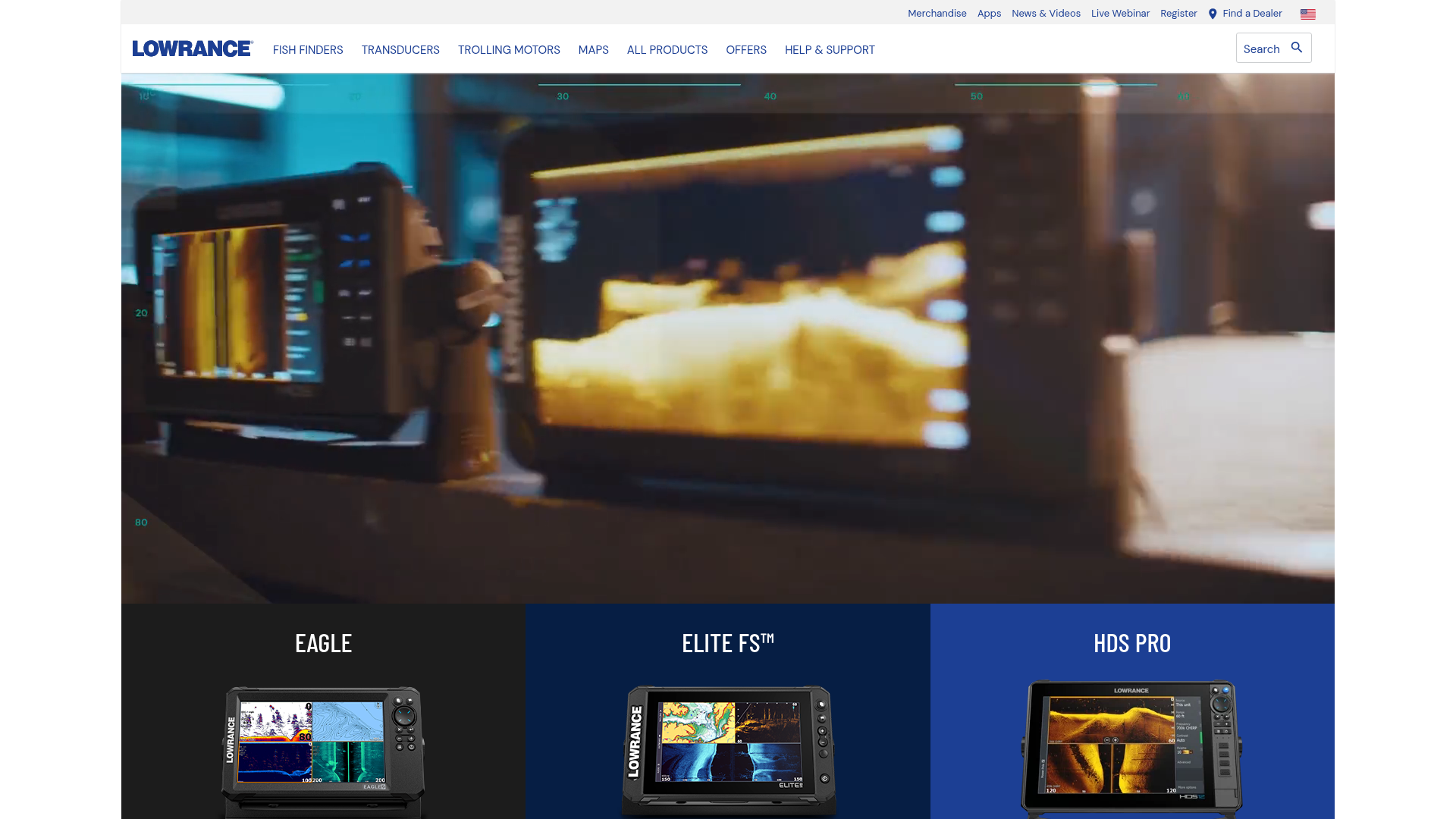
The range includes the HDS PRO, Elite FS, and Hook series, so buyers can pick anything from budget-friendly units to tournament-grade systems. Lowrance is especially known for fishfinding performance and navigation features.
Active Imaging, FishReveal, and C-MAP compatibility give anglers solid features across several price levels.
Core Features
- HDS PRO, Elite FS, Hook series, plus other options
- Combo chartplotter and fish finder units
- Active Imaging sonar tools
- FishReveal target separation features
- C-MAP chart compatibility
- Options from entry-level to premium, so it’s easier to pick what fits
Pros
- Wide price spread: Lowrance has good options across different budgets, so it’s easier to avoid spending too much. That gives people some real flexibility.
- Fishing reputation: It’s still a favorite with bass anglers and sportfishing groups, which says a lot about how people really use and trust it.
- Strong sonar and charts: The fishfinding tools work well with the navigation features, which makes for a useful combo on the water.
- Many model choices: There’s a good range of features, so people can pick what fits the way they use the boat.
- Long track record: Lowrance has been in marine electronics for a long time, and that experience is clear.
Cons
- Higher-end setup can be tricky: Premium systems may take a little more time to set up, so it’s not always quick.
- Top models are pricey: HDS-level gear is not an impulse buy.
- The model lineup can feel confusing: If someone is new, sorting out the differences may take a little help, which is fair.
Who It’s For
Lowrance is a good pick for anglers who want dependable fishfinding and enough model variety so they do not end up paying for features they will never use. It fits freshwater fishing, bass rigs, and owners looking for a recognizable, proven brand with entry-level options along with more advanced models.
Unique Value Proposition
Lowrance offers a really good middle path. Buyers can start at a lower price point, then move up later to serious tournament-level hardware without having to switch ecosystems, which is a big plus. For many people, that still makes Lowrance one of the most practical choices for marine navigation systems and fish finders today.
Website: https://www.lowrance.com/
Raymarine
At a Glance
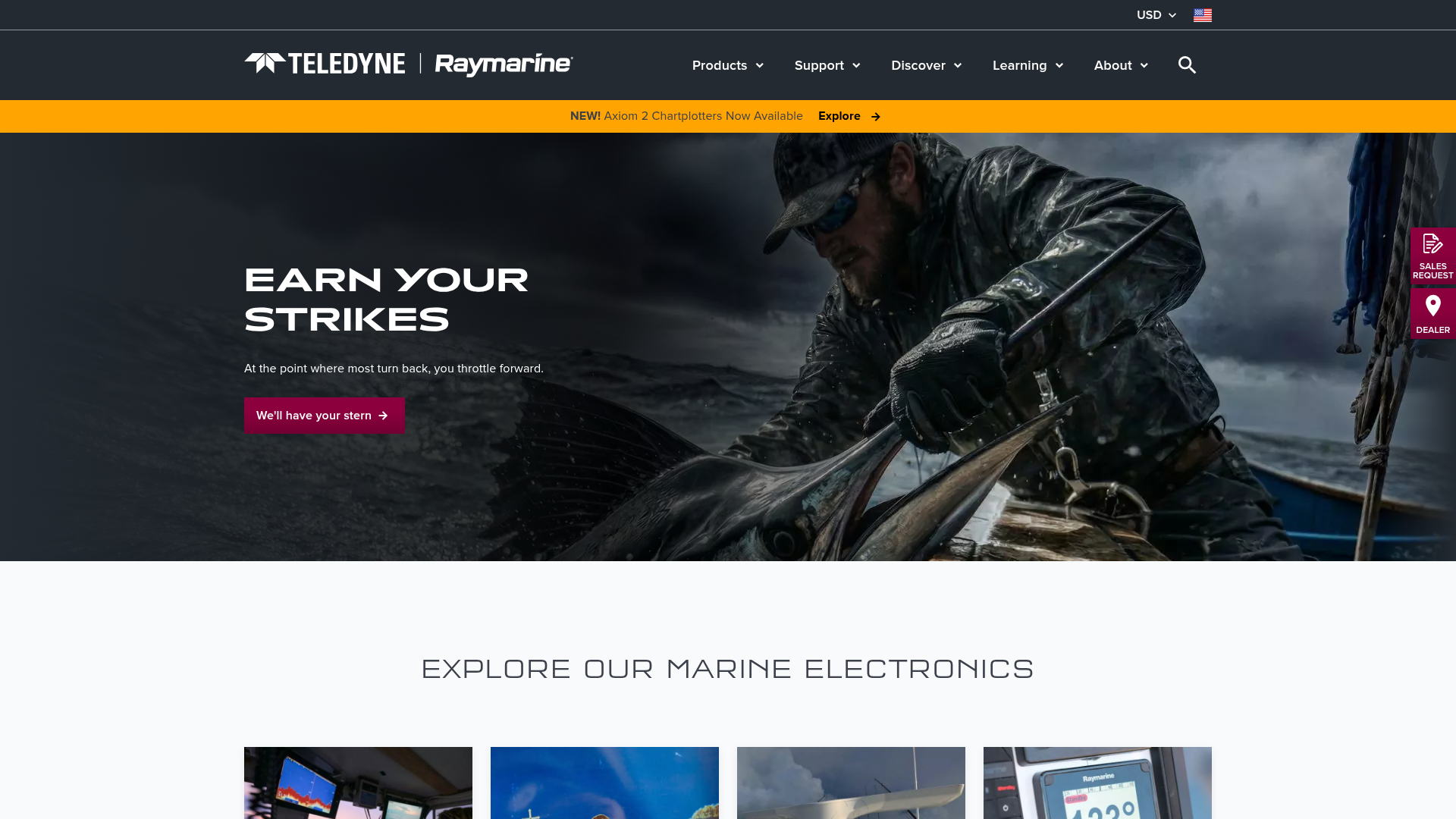
Raymarine is a popular choice for boaters who care most about navigation. It’s best known for Axiom multifunction displays and the Lighthouse operating system. The lineup includes chartplotters, fish finders, radar, autopilot, and thermal camera integration.
It may come up less often in freshwater fishing conversations, and that part is true. Even so, Raymarine remains a good option for cruisers, offshore users, and boaters building a connected helm around navigation, safety, and overall system control.
Core Features
- Axiom multifunction displays
- Lighthouse operating system
- Chartplotters with built-in fishfinder features
- Radar, autopilot, thermal camera, and system integration
- Broad vessel-system networking, plus good offshore and cruising capabilities
Pros
- Excellent integration: Raymarine fits easily into full-helm setups. You notice pretty fast that it just works.
- Navigation-first appeal: It suits cruisers and offshore boaters especially well, and that focus is clear once you’re offshore, not just out for day fishing.
- Solid multifunction displays: Axiom screens are well respected, and for good reason.
- Good radar pairing: Raymarine makes a lot of sense if radar is part of the plan.
- Strong marine identity: It’s built for more than fishing, and that shows.
Cons
- Less fishing-first branding: Freshwater anglers may check other brands first, and that makes sense.
- Best value comes in full systems: Buying a single unit usually means you won’t get the most out of it, and that’s the catch.
- Mid-to-premium tilt: Budget shoppers may find fewer clear places to start, and that shows up pretty fast.
Who It’s For
Raymarine works best for boaters focused on route planning, radar awareness, helm integration, and sonar, the core basics. It’s a good fit for cruising boats, offshore fishing vessels, and setups where navigation and connected systems matter just as much as finding fish, especially on boats that need both sides to work well together.
Unique Value Proposition
Raymarine stands out for its whole-boat mindset. Instead of focusing mostly on fish finder performance, it builds marine navigation systems that can serve as the hub of a connected helm, which matters in real use. For boating that includes offshore travel, changing weather, night runs, or broader safety planning, it’s a very strong option.
Website: https://www.raymarine.com/en-us
How These Brands Compare
Want a simple side-by-side look before building a shortlist? This comparison helps you narrow things down fast.
| Company | Key Features | Pros | Cons | Pricing |
|---|---|---|---|---|
| Garmin | GPSMAP and ECHOMAP units, LiveScope, radar and autopilot integration | Balanced for fishing and navigation, easy upgrade path, strong sonar | Premium systems get expensive, best features may need add-ons | Varies by model |
| Humminbird | HELIX, SOLIX, XPLORE, MEGA Imaging, MEGA Live, LakeMaster support | Excellent imaging, great for anglers, strong inland mapping | More fishing-centric, interface preference varies | Varies by model |
| Lowrance | HDS PRO, Elite FS, Hook, Active Imaging, FishReveal, C-MAP support | Wide model range, strong fishfinding, good budget-to-premium spread | Advanced setup can be involved, top models cost more | Varies by model |
| Raymarine | Axiom displays, Lighthouse OS, radar, autopilot, thermal camera integration | Great navigation suite, strong helm integration, good for offshore use | Less fishing-first appeal, best value often in full systems | Varies by model |
There’s no single best unit for every boat. It depends on what matters most to you and how you use it, whether that’s fishing detail, all-around flexibility, upgrade options, or full-system navigation.
So Which One Should You Pick?
For the best all-around option, Garmin is hard to beat. It does fishfinding and navigation really well, and it also gives you plenty of room to add more later if that ends up mattering. If imaging is the main priority, Humminbird stands out most, especially for anglers who spend a lot of time reading structure. Lowrance is also easy to put on a shortlist, mainly because it offers a useful range of choices across different price points. And if the boat is used more for navigation, radar, or offshore trips, Raymarine will probably make the most sense.
All four are solid brands, so there is no bad option here. The better pick depends on the water, the boat, and how it will actually be used.
Turn the Right System Into Better Days on the Water
Buying a screen is only one part of the job. Marine navigation systems and fish finders work best with a solid install plan, the right transducer, reliable power, a mounting setup that fits the boat, and a few simple maintenance habits. Good guidance helps with all of that and can save a lot of frustration later. Even a great unit can fall short if it’s mounted poorly, doesn’t get enough power, or is matched with accessories that don’t really fit the boat. Small setup choices can have a real effect once you’re on the water.
First Choice Marine helps boaters sort through those practical decisions. For a helm upgrade, onboard accessories, or a better idea of how navigation electronics fit into the rest of a setup, First Choice Marine is a useful place to keep learning. There’s also an online marine parts and boating equipment resource that can help explain the accessories and support gear needed to get a system working the way it should.
Before buying, think about how the boat is actually used: lake fishing, coastal cruising, offshore runs, or commercial work. Then match the electronics to that job instead of getting pulled toward the flashiest spec list. Starting simple usually makes the whole setup easier to use. 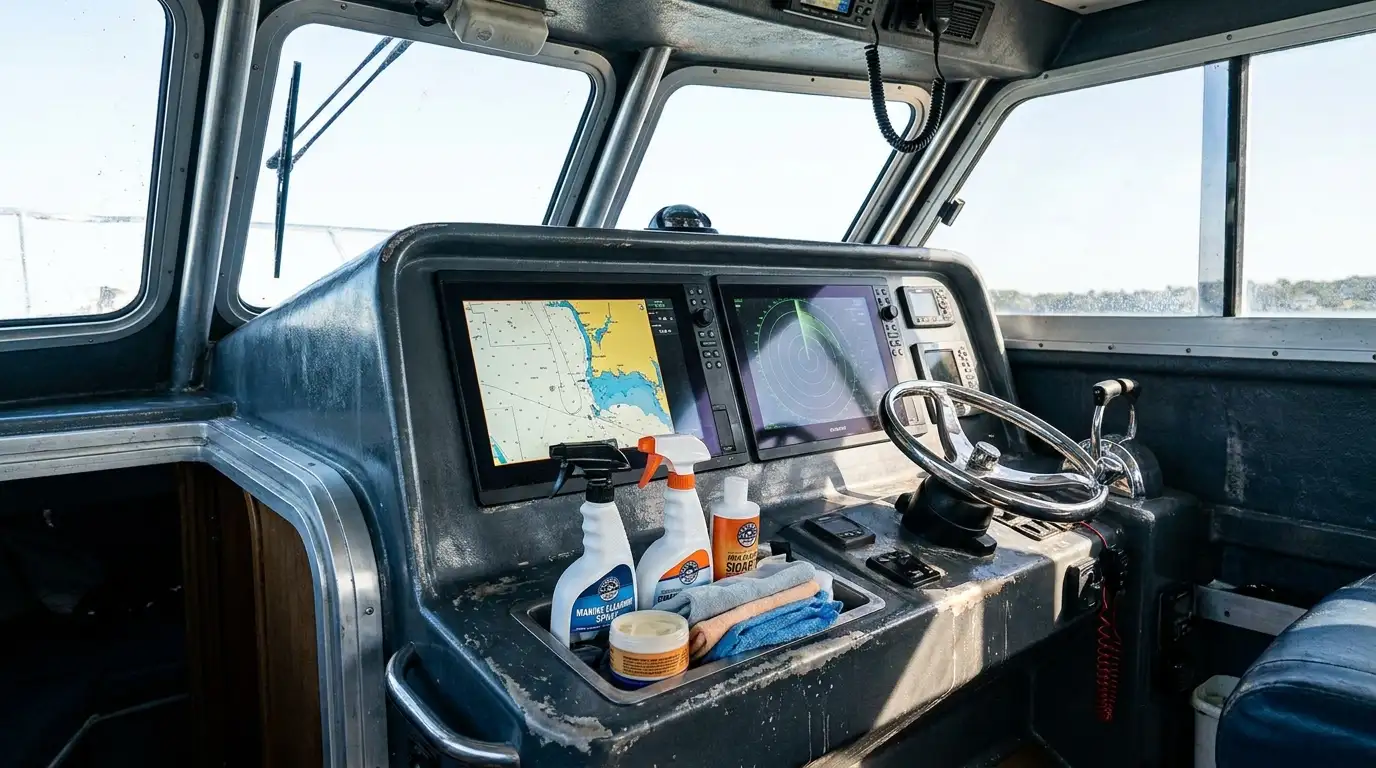
Frequently Asked Questions
What should I look for when choosing marine navigation systems?
Start with how you actually use your boat. Screen size, sonar type, chart compatibility, networking, and ease of use all matter, but the right mix depends on whether you fish inland, run offshore, or mostly cruise. It also helps to think about future upgrades, since some systems are much easier to expand than others.
How do I know if a fish finder is effective for my boat?
A good fish finder should match your hull, transducer location, and target depth range. Effectiveness is not just about the display unit itself. Proper installation, clean power, and correct sonar settings all affect performance, which is why practical setup guidance from resources like First Choice Marine can be helpful when comparing systems.
How much do marine navigation systems usually cost?
Pricing varies a lot by screen size, sonar package, mapping, and networking features. Entry-level fish finders can be fairly affordable, while premium multifunction displays with advanced sonar and radar support can cost much more. In this category, the real price is often the full installed setup, not just the display.
How long does it take to learn a new chartplotter or fish finder?
Most boaters can learn the basics in a single outing, especially on simpler combo units. More advanced systems may take a few trips before the menus, sonar views, and chart tools feel natural. If you are adding networking, radar, or autopilot, expect a longer learning curve.
Which types of boaters benefit most from advanced marine navigation systems?
Offshore anglers, cruisers, commercial operators, and boaters who run in changing weather usually benefit the most. Advanced systems are also valuable for owners who want one display to manage route planning, sonar, and other connected equipment. The more time you spend on the water, the easier it is to justify stepping up in features.
Where can I learn more about installing and supporting marine electronics?
The best place to start is with practical installation and maintenance guidance, not just sales pages. First Choice Marine is useful here because it focuses on boating equipment, onboard systems, and maintenance topics that help owners understand what accessories, power components, and support gear may be needed around a navigation upgrade.
