


Boating in 2026 is not just about a strong engine and a clean hull anymore. Smart systems now give boaters more control at the helm, make docking easier, help catch problems sooner, and leave more time to actually enjoy being on the water, which is usually the whole reason for going out. That’s a big change, and new tech in marine propulsion is changing what a boat can do for weekend anglers, family cruisers, and commercial operators.
That change matters because boats are becoming more connected, and owners are clearly ready to spend money on upgrades. Recent industry data shows 238,117 new boats were sold in 2024, including 141,590 outboard boats. At the same time, spending on aftermarket accessories reached $12.4 billion. That gives a clear sense of how many boaters are putting money into electronics, power systems, and onboard gear, not just upgrades that improve looks. Smart tech is not really a niche add-on anymore.
This guide looks at the top smart technologies for boaters in 2026, with close attention to marine propulsion and GPS for boats. It also covers connected monitoring, docking tools, digital switching, and fishing electronics. For anyone who likes doing upgrades and maintenance themselves, it should make it easier to see which systems are worth attention and how they work together on a modern boat.
Smarter GPS and Navigation Are Becoming the New Standard
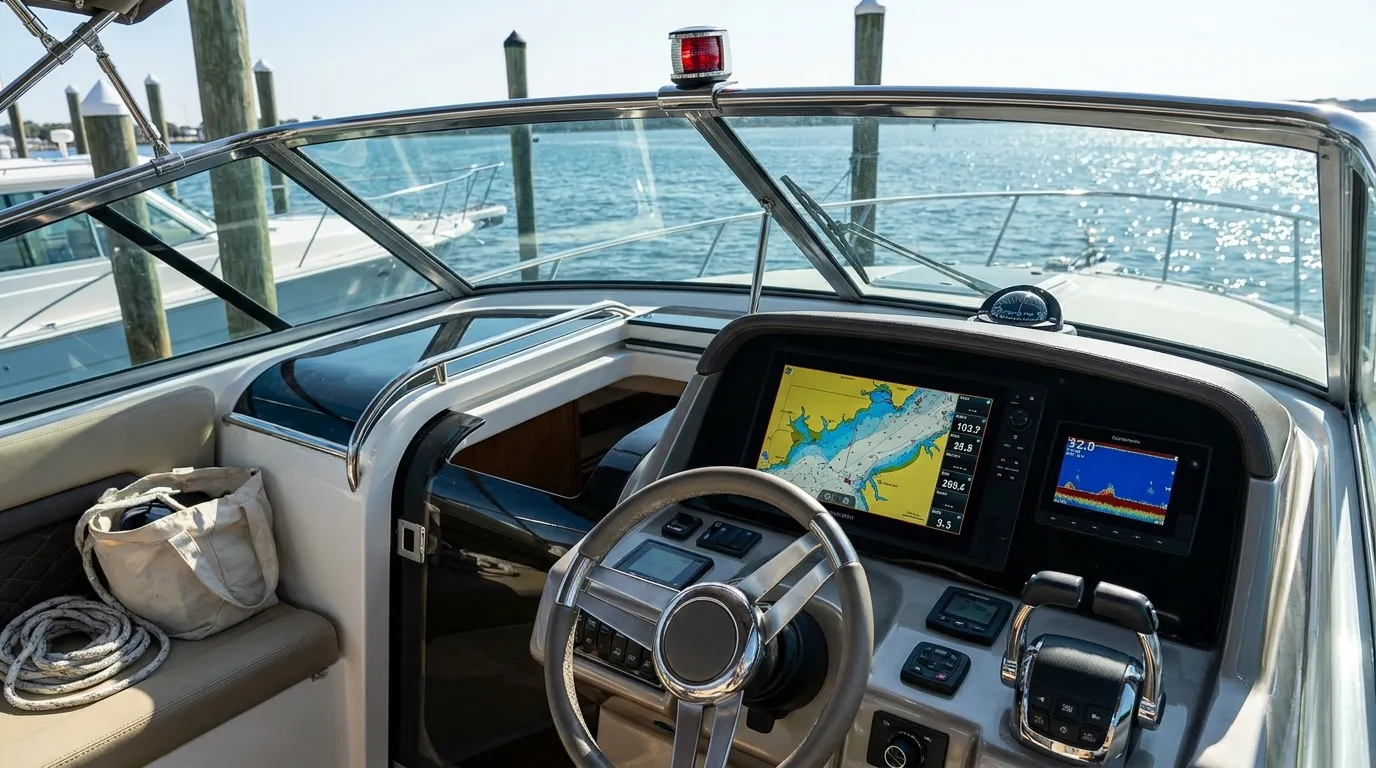
One of the clearest shifts in marine electronics is also one of the easiest to spot: GPS for boats now does a lot more than show a position on a chart. Modern systems can help with route planning, warn boaters about traffic or hazards, and even make docking in tight marinas much easier, which is honestly a pretty big deal. Marine industry coverage also points to newer navigation systems adding collision awareness, object detection, route support, and remote system visibility.
That looks different depending on the boater. A casual lake boater may only need clear chart viewing and waypoint storage. A coastal angler might want radar overlays, sonar integration, and routing that considers weather. A commercial operator usually needs stronger situational awareness, especially in low light or crowded channels, including marina entrances and narrow waterways. That’s a pretty important difference.
| Boating Tech Metric | Value | Year |
|---|---|---|
| New boats sold | 238,117 units | 2024 |
| Outboard boats sold | 141,590 units | 2024 |
| Aftermarket accessories spending | $12.4 billion | 2024 |
| Boat use spending | $12.1 billion | 2024 |
For buyers, one useful approach is to look for navigation systems that can expand with the boat over time. Units that connect with sonar, radar, cameras, and engine data can make later upgrades a lot easier, so everything does not need to be replaced at once. If more detail on setup and buying decisions would help, that was covered in this Best GPS for Boats: Chartplotter Buying Guide. Many boat owners also compare options through retailers like First Choice Marine when looking at marine electronics, maintenance supplies, and onboard accessories together, which can probably save time. Simple stuff.
Assisted Docking, Onboard Vision, and Marine Propulsion Support
For a lot of boaters, docking is the toughest part of the day. Wind, current, tight slips, and nervous passengers can turn a simple landing into a mess pretty fast, and yeah, that happens. It’s no fun, which is a big reason assisted docking is one of the most exciting smart technologies for 2026.
After three years of development and testing, Brunswick has launched proprietary technology that autonomously docks and undocks a boat.
This kind of system gives a clear sense of where boating tech is going. Assisted docking can combine joystick control, GPS positioning, cameras, and sensors to help a boat hold position or move in a controlled way during short marina maneuvers, usually around tight slips or near the fuel dock. Even if a boater never uses full autonomous docking, there’s still a lot of value in simpler features like station keeping or camera-guided approaches, and that’s often enough for the situations people deal with most.
Onboard vision is getting more useful too. Side and aft cameras can make trailer loading and slip approaches easier to handle. It’s simple tech, but it can still save a lot of stress when backing in or lining up at the ramp. Thermal cameras can also improve awareness at night, in fog, and in bad weather, where visibility usually drops fast.
Computer-enhanced and thermal-imaging camera systems are proliferating in commercial and law-enforcement fleets.
One common mistake is thinking these tools replace boat handling skill. They don’t; they support it. Boaters still need to practice slow-speed control and line handling, and keep good awareness around docks. So if someone is adding autopilot or docking support, this Autopilot for Boats: Installation Tips, Pitfalls & When to Use article covers where those tools fit and where they can fall short, because they definitely can.
Electric and Hybrid Marine Propulsion Moves Into the Mainstream
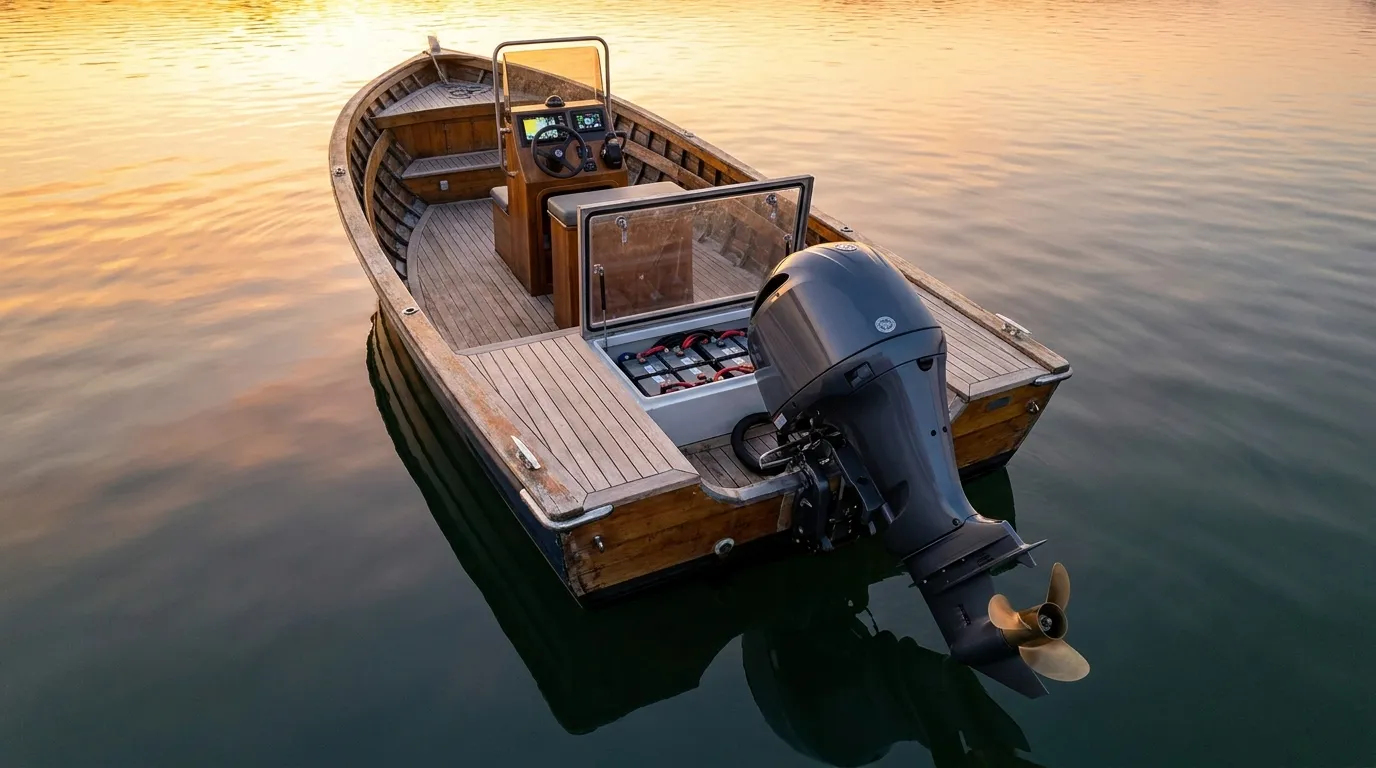
If one area is shaping the future of marine propulsion, it’s electrification. Electric and hybrid systems are no longer ideas mostly seen at boat shows. They’re becoming practical options for inland lakes, short-range cruising, marina service boats, and even some commercial workboats, and that says a lot by itself.
The market numbers support that. The electric boats market is estimated at USD 4.40 billion in 2026 and is forecast to reach USD 10.60 billion by 2031, with a 19.2% compound annual growth rate. The segment above 30 kW is expected to grow even faster at 19.9%. That usually points to real growth, especially as batteries, charging systems, and motor efficiency keep getting better. Demand is clearly rising.
| Electric Marine Propulsion Metric | Value | Period |
|---|---|---|
| Electric boats market size | $4.40 billion | 2026 estimate |
| Electric boats market size | $10.60 billion | 2031 forecast |
| Overall CAGR | 19.2% | 2026-2031 |
| >30 kW segment CAGR | 19.9% | 2026-2031 |
For boat owners, the appeal is pretty easy to see. Electric propulsion runs quietly and has fewer moving parts, which often means less routine maintenance. No oil changes, for example. There’s also less vibration, and slow-speed handling is often easier, especially around docks. For people who want to cut fuel use without giving up as much range, hybrid systems offer another practical option.
Still, the tradeoffs are real and need a close look. Battery weight, charging access, and real-world range have to match the way the boat is actually used. A trolling setup on a fishing skiff is one situation. A long offshore run is very different. Maintenance changes too, since owners need to look beyond fuel and ignition parts and pay attention to battery management, charging health, and electrical connections. That’s why it often helps to understand the basics of system care before upgrading an older boat, because that’s usually where the first questions start. You can also explore Best Practices for Maintaining Marine Propulsion Systems for detailed guidance.
Connected Monitoring and Marine Propulsion Health Tracking
One of the most practical smart upgrades is connected vessel monitoring. It helps whether a boat is in a slip, on a trailer, or sitting in storage for a while, which happens more often than many people expect. The main benefit is getting alerts early instead of finding a problem after it has already become a much bigger headache.
These systems can track battery voltage, bilge pump activity, fuel level, engine status, shore power, and security conditions. For a DIY owner, that usually means fewer surprises, which is a pretty big deal. If the bilge pump starts cycling too often, leaks can be checked before water builds up. If battery voltage drops, charging issues can be fixed before a weekend trip gets disrupted. For commercial operators, that extra visibility can reduce downtime and often makes maintenance planning easier.
It also works well with larger electrical upgrades. Smart chargers, lithium battery systems, and digital power controls usually work better when they share information, and in this kind of setup they are often more useful together than on their own. If that kind of system is in the plan, this article covers it: Marine Electrical Systems 2026: Adopting Next-Gen Power Innovations for Small Boats. It explains how modern power systems can support smart electronics across the boat by sharing status data and power information.
A good place to start is usually the biggest pain point. If dead batteries are the main concern, start there. If water intrusion is the bigger worry, begin with bilge monitoring and high-water alerts, since that is often the first area where extra visibility helps most.
Fishing Tech and Digital Switching Make Boats Easier to Use
Fishing boats are often some of the first to use smart systems, mostly because anglers care a lot about precision. Networked sonar, chartplotters, fish finders, and trolling motors can now share waypoints, depth data, and route history in one setup, which is really useful. In real use, that usually makes things easier: spots are simpler to mark on the chartplotter, trolling paths stay cleaner, and there is less jumping back and forth between screens.
Another quieter but still important step is digital switching. Instead of relying on a crowded panel of separate switches, many boats now use app-based or screen-based controls for lights, pumps, accessories, and power zones (in most cases, anyway). When the system is set up well, that can simplify wiring, cut clutter behind the helm, and make troubleshooting less of a hassle.
The main thing is not to overbuild. Adding every new feature at once is tempting, but a lot of owners are probably better off choosing a few smart upgrades that solve real problems, like better fish-finding, safer running after dark, or cleaner battery control (I think that’s usually the smarter move). Usually, the best system is one that is easy to understand and easy to maintain well.
Frequently Asked Questions
What is the most useful smart boating technology in 2026?
For many owners, smart GPS and chartplotter systems are the most useful because they improve navigation, route planning, and safety right away. The best choice depends on how you use your boat, but navigation tools usually offer the fastest day-to-day benefit.
Is GPS for boats different from regular car GPS?
Yes. Marine GPS is built for water navigation, not roads. It uses nautical charts, depth data, waypoints, and boating-specific route information, which makes it much more useful and much safer on the water.
Are electric propulsion systems practical for small boats now?
Yes, for many short-range uses. Electric marine propulsion works especially well for inland lakes, small fishing boats, tenders, and low-speed cruising where quiet operation and lower maintenance matter more than long range.
Do I need a full smart boat system, or can I upgrade one part at a time?
You can absolutely upgrade one part at a time. Many boaters start with GPS for boats, battery monitoring, or a smarter trolling motor setup, then add more later as budget and needs grow.
Where can boat owners compare parts and smart upgrade basics for these systems?
A practical place to start is First Choice Marine, especially if you want to compare marine parts, trolling motor gear, electronics-related accessories, and maintenance items in one boating-focused store. It also helps to pair product research with educational guides so you understand installation and upkeep before buying.
What should I check before installing new smart marine electronics?
Start with your boat’s power supply, wiring condition, mounting space, and network compatibility. If you are shopping for chargers, batteries, or related power gear to support new electronics, First Choice Marine is one example of a boating retailer that can help you see the kinds of support equipment these systems often require.
Choosing the Right Smart Upgrades for Your Boat
The best smart tech for boaters in 2026 is mostly moving in the same direction: more control, better awareness, fewer surprises, and a lot less stress once you’re out on the water. Smarter GPS for boats can make navigation feel easier, especially around busy marinas. Assisted docking and vision systems can also take a lot of pressure off tight maneuvers, especially in narrow slips or crowded harbors. Connected monitoring often catches issues early, before they leave you stranded offshore or stuck at the dock. And electric or hybrid marine propulsion can mean more efficient boating with less maintenance to deal with, which honestly sounds pretty appealing.
There’s no need to install every new system at once. One practical approach is to start with the upgrade that solves your biggest headache. For some boaters, that’s a chartplotter. For others, it may be a battery monitor, a charger, or a propulsion setup that feels cleaner and easier to use. Then add more only if it really fits the way the boat gets used. That’s usually the simplest way to avoid spending too much.
The smartest boat is often the one with tools that fit the waters, the owner’s habits, and their maintenance skills. Choose carefully, and smart boating tech in 2026 can make trips safer, simpler, and a lot more enjoyable. When the gear fits the way the boat is actually used, the difference is usually noticeable right away.
