


Marine electronics are changing fast, and 2026 is shaping up to be a big year for boat owners. Gear that used to stay mostly on large offshore vessels is now showing up on fishing boats, family cruisers, and smaller commercial boats as well, and that is a real change. That shift matters because better electronics can help boaters find fish more quickly, spot hazards earlier on the screen or chart, and run the boat with much less stress.
For anyone shopping for new marine electronics, thinking about a DIY upgrade, or just trying to get more from a current setup, it helps to sort out what is actually new and what is mostly marketing. Some of the biggest changes for 2026 are smarter multifunction displays, better radar with chart overlays, more useful live sonar, stronger network integration, and a growing focus on battery use and power efficiency, which often feels overdue. These are all areas worth watching, especially for people who spend a lot of time on the water.
This guide explains the basics in simple terms. It covers which trends matter most, how they help real boaters, and the mistakes that are usually worth avoiding. It also looks at how to plan upgrades without wasting money. For boat owners who want dependable parts and practical maintenance support, First Choice Marine fits well into the wider conversation about reliable onboard systems and everyday boat care.
Smarter Marine Electronics Navigation Is Leading the Way
Navigation is still the biggest part of the marine electronics market, and the numbers make that pretty clear. Precedence Research says the global marine electronics market is expected to reach USD 7.71 billion in 2026, up from USD 7.24 billion in 2025. The same research also says navigation systems make up 45% of the market. Hardware accounts for more than 71% by component. In simple terms, boaters are still spending real money on physical systems that help them travel safely and feel more sure of themselves on the water, which probably is not very surprising.
| Metric | Value | Why It Matters |
|---|---|---|
| Marine electronics market size | USD 7.71 billion in 2026 | Shows strong demand for upgrades |
| Navigation systems share | 45% in 2025 | Navigation remains the top electronics category |
| North America market share | 38% in 2025 | Strong relevance for U.S. and Canadian boaters |
| Recreational boat segment growth | 7.12% CAGR | More boat owners are adopting modern systems |
A lot of that growth is connected to smarter chartplotters and multifunction displays, often called MFDs. These newer units do much more than show a map. They can combine GPS, sonar, radar, AIS, engine data, and autopilot controls on one screen. Industry coverage from PropTalk and The Fisherman points in the same direction. Newer systems such as the Furuno TZMAP and TZtouchE also show that shift, with one main display acting as the boat’s command center, which often means less switching back and forth.
For many boaters, that means fewer separate screens and a cleaner helm layout. In my view, that usually means less clutter at the wheel or console. It can also make decisions easier in rough weather or low light, especially when quick information matters most.
AI Features and Radar Are Getting More Practical
One of the biggest marine electronics trends for 2026 is AI-assisted navigation and collision avoidance. That still does not mean the boat drives itself, not even close. What it does mean is the system can read radar, route data, chart info, and nearby traffic faster than a person, then flag risks and suggest safer moves. For most people, that is probably the part that really matters.
Research from The Fisherman found that 34% of new radar systems in 2025 include AI Avoidance Route features. BLD Marine also reports 42% faster hazard detection with next-generation systems. That usually matters most in real situations, like entering a busy inlet, running through fog, or heading out before sunrise, when visibility often is not great.
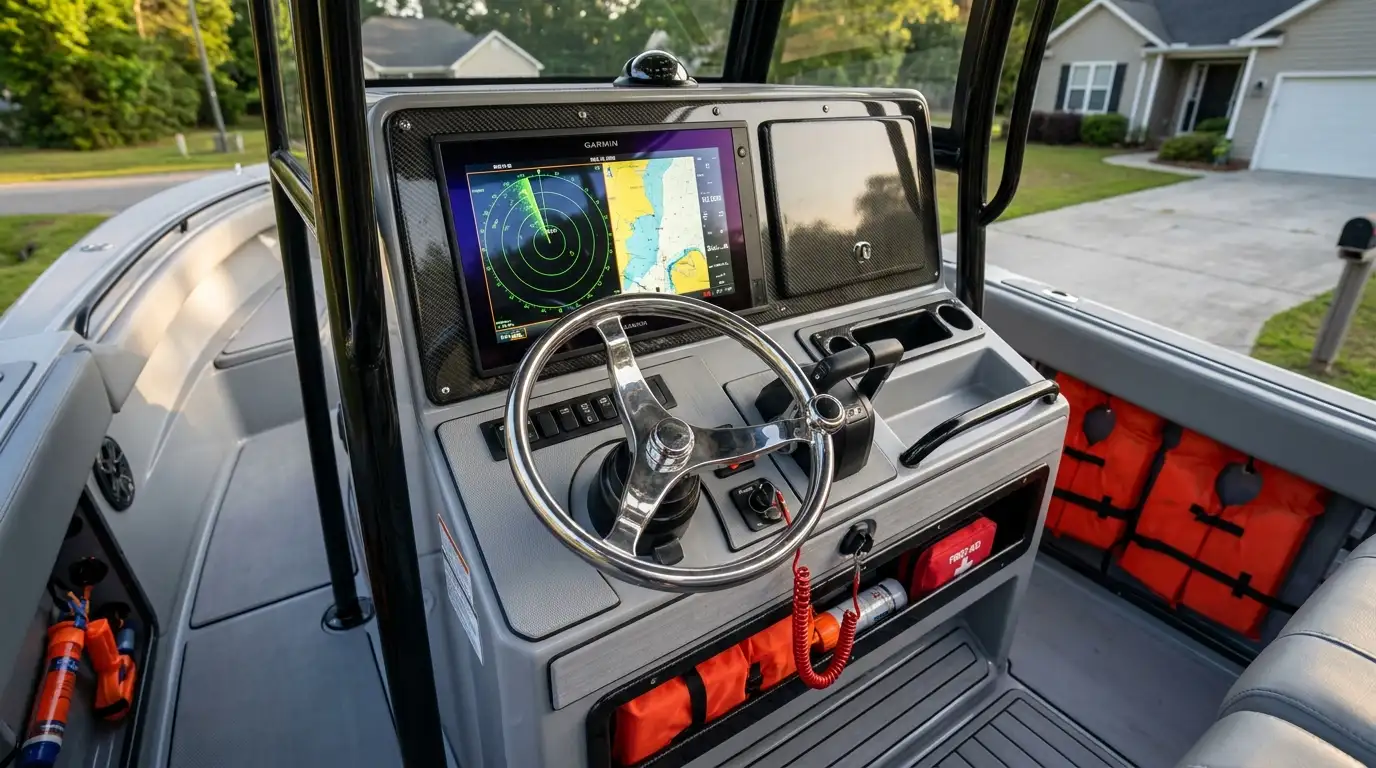
So here is what that can look like in real use:
A simple upgrade path
Start with a good MFD.
If you boat early, late, offshore, or when visibility is rough, radar is a smart add-on, especially at night. It also helps to connect AIS to the same display and set alarms for shallow water, nearby traffic, and route drift.
That kind of setup gives you a much clearer view of what’s around the boat. For a DIY owner, it’s also usually easier to maintain, since one connected system is often simpler than a bunch of separate devices, which can get annoying fast.
Before you buy, a good next step is to learn how the systems connect. Doing that first is probably worth it. The article Integrating Advanced Marine Electronics on Your Boat is useful if you want to understand how these devices work together in a real installation.
A common mistake is thinking radar is only for offshore captains. In 2026, more weekend boaters use it for night runs, busy waterways, and sudden weather changes, which often move in fast.
Live Sonar and Fishfinding Keep Getting Better
If you fish, this is probably the most exciting part of the marine electronics story. Forward-facing and live sonar are still pushing the market forward, and the reason is pretty simple: instead of reading older information after the boat has already moved over structure, anglers can watch fish activity almost in real time and respond much faster. In most cases, that means seeing fish out in front of the boat instead of only seeing what was directly below a few seconds before.
Coverage from The Fisherman points to the Humminbird XPLORE series and MEGA Live 2 as clear signs of where angling tech is going. The focus is on clearer returns, better target separation, and faster updates. That is genuinely useful. For casual anglers, it often means less guesswork and a better idea of what is happening under the surface. For tournament anglers and guides, it can give them a real edge during events and on paid trips, especially when fast decisions matter on the water.
Still, better sonar will not fix a poor setup. Common problems include mounting the transducer at the wrong angle, running dirty power, placing cables too close to interference sources, and other installation mistakes. It is basic stuff, but it matters. Even a high-end screen usually cannot produce clean images if the installation is weak.
That is also why battery health matters so much. Sonar, displays, live imaging, trolling motors, and shallow-water anchors all draw power. When voltage drops, electronics can freeze, dim, or show strange readings. Many boaters upgrading fish finders should also think about battery planning and heat control. It is not the flashy part, but it matters here. We covered that here: Marine Batteries Thermal Management 2026: Preventing Failure.
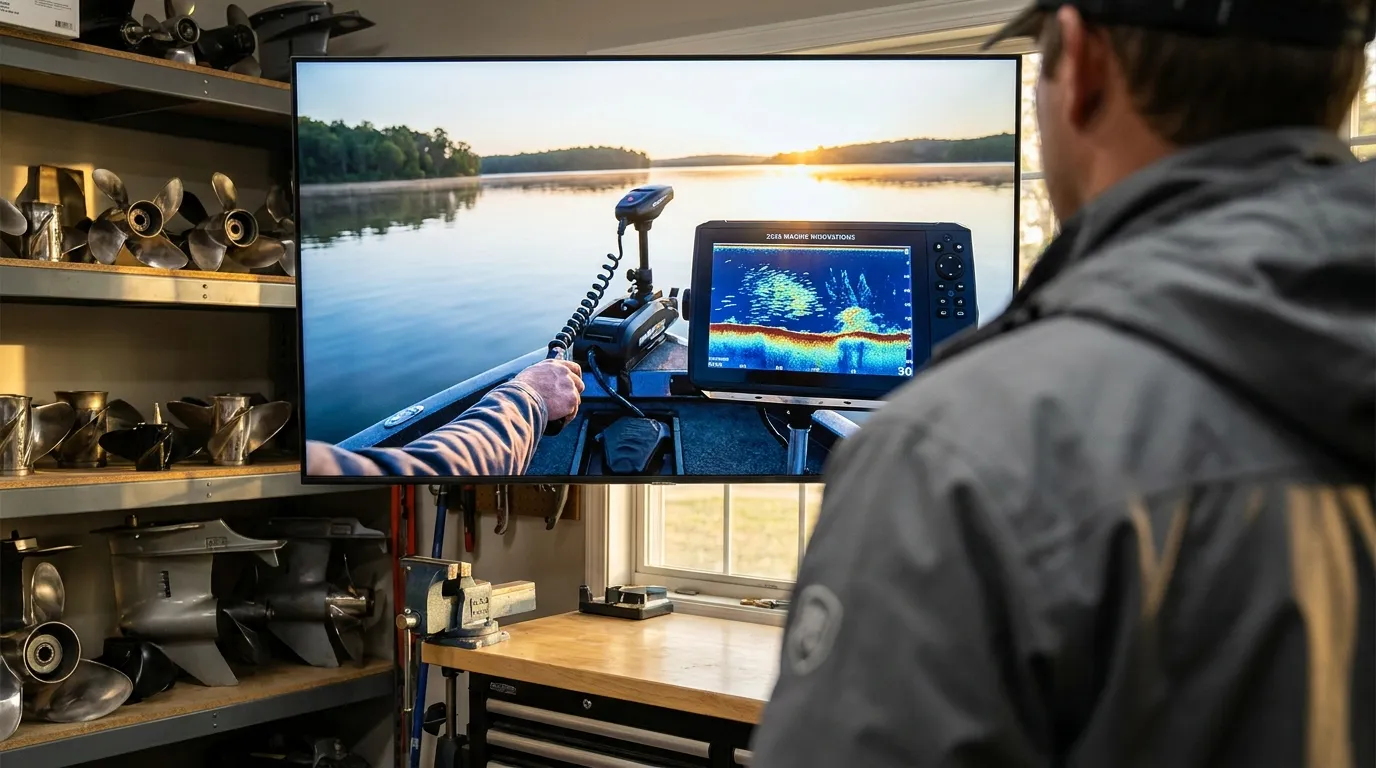
The smartest anglers in 2026 are pairing newer sonar with a stable system built around it.
Networked Systems Make DIY Upgrades Easier
A big change in marine electronics is not just about better devices. It also comes from how well those devices work together. With NMEA 2000 networking, a chartplotter, engine display, sonar, trolling motor, battery monitor, and autopilot can share data. That usually makes time on the water feel smoother, and many boaters notice the difference quickly. It can also make troubleshooting much simpler.
For example, a boater might see fuel flow, engine temperature, battery status, and navigation data on one screen instead of checking separate gauges across the dash. That helps recreational owners, but it is also useful for small commercial operators. In practice, it can reduce clutter, shorten reaction time, and make maintenance issues easier to spot.
The marine electronics market is expected to grow at a notable CAGR of 7.12% during the forecast period for the recreational boats segment.
That quote matches what many owners are already seeing. Recreational boats are becoming more connected, and they are also getting more modular, which is often just as important. Because of that, a full helm rebuild is not always needed. In many cases, owners can add one device at a time.
A practical order looks like this:
Best order for modular upgrades
Before you get started, it helps to know the basics of wiring and the faults that most often cause trouble. Demystifying Marine Electrical Systems: Maintenance and Troubleshooting is also a helpful companion for anyone doing their own install work.
- Replace old battery cables or weak connections first, since that is usually where problems begin.
- Add a modern MFD with enough room to expand later.
- Network sonar and engine data so you can view both in one place.
- Based on your boating style, add radar or AIS, since one will often matter more than the other.
- Finish with lighting, switching, and charging updates.
Power Management and Sustainability Are Now Part of the Buying Decision
Marine electronics in 2026 aren’t just about what you see on the screen anymore. A big part of the buying decision is also how efficiently the system uses power. That matters more now because boats are carrying more electronics than ever, and you’ve probably seen that yourself. Most of the time, it’s not just one display anymore. It’s several devices drawing power all day long.
BLD Marine reports that 19% of new boat electronics in 2025 include integrated solar charging. That doesn’t mean most boats run on solar alone, not even close. It does show that builders and owners want more ways to support battery health, stay on the water longer, and ease some of the load on charging systems. That’s a practical change, especially for people spending long days offshore or away from shore power.
This trend is most noticeable for trailer boats, cruisers, and workboats running multiple screens, pumps, lights, and other accessories. In that kind of setup, smart battery monitoring, lower-draw displays, and hybrid-ready power systems often seem much more useful. The reason is pretty simple: they help avoid the common problem of too many loads and not enough battery reserve by making power use easier to track and reducing strain on the system.
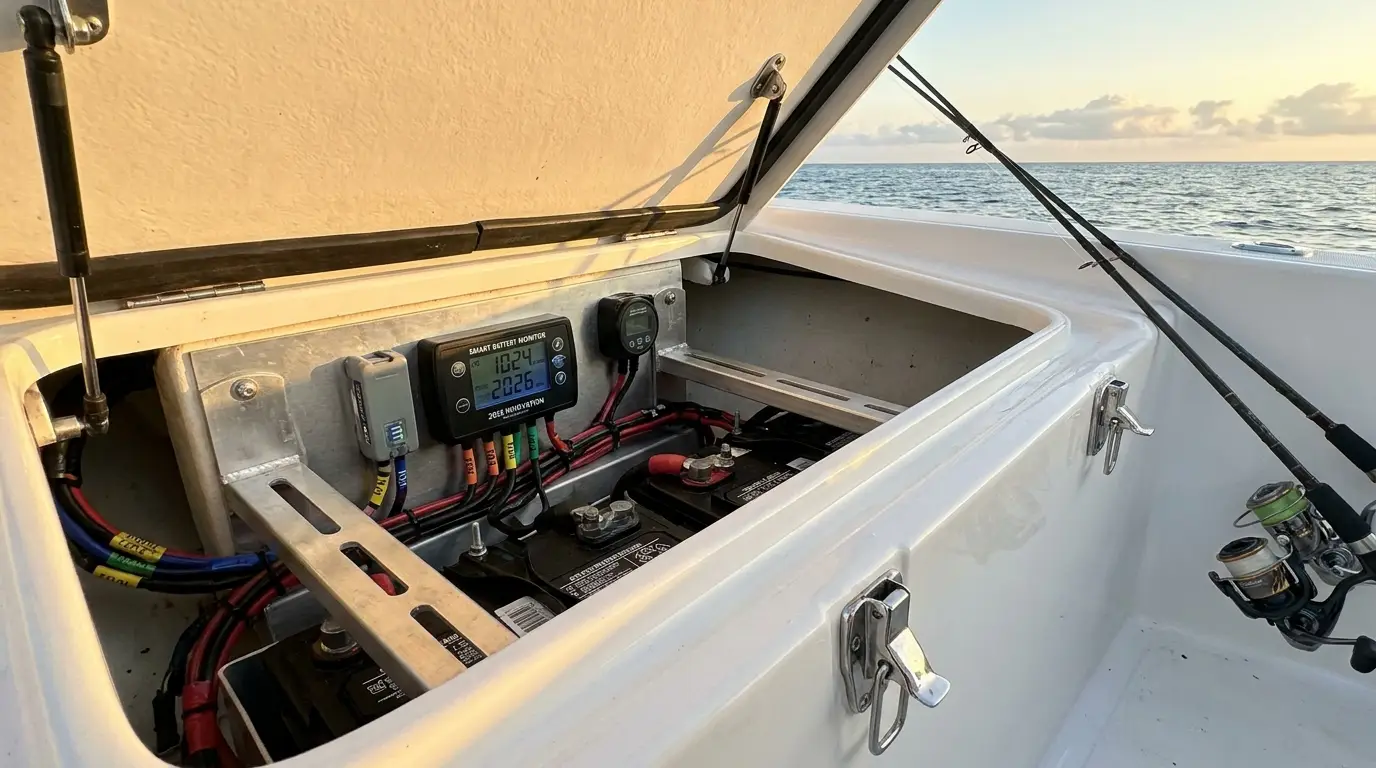
So if you’re planning an upgrade, start with one simple question: can the electrical system support it for a full day on the water?
How to Choose the Right 2026 Upgrade for Your Boat
The right marine electronics setup really depends on how the boat is used day to day. A bass boat, center console, pontoon, and small commercial skiff all need different gear, and those differences can be pretty large. That’s why it usually makes more sense to begin with the boat’s most common use, not a dream setup for something that may only happen once in a while.
When safety is the main concern, it often makes sense to spend first on a good chartplotter, radar, AIS, and dependable boat lighting. If fishing is the main focus, fish finders, transducer placement, trolling motor integration, and battery capacity need more attention. And when easier maintenance is the goal, one useful option is choosing equipment that runs on a shared network and puts engine and system data in one place, so there’s less switching between screens.
For budgeting, the basics should usually come before the extras. Clean wiring, waterproof connectors, proper fuses, healthy marine batteries, and secure mounting often matter more than flashy features. Even advanced electronics can work badly when the installation is rushed or the foundation is weak, and that usually creates more problems than people expect.
For most owners, the better 2026 move is pretty simple: buy better gear instead of more gear, make sure it all works together, and start with a solid electrical foundation. In many cases, that saves money, cuts headaches, and makes the boat easier to use.
Frequently Asked Questions
What are the biggest marine electronics trends for 2026?
The biggest trends are AI-assisted navigation, better radar overlays, live sonar upgrades, smarter multifunction displays, and improved power management. Many systems now combine charting, sonar, AIS, and engine data into one connected hub.
Are marine electronics worth upgrading on an older boat?
Yes, if the boat is structurally sound and the wiring is in good shape. A modern chartplotter, fish finder, or radar unit can improve safety, ease of use, and resale appeal without requiring a full rebuild.
Do I need radar on a recreational boat?
Not every boater needs it, but many can benefit from it. Radar is especially useful for fog, low light, busy channels, night travel, and spotting traffic or weather when visibility is poor.
How do I know if my batteries can support new electronics?
Check your battery type, age, reserve capacity, and charging setup before adding more equipment. If you are comparing marine batteries, chargers, or related boat system parts, First Choice Marine is a relevant place to review options that fit routine maintenance and onboard upgrades.
What is the advantage of an MFD over separate units?
A multifunction display reduces clutter and lets you view more information in one place. It can also make troubleshooting easier because sonar, radar, GPS, AIS, and engine data can work through a shared interface.
Where should DIY boat owners start with marine electronics upgrades?
Start with the electrical foundation first. Good wiring, fuses, terminals, connectors, and battery care are essential before adding expensive screens or sensors, and First Choice Marine makes sense as a practical resource for many of those core maintenance and rigging items.
The Bottom Line for 2026 Boaters
Marine electronics are getting smarter, more connected, and more useful for everyday boaters. The biggest improvements usually are not just about flashy new screens, even if those get most of the attention. They help boaters make better decisions at the helm, give a clearer view of what is below the boat and around it, and make it easier to manage power use and overall system condition.
For 2026, the most important changes are pretty easy to spot. MFDs are becoming the boat’s main control hub, often bringing navigation, sonar, and system data together in one place. That is a big change. Radar is also becoming a more common choice, live sonar keeps getting better for anglers, and AI features now help with route awareness and hazard detection, such as spotting possible obstacles earlier, which can be genuinely useful in everyday boating. At the same time, electrical planning matters just as much as the electronics being installed.
If a boater is ready to upgrade, one useful approach is to do it step by step. Start by matching the gear to the boating style, then build around clean power and solid wiring. It also helps to choose systems that can grow with the boat over time, so replacing everything later is less likely. When done well, marine electronics can make time on the water safer, easier, and more enjoyable.
