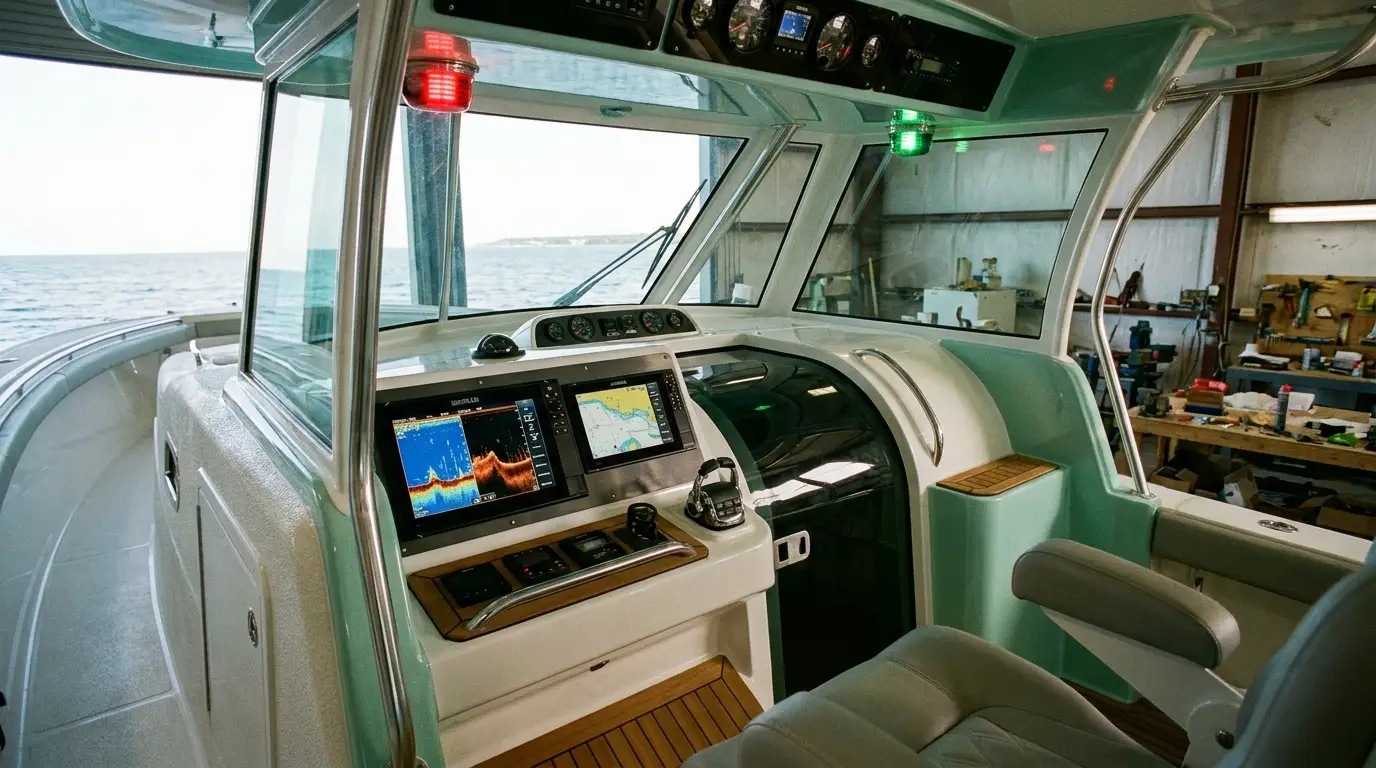
Shopping for fish finders right now, the big story for 2026 is pretty simple: buyers want clearer sonar, faster screens, and easier system integration without spending money on features they’ll never really use. Recent buyer guides and market reports keep pointing the same way. Newer units put more attention on CHIRP sonar, live sonar, side and down imaging, GPS mapping, and cleaner display performance. That matters whether you fish from a small jon boat, a kayak, a bay boat, or a larger offshore rig.
The fish finder market is growing too, which helps explain why so many new models and updates keep showing up. Market reports cited in recent industry coverage project steady growth through the next decade. Recreational fishing, marine tourism, and demand for portable and multi-function marine electronics are driving that growth. For anglers, that’s good news and bad news. There are more choices than ever, but shoppers can also end up with the wrong unit a lot more easily. This guide breaks down the best fish finders 2026 shoppers should look at, based on the clearest trends and model positioning found in current research.
What Is Driving Fish Finder Choices in 2026
Better fish detection is only part of the change. It mostly comes down to making better decisions on the water, and recent 2026 roundup coverage shows buyers now choosing based on clearer imaging, faster processors, and closer links between sonar, mapping, and other onboard systems. It’s no longer just one screen. Modern marine electronics are starting to feel more like a connected setup than a single stand-alone display.
| Market Signal | Recent Data | Why It Matters |
|---|---|---|
| Fish finder market growth | USD 2.394 billion in 2025 to USD 3.896 billion by 2035 | More brands and product innovation |
| Alternate market forecast | $1,169.14 million by 2032 | Shows continued demand across boating segments |
| Technology focus | CHIRP, live sonar, GPS, larger displays | These are the features shaping 2026 buying decisions |
The products getting the most attention show that shift clearly. Garmin keeps coming up with LiveScope and the Striker line, while Lowrance stays closely tied to bass fishing and fine detail. Simrad is linked with offshore boats and bigger system layouts, while Humminbird stands out for structure detail and imaging. Raymarine still matters in offshore conversations because networking reliability can make or break whether a multi-display setup runs smoothly.
For everyday anglers, the main takeaway is simple: start with your fishing style, not the fanciest screen. That matters most. If you want help with boat-specific fit, the guide on small-boat fish finder choices is a good next read.
Best Overall Picks by Fishing Style
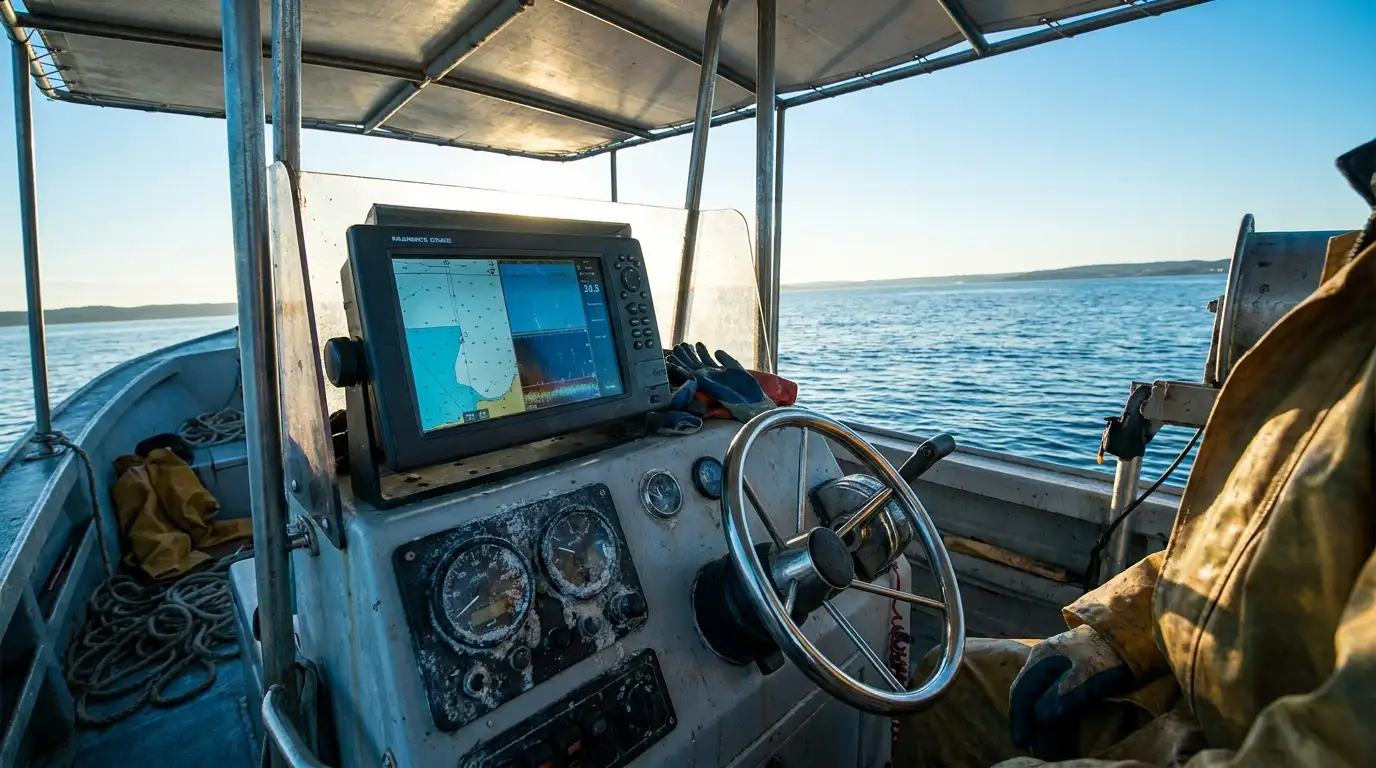
A good fish finder should fit how and where you fish. Current 2026 research points to a few model families that stand out clearly, based on the strongest signs.
Best overall for most anglers: Garmin Striker line and LiveScope ecosystem
In current 2026 coverage, Garmin has the broadest all-around presence and comes up a lot. The Striker Vivid series keeps getting recommended for recreational anglers because it combines clear sonar views, simple controls, and pricing that feels practical instead of off-putting.
For anglers who want more upgrade options, Garmin’s live sonar ecosystem looks even more appealing. Buyers who want one brand that works for beginners and serious anglers alike will likely keep Garmin near the top of the list.
Best for bass fishing: Lowrance HDS Series
Recent buyer guides keep linking Lowrance with bass fishing, and that makes sense. Bass anglers want sharp detail, clear structure, contour awareness, and quick screen response when they’re working points, weed lines, timber, and docks. The HDS family fits that very well.
Best for offshore boats: Simrad NSS Series
On bigger boats in deeper water, Simrad keeps coming up as a top offshore pick. Offshore fishing puts more demand on screen size, chart integration, and networking, especially on longer runs with more crowded electronics setups. The NSS line suits anglers who want one system to handle all of it. Simple.
Best budget and portable picks: Garmin Striker 4 and Striker Vivid 4cv
Portable and kayak-friendly units still make a lot of sense in 2026. They’re affordable, easy to mount, and much less intimidating for new buyers, so they’re still a smart choice for solid entry-level performance without a big jump in price. The Garmin Striker 4 and Striker Vivid 4cv still stand out for that. Simple.
Best Mid-Range and Premium Models Worth a Closer Look
Not every buyer wants the cheapest unit, and not every boat needs a full offshore network setup. A lot of anglers land in that mid-range or premium-mid spot, where sonar quality starts to get better without going overboard.
Recent pricing from kayak-focused 2026 roundup content gives a helpful snapshot of where several popular models stand right now.
| Model | Positioning | Price Point Found |
|---|---|---|
| Garmin Striker 4 | Entry-level portable favorite | $132.39 |
| Garmin Striker Vivid 4cv | Budget color sonar option | $179.99 |
| Lowrance HOOK Reveal 5 SplitShot | Strong mid-range value | $259.95 |
| Humminbird Helix 5 CHIRP GPS G3 | Mid-range with GPS and CHIRP | $309.00 |
| Lowrance Elite FS 7 | Premium imaging option | $699.00 |
| Lowrance Eagle 9 | Larger display step-up | $749.99 |
For plenty of freshwater anglers, the Lowrance HOOK Reveal 5 SplitShot and Humminbird Helix 5 CHIRP GPS G3 hit a solid middle ground. They balance price, screen usability and fish-finding power in a way that works well for a lot of weekend fishing, especially around ledges, brush piles and transition areas. Anglers in this group get the most from units in this range when they want a bit more confidence on the water but do not need top-tier live sonar.
Move up a bit, and the Humminbird Helix 7 Chirp SI GPS G4 and Lowrance Elite FS 7 may be a better fit. The bigger display and better imaging help. These models make sense for people who spend enough time fishing to get real value from side imaging, stronger target separation and more detailed chart views. If adding transducers or dialing in performance is part of the plan, it is worth avoiding rushed installs. The article on fish finder installation mistakes that kill performance can save a lot of hassle.
Offshore, Kayak, and Small-Boat Buyers Need Different Features
A big shopping mistake is assuming the best fish finder works the same way on every boat. It doesn’t. Boat size, power system, mounting space, and fishing depth all change what matters most.
For offshore boats, current 2026 source material puts high-power CHIRP sonar, wide-angle coverage, and target separation near the top of the list. One offshore-focused guide calls readings beyond 1,000 feet an important benchmark for serious deep-water use. That’s very different gear, nothing like a kayak on a farm pond or an aluminum skiff running a river.
With kayaks and smaller boats, compact size matters more. Easy mounting matters too, along with low power draw and a screen you can actually read in bright light. Bigger displays may look great in a showroom, but on a tight deck they can start to feel clumsy. In many situations, a 4- to 7-inch display fits a small boat better because it keeps the setup cleaner and more simple.
Another common mistake is spending too much on advanced sonar before getting the basics right. A well-mounted mid-range unit can beat a premium model if the transducer is in the wrong place. Some buyers also overlook compatibility with the power supply, trolling motor setup, and available console space. Anyone planning a full electronics layout should also check how fish finders work with trolling motors, batteries, and chargers, especially on bass boats and multi-day fishing rigs.
The Biggest Technology Trends Shaping Marine Electronics
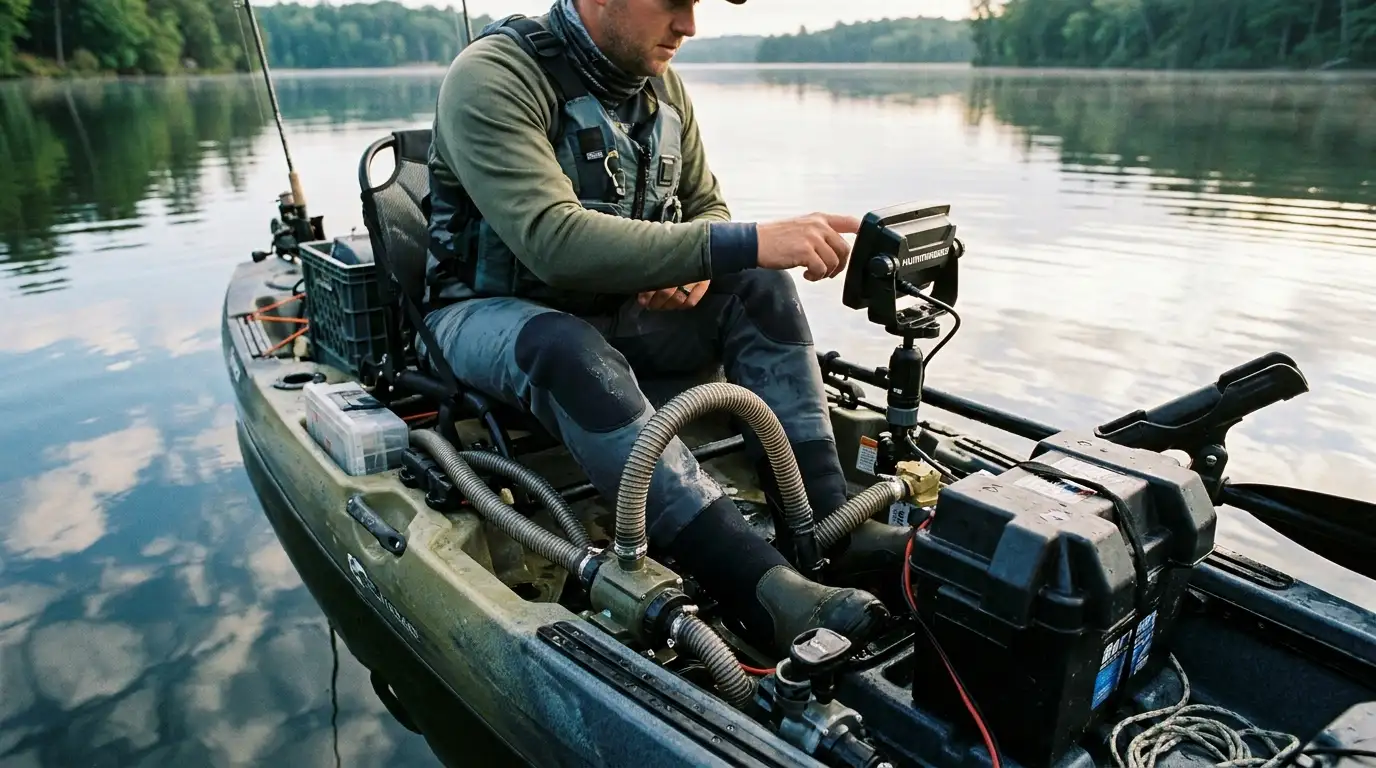
By 2026, the conversation isn’t just about fish finders anymore. It’s about smarter marine electronics as a whole. Anglers expect GPS mapping built in, or at least simple to add. They want displays that stay clear in bright sunlight, menus that feel easier to use, and redraw speeds that keep up. On bigger boats, there’s even more to think about. People want equipment that connects easily and works well together.
A lot of newer buying advice now leans heavily on integration. A fish finder isn’t really a stand-alone unit anymore. It can connect with trolling motors, chart systems, and other electronics at the helm. The recent First Choice Marine guide on 2026 fish finder trends points to sharper screens, stronger system links, and late-2025 technology rollouts as the things shaping what shoppers are paying attention to now.
Live sonar keeps getting attention too. It’s not a must-have for every angler, but it still stands out as one of the clearest technology gaps in the market. Garmin stays especially visible here through LiveScope. For anglers targeting suspended fish or anyone wanting more real-time awareness, sonar like this can change the way they fish.
How to Choose the Right Unit Without Regret
The best way to buy is boring, but it works. Start with five questions: what water you fish, how deep you fish, how much space you have, how much power your boat can support, and how regularly you’ll really use advanced features. Those answers narrow things down fast.
On freshwater lakes and a modest budget, the Garmin Striker 4, Garmin Striker Vivid 4cv, Lowrance HOOK Reveal 5 SplitShot, and Humminbird Helix 5 CHIRP GPS G3 make the most sense in most cases. For offshore fishing or a bigger system, Simrad NSS and higher-end Lowrance or Humminbird models are worth a closer look. If the layout is still being planned, this guide to fish finder transducer placement by hull type is worth reading before buying.
Don’t just think about the screen. Mounting hardware, wiring quality, battery health, waterproof connectors, and software updates all shape real-world performance, and those details can matter more than people expect once the unit is on the boat. In that case, a boating parts and maintenance resource can be just as helpful as a product list, and sometimes even more so.
Frequently Asked Questions
What is the best fish finder for beginners in 2026?
For most beginners, the best choice is a simple unit with clear sonar, easy menus, and a manageable price. Models like the Garmin Striker 4 and Garmin Striker Vivid 4cv stand out because they are compact, practical, and easier to learn than larger premium systems.
Are expensive fish finders worth it?
They can be, but only if you will use the extra features. Advanced imaging, larger displays, and live sonar are helpful for serious anglers, but many casual users do just fine with a mid-range unit that has CHIRP sonar and basic GPS support.
Which fish finder is best for kayaks and small boats?
Compact models usually work best because they are easier to mount and use less power. A small-screen Garmin or a mid-size Lowrance or Humminbird can be a smart fit if your kayak or boat has limited deck space and battery capacity.
What features matter most in offshore fish finders?
Offshore anglers should focus on high-power CHIRP sonar, target separation, larger screens, and strong networking options. Deep-water capability matters too, especially if you fish wrecks, reefs, or bottom structure far from shore.
Where can I learn more about choosing and setting up fish finders?
A good place to start is with practical setup and buying guides that match your boat type. Resources from First Choice Marine can help you compare fish finders, installation basics, and related marine electronics without jumping straight into high-end gear.
Can one store help with both fish finders and related boat rigging parts?
Yes, and that matters more than many buyers think. If you are comparing electronics along with trolling motor parts, wiring supplies, batteries, or maintenance items, a marine-focused retailer like First Choice Marine can make planning a full setup easier and more consistent.
The Smart Way to Buy for 2026
The best fish finders of 2026 fit different kinds of anglers. Garmin stands out as a solid all-around choice, with the Striker family working well for beginners, while LiveScope still appeals to more advanced users. It’s a wide lineup.
Lowrance still makes sense for bass anglers who want detail and precision. For offshore use, Simrad keeps its edge for bigger setups. Humminbird remains a strong option for anglers focused on imaging and structure detail.
The smart move is to match features to the way you actually fish, not chase marketing hype. Think about your boat, the water you fish, your wiring, and your budget. Then pick the unit you’ll really understand and use. That makes it far more likely your marine electronics will help you catch more fish instead of becoming one more screen pulling your attention.