


Fiberglass boats are tough, but they’re usually not indestructible (sadly, nothing is). Over time, sun exposure and constant wave action start to wear them down. Add docks, the occasional bump during loading, and normal day‑to‑day use, and it all adds up. Often, it’s the small issues that go unnoticed at first. A light scratch can slowly turn into a bigger problem if it’s ignored, which is why knowing the basics of fiberglass repair matters for most boat owners. Whether someone is on the water every weekend or only a few times a season, this usually applies anyway (even if they’d rather not think about it).
Owners of fishing boats or cruisers have likely seen gelcoat cracks, faded areas, or deeper damage around high‑stress spots like corners and rails, which tend to wear out first. These problems usually show up slowly and don’t always look serious at the start. In my view, the hard part is figuring out what kind of fix is actually needed. Is it just surface damage, or is the structure underneath starting to weaken too?
This guide walks through modern fiberglass repair in plain language, with no fluff (I think that helps). It explains the difference between gelcoat repair and fiberglass repair, when DIY fiberglass repair often makes sense, and when professional fiberglass repair services are usually the safer option. Along the way, it covers newer materials, shares real‑world examples, and talks about practical maintenance habits that help protect a boat over time, which often saves money later on.
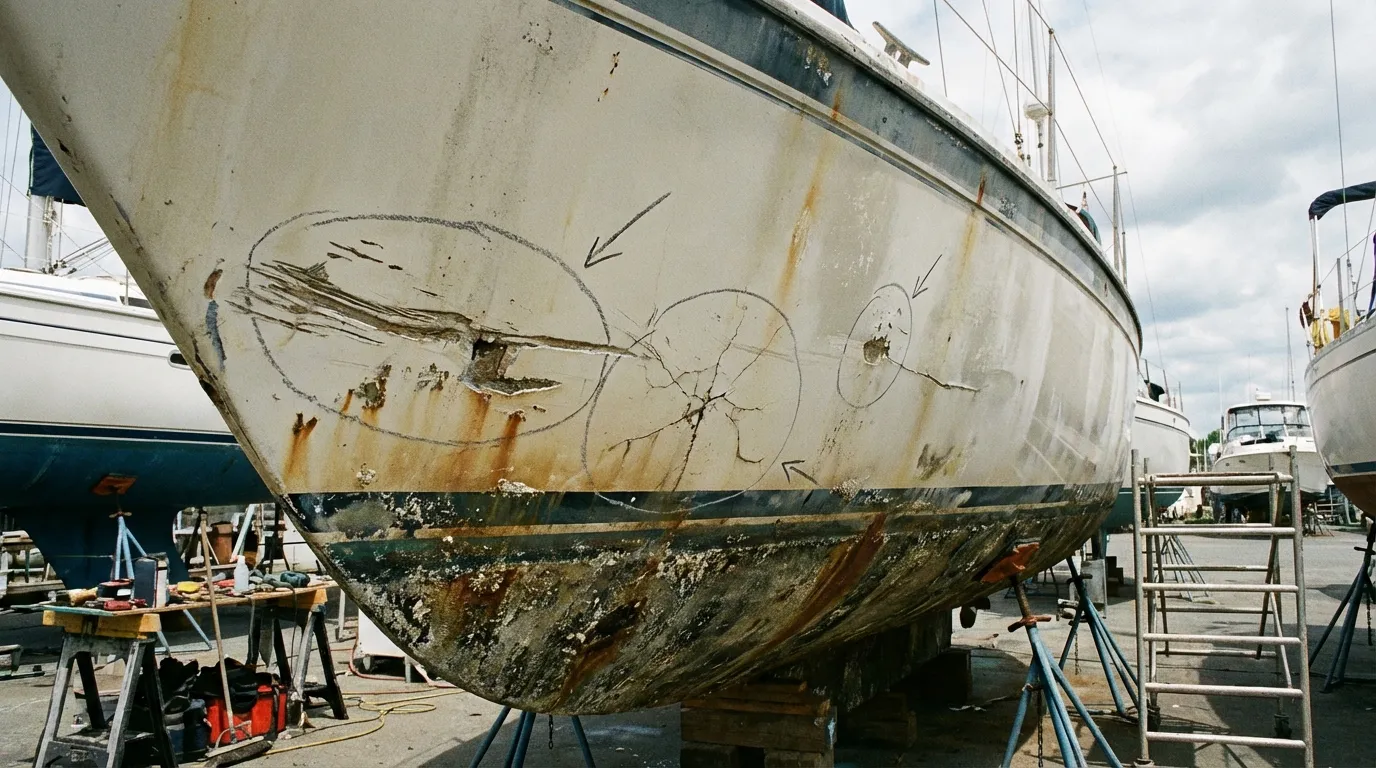
Understanding the Real Scope of Fiberglass Repair
Fiberglass repair usually isn’t one quick, easy job. It can range from small surface touch-ups to major structural work that needs planning, skill, and yes, patience. When that difference is clear, it’s easier to avoid overpaying or ending up with repairs that only fix part of the issue. That kind of mistake happens more often than many owners think.
The marine maintenance market helps explain why this comes up so often. Boats in many marinas are getting older, and repair work is increasing as owners try to keep what they have running longer instead of replacing it.
| Metric | Value | Year |
|---|---|---|
| Global boat maintenance market | USD 15.5 billion | 2023 |
| Projected market size | USD 23.9 billion | 2030 |
| Market growth rate | 7.4% CAGR | 2024, 2030 |
As boats stay in service longer, fiberglass repair becomes a normal part of ownership. Most damage falls into two main groups. Cosmetic problems affect how the boat looks and how the surface holds up over time. Structural problems affect strength and safety, and they usually get worse when ignored.
Cosmetic damage often shows up as scratches, chips, or faded gelcoat. Structural damage is more serious, like cracks that flex, soft spots, or exposed core material. That second group usually needs more care, because shortcuts don’t last.
But there is no standardized repair for wide, flat plates that are primary structure for these maritime applications.
Before any repair begins, each boat and each damaged area needs its own evaluation. It’s a simple step, but one that’s worth asking for every time.
For a deeper dive into process specifics, you can also read Fiberglass Boat Hull Repair: Step-by-Step Restoration for Structural Integrity, which breaks down structural approaches in detail.
Gelcoat Repair vs Fiberglass Repair: What Is the Difference?
One of the questions boat owners ask all the time is about gelcoat repair versus fiberglass repair. The names sound very similar, so it’s easy to confuse them, and that mix-up happens a lot. While they’re closely connected, each one fixes a different kind of problem on a boat.
Gelcoat is the thin outer layer of the hull, usually less than one millimeter thick. That’s not very much. It acts as a protective skin over the fiberglass, helping keep out water and limit UV damage. It’s also what gives the boat its color and that smooth, glossy finish you notice at the dock when the sun hits it.
Gelcoat repair focuses on surface damage. This usually means dock rash, small chips, fine cracks, or light oxidation. These issues are mostly cosmetic, not structural. In many cases, owners can handle these repairs themselves. Modern gelcoat kits are often pre-thickened and color-matched, which makes them easier to use, quicker to cure, and better at blending than older products, at least in my experience.
Fiberglass repair goes deeper than the surface. It involves rebuilding fiberglass cloth and resin to restore strength. This type of repair is needed when damage reaches the laminate or core, not just the outer finish.
| Repair Type | Purpose | DIY Friendly |
|---|---|---|
| Gelcoat repair | Cosmetic and surface protection | Yes |
| Fiberglass repair | Restore strength and structure | Sometimes |
| Structural reinforcement | Load-bearing safety repair | No |
If the area flexes when you press on it or cracks spread outward, gelcoat by itself usually won’t fix the issue.
When DIY Fiberglass Repair Makes Sense
DIY fiberglass repair can save money and cut down on downtime when it’s used in the right situations, which often matters more than people think. Many boat owners handle small fixes each season and finish them without much stress, mainly because the jobs are pretty straightforward. No big mess, and the boat gets back on the water faster.
The key thing to understand is that the safest DIY work is usually about appearance, not strength. Shallow gouges or small laminate chips above the waterline, along with cosmetic marine fiberglass restoration like scratches, scuffs, or faded spots, are common examples. These repairs avoid core materials and stay away from high‑load areas like mounting points, which helps keep the risk reasonable.
Nigel Calder from Practical Sailor, a source many people trust for hands‑on advice, says cosmetic gelcoat repairs are generally safe for DIYers. That’s good news if you don’t mind sanding. Damage near transoms, stringers, or keels is different and is better left to professionals who handle structural repairs all the time. No shortcuts here, in my opinion.
Most DIY repairs follow a few basic steps. Cleaning and fully drying the area comes first, even though people skip it more than they should. After sanding or grinding loose material, fiberglass cloth and resin may be added if needed. Fairing and gelcoat come last, and patience usually matters more than fancy tools.
Problems often show up when people rush, especially on weekends. Trapped moisture or using the wrong resin can turn a small fix into a bigger problem later. So if someone already keeps up with routine care, like following a DIY Marine Corrosion Prevention Guide 2025, fiberglass repair often fits right into that same routine. Same approach. Similar tools.
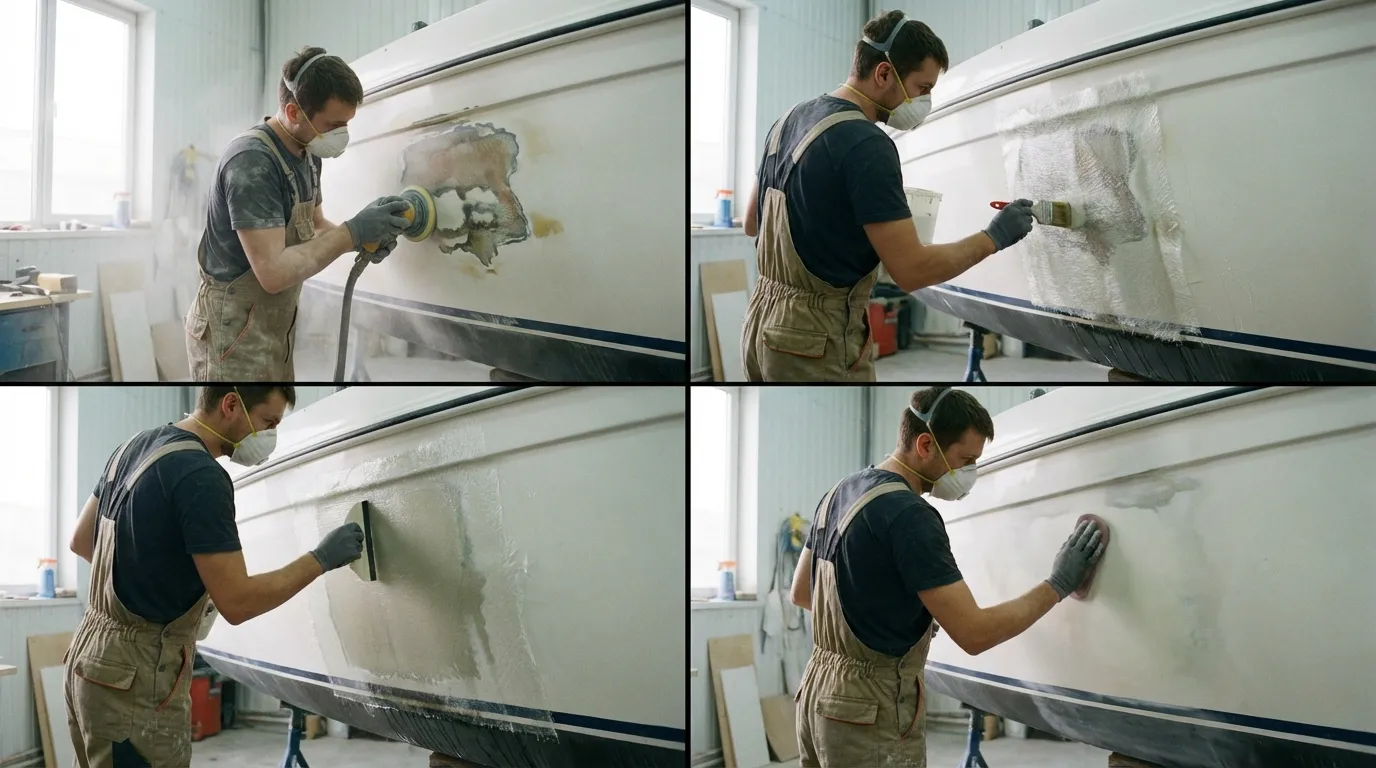
Structural Fiberglass Repair and Why It Is Different
Structural fiberglass repair puts safety first because it affects how a boat behaves when it’s actually on the water. This work changes how the hull handles waves, carries weight, and takes impacts, which is usually when problems show up. I see this as an area where cutting corners rarely works out, especially for owners who use their boats often.
High‑risk areas include transoms, stringers, bulkheads, keels, and spots near engines or trolling motors. Damage in these places matters more than it may seem at first. Stress can move through the hull and turn small problems into bigger ones faster than expected.
A major challenge for the market is the shortage of repair facilities and technicians trained to diagnose and restore composite damage.
That ongoing risk explains why professional fiberglass repair shops stay busy. In my view, there’s a good reason for that. Skilled technicians use controlled curing, planned layup schedules, and sometimes vacuum‑assisted methods so materials bond correctly where real loads hit.
Newer options like hybrid glass and carbon patches add strength without much extra weight. They work well for commercial boats that run often with little downtime.
Boat owners who already spend on performance upgrades, such as prop tuning or engine care, often link structural repair to long‑term reliability. That connection comes up a lot, and we also talked about it in Boat Propellers Care: Repair, Reconditioning & Optimization.
How to Choose Between DIY and Professional Services
The main difference between DIY and professional work usually comes down to safety. Structural damage affects how strong a boat actually is, and when something goes wrong, people can get hurt. Cosmetic marine fiberglass restoration, by comparison, often works better for owners who like hands-on projects and already have some real experience working on their boat.
You’ll quickly see that risk and skill level matter more than excitement alone, most of the time. That’s why it helps to ask a few straightforward questions. Does the damage change the boat’s strength at all? Could a failure cause trouble while you’re underway or even sitting at the dock? If the answer is yes, or if you’re just unsure, it makes sense to call a professional. Simple as that, and there’s nothing wrong with doing so.
Another thing to think about is documentation. Professional repair shops keep records of the work they do. Those records often help with insurance claims and resale later on, since buyers usually want to know the repair history, especially on older boats.
Many owners take a mixed approach. They do gelcoat repairs themselves, then turn to professionals for inspections or added support where experience and the right tools really matter. It’s a balanced option, in my view, and it becomes even more useful when a boat has upgraded systems. A solid hull protects everything onboard, including the electronics discussed in Integrating Advanced Marine Electronics on Your Boat.
Common Questions (FAQs)
Gelcoat repair usually fixes surface damage and looks, mostly cosmetic. Fiberglass repair works under the surface to bring back strength, so if the laminate is damaged, gelcoat by itself often doesn’t fix it.
Can I do boat fiberglass repair myself?
Yes, small cosmetic fixes or light laminate work above the waterline are usually doable. It can feel like a win. But for structural or load‑bearing areas, you’ll usually call pros.
Clear signs include flexing, soft spots, cracks, or exposed core material (they usually show it). Damage near transoms or engines is often structural and serious red flags.
Yes, especially in safety‑critical areas (like structural spots). A professional repair often brings strength back, meets standards, and helps protect your car’s resale value.
How long do fiberglass repairs last?
Done right, fiberglass repairs can last decades. I think good materials and careful prep keep moisture out, so you’re likely fine most of the time.
Making Smart Repair Decisions for the Long Run
Modern fiberglass repair gives boat owners more choices, which is a relief. Better materials, clearer repair limits, and improved techniques work together to protect the boat and cut down on guesswork. That usually saves nerves and adds confidence.
Learning to spot cosmetic damage versus structural damage is often easier than expected. Small gelcoat fixes are usually cheaper and simpler when handled early, so those quick wins matter. If a problem seems deeper, that’s when a professional inspection helps, since waiting rarely improves the outcome.
Fiberglass repair works best as part of a maintenance plan. A strong hull supports engines, steering, electronics (often the first to show trouble), and safety gear. When those parts are solid, boats tend to run better and last longer, which feels worth it.
Planning upgrades or seasonal maintenance is a good time to inspect the fiberglass and see what it needs, no pressure, just a practical check.
For related safety updates, check out 2025 Marine Lighting Trends: How LED Technology is Transforming Boating Safety, which highlights visibility improvements relevant to ongoing boat care.
