


Modern boats are smarter than ever. Today’s engines come packed with sensors connected to onboard computers that keep an eye on how everything is running and set off alarms when something slips out of range. For many boat owners, these systems can feel confusing, and honestly, a bit overwhelming. Sometimes even intimidating. A buzzer goes off or a warning light starts flashing, a code pops up on a screen, and suddenly you’re stuck making a quick call. Do you shut everything down right away, or idle back to the dock and hope it’s nothing serious? Most boaters have been in that spot at least once.
That’s where engine diagnostics help. When you understand how engine diagnostics work, you usually feel more in control, especially during everyday use. Guessing fades away, and problems are less likely to surprise you. Instead of guessing, you learn how to read boat engine fault codes and keep an eye on marine engine sensors, so alarms start to make sense early, before they turn into expensive repairs. From my experience, knowing what those warnings point to often changes how you react in the moment, even when stress is running high.
This guide is made for real boaters. Weekend anglers. Charter captains. DIY maintenance fans who like to fix things themselves, or at least know what’s going on. It’s for anyone who wants clear answers without getting buried in tech talk. You’ll learn how diagnostics actually work, what fault codes are saying, how to read sensor data, and how to respond to alarms in practical ways. Along the way, it also connects diagnostics to overall marine electrical health and the everyday electronics boats depend on, from gauges to control modules.
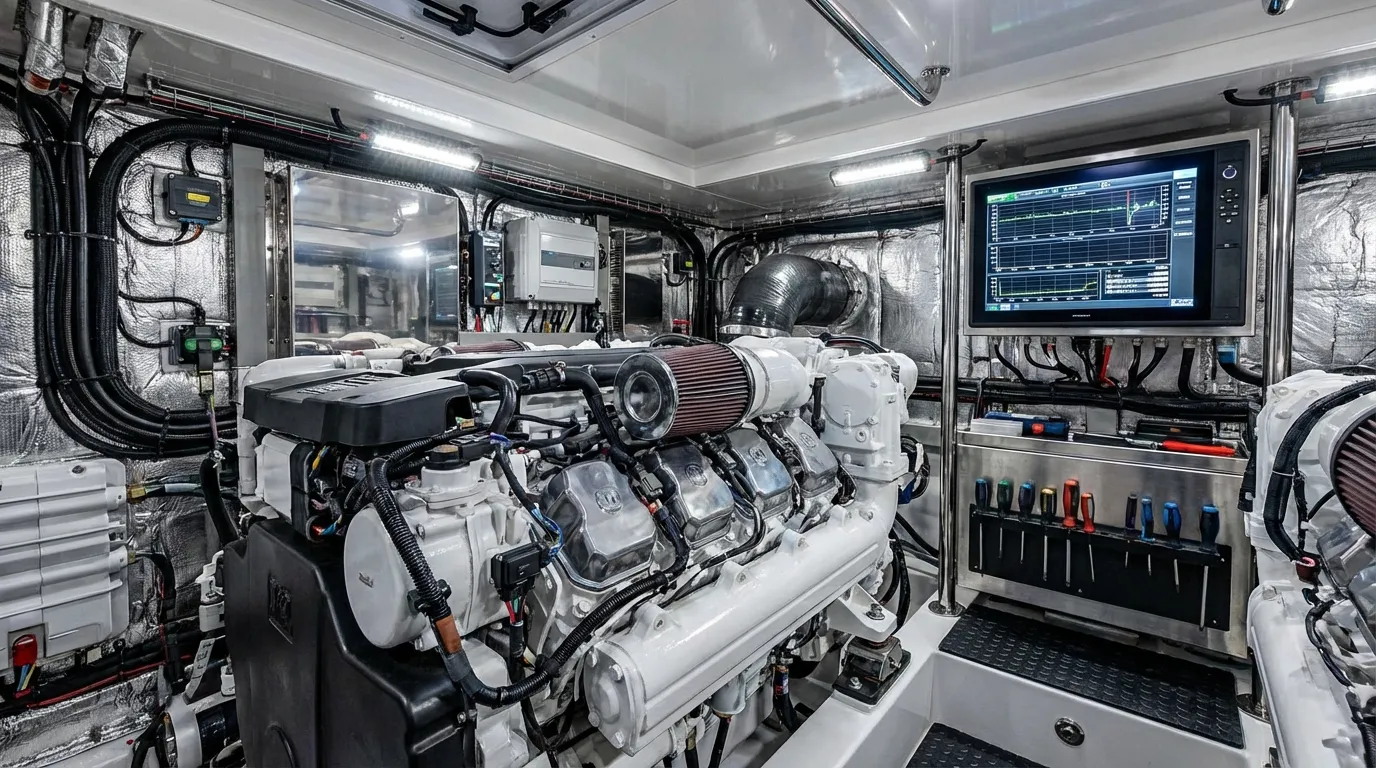
What Engine Diagnostics Really Do on a Boat
Engine diagnostics work like an early warning system for your boat, but in a very hands‑on, practical way. Most boaters aren’t staring at gauges all the time, yet the system is quietly keeping an eye on what matters as you run. Sensors track temperature, pressure, speed, and flow while the engine is working. Those readings are checked against safe limits, and if something starts to slip out of range, the system responds right away. You rarely notice it, but it’s always running in the background, keeping watch every minute.
Many boaters think diagnostics only matter when an alarm sounds. That idea misses a lot of the value. The real benefit often comes much earlier. Small changes in sensor readings can point to a problem days, or even weeks, before you feel it at the throttle. Spotting issues early can mean avoiding a breakdown far offshore instead of dealing with it at the dock. That means less stress and clearer information.
The marine engine monitoring market reached USD 851.39 million in 2025 and is expected to keep growing. That growth shows how much these systems are now part of everyday boating.
| Metric | Value | Year |
|---|---|---|
| Marine engine monitoring market size | USD 851.39 million | 2025 |
| Projected market size | USD 1.11 billion | 2029 |
| Operators using smart diagnostics | 47% | 2025 |
Diagnostics aren’t just for big boats. Many outboards and inboards now record fault history, trend data, and alarm logs. Even small fishing boats can get real daily value from this, especially on longer runs where one small problem can end a trip early.
Understanding Boat Engine Fault Codes Without Panic
Boat engine fault codes are basically notes saved by the engine control unit. They point to areas that may need attention, not alarms, and that difference matters. Most of the time, these codes don’t mean a breakdown is about to happen. Often, the engine just noticed something slightly off during a certain moment or operating condition. After that, it kept running. No drama.
What makes these codes useful is context. One code on its own rarely explains everything. When it showed up matters, and so does what the engine was doing at the time, idling at the dock, cruising along, or starting cold. Many engines let you read codes through a gauge or a small handheld scanner, so checking them is usually quick and straightforward.
Common fault code categories include fuel delivery, cooling system issues (often tied to water flow), oil pressure, sensor signal loss, and electrical voltage problems. Cooling faults, for example, often point to low water flow or a thermostat that isn’t working right, which is fairly common. Sometimes it’s just a temperature sensor giving a bad reading. Fuel-related codes can come from dirty injectors or a bit of air in the line, small problems that are often easy to fix.
Here is a simple breakdown of typical fault types and what they suggest. No drama.
| Fault Area | Common Cause | Immediate Risk |
|---|---|---|
| Cooling system | Low water flow or sensor error | High |
| Fuel system | Injector imbalance or restriction | Medium |
| Oil pressure | Low oil or sensor fault | High |
| Electrical | Low voltage or loose ground | Medium |
When codes point to voltage or communication problems, the electrical system is usually involved. Batteries and wiring are worth a close look, since loose or weak connections cause more confusion than you’d expect. This explains why battery condition matters in real situations, like setting off false alarms during startup.
For deeper insight into related systems, see Marine Electrical System Maintenance: 2025 Boater Guide.
Reading Marine Engine Sensors Like a Pro
Marine engine sensors work like the engine’s eyes, mixed with the small clues you catch by listening closely, such as a slight change in sound. Most days, they quietly do their job. When something starts to drift, though, they can send mixed signals. That’s why knowing what “normal” usually looks like matters. Small shifts often mean more than people expect, especially when the same hints show up again and again.
The most helpful readings are usually coolant temperature, oil pressure, RPM, battery voltage, and exhaust temperature when the system includes it. Instead of fixating on a single number, it helps to watch how values move together. A slow drop in oil pressure over a few weeks often says more than a quick dip at idle. Trends tend to tell the real story.
Many newer systems roll sensor data into an engine health score. By looking at patterns instead of single moments, this works well for everyday use. Studies show operators using sensor analytics cut operating costs by up to 15 percent, which adds up fast.
| Sensor | Normal Range | Warning Sign |
|---|---|---|
| Coolant temperature | 160, 195 F | Steady upward trend |
| Oil pressure | 30, 60 PSI | Gradual drop |
| Battery voltage | 13.5, 14.5 V | Low at cruise |
| RPM | Stable under load | Erratic swings |
Accuracy still comes down to basics like clean power and tight connections. Bad wiring or aging batteries often cause false readings, which can be frustrating. This connects directly to smart electronics integration. When upgrading displays or monitoring systems, the earlier coverage on Integrating Advanced Marine Electronics on Your Boat shows common setup issues, such as a loose ground causing jumpy voltage readings.
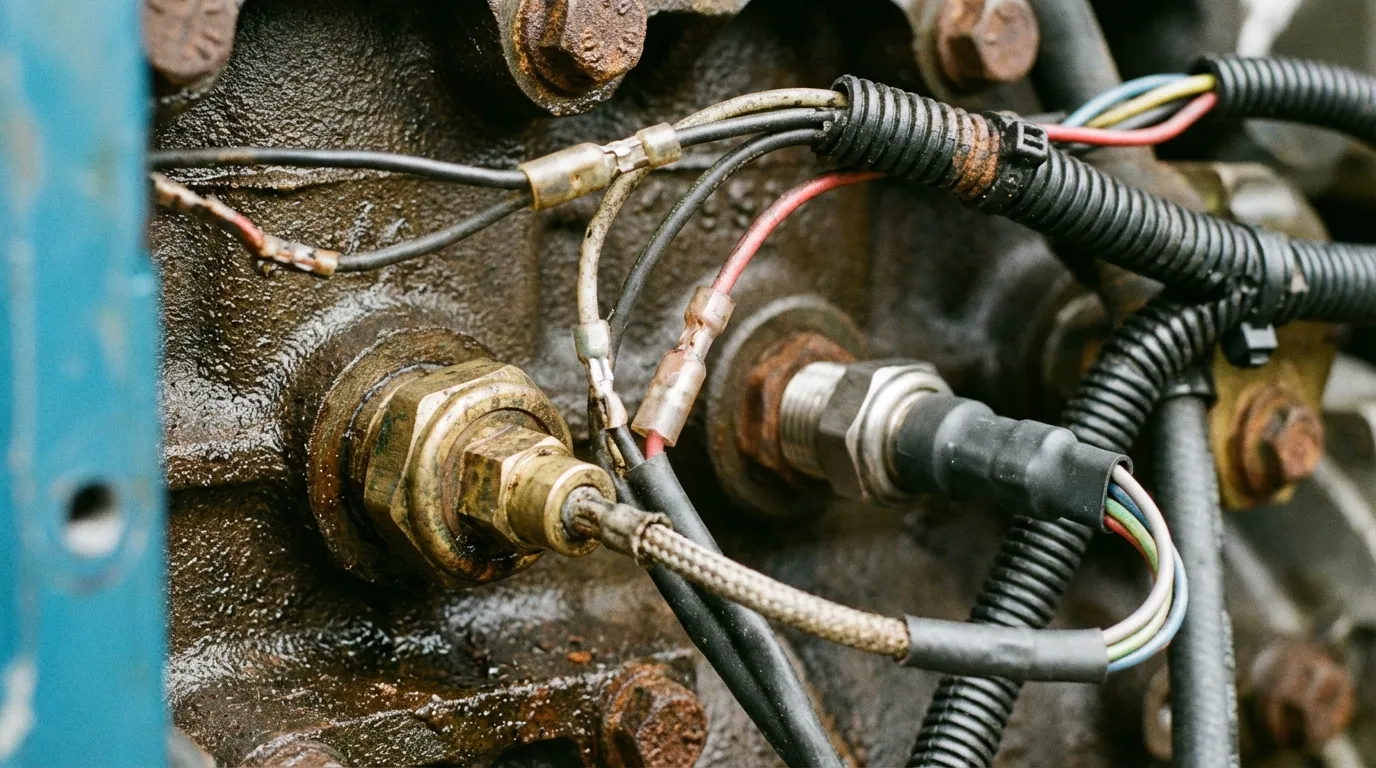
Making Sense of Warning Alarms and Alerts
Warning alarms are built to break through noise and distraction fast, and there’s usually a good reason for that. Still, not every alert means the boat has to stop right away. Modern systems use levels instead of a simple on-or-off setup. Some alarms are just advisory and point to something worth keeping an eye on. Others suggest you should act soon, while the most serious ones can shut the engine down. They’re loud by design, but what they mean depends on the level.
From my experience, trouble often starts with how people react. Brushing off early alarms because everything seems fine can let a small issue turn into a bigger one. At the same time, panicking and shutting everything down without checking the basics can cause new problems. Either way, it usually makes things harder than needed.
So what helps when an alarm goes off? Often, easing back on the throttle and checking the gauges is a good first move. Look for patterns instead of one-off numbers. Has the temperature slowly climbed all day, or has voltage been low since startup? Those details matter more than a single reading and help decide what to do next.
Many newer systems rely on trend-based alerts instead of fixed limits. They can catch cooling limits or fuel problems early, which is especially useful on long offshore runs when help is far away.
Electrical health matters a lot here. Many alarms come from voltage drops, not failed parts. Actual mechanical failures are less common in these situations. Well-tested batteries and clean connections cut down on false alarms and missed warnings. Simple habits, but they often make the difference.
Turning Engine Diagnostics Into Preventive Maintenance
Diagnostics only help if someone actually uses them. Many experienced boat owners look at diagnostic data so they can schedule service early, instead of waiting for a breakdown to force the problem, which is rarely fun. This habit is often called condition-based maintenance. It’s simple and usually effective because issues get handled before parts are completely worn out.
The real value shows up in patterns. When fault codes and alarms are recorded over time, they often start to make sense together. A basic notebook is enough; it doesn’t need to be fancy (most people keep one near the helm). Along with codes, owners often jot down engine hours and small symptoms. Over time, you might see alarms show up right before oil changes or after long periods of idling. These details are easy to miss on their own, but they often matter when you look at them as a group.
Diagnostics work best when they go hand in hand with regular care. Using the right oil and clean, treated fuel helps sensors work the way they should. Fuel stabilizers and fuel quality can affect fault codes, but that advice only helps if someone actually keeps an eye on the data. Remote diagnostics are becoming more common, especially in commercial fleets. Still, basic scanners and smart gauges can give DIY boaters more useful insight than they might expect, especially for routine checks.
Frequently Asked Questions
What causes most boat engine fault codes?
Most fault codes are tied to cooling issues, fuel trouble, or voltage problems. Many start when sensors read outside normal ranges (which happens a lot), not because parts have failed, and that difference matters.
Can I keep running my boat when a fault code is active?
Warning or critical codes usually mean you should stop right away; continuing often risks engine damage. So can it still run? That depends on the code. Some advisory codes may allow short use, but checking things soon helps prevent damage.
Are marine engine sensors expensive to replace?
Many sensors are fairly affordable, but labor and diagnosis can add up, so replacing parts before confirming the issue may waste money, and it depends on the situation.
Noticing patterns over time, not single readings (that’s key), usually matters most. It often helps more than quick reactions. Try checking it on outings when you can (I don’t).
Do older boats benefit from engine diagnostics?
Yes, they’re often helpful. On older boats, basic gauges and alarms still matter (temps, pressure), and many engines can be upgraded with added monitoring tools.
Keeping Your Engine Reliable Starts With Awareness
One of the most useful things about engine diagnostics is how often they turn worry into peace of mind. They’re not just for mechanics or fancy boats. They help anyone who relies on an engine get out and back safely, often more than people expect. When you understand fault codes and how sensors and alarms act (the small signals you usually notice later), surprises often turn into early warnings instead of sudden breakdowns. There’s no guessing involved.
Over time, learning what “normal” looks like makes small changes easier to catch. A helpful habit is watching for trends, especially small ones (those little changes add up). Patterns tend to matter. Keeping the electrical system in good shape helps, and when something shifts, it’s usually worth checking right away.
At First Choice Marine, know‑how matters just as much as parts. As familiarity grows, time on the water often feels safer and more relaxed, like spotting an alert before it turns into a problem.
For more related insights, see 2025 Marine Lighting Trends: How LED Technology is Transforming Boating Safety.
