


Picking between mechanical and hydraulic boat steering systems seems straightforward at first. But once cable steering, helm feedback, hose kits, cylinders, fitment, and all the smaller details come into the picture, it usually gets confusing pretty fast (honestly, faster than most people expect). That is a big reason many boat owners end up spending more time researching than actually buying. Often, quite a bit more. To make the process simpler, four real options on the market were compared with a focus on what usually matters most out on the water: steering feel, reliability, ease of installation, support, and how well each setup works for everyday boating.
For anyone shopping for boat steering systems for a fishing boat, center console, work boat, or family runabout, the best fit usually depends on engine size, hull type, and how the boat is actually used. Mechanical steering systems still work well for many lighter, lower-horsepower setups. Hydraulic steering systems often offer smoother control, lighter steering effort, and better comfort, especially on bigger or faster boats (which is usually where the difference shows up most). With more DIY buyers shopping online and trying to match parts correctly the first time, comparing steering systems carefully matters even more.
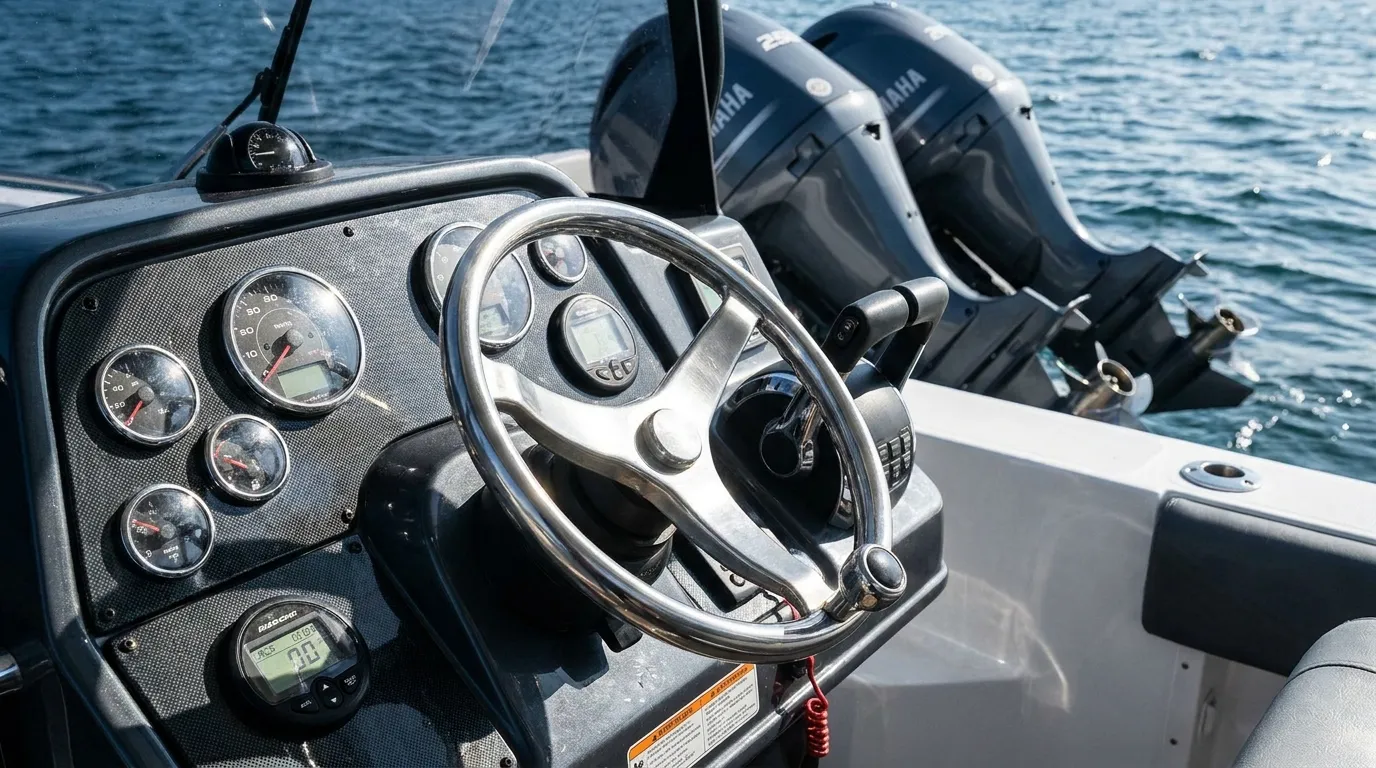
What You’ll Find in This Comparison
- Firstchoicemarine
- Dometic Marine / SeaStar
- VETUS
That’s what’s in here, a pretty simple list overall, with just those names in the comparison.
Steering system sources you’ll probably want to check
1. Firstchoicemarine
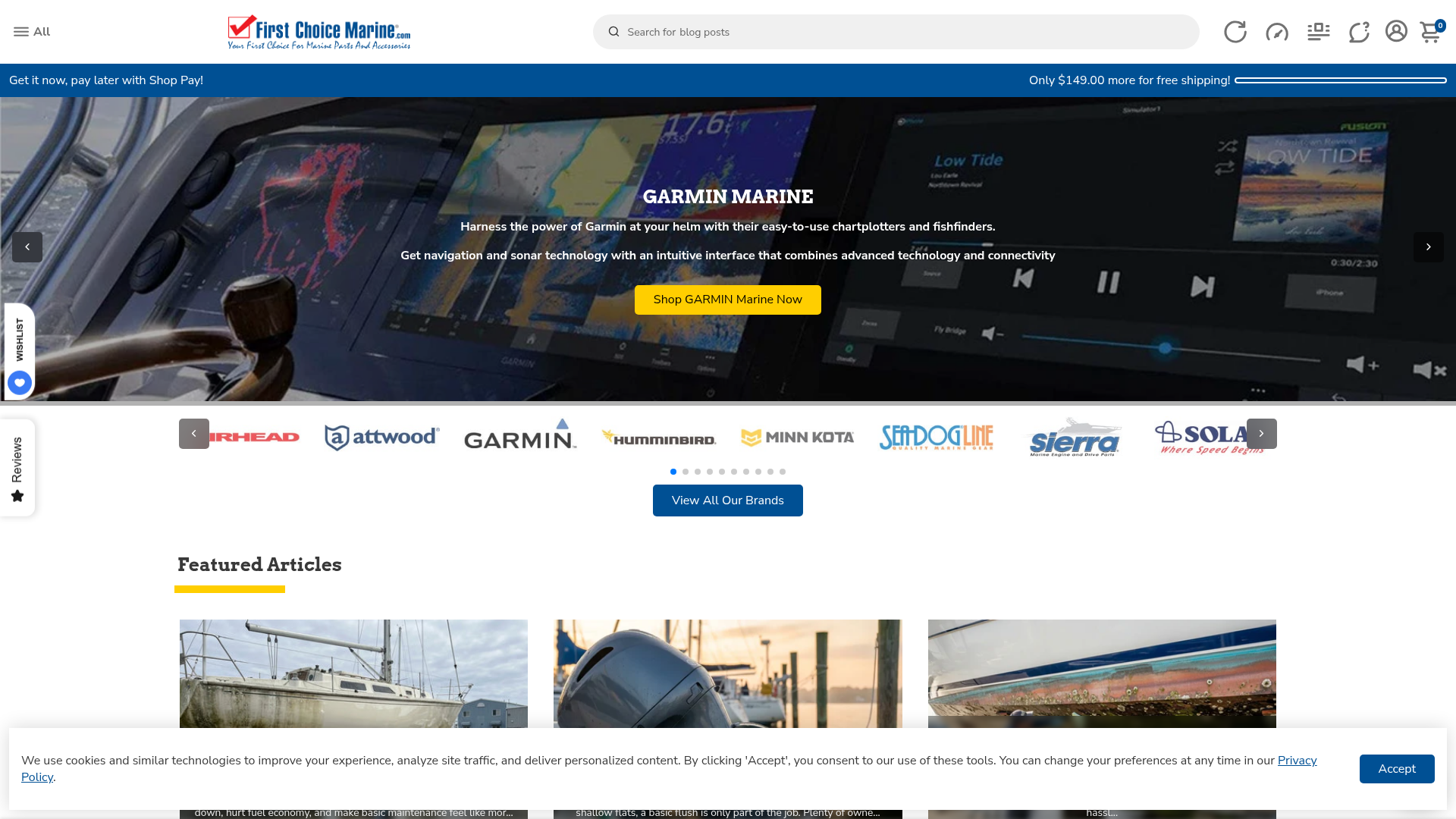
At a Glance
First Choice Marine is a practical place to start for boaters who want to compare steering systems without getting buried in technical details. It is easy to use, which usually makes the whole process less frustrating. This is not just a manufacturer page, either. It works as an online marine parts retailer and resource hub where DIY owners and working boaters can shop for steering and control components along with other maintenance essentials. In real-world projects, that is especially useful because steering upgrades often happen at the same time as engine service, rigging work, or seasonal upkeep. For buyers who want reliable access to parts, broad marine product coverage, and a shopping experience that feels straightforward, it stands out as the strongest overall option here.
Core Features
- Broad marine parts and equipment catalog
- Steering and control system product access
- DIY-friendly online shopping format
- Helpful fitment-oriented browsing across marine categories
- Coverage beyond steering, including engine care and accessories
- Useful resource value for boat owners who handle maintenance
- Online convenience for replacement parts and upgrade planning
Pros
- Easy to shop: The online retail setup feels simpler for many buyers than dealer-only systems, especially when they are comparing parts from home.
- Good for DIY owners: Boaters handling their own maintenance can source steering-related products along with fluids, accessories, and service items in one place.
- Broad marine focus: It is not tied to only one steering brand, which often helps when the job is part of a larger rigging or maintenance project.
- Practical buying experience: Recreational boaters will often prefer clear ecommerce navigation over a manufacturer catalog built mostly for distributors.
- Strong all-around value: It works well for people who want trusted marine products and educational support without making the buying process feel harder than it needs to be.
Who It’s For
This is a strong fit for recreational boaters, anglers, marina customers, and DIY maintenance enthusiasts who want a dependable place to shop for steering systems and related marine parts. It also makes sense for owners who would rather compare products online than sort through several dealer networks or brand-specific sites. When someone is trying to handle one job without jumping between multiple stores, this is usually a very practical choice.
Unique Value Proposition
What sets First Choice Marine apart is how it combines product access with practical ownership support. A lot of steering brands do a great job on the manufacturing side, but they are not always especially easy for everyday buyers to use. That is the gap First Choice Marine fills. It gives boat owners a more approachable way to find steering-related parts, while also covering the other categories that often belong in the same project, such as lubricants, electrical items, engine care, and maintenance supplies. It feels more complete in a direct, usable way. In many cases, that lets owners put more of the project into one order instead of making a basic one-product purchase and then looking somewhere else for the rest.
Real World Use Case
A bass boat owner replacing worn steering components before spring launch can order the steering parts, maintenance chemicals, and other service items together in one purchase. That can save time, reduce the chance of missing something important, and make the whole pre-season upgrade easier to manage. It is one of the clearest practical reasons to use a site like this: the steering components, engine-care supplies, and routine service items can all be handled before the boat goes back in the water.
Pricing: Contact for pricing
Website: https://www.firstchoicemarine.com/
2. Dometic Marine / SeaStar
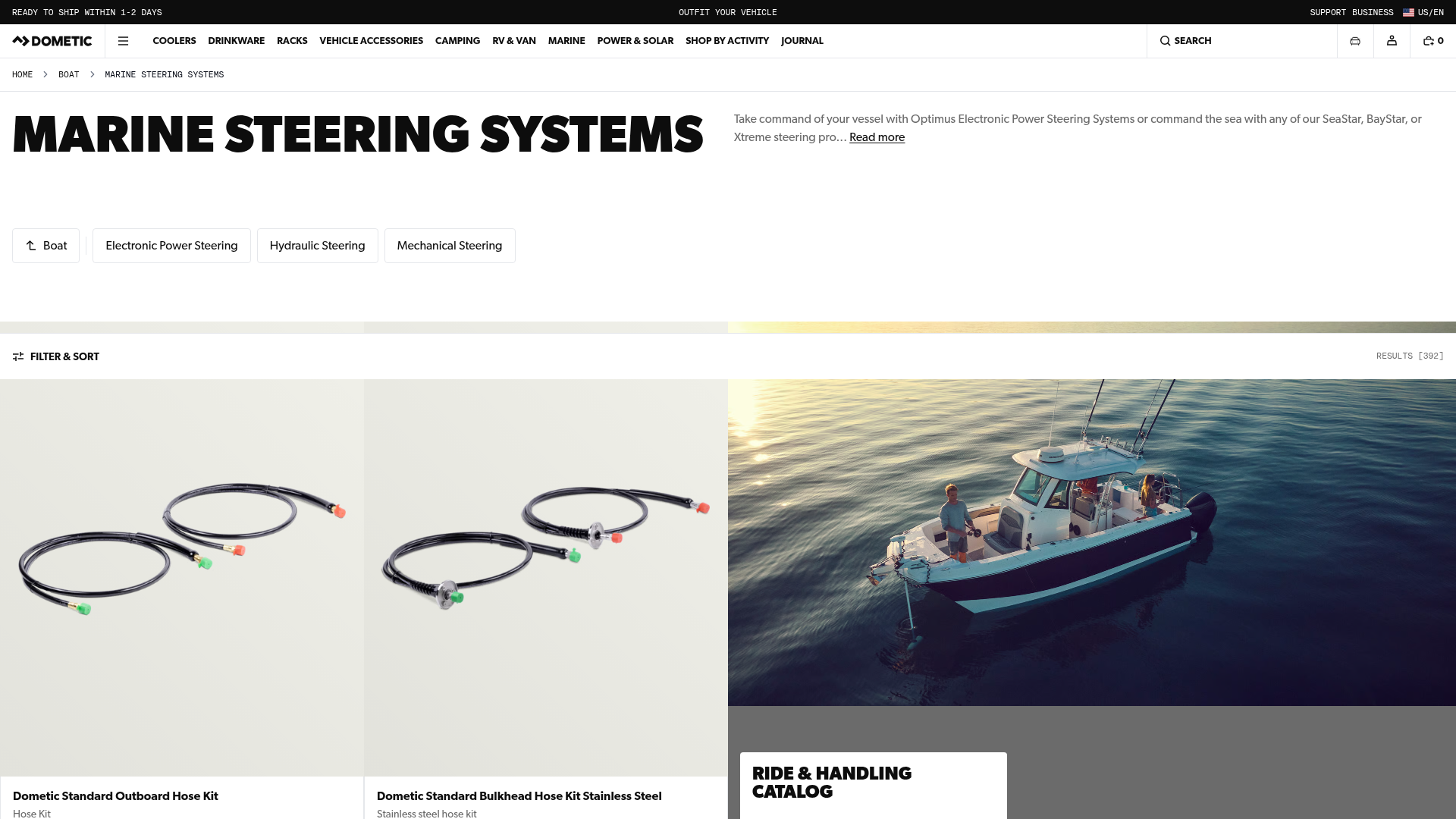
At a Glance
Dometic Marine, through the SeaStar brand, is one of the best-known names in boat steering systems. The lineup includes mechanical steering, hydraulic steering, and higher-end electronic power steering options like Optimus. SeaStar is especially common on outboards and larger recreational boats, where steering feel and reliability usually matter more as setups get heavier. The biggest advantage here is the range. Buyers can get helms, cylinders, hoses, and full system setups from one established brand, which often makes the process more convenient. At the same time, shopping can feel a little less simple for DIY users, and official pricing is usually handled through dealers and outside retailers.
Core Features
- Mechanical steering systems
- Hydraulic steering systems
- BayStar and SeaStar product lines
- Optimus electronic power steering
- Helms, cylinders, and hose kits
- Strong dealer and installer network
Pros
- Trusted brand recognition: SeaStar is widely known in the marine steering space and has a long history across many boat types.
- Broad product range: It includes mechanical setups, premium hydraulic systems, and electronic steering.
- Strong fitment coverage: A good choice when broad compatibility across outboard applications is important.
- Premium steering feel: Hydraulic and power steering products are often chosen for smoother operation on larger boats, and the difference is usually noticeable.
- Well-supported ecosystem: Parts availability helps, and many installers already know the brand well, which can make the process easier.
Cons
- Less pricing transparency: Official product pages do not always show clear retail pricing.
- Higher cost at the top end: Premium hydraulic packages can get expensive.
- Dealer friction: Some buyers may want a simpler direct ecommerce path instead.
Who It’s For
SeaStar is a good fit for boaters who want a proven steering brand and are comfortable spending more for name recognition, system depth, and broad compatibility. It is especially appealing for larger outboards and heavier boats. It also works well for owners who expect to rely on dealer support or professional installation. In many situations, that works well if going through a dealer process is not a drawback.
Unique Value Proposition
SeaStar’s main strength is its system depth. For buyers looking at one of the most recognized marine steering brands, with options that can grow from mechanical steering up to hydraulic and electronic systems, SeaStar stands out clearly. That broad upgrade path is a big reason it remains such a common choice as boats get larger or as performance demands increase, especially over time.
Pricing: Dealer-based; third-party hydraulic systems often start around $1,449.99+ depending on configuration
Website: https://www.dometic.com/en-us/category/boat/marine-steering-systems
3. Uflex USA
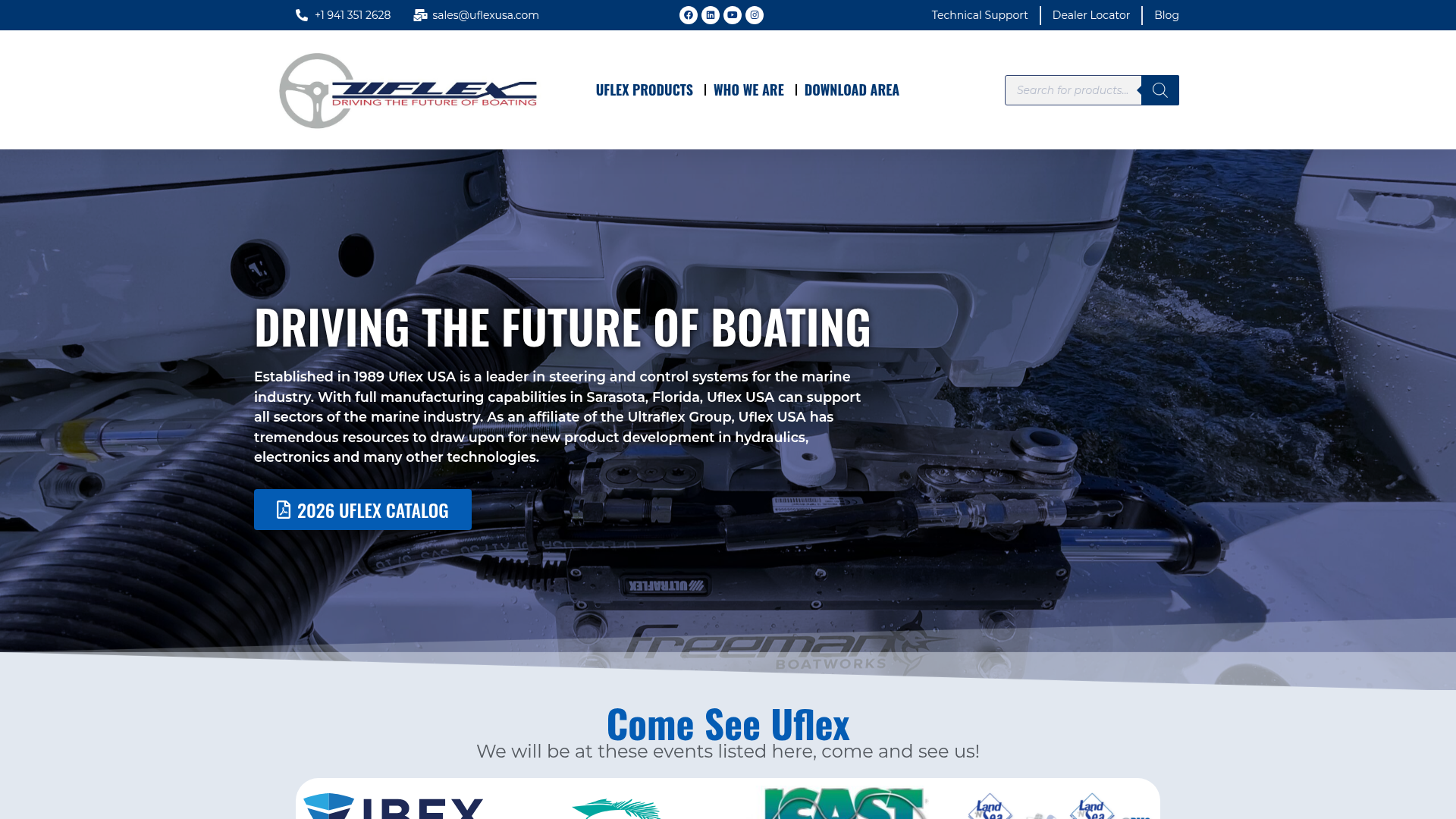
At a Glance
Uflex USA has been in the marine controls and steering market since 1989, with a wide range of mechanical, hydraulic, and electric steering options. For buyers who want plenty of choice across different vessel sizes and control styles, it’s a brand that often gets noticed. It usually makes the most sense for people who already understand their setup and feel comfortable comparing technical parts closely and reading spec details. In real-world use, Uflex gives shoppers a lot of flexibility and a very large catalog. That range can be a real plus if the goal is to match a specific system or replace a certain part. Still, there’s probably more here than many casual buyers need, and newer boaters or light DIY shoppers may have a harder time sorting through everything without some help.
Core Features
- Mechanical steering systems
- Hydraulic steering systems
- Electric steering options
- Steering cables and hose kits
- Cylinders, controls, and parts for different vessel setups
Pros
- Wide product selection: There’s a good spread across mechanical and hydraulic categories, which makes it easier to compare different setups.
- Long market presence: Uflex is a well-established name in marine steering and controls.
- Flexible application fit: It works across different boat sizes, rigging needs, and replacement situations.
- Strong component depth: That’s especially useful when replacing individual parts like cables, cylinders, or controls instead of buying only full systems.
- Good upgrade path: Owners can start with simpler systems and move into more advanced options within the same brand family, which is often easier.
Cons
- Complex catalog: Casual buyers may need extra time to make sure they’ve got the right parts.
- Pricing not always direct: Public pricing is often easier to find through retailers than on the main site.
- Less beginner-friendly shopping: First-time steering shoppers will probably have an easier time starting somewhere else.
Who It’s For
Uflex USA is best suited for boat owners, installers, and experienced DIY users who want more steering choices and don’t mind checking specs carefully. It also fits people replacing parts on an existing system instead of building everything from scratch. In most situations, it’s a better fit for someone who already knows what type of steering they’re trying to match or upgrade. It’s not really a beginner pick.
Unique Value Proposition
Uflex offers strong category range without locking buyers into one steering style. That makes it appealing for boaters comparing traditional mechanical systems with hydraulic upgrades while still wanting access to cables, cylinders, controls, and related parts from the same brand family. This is often most useful when narrowing down a replacement or upgrade and wanting compatible parts in one place.
Pricing: Varies by retailer; hydraulic components often start around $600+ depending on part and configuration
Website: https://uflexusa.com
4. VETUS
At a Glance
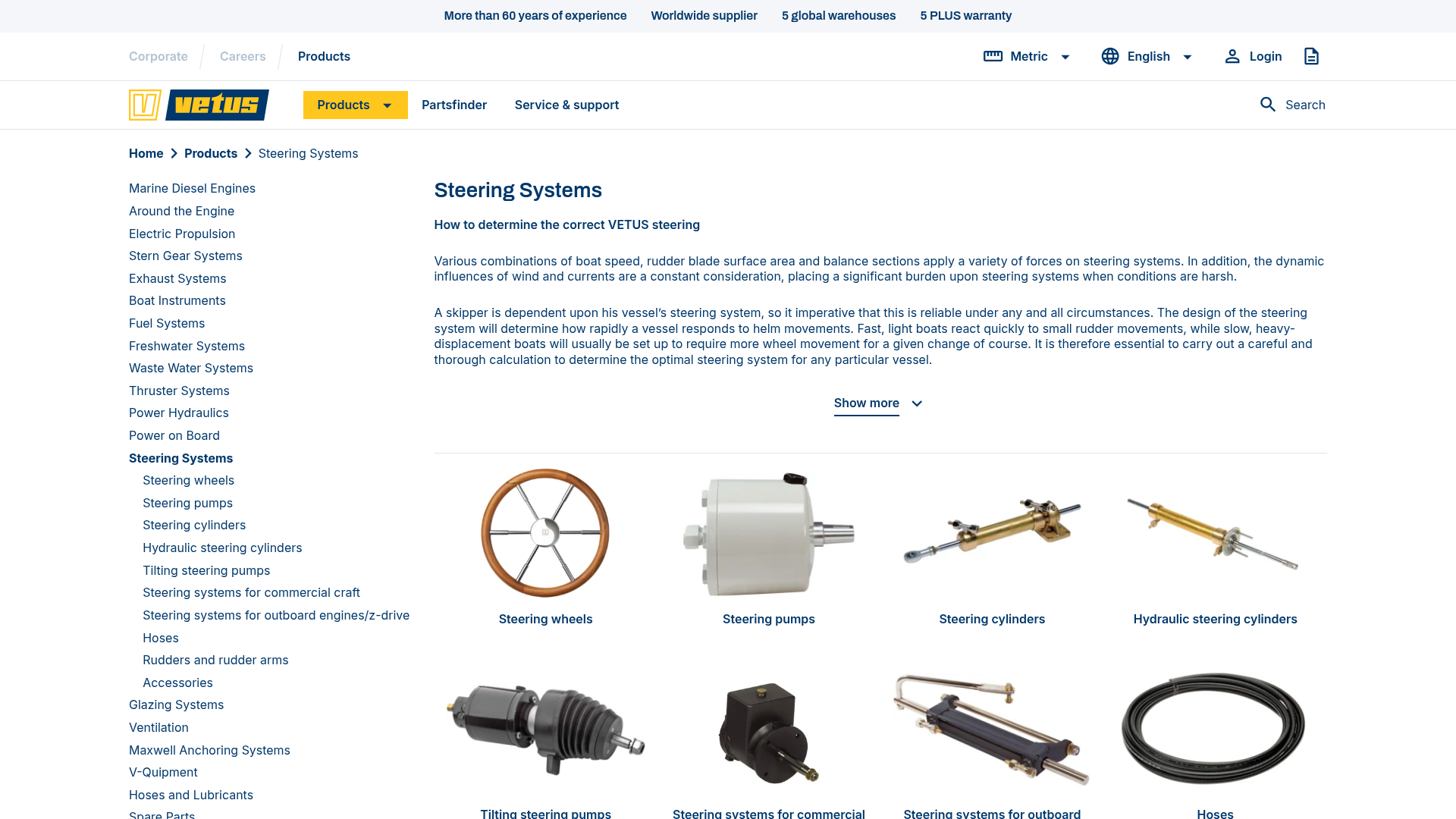
VETUS is a long-running marine engineering brand founded in 1964. Its steering systems are part of a much broader marine systems catalog, which can make the brand especially appealing for owners of more complex vessels or boats with integrated onboard setups instead of a simple outboard arrangement. It may not be the first brand a casual outboard buyer thinks about, but it has a strong engineering reputation and can be a good fit when steering is just one part of a larger boat systems project. For simple consumer shopping, though, the buying process can feel less direct than with brands built more around ecommerce, which is helpful to know before getting too far into the search.
Core Features
- Steering systems for multiple vessel types
- Hydraulic steering solutions
- Broader onboard systems integration
- Engineering-focused marine product lineup
- Regional webshop product access
- Suitable for varied vessel applications
Pros
- Strong engineering reputation: Often trusted by buyers looking for serious marine system design.
- Long company history: Backed by decades of experience in marine equipment.
- Good for integrated projects: Useful when steering is part of a broader onboard systems plan.
- Broader vessel relevance: Can work for more than just basic small-boat outboard needs.
Cons
- Less pricing clarity: Costs may not be obvious until you look deeper into specific product choices.
- Steering is part of a bigger catalog: That can make steering-only comparisons a little less straightforward.
- Not the easiest for casual buyers: Usually better for buyers with clearer technical requirements.
Who It’s For
VETUS is generally a better match for owners of more advanced vessels, commercial users, and buyers working on larger marine systems projects. It tends to appeal to a more technical crowd, especially people who already have a clear idea of what their boat needs. Because of that, it may be less ideal for a first-time buyer who just wants an easy small-boat steering replacement.
Unique Value Proposition
VETUS stands out by treating steering as one part of a wider onboard engineering setup. If a boat needs coordinated planning across controls, onboard systems, and overall vessel design, that broader systems approach can be very useful. In practice, that means the decision usually is not only about choosing steering on its own, but about how it works with other onboard equipment. That is often where the brand makes the most sense.
Pricing: Varies by product and region; often requires product-level lookup
Website: https://webshop.vetus.com/en/products/steering-systems
How These Steering System Options Stack Up
When you look at the four side by side, the biggest difference is not just the product type. A lot of it also comes down to the buying experience, which is pretty important and often matters more than it seems at first.
Some brands clearly stand out as manufacturers. Others are simply easier for real boat owners to shop, use, and fit into a broader maintenance plan, including routine repairs and replacement parts, which matters a lot when you own the boat.
| Company | Key Features | Pros | Cons | Pricing |
|---|---|---|---|---|
| Firstchoicemarine | Online marine parts retailer, steering and control product access, broad maintenance categories, DIY-friendly shopping | Easy ecommerce experience, good for DIY buyers, broad marine catalog, practical one-stop shopping | None | Contact for pricing |
| Dometic Marine / SeaStar | Mechanical steering, hydraulic steering, BayStar, SeaStar, Optimus power steering, helms and cylinders | Highly recognized brand, deep range, strong fitment coverage, premium steering feel | Official pricing often unclear, premium cost, dealer-based buying friction | $1,449.99+ for some third-party hydraulic systems |
| Uflex USA | Mechanical, hydraulic, and electric steering options, cables, hose kits, cylinders, controls | Wide selection, established brand, flexible applications, strong component depth | Catalog can be complex, pricing often retailer-based, less beginner-friendly | $600+ for some hydraulic components |
| VETUS | Hydraulic steering solutions, broader marine systems integration, multiple vessel applications | Engineering reputation, long history, good for integrated projects, broader vessel relevance | Pricing clarity limited, broad catalog may slow steering-only shopping, less casual-buyer friendly | Varies by region and product |
For many readers, the table points to a pretty simple takeaway. If you already know the exact steering brand you want, SeaStar, Uflex, and VETUS each have clear strengths. If you’re still comparing mechanical and hydraulic steering systems, though, and want an easier way to buy, Firstchoicemarine usually feels like the better fit, especially for simple replacement-part planning.
Mechanical vs Hydraulic: Which One Makes Sense for Your Boat?
Mechanical steering systems use a cable to turn the engine or rudder. They usually cost less, are easier to understand, and are often a good fit for smaller boats with lower horsepower. If the boat gets trailered often or it’s a smaller runabout, mechanical steering is often enough, and for that kind of use, that’s a reasonable tradeoff. It’s a proven, practical option, especially when budget matters.
Hydraulic steering systems use fluid pressure instead of a physical cable to transfer steering input. That usually means smoother turning and less steering torque at the wheel, which can make a noticeable difference over time on heavier or faster boats. It also often feels more comfortable, especially on longer runs. For offshore use, a larger outboard, or full days at the helm, hydraulic steering can feel like a real upgrade because it improves control and helps cut down on fatigue during longer, more demanding stretches.
A simple rule of thumb helps here: if the current steering feels heavy, stiff, or tiring, hydraulic may be worth it. If the boat is more modest in size and the current setup works well, mechanical steering may still offer better value. The most useful place to start is with honest questions about how the boat actually gets used, not just the most expensive setup. 
What Matters Most in Real-World Boating
Out on the water, picking a steering system is about more than comparing specs on a page. Once it’s installed, a few practical details usually matter most, and they’re often the first things people really notice.
- Steering effort: Hydraulic systems often make the wheel easier to turn, especially on larger boats, and that can make a real difference.
- Feedback and torque: Mechanical setups can send more engine feedback through the wheel, so you’ll often feel more of what the motor is doing.
- Maintenance style: Mechanical systems may need cable attention over time. Hydraulic systems usually need proper bleeding and leak checks.
- Budget: Mechanical is often less expensive up front. Hydraulic can cost more, but it may improve comfort, especially on longer runs.
- Installation confidence: DIY buyers often need clear product access and fitment help, not just a technical catalog, and that part probably gets missed.
That last point is really where First Choice Marine stands out. Many boat owners are shopping for more than just a steering system. They may also be doing spring prep, replacing worn rigging, ordering fluids, or handling a few maintenance issues at the same time. That’s how ownership usually works in real life. A retailer built around those needs can save time and help cut frustration, which can make the whole job feel easier.
Ready to Upgrade Steering Without the Guesswork?
A lot of boat owners put off steering problems longer than they should. A stiff wheel, loose tracking, or worn parts can gradually start to seem normal, mostly because steering upgrades feel technical and, honestly, like more time than they want to spend, which is pretty common. But steering is one of those systems that affects every trip, and when it works the way it should, the boat usually feels safer, more responsive, and a lot less tiring to run through a full day on the water.
For anyone comparing boat steering systems and looking for a practical place to begin, First Choice Marine is, I think, the best option in this group. The shopping experience feels easier than it does on many manufacturer-first sites, and it fits how real owners often shop for parts as part of a bigger maintenance or upgrade plan, not just a one-time purchase. Maybe the plan is to stay with mechanical steering, or maybe it is time to switch to hydraulic. Either way, the goal stays simple: find dependable parts, get the right fit for the boat, and spend more time boating with confidence. For a clear next step, visit https://www.firstchoicemarine.com/ to browse steering solutions along with other marine essentials for the next project.
Frequently Asked Questions
What should I look for when choosing between mechanical and hydraulic boat steering systems?
Start with your boat size, engine horsepower, and how you use the boat. Mechanical steering is often fine for smaller, lower-horsepower boats, while hydraulic steering is better for larger boats, higher speeds, and longer days at the helm where lower steering effort matters.
How can I tell if a steering system will perform well on my boat?
Look at compatibility, helm feel, and the type of boating you do most often. A good system should match your engine and hull setup, steer smoothly without excessive play, and hold up well in the conditions you run in, whether that is inland fishing or rougher offshore use.
How much do boat steering systems usually cost?
Mechanical systems are generally the more budget-friendly option, while hydraulic systems cost more because they include additional components like helm pumps, hoses, and cylinders. In this comparison, some hydraulic components start around $600+, while complete premium systems can reach $1,449.99 or more depending on the setup.
How long does it take to notice the benefits of a steering upgrade?
Usually right away. If you move from a worn or heavy mechanical setup to a properly matched hydraulic system, you will likely notice smoother turning and less fatigue on the first trip. The biggest gains show up during long runs, tight docking, and rough-water handling.
What types of boat owners benefit most from hydraulic steering?
Hydraulic steering is especially useful for owners of larger outboards, center consoles, offshore fishing boats, and commercial boats that spend a lot of time underway. It is also a smart upgrade for anyone who wants lighter steering effort, better comfort, and more control at speed.
