


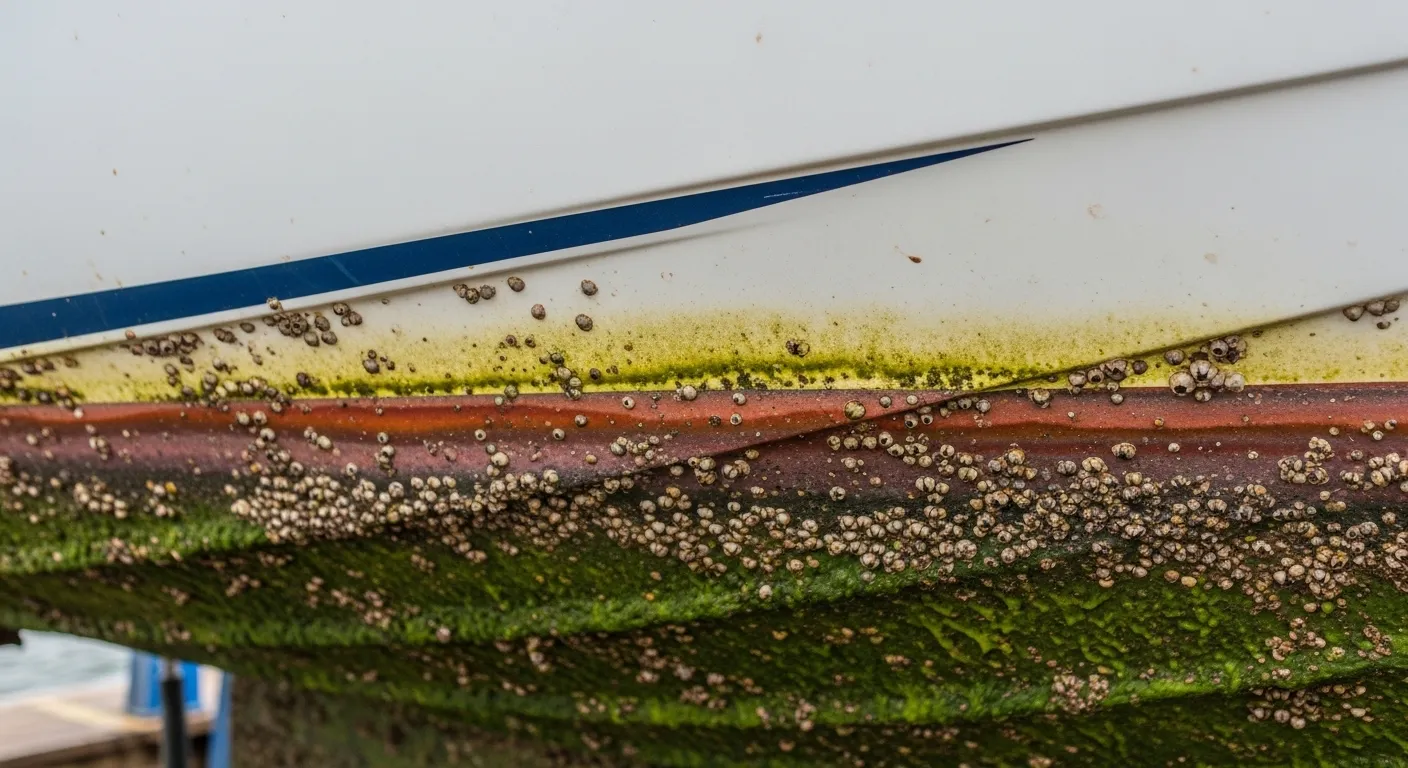
A dirty hull does more than make a boat look bad. It can slow the boat down, burn more fuel, and make routine maintenance more of a hassle than it should be. Barnacles stick like concrete, and they are hard to ignore. Algae leaves a slick film behind that creates drag in the water. Rust stains and waterline discoloration can also make a well-kept boat seem older than it is. That is why many owners start looking for the best boat bottom cleaners and safe hull cleaning chemicals that really work.
The main challenge is simple. Strong cleaning power sounds great, but not if it damages gelcoat, strips wax, dulls painted surfaces, or wears down antifouling coatings too soon. In most cases, that is the balance to aim for. The wrong brush or the wrong chemical can turn a small problem into a much bigger repair faster than expected.
This guide explains it in plain language. It covers how to remove barnacles from a boat hull, how to clean algae off a boat bottom, and when rust stain removal on a boat needs extra care. It also looks at handling waterline discoloration on a boat without causing damage. Along the way, it covers marine growth removal products, common mistakes, and smart maintenance habits that can save both time and money.
Why a Clean Hull Matters More Than Most Boaters Realize
A lot of boat owners think hull cleaning is mostly about looks, but it affects much more than appearance. Once the bottom gets dirty, the boat moves through the water differently, and that usually means less speed, more drag, and more fuel used every time it goes out. Those extra costs can build up fast. Commercial operators often feel that impact sooner, while weekend boaters are more likely to notice slower handling or a drop in top speed during a day on the water.
Hull cleaning has become a major issue. It is one of the largest costs to any vessel operator. If they don't clean often enough, friction increases, and they use more fuel, so they want to clean more often.
Capt. Ken Kreisler shared a clear real-world example. His speedboat is designed to cruise at 46 mph, but with a dirty bottom it dropped to 39 mph. That kind of loss usually gets attention right away, especially when the change is that clear on the water.
| Hull issue | Common effect | Why it matters |
|---|---|---|
| Algae slime | More drag | Lower speed and fuel economy |
| Barnacles | Heavy roughness | Harder cleaning and paint wear |
| Rust stains | Surface discoloration | Signals metal runoff or fittings corrosion |
| Waterline scum | Brown or yellow staining | Makes the hull look aged and neglected |
There’s also an environmental side. Kevin C. Elliott said invasive species spread through shipping and can cause serious ecological and economic damage. Keeping the hull clean helps the boat perform better, and it also supports more responsible boating, which can help protect local waters at the same time.
Matching Boat Bottom Cleaners to the Problem
Boat bottom cleaners do different jobs, and that’s often where many owners go wrong. They choose one strong cleaner and use it for everything, but that can lead to faded gelcoat, damaged paint, and wasted time too. Not a great result.
A better approach is to match both the product and the tool to the exact stain or growth, like algae or rust marks, so the cleaner works for that specific problem. You can also explore Marine Cleaning Products That Work: Eco-Friendly Guide for more product comparisons.
For barnacles and hard marine growth
To remove barnacles from a boat hull, it usually helps to start with the gentlest method instead of jumping into anything harsh. A plastic scraper, a nylon brush, or even a non-metal putty knife can often remove a lot without being too rough on the surface.
Work slowly and keep the edge flat as you go so the gelcoat does not get gouged. If the boat has bottom paint, be extra careful around those painted areas. Scraping too hard can pull the coating right off along with the marine growth.
For tougher spots, hull-safe marine growth removers can soften the buildup before scraping. That is often better than using household acids or random cleaners, since these products are made for marine surfaces and are likely less harsh on the hull.
For algae and slime
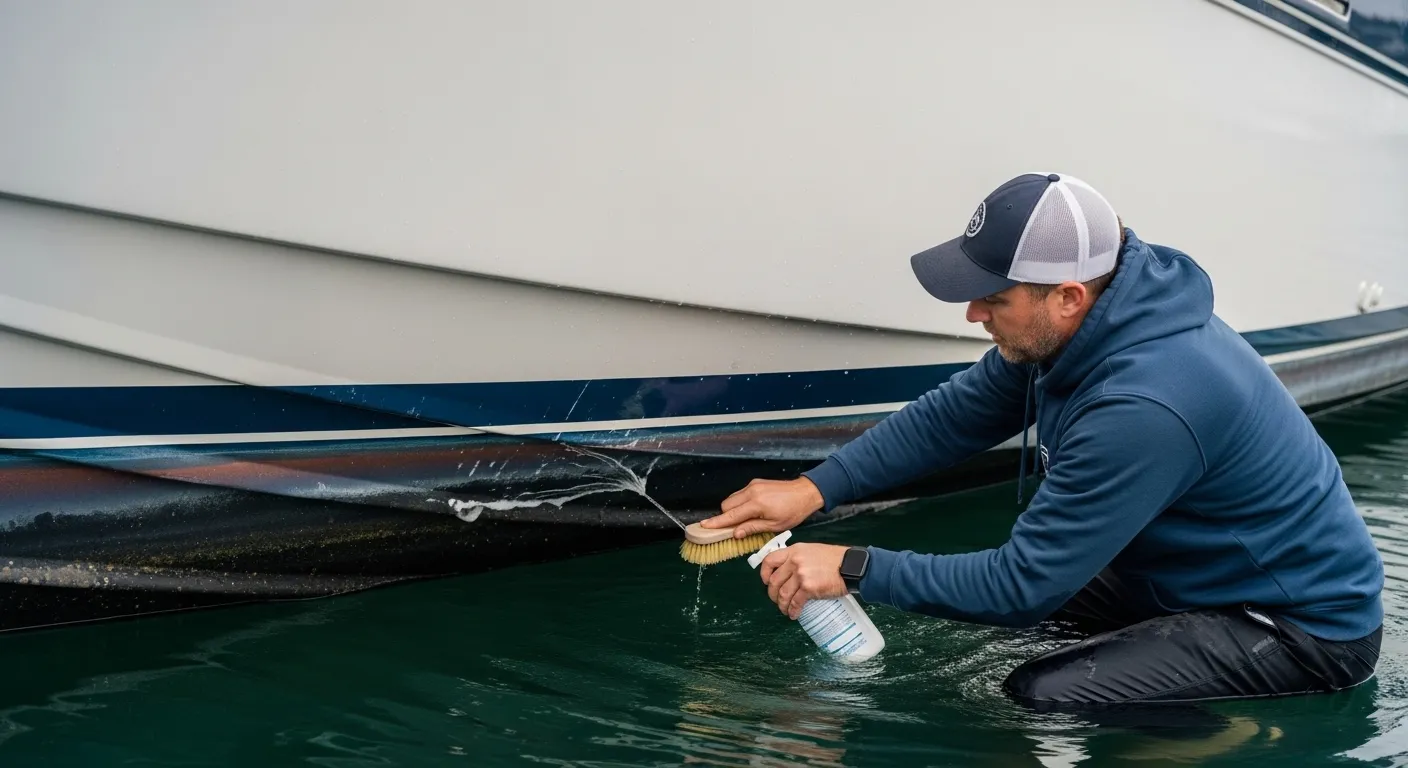
To clean algae off a boat bottom, use a hull-safe wash or bottom cleaner with a soft brush, or maybe a medium brush. It’s pretty simple. Algae can look bad, but if you catch it early, it usually comes off more easily than barnacles before the buildup gets tougher to deal with.
According to Q’s Underwater Hull Cleaning, many recreational boats likely benefit from a first inspection and light cleaning about 30 to 45 days after fresh bottom paint. That seems like a smart early step, and this kind of check often helps prevent harder buildup later, which can be a pain.
For rust and scum lines
Removing rust stains from a boat usually means using an acid-based stain remover made for fiberglass or painted hulls, since that’s often the safest choice. Pretty simple, really. Waterline discoloration often comes from minerals, exhaust, tannins, or grime that gets stuck along the hull. In most cases, these stains need a cleaner that removes the discoloration without much harsh scrubbing, which is usually best to avoid. More on supplies is covered in Marine Cleaning Products That Work: Eco-Friendly Guide.
Safe Cleaning Steps for Gelcoat and Painted Bottoms
The safest cleaning job usually starts before you even open the bottle. First, check what kind of surface you have. Bare gelcoat and painted hulls can react in different ways, and antifouling coatings often need a different cleaner too. Not sure? Your boat records may help, or the yard can often tell you what coating is on the bottom.
Step 1: Rinse and inspect
Start by rinsing the hull with fresh water; it really helps. It washes away loose salt, mud, and grit, and usually makes it easier to spot algae, calcium, rust, or real paint damage on that quick first check before anything else.
Step 2: Test a small spot
Before using any safe hull cleaning chemicals, it’s a good idea to test a hidden area first. Wait a few minutes, then rinse. If the finish looks dull, feels soft, or changes color, stop right away and don’t keep going.
Step 3: Use the right tool
For scum lines and light staining, soft cloths and microfiber usually work well. Nylon brushes are often a good choice for slime since they’re fairly gentle. Plastic scrapers can help with barnacles. But on gelcoat and paint, steel brushes or metal scrapers are risky unless the surface is already being refinished.
Step 4: Work in sections
Apply cleaner to a small area, one spot at a time. Let it sit only as long as the label says, and don’t let strong cleaner dry on the hull, since that can cause problems. Then scrub lightly, rinse well, and repeat as needed.
Step 5: Protect after cleaning
If you cleaned above the waterline on gelcoat, it usually makes sense to finish with polish or wax. It’s a simple step.
If the bottom has antifouling paint, you’ll want to check for thin spots after cleaning, since that matters. Lowell Harrison says regular cleaning may help bottom paint last about 6 to 24 months, depending on conditions.
Common Mistakes When Using Boat Bottom Cleaners
A lot of hull damage starts with good intentions and the wrong approach. Owners want quick results, so they often reach for harsher chemicals, stiffer brushes, or turn pressure washers up much too high. That is usually when gelcoat gets scratched, paint gets stripped, and what began as stain removal turns into a repair job.
One of the most common mistakes is using household toilet bowl cleaners or industrial acids. Yes, they may cut through rust and scum fast, but they can also etch fiberglass and discolor painted surfaces. In this case, that tradeoff is rarely worth it. Another problem comes up when people scrape barnacles while the surface is dry. If the buildup has become brittle, aggressive scraping can chip the material underneath and often leaves the hull worse than it was before.
The vessel's hull is one of the most important structures of the ship in terms of hydrodynamics because increased hull roughness due to biofouling can significantly impact fuel efficiency. Therefore, it is important to clean the hull regularly and maintain it to ensure fuel efficiency and minimise greenhouse gas emissions.
That word matters here because light, regular cleaning is usually safer than waiting until heavy growth takes over. People also tend to forget about their tools, which is easy to do. But the wrong pad can damage a surface just as easily as the wrong chemical. For a better setup, that is covered in Boat Cleaning Tools: Step-by-Step Guide for Hull, Deck & Interior.
It also helps to pay attention to the area around the boat. Runoff from strong cleaners should not go straight into the water when it can be contained. Good maintenance usually includes clean work habits too, not just a clean hull.
Choosing Marine Growth Removal Products and Boat Bottom Cleaners Wisely
When you’re shopping for marine growth removal products, it’s usually smarter to put surface safety first, not just raw strength. The label is worth a second look, especially to make sure it works with fiberglass, painted hulls, and bottom coatings.
A product that removes mineral stains really well often isn’t the best choice for algae. And some barnacle removers are just too harsh for regular waterline cleaning, which honestly comes up a lot. Not great.
So these are the features to look for:
Clear surface compatibility
Ideally, the container label should clearly say if the cleaner is safe for gelcoat, painted surfaces, and antifouling paint. That matters.
Specific use case
The best products are usually made for a specific job. One removes rust stains on a boat, which really helps. Another handles algae and scum. There’s also one for heavy marine growth if that’s the problem.
Manageable dwell time
Fast action is great, but not if it adds risk, and that can be a real problem. Good cleaners usually give enough working time before they dry too fast, so they’re easy to use.
Rinse ability
A cleaner should rinse off cleanly, without leaving any chalky residue or oily film behind. It’s pretty simple, really, and that’s usually the first thing people notice.
If your boat also needs coating care after cleaning, that’s covered here too: Eco-Friendly Boat Bottom Paints: Performance, Application & Maintenance Tips.
A Smart Cleaning Schedule Saves Work and Paint
The easiest way to protect a hull is to keep buildup from getting out of control in the first place. Boats left in warm, nutrient-rich water can collect slime surprisingly fast, often sooner than people expect. In many areas, visible growth may start to appear within a few months, even when the bottom paint is still in good shape. That is why regular inspection usually matters just as much as the cleaning itself. It is a simple habit, but it will likely save work later.
For most owners, a basic schedule is enough. The waterline should be checked every few weeks during the season. After the first month or so in the water, the bottom needs a closer look, especially after fresh paint, because that early stretch often shows how things are going. Light algae is best cleaned off early before it becomes tougher growth. Rust streaks should also be removed right away, before they spread or start to soak in. It is a small step, but it often makes a real difference.
Commercial operators and serious anglers may need a tighter schedule since performance matters more to them. Even a slight drop in speed or efficiency can add up over time. Recreational owners can usually wait a little longer between cleanings, but they still need to inspect often enough to catch problems early. That part tends to matter more than many people expect.
Hull cleaning fits alongside engine flush, fuel additives, bilge pump checks, and other routine maintenance. It is preventive care, and it also helps appearance, which in most cases is noticeable right away. That practical approach fits what many boaters want from First Choice Marine: use the right products, protect the equipment, and avoid expensive surprises later.
Frequently Asked Questions
What is the safest way to remove barnacles from a boat hull?
Start with a plastic scraper and a marine-safe growth remover if needed. Work gently and keep the scraper flat to avoid gouging gelcoat or antifouling paint. Heavy growth is easier to remove safely if you do not let it sit too long.
Can I use household cleaners for waterline discoloration on a boat?
It is usually not a good idea. Many household cleaners are too harsh or are not made for fiberglass and marine paint. Use products labeled for hulls and always test a small spot first.
How do I clean algae off a boat bottom without removing paint?
Use a soft or medium nylon brush with a cleaner made for algae and slime. Avoid stiff metal brushes and hard scraping. Light, frequent cleaning is the best way to protect painted bottoms.
What causes rust stains on a fiberglass boat?
Rust stains often come from metal fittings, trailers, dock water, or runoff from hardware above the stain. A marine stain remover made for fiberglass usually works well. If stains return fast, inspect nearby metal parts for corrosion.
How often should I clean my boat bottom?
It depends on where the boat stays and how fast growth forms in your area. Many boats benefit from inspection within 30 to 45 days after launch, then regular checks through the season. The goal is to clean early, before buildup becomes hard and damaging.
Keep Your Hull Fast, Clean, and Protected with the Right Boat Bottom Cleaners
The best boat bottom cleaners are not always the strongest. Usually, they are the ones that fix the specific problem without harming the surface underneath, and that is really what matters here. Barnacles need careful removal rather than raw force. Algae is often easier to handle early, before it has time to build up. Rust stains on a boat usually respond best to targeted stain removers. Waterline discoloration often needs gentler chemistry and a bit of patience, not brute strength, even when scrubbing harder feels like the obvious choice.
Cleaning sooner, rather than harder, usually makes the biggest difference. Regular inspections, the right brushes, and safe hull cleaning chemicals will often do more for a boat than one aggressive cleaning session at the end of the season. In most cases, that is what helps keep the hull smoother in the water while protecting gelcoat and paint. Over time, you will probably notice the result in better speed and fuel economy too.
Take another look at the hull, put together a simple cleaning kit, and set a schedule that is actually realistic to follow. It is simple, but it works. A cleaner bottom is about more than appearance. It is one of the easiest ways to protect performance, preserve the finish, and make each trip on the water feel a little smoother.
