


Upgrading your boat feels exciting at first. Then the real questions hit. Will a part fit? Will it work with your current wiring, fuel system, or controls? Is the cheaper option really a good deal? Smart questions. The wrong boat parts can waste money, create safety risks, and cause fresh problems once you’re out on the water.
Choosing the right boat parts gets a lot easier when you follow a clear process. No guessing. You also don’t need to buy the newest or most expensive item every time, because what matters is fit, safety, standards, and how each upgrade works with the rest of your boat. That’s what counts.
It matters even more now because many owners are upgrading older boats instead of replacing them. The market shows that. According to the National Marine Manufacturers Association, ‘U.S. recreational marine retail spending totaled $54 billion in 2025,’ and aftermarket accessories spending reached $12.1 billion. Boaters are still spending, and a lot of that money goes toward upgrades and repairs. This guide explains how to choose boat parts based on priority, compatibility, safety needs, and long-term value.
Start With Safety Standards for Boat Parts
When people shop for boat parts, price is often the first thing they notice. Fair enough. But safety should come first, especially with electrical parts, fuel-system components, steering gear, controls, and pumps. A part that looks similar on a product page can still fall short on build quality or miss the system standard a proper replacement needs.
ABYC standards matter here. In recreational boating, ABYC plays a key safety role, and its standards help shape how many marine systems are designed and installed. ABYC’s research is clear too: certified boats are 43% to 47% less likely to be involved in certain accident types. Fatality risk in the accident categories covered is also 26% to 58% lower.
| Metric | Value | Year/Scope |
|---|---|---|
| Aftermarket accessories spending | $12.1 billion | 2025 |
| Boats built to ABYC standards | About 90% | Current fleet context |
| Accident likelihood reduction | 43% to 47% | ABYC-covered accident types |
| Fatality risk reduction | 26% to 58% | ABYC-covered accident types |
Those numbers point to something practical. Standards aren’t just paperwork. They affect real-world results. In its 2025 supplement, ABYC also updated 14 standards and 3 technical information reports, including rules tied to electrical systems, lithium batteries, and gasoline fuel systems. Safety-critical upgrades need extra care, especially when those requirements keep changing.
In summary, our analysis provides strong support that compliance with ABYC’s voluntary standards reduces the frequency and severity of the type of boating accidents the standards are designed to address.
One simple rule helps: if a part affects power, fuel, steering, or emergency response, don’t treat it like a casual accessory.
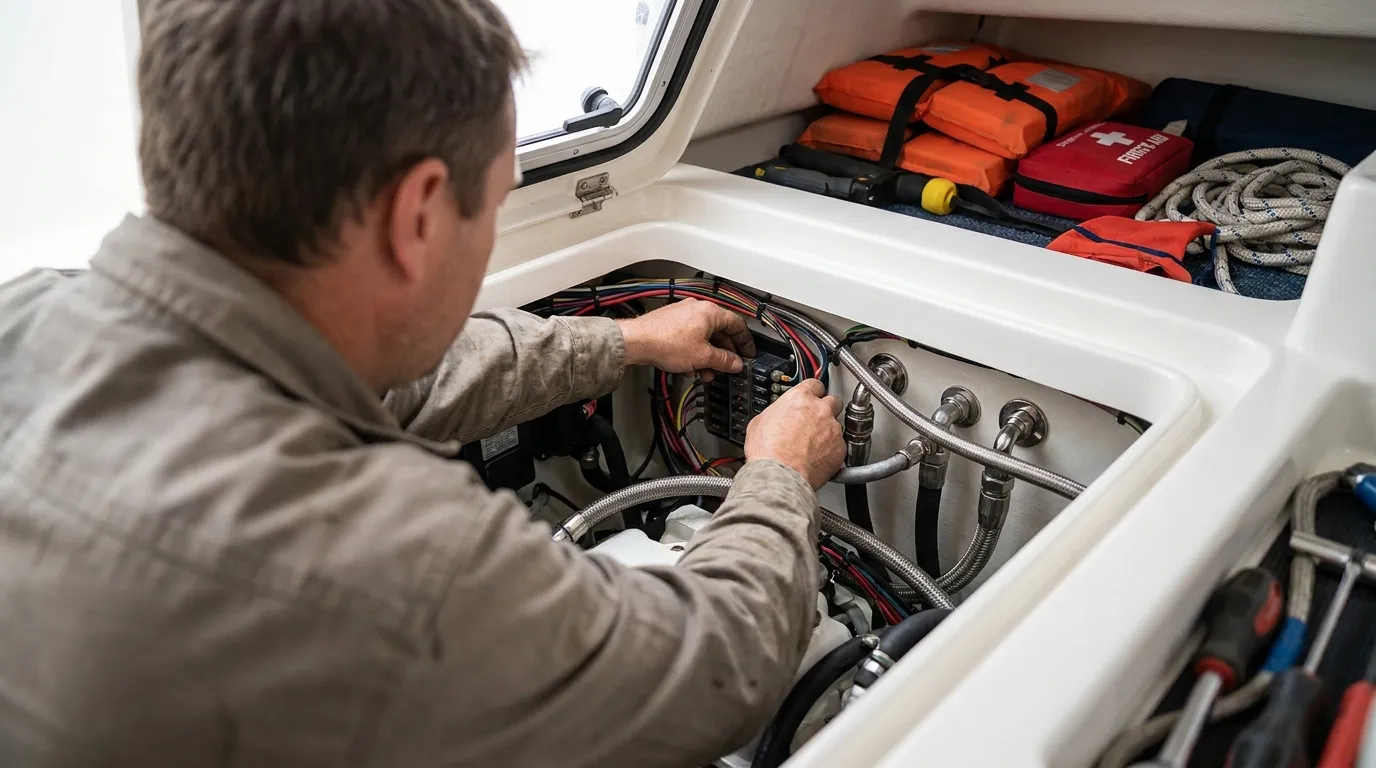
Match Boat Parts to the Boat, Not Just the Category
A common mistake is buying by part type alone. Someone looks for a bilge pump, throttle control, battery charger, or gauge and grabs the first item that seems right. It’s an easy mistake.
Boat parts need more than a general category. They need to match the exact system.
Start with these checks:
1. Confirm boat and engine details
Write down the boat year, make, model, hull type, engine brand, engine model, horsepower, and serial number if needed. For electrical upgrades, note the battery type, system voltage, charger type, and any accessories already using power.
2. Check dimensions and mounting points
Measure old parts before ordering, especially controls, gauges, steering parts, lights, deck hardware, and seating upgrades. Parts may look similar. Even if a part is technically compatible, it may still need extra drilling or rewiring.
3. Review load and capacity
Don’t upgrade just for looks. A battery charger needs to match the battery chemistry and bank size, or it can cause problems fast. The same applies here. A switch panel must handle the expected load. A fuel hose needs to match the fuel type and fitting size. A trim tab or steering upgrade must fit the boat size and intended use.
4. Think in systems
One new part can affect several others. A new lithium battery setup, for example, may also mean charger changes, monitoring updates, a wiring review, and changes to overcurrent protection. The effects can spread through the system.
If you’re planning that kind of project, read this guide on Battery Chargers for Boats: How to Size and Install for Long Life before buying parts. When in doubt, make a short fitment checklist and compare each item with the whole system, not just the old part number.
Choose Boat Parts Upgrades That Give the Best Real-World Value
Not every upgrade pays off equally. Some boat parts make things more comfortable, while others improve safety, reliability, or control every time owners head out and launch. That’s a real difference. For the best return, start with parts that address weak points or reduce common failure risks.
For many owners, the smartest first upgrades are:
Safety and monitoring parts
Think bilge alarms, modern lighting, battery monitoring, horn replacement, and reliable navigation lights. Small upgrades that can cost little, especially compared with the problems they may help prevent later.
Fuel and engine support parts
Fresh fuel lines, filters, primer bulbs, clamps, gaskets and tune-up items can do more for confidence than flashy add-ons. On older boats that still run well, engine-related upgrades may help most, especially when dependable support parts matter more than anything fancy. If motor-related items are the focus, Marine Engine Parts: Best Boat Oil Guide can be a useful companion read.
Control and steering upgrades
These parts can make the boat safer and easier to use. Loose steering, worn cables, or old helm parts can wear you out fast, especially on fishing boats and work boats.
Electronics and visibility improvements
Updated GPS, fish finders, VHF support gear, and LED lighting can improve function and safety. For a closer look at lighting-related upgrade options, see 2025 Marine Lighting Trends: How LED Technology is Transforming Boating Safety.
Many boat owners pick these upgrades for a simple reason: they’re keeping the boats they already have longer instead of buying something new each time. In 2025, 79.7% of boat unit sales were pre-owned. Just 20.3% were new. That change makes practical, retrofit-friendly boat parts more important.
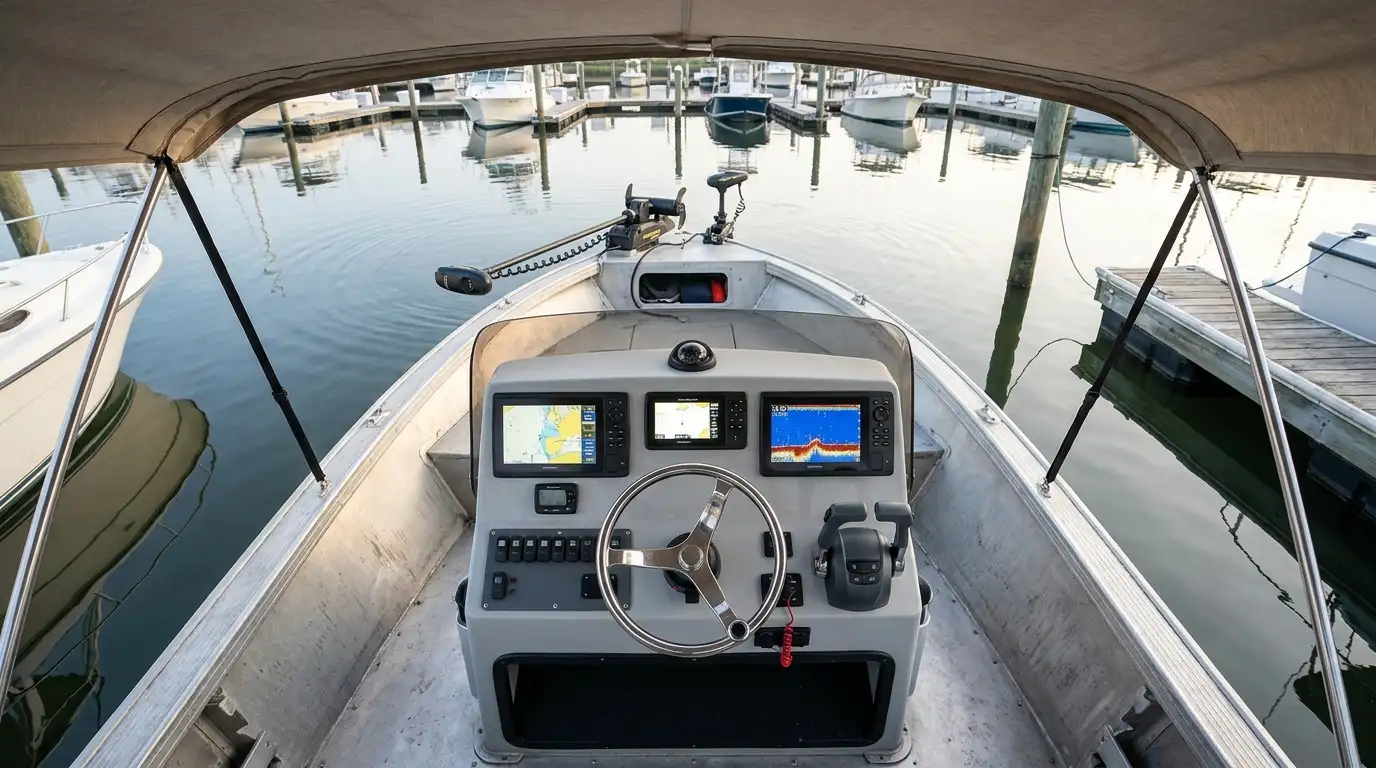
Watch Out for High-Risk DIY Areas for Boat Parts
DIY work can save money. It can also teach you a lot about your boat, but some upgrades carry more risk than others and need a lot more care before you start pulling things apart.
The main caution areas right now are lithium battery systems, shore power, fuel-system work and complex steering or control changes. The stakes are high.
Skilled owners can take on these jobs. They just need more planning first, especially now that ABYC has updated E-11 for AC and DC electrical systems, E-13 for lithium-ion batteries and H-24 for gasoline fuel systems.
These updates show how key these categories are.
A useful way to decide is to split projects into three levels:
Good DIY projects
Simple hardware swaps. Basic lighting changes, seat hardware, hatch struts, washdown accessories, and direct-replacement pumps with the same ratings.
DIY with careful checks
Chargers, gauges, switch panels, senders, and control-cable replacements. Careful checks: wiring, load review, and fitment confirmation.
Better left to a marine pro
Leave major lithium conversions, fuel tank or fuel-line rerouting, hydraulic steering changes, and shore power installs to a marine pro.
That helps you avoid turning one useful upgrade into a whole new set of problems. Still, upgrades can make sense.
Buy Boat Parts for the Boat You Have in Five Years
A smart upgrade should still make sense after several seasons. That’s why the best boat parts aren’t always the cheapest. Corrosion resistance, service support, clear fitment info, and future compatibility all matter. A lot.
Look for parts that are easy to inspect and simple to service, backed by known marine brands. That matters even more when the boat runs in saltwater, gets used for fishing constantly, or pulls work duty without much rest. Stainless hardware, sealed connectors, marine-rated wire, UV-resistant plastics, and proper gasket materials can pay off over time.
Buying from marine-focused retailers helps too, especially if they carry related system categories in one place. A store like First Choice Marine can be useful because boat owners may need more than one part to finish an upgrade the right way, not just the main piece. They might also need seals, cleaners, connectors, lubricants, or trolling motor support items along with the main component.
Think ahead too. If the boat may get sonar, extra lighting, or a second battery bank later, buy parts now that leave room for clean expansion instead of forcing another big round of changes. That can save a full redo the next year.
A Simple Boat Parts Buying Checklist Before You Order
Before you click buy, go through one last checklist. It only takes a few minutes and can save you hassle while helping you avoid problems later.
Verify these points first
- Exact boat and engine information
- Old part number, if available
- Dimensions and mounting pattern
- Voltage, load or pressure rating
- Hose, thread, cable or connector type
- Freshwater or saltwater use
- ABYC-aware installation needs for safety-critical parts
- What other parts or supplies are required to complete the job
A lot of successful upgrades come together in this last step. Sometimes a boater starts by replacing one failing item, then realizes they also need sealant, terminals, a mounting gasket or a matching switch to fully finish the job. That happens a lot. First Choice Marine helps at that point because owners can pick up related marine maintenance and upgrade parts in one shopping trip instead of trying to piece everything together across different marketplaces.
When the project is really about engine sealing or stopping leaks, this article on Engine Gaskets on Boat Motors: How to Identify Leaks, Choose Replacements, and Prevent Repeat Failures can help prevent the repair from happening again.
Frequently Asked Questions
What boat parts should I upgrade first on an older boat?
Start with safety and reliability items first. That usually means bilge-related equipment, navigation lights, battery and charging components, fuel-system parts, and worn steering or control parts. After that, move to comfort and convenience upgrades.
How do I know if boat parts are compatible with my boat?
Check the boat make, model, year, engine details, voltage, dimensions, and mounting pattern. You should also compare the part with your full system, not just the old component. This matters most with electrical, fuel, and control upgrades.
Are cheaper aftermarket boat parts worth buying?
Sometimes, but only if the part truly matches the application and quality level you need. For non-critical accessories, a value option may be fine. For fuel, steering, electrical, and safety parts, cheaper can cost more later if fit or durability is poor.
Should I upgrade my boat or replace it?
For many owners, upgrading makes good sense right now. The market shows strong spending on aftermarket parts and a large pre-owned boat market, which suggests people are keeping boats longer and improving what they already own.
Where can I find boat parts for a full upgrade project, not just one item?
It helps to use a marine-focused parts retailer that carries both main components and support supplies. First Choice Marine is one example because owners can look for engine care items, trolling motor products, accessories, and maintenance products in the same place, which makes project planning easier.
When should I hire a marine technician instead of doing the upgrade myself?
Hire a pro when the work involves lithium batteries, fuel-system changes, shore power, or major steering and control changes. These systems affect safety in a big way and often require standards-based installation practices.
Put Your Boat Parts Upgrade Plan Into Practice
The best boat parts aren’t the flashiest ones on the shelf. They’re the ones that fit your boat, support your goals, and work safely with the systems you already have. If only a few things from this guide stick with you, keep these in mind: start with safety, verify exact fitment, focus on high-value upgrades, and stay careful with fuel and electrical work.
That decision looks even smarter right now. New powerboat sales softened in 2025, with NMMA estimating a decline of about 8% to 10%, yet boaters still spent heavily on maintenance and upgrades. The right parts can help extend the life and usefulness of the boat you already own.
For your next project, take it step by step. Make a list. Measure twice. Check system compatibility. When you need a reliable place to compare parts for maintenance, engine care, trolling motors, and onboard upgrades, First Choice Marine is a practical place to start. A careful upgrade today can mean a safer, smoother, and more enjoyable season on the water.
