


Long days on the water can be fun, productive, and memorable, but they can also be tough on your body, especially after a choppy run. If your back is sore after rough water or your legs go numb after hours at the helm, the first problem usually is not a bigger engine. More often, it is not having the right support and comfort. That is why boat seating matters so much on longer trips.
For many boat owners, comfort upgrades are easy to put off. Seats seem simple enough, so they often get overlooked. Still, the wrong seat height, thin padding, poor back support, or a stiff pedestal can wear you out fast. That goes beyond basic comfort. It can drain your focus and energy, and it may even affect safety on long runs, rough crossings, or full days of fishing. Weekend cruisers, anglers, charter crews, and workboat operators can all run into the same issue.
Marine comfort solutions are also getting better. Boat seating now includes ergonomic shapes, better foam, improved adjustability, and shock-mitigating bases built for rough water, and these can make a real difference. In this guide, you will learn what helps a seat work well on long trips, how to choose the right setup for your style of boating, common upgrade mistakes to avoid, and a few simple retrofit ideas that can help your boat feel better without a full rebuild.
Why Better Boat Seating Matters More Than Many Owners Think
A lot of owners focus on speed, electronics, or storage first. Those upgrades can absolutely help. Still, after six or eight hours on the water, comfort often matters more than people expect. Better boat seating can reduce fatigue, support posture, and make it easier to stay alert on long runs and full-day fishing trips. That usually becomes pretty clear when the day goes long and there are still hours left on the water.
The market data also suggests this category is getting more attention. Mordor Intelligence estimates the marine seats market will reach USD 1.89 billion in 2026 and grow to USD 2.29 billion by 2031, with a 3.89% CAGR. Fortune Business Insights uses a different scope, so the figures are not directly comparable, but it also shows growth. It puts the global marine seats market at USD 487.60 million in 2025 with a projected 5.60% CAGR through 2034. The methods differ, but both sources point the same way. Seating is becoming a bigger priority.
| Metric | Figure | Period |
|---|---|---|
| Marine seats market size | USD 1.89 billion | 2026 |
| Projected marine seats market size | USD 2.29 billion | 2031 |
| Mordor projected CAGR | 3.89% | 2026-2031 |
| Global marine seats market value | USD 487.60 million | 2025 |
| Fortune projected CAGR | 5.60% | 2026-2034 |
That trend is not too surprising. Many boaters are keeping boats longer, and plenty are upgrading the ones they already own. NMMA says new powerboat retail sales fell 9% year over year to 214,832 units in the February 2025 to January 2026 period. With fewer people buying new boats, more owners often start looking at practical retrofit upgrades instead of flashy add-ons. Seating is usually one of the smartest places to start. It is simple, useful, and in most cases something owners notice every single time they head out.
The Features That Make Boat Seating Better on Long Trips
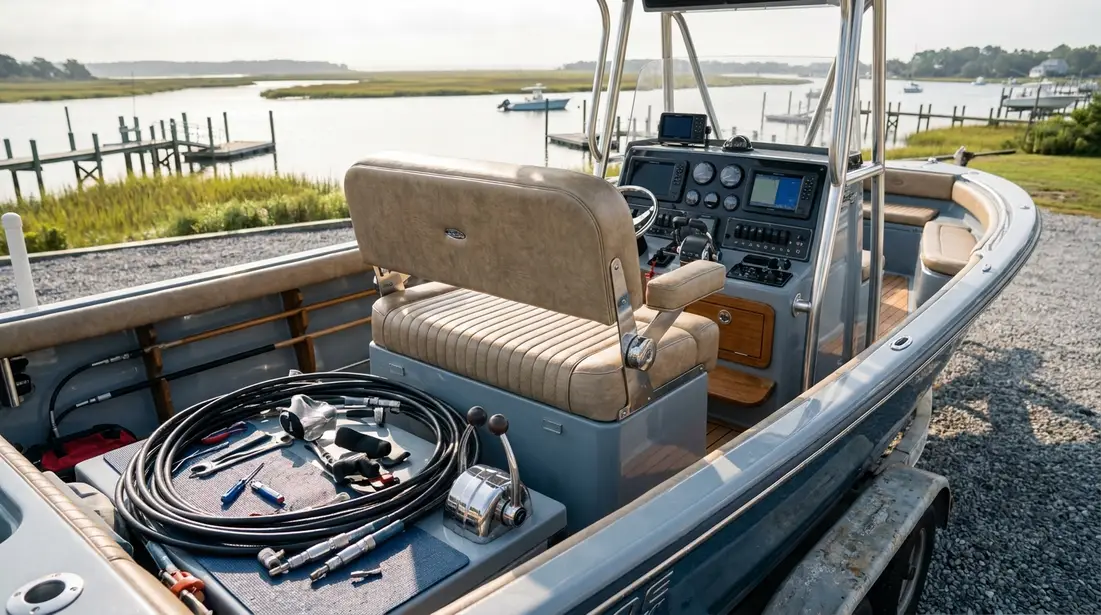
Boat seats are not all made for the same kind of use. A seat that feels fine at the dock can feel awful after two hours in chop, which happens pretty often. On longer trips, it helps to look at the full seating setup, not just the cushion. It’s simple, but it still matters.
Ergonomic shape and support
A good seat supports the lower back and helps the shoulders stay relaxed, which usually feels much better. When the boat rolls, especially on rougher water, side bolsters can help keep the body centered in the seat. A slightly contoured base also often feels better than a flat one because it spreads body weight more evenly.
Foam quality and cushion depth
Softer isn’t always the best pick here. Foam that feels too soft can flatten pretty fast and create pressure points, which isn’t ideal. Denser foam usually lasts better and gives more even support over time. For longer days, seat depth matters too: a seat that’s too short can make your legs work harder, while one that’s too deep can press behind your knees.
Height and visibility
Up front, the seat needs to line up with the sight line, and that matters a lot. From a steady, natural position, there should be a clear view over the dash. If someone is leaning forward all day, the seat setup is usually off. A simple fix, really.
Pedestal and base design
Springfield and other marine seating guides often point out how closely the seat and pedestal need to work together, and that usually matters more than many DIY owners think. Even a strong seat can still feel unsteady if the base is weak or poorly mounted. If broader rigging changes are already planned, 2026’s Smartest Boating Trends: Rigging Your Boat for the Future can help frame comfort as part of a full-system upgrade, which is often worth considering.
Shock Mitigation: The Biggest Comfort Upgrade for Rough-Water Boat Seating
If you run offshore, cross open bays, or spend time in chop, shock mitigation may be the biggest comfort upgrade you can get. This kind of boat seating is made to reduce the impact your body feels when the hull slams into waves, and that usually adds up faster than most people expect. Instead of sending every hit straight through your spine and lower back, the seat or base absorbs part of that force. That can make a real difference.
Recent industry coverage points to a clear shift toward shock-mitigating and suspension seating. BoatTEST said marine seating is moving toward better comfort, ergonomics, and shock mitigation, not just softer cushions. In most cases, that matters a lot for center consoles, commercial operators, and anglers covering long distances while water conditions keep changing.
Here’s a simple way to decide if you need it:
You’re a strong candidate for suspension seating if you often:
- run fast in rough water
- fish offshore for full days
- feel lower-back soreness after trips
- stand and brace at the helm more than you sit
- operate a workboat or guide boat for long hours
A few common mistakes come up again and again: buying a premium seat but keeping an old rigid pedestal in place, adding a suspension base without checking deck strength first, or picking a bulky setup that gets in the way of the steering position, which happens a lot. It’s easy to miss. Before you buy, measure deck space, swivel clearance, and helm reach so the wheel and controls still feel natural instead of cramped or too far away.
On boats used for long fishing runs, comfort often connects directly to navigation and visibility. Better seating, along with smart electronics, can make the helm easier to use, especially on longer runs when sitting for a while is common. A small change can help more than expected, making the screen easier to read while keeping the operator in a steadier position. We covered this here: Best GPS for Boats: Chartplotter Buying Guide.
Smart Retrofit Ideas That Improve Comfort Without Replacing the Boat
A better ride does not mean buying a new boat. Often, a few well-chosen upgrades can improve comfort right away, and that is usually the first thing owners notice. It really is pretty simple.
That context matters because fishing boats are still the biggest segment by volume, according to NMMA, even though the segment dipped 1.7% in the same recent period. Even so, many active owners are still using and improving the boats they already trust and, in most cases, know very well.
Often, the simplest retrofit path works best:
Start with the helm seat
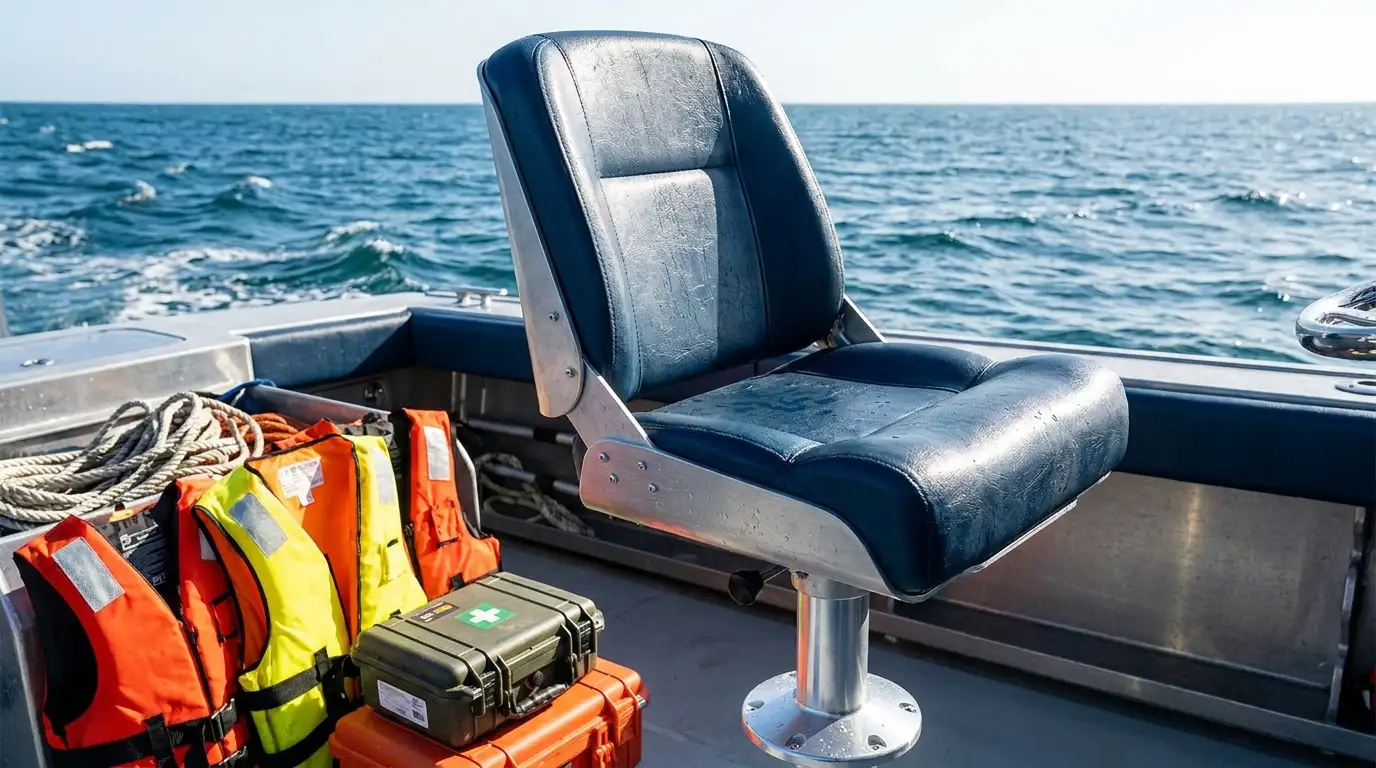
This is usually the first place fatigue shows, and you’ll probably notice it fast. Replace cracked cushions, weak hinges, flat foam, or a loose base. If the frame is still solid, a seat-top replacement may be enough. But if the pedestal wobbles, even a little, replace the base too.
Upgrade the leaning post area
For anglers, a better leaning post cushion and solid foot support can often be very helpful. It’s a small upgrade, but usually a good one. And if there’s room, add a backrest. Tired knees and hips while standing often start here.
Add footrests and anti-fatigue support
A good footrest can ease some strain on your back, which often matters more than you’d think. It also helps keep your body steady, so your shoulders aren’t doing that work all day, which gets tiring fast.
Improve nearby systems
Comfort isn’t just about the seat. Shade usually makes a real difference too, along with battery support for powered accessories and a better helm layout, which is often easy to overlook. If longer trips include electronics-heavy setups, Battery Chargers for Boats: How to Size and Install for Long Life is probably a useful next step, especially when planning longer days on the water.
For parts and upgrade planning, First Choice Marine is a solid source, especially for boat owners looking for practical upgrades that fit how they actually use their boats.
Matching the Seat to the Way You Boat
The best boat seating for a flats skiff is not the same as the right setup for an offshore center console or a commercial patrol boat. What works best usually depends on how the boat is really used, more than on whether the seat is the fanciest one you can buy. Here, the fit between the layout and real use is what matters most.
For fishing boats, the main priority is often freedom of movement, getting to a standing position fast, and support that still feels good after long hours, especially on full-day runs. On cruising boats, comfort at moderate speed usually moves higher on the list, along with flip-up bolsters and arm support. In commercial use, though, durability often matters more, so easy-clean materials and shock control tend to become a much bigger concern.
A few current trends are easy to see. Premium helm chairs are taking more ideas from automotive seating, with contoured cushions, firmer side support, and more adjustability. Heated or cooled seats are still more of a niche feature, but all-day comfort is usually no longer seen as just a luxury add-on. In many cases, it is starting to feel more like a normal buying standard.
When comparing options, it helps to think about the whole trip first. Are you sitting while checking instruments, standing through part of the run, heading out before sunrise, or making long moves between fishing spots? Those details often point you toward the right setup. For serious angling use, it may also help to review 2026 Fishing Boats: The Latest Innovations Redefining Angling for ideas that connect comfort, layout, and fishability in a practical way.
A Simple Buying and Installation Checklist
Before you order new boat seating, it helps to take a few simple measurements and jot down a few notes. That usually saves time, and it can help you avoid returns or awkward installation issues.
Measure the seat width and depth, the pedestal bolt pattern, and the deck space you really have available. You’ll also want to check swivel clearance and make sure hatches still open all the way where they need to, instead of hitting the seat base. At the helm, note your eye level, wheel reach, throttle reach, and foot position. Another useful step is checking the deck for soft spots or weak backing under the mount, since that’s often worth a quick inspection.
Materials matter too. Marine vinyl should resist UV damage and be easy to clean, while hardware should resist corrosion. Hinges and sliders should feel snug, not loose or rough. Shopping online? Compare dimensions carefully, because that small detail can matter more than it seems at first. It also helps to match the seat to your boating style instead of choosing based on looks alone.
First Choice Marine can be a helpful, easy-to-use resource for owners comparing marine parts and boating accessories without making the process feel complicated.

Frequently Asked Questions
What is the best type of boat seating for rough water?
For rough water, suspension or shock-mitigating seats are often the best choice. They help reduce the repeated impact your back and legs feel when the boat lands hard in chop. They are especially useful on offshore boats, center consoles, and commercial rigs.
Are expensive boat seats worth it for casual boaters?
They can be, but only if the features match how you use your boat. A casual boater who takes long day trips may benefit a lot from better support and foam quality. If your trips are short and calm, a mid-range seat with solid ergonomics may be enough.
Can I upgrade boat seating without replacing the pedestal?
Sometimes yes, but only if the pedestal is strong, stable, and compatible with the new seat. If the base wobbles, sits too low, or has the wrong bolt pattern, replacing only the top may not solve the real problem. Always check the full mounting system first.
How do I know if my current boat seat is causing fatigue?
If you finish trips with lower-back pain, numb legs, sore shoulders, or the habit of constantly shifting position, your seat may be part of the issue. Poor seat height and lack of foot support can also cause fatigue. Small discomforts add up over a full day.
Where can I find marine seating parts and upgrade items online?
A marine parts retailer like marine parts and boating accessories store can help when you are comparing replacement seating components, hardware, and related comfort upgrades. The key is to shop with your measurements, mounting pattern, and boating style in mind so you choose parts that fit the first time.
What should anglers look for in boat seating?
Anglers usually need quick movement, good back support, and seating that works well with standing and leaning. A supportive helm chair or leaning post can reduce fatigue during long runs and full days on the water. Durable materials that handle sun, spray, and fish-cleanup are also important.
Make Longer Trips Easier on Your Body
The right comfort upgrade can really change how a day on the water feels. Better boat seating supports posture, cuts down fatigue, and helps boaters stay focused on longer trips, which can wear people out faster than expected. For some, that means replacing old, flattened cushions. Others switch to ergonomic helm seating with better back and leg support. Some also add a shock-mitigating base to soften the impact when rough water and heavier chop start to build.
What matters most is matching the upgrade to how the boat is actually used. Trip length, water conditions, helm layout, and how often someone sits versus stands all matter. Careful measuring helps, and it’s also worth checking pedestal compatibility and choosing durable marine-grade materials that tend to hold up better over time. It’s a simple step, but here, it often makes a noticeable difference.
If soreness, stiffness, or that worn-out feeling shows up at the end of the day, it may not just be part of boating. In many cases, the seating setup is part of the problem. One smart change can be a good place to start, then more adjustments can build from there. Longer trips should feel more comfortable, not end with an aching back on the ride home.
