


Water inside a boat is almost never something to ignore. In most cases, even a small amount needs attention. That’s true whether you’re talking about a small fishing skiff or a hard‑working commercial boat, even ones that usually stay dry. When water begins to collect in the bilge, safety can slip away quicker than it seems, and small issues can turn serious faster than many people expect. This is when bilge pumps do what they’re meant to do, pushing water out before it turns into a real problem. Like any piece of marine gear, though, they only work properly when they’re looked after, and that’s a step that gets skipped more often than it should (in my view).
Bilge pumps don’t always get much attention in day‑to‑day boat safety. It’s easy to think they’ll just keep working year after year, but that thinking often leads to trouble. Something as basic as a clogged intake or a float switch that won’t move can turn a small leak into a sinking risk, especially if no one is on board. The good news is that most pump problems can be avoided with simple care, quick checks, and regular testing that usually takes very little time.
This guide walks through a clear bilge pump maintenance checklist, without fluff (which I think you’ll appreciate). It explains why upkeep matters, what to look at, how often to test, and when worn parts need replacing. It also covers common mistakes, plus practical tips you can handle before your next trip.
Why Bilge Pump Maintenance Is Critical for Boat Safety
Bilge pumps have a real safety job on a boat. They aren’t optional, even if people sometimes treat them like basic gear. Their purpose is to protect the boat when something goes wrong, which often happens at the worst times. Recent boating safety data still shows machinery failure as a major cause of accidents. If water gets into the hull faster than it can be pumped out, problems can grow quickly. There’s usually little to no warning, which is the unsettling part, at least in my view.
Here’s a quick snapshot of why this matters, especially on trips that end up running longer than planned:
| Safety Metric | Value | Year |
|---|---|---|
| Total U.S. boating incidents | 3,887 | 2024 |
| Machinery-related incidents | 289 | 2024 |
| Deaths linked to machinery failure | 13 | 2024 |
| Rank of machinery failure | 4th leading cause | 2024 |
Bilge pump issues are easy to miss because they’re usually quiet. A pump can stop working or slowly lose strength without alarms or obvious signs. Often, people only notice a problem after water has already built up in the bilge. Marine safety experts have been pointing this out for years, likely because they see it happen again and again.
Regular and frequent inspections of your bilge pumps are a must and should be included in the vessel’s overall preventative maintenance program. This helps you know when to replace worn or damaged components before they fail.
Loss of performance is another common problem. In real conditions, bilge pumps often move 15 to 33 percent less water than their rated output. Add debris, aging wires, or worn hoses, and efficiency drops even more. Regular maintenance helps keep the system closer to how it’s supposed to work, which can really matter once water starts coming in.
Know Your Bilge Pumps System Before You Maintain It
One useful thing to keep in mind is that bilge systems are pretty simple, but they often fail in small ways that are easy to miss. That’s why it helps to spend a little time understanding what you’re dealing with before grabbing tools. I find it makes the whole job feel smoother, especially if you’re new to boat systems (we’ve all been there). Most boats use one or more electric bilge pumps, usually connected to float switches or built‑in sensors that kick on as water rises. On larger or offshore boats, there’s often a manual backup pump too, which can be a real relief when power drops or wiring starts acting up.
There’s nothing fancy here. A standard setup includes the pump, an intake screen, a discharge hose that runs overboard, wiring, a fuse or breaker near the battery, and a switch at the helm. When one part fails, the whole system can stop. I think it’s risky to focus only on the pump, since weaker spots like clogged screens or loose wires are missed more often than people expect.
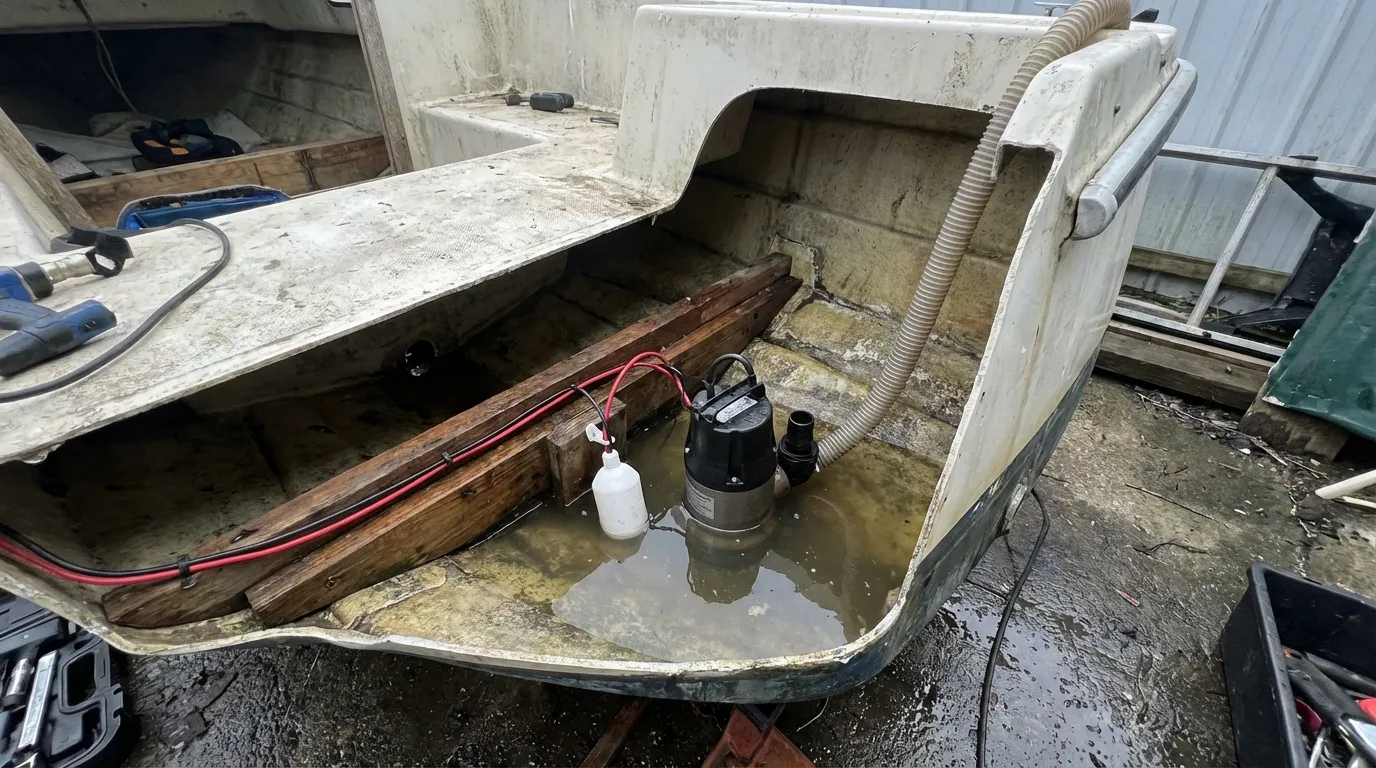
Redundancy matters more than many people realize in real conditions. Many safety groups suggest running two bilge pumps: one for everyday spray or small leaks, and another mounted higher for heavy rain or an active leak. That’s why more detail on setup and wiring is covered in the Submersible Bilge Pumps: Selection, Wiring & Safety Checks guide. Once you understand the layout, maintenance feels faster and more predictable, like catching a clogged intake before it shuts everything down.
Step-by-Step Bilge Pump Maintenance Checklist
What usually makes the biggest difference here is sticking to a routine. Doing a little bit regularly goes a long way, and the good news is you don’t need special tools or advanced skills. That’s part of why this task is so approachable. From my experience, testing about once a month, plus a quick check before longer trips, helps avoid problems like a failed pump or a stuck switch later. It’s straightforward, and it generally does the job.
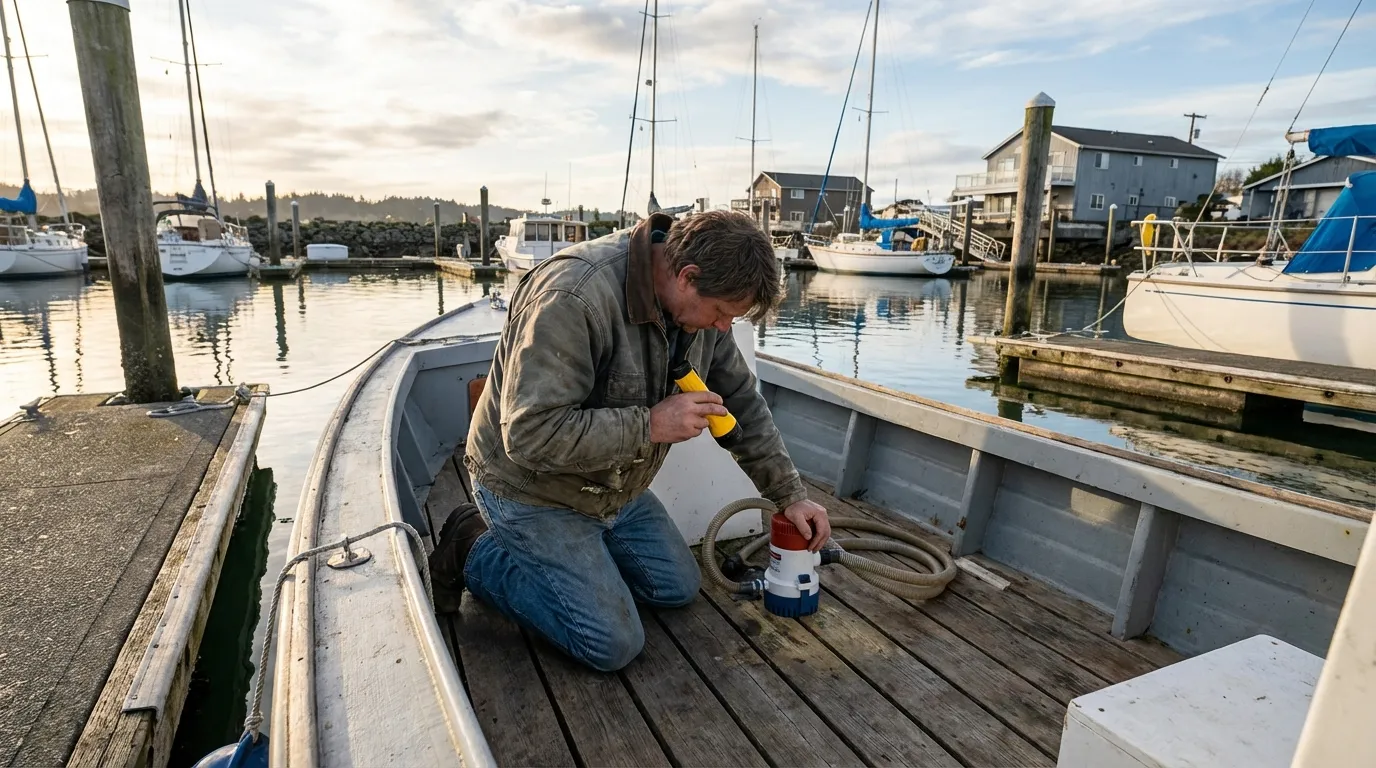
A good place to start is a visual check. Grab a flashlight and look for loose wires or corrosion on hoses. Move slowly and see if the pump is mounted securely in the bilge. It should stay in place even when the boat moves around, with no shifting or wobble. Next, clear out any debris. Leaves, fishing line, and built-up sludge can block the intake or cause float switches to stick, and this happens more often than most people think.
Don’t skip testing. Turn on the pump using the manual switch, then lift the float switch by hand and watch what happens. Make sure water flows out of the discharge fitting and not just a weak dribble, especially before heading out.
Test them daily to be sure they are working properly and check the hoses to confirm that water is being pumped outside the hull.
Sounds and water flow can tell you a lot. Grinding noises or less water usually point to wear. Most pumps last around five to ten years, though tough conditions can shorten that. Catching changes early really helps. If you want more detail on long-term reliability, there’s also an article on Bilge Pumps: Choosing and Maintaining the Right One for Boats that’s worth checking out.
Common Bilge Pump Mistakes That Lead to Failure
Most bilge pump problems start with good intentions. A common example is adding check valves to discharge hoses. On paper, they seem helpful at first. In real use, though, those valves often clog or slow the flow. That slowdown can quietly cut pumping power during heavy rain or an active leak at the dock, which is usually when full output matters most.
Wiring problems are another frequent issue and are easy to overlook. Marine environments are tough, and corrosion builds fast since salt is always around. Even a slightly weak or dirty connection can cause voltage drop and lower pump output. Marine‑grade wire and sealed connectors help, but the biggest improvement often comes from spending a few extra minutes checking connections during regular maintenance. It matters more than many people think.
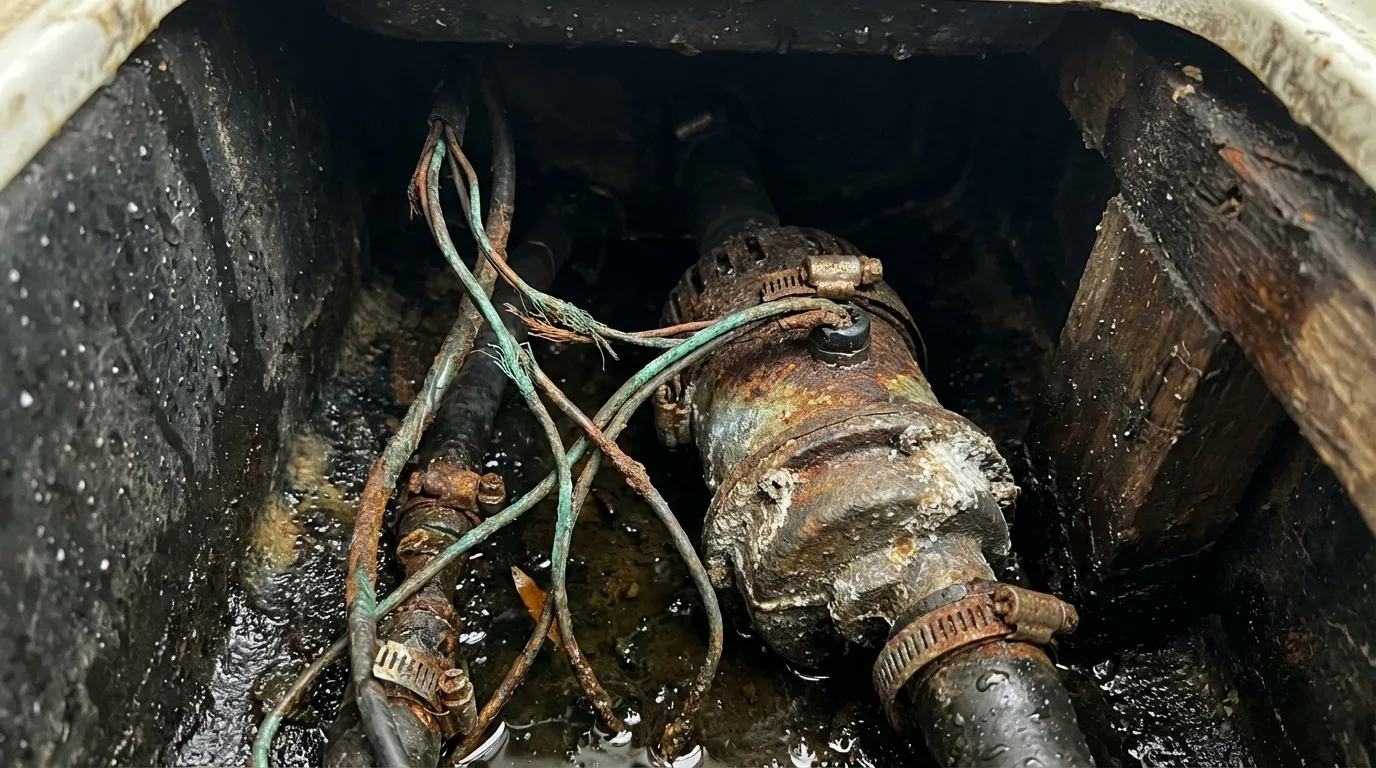
Some boaters also depend too much on automatic modes. Automatic bilge pumps handle everyday water most of the time, but switches can fail without warning, and they often do. Manual testing confirms the system still responds when you flip the switch. A separate article explains Automatic Bilge Pumps: Installation & Safety Tips 2025 in more detail.
Finally, slow leaks need attention. About half of dockside sinkings start with water coming in through failed hoses or fittings. Keeping the bilge clean and dry isn’t exciting, but it makes small leaks easier to notice early, before the pump is the only thing keeping the boat afloat.
Advanced Safety Upgrades and Future Trends for Bilge Pumps
Bilge pump technology keeps improving, and it generally moves in a clear direction. One helpful trend is the wider use of high-water alarms on many boats. They’re simple and not fancy, but they work well. When water rises above normal levels, these alarms give an early warning. That’s especially useful if the boat is left alone for a while. I think that kind of peace of mind often makes them worth a look.
Another upgrade that’s becoming more common is dual-pump systems with staggered activation points. In normal conditions, one pump handles everyday water buildup. The second pump stays off and only turns on if water rises higher than expected, acting as a backup. This setup can reduce wear on the main pump and adds extra protection during heavy rain.
Environmental awareness also shapes bilge management today. Even small amounts of oil can pollute large areas, so absorbent pads and regular engine maintenance help keep bilge water cleaner.
These upgrades apply to both small vessels and large boats. In my view, smaller boats often benefit the most, especially during long dock times or storage, when issues are easier to miss.
Tools and Supplies That Make Bilge Pump Maintenance Easier
Having the right supplies onboard usually cuts down the hassle, in my experience, and that often means fewer headaches when something needs fixing. A basic bilge maintenance kit usually includes gloves, a flashlight, spare fuses, and simple hand tools. A wet-dry vacuum is often very handy for routine checks because it can remove dirty water quickly when things start to look messy.
What’s easy to forget? Spare hose clamps and a backup float switch. Small items, often overlooked (I’ve done it too), but they don’t take up much room and can matter more than you’d expect. Replacing them early can help prevent larger problems later on.
Many boat owners keep maintenance dates in a log because it works. Writing down tests, replacements, and cleaning notes makes it easier to stay organized over time, with less second-guessing later.
Common Questions People Ask
How often should bilge pumps be tested?
Boats that get heavy use or stay in the water often need bilge pumps checked more often. Many experts recommend testing once a month, and always before any big trip, which makes sense to be safe.
Most bilge pumps usually last five to ten years, I think. In dirty or corrosive places like that, they often fail sooner if cleaning or routine checks are skipped, and it shows.
Can one bilge pump be enough for boat safety?
On small boats on board, one pump often does the job. Still, I prefer redundancy: two pumps give a backup if one fails or can’t handle incoming water, and that does happen at times.
What is the most common cause of bilge pump failure?
Most failures come from clogged intakes, corroded wiring, and bad float switches. These problems are pretty common and usually easy to avoid with basic maintenance, I think.
Automatic mode works well for everyday use most days, but I’ve found it’s worth testing by hand, systems can fail quietly, so a quick manual check can catch issues.
The Bottom Line for Safer Boating
Bilge pumps aren’t exciting, and that’s fine. What usually matters most is how they help out when something goes wrong on a boat. They keep water collected in the bilge instead of sloshing around the deck, and they often give you extra time during a leak or a stretch of heavy rain. That’s usually when stress climbs fast. Regular care makes them much more likely to do their job when it counts. Spending a few minutes each month, often while you’re already checking lines or fuel, can help prevent costly repairs and lower real safety risks.
Bilge pump checks don’t need to turn into a big task. A simple option is to work them into routines you already have. Cleaning the bilge helps prevent debris from building up. Testing switches once in a while matters too. And if you hear odd noises, that’s often a warning sign. Swapping out worn parts before they give out helps keep things steady and reliable for weekend boaters and working crews alike.
When it’s time to upgrade or replace parts, marine‑grade gear made for tough conditions usually lasts longer. In my view, a solid bilge system makes longer trips feel much less stressful. Worth it.
