


The latest electric trolling motors are doing much more than quietly moving a boat across the water. In 2026, the bigger story is control. GPS anchoring, autopilot routes, brushless power, better saltwater protection, and simple connections to sonar and chartplotters are now features anglers and boat owners expect and often rely on. That feels like a real change compared with just a few years ago.
It matters right now, too. More boaters are upgrading before the season starts, usually in late winter or early spring. Many are also looking for fishing tech that saves battery power, cuts noise, and helps them stay on fish with less effort, which is a clear advantage. In most cases, they want gear that makes long days on the water a little easier.
If you’re trying to sort through the best electric trolling motors of 2026, it can feel crowded fast. Garmin Force Kraken, Minn Kota Ultrex Quest, Lowrance Ghost, and a few other familiar names are getting the most attention. Each stands out for a different reason, whether that’s thrust, steering feel, integration, or durability.
This guide looks at what’s new, what usually matters most, and how to choose the right setup for your boat and the way you fish. The best pick depends on how and where you fish.
Why 2026 Feels Like a Turning Point for Electric Trolling Motors
This year does not feel like a small refresh. It feels more like a real step ahead in fishing tech. Marine and fishing publications keep pointing to the same upgrades: stronger GPS boat positioning, brushless motor designs, sonar-ready lower units, and better performance in both freshwater and saltwater. Because of that, buyers are not choosing only by thrust and shaft length anymore. More often now, they are buying into a full control system, and that is probably the bigger change.
One of the clearest shifts is how premium models now feel more like smart marine tools than basic add-ons. Garmin’s Force Kraken has earned strong praise in the saltwater market for its tough build and advanced boat control features. Minn Kota’s Ultrex Quest gets attention for keeping the familiar cable-steer feel many bass anglers love, while also adding brushless power and reinforced hardware, which usually matters over time. Lowrance Ghost is still part of the conversation because of its quiet performance, fast response, and clean integration for anglers already using Lowrance electronics.
| Model | Key Strength | Best Fit | Notable 2026 Trend |
|---|---|---|---|
| Garmin Force Kraken | Saltwater durability and GPS control | Bay, inshore, and larger boats | Integrated smart navigation and sonar compatibility |
| Minn Kota Ultrex Quest | Cable-steer feel with brushless power | Bass anglers and mixed-water users | Stronger mounts and advanced control features |
| Lowrance Ghost | Quiet freshwater performance | Tournament-style freshwater fishing | Fast response and electronics ecosystem integration |
A good trolling motor can help hold boat position, reduce fatigue, and make time on the water more efficient. In most cases, that means less time correcting drift, less strain from constant adjustments, and smoother boat control while you fish. For many anglers, that often ends up being more useful than adding another rod or bringing a bigger lure box.
The Standout Features Separating Top Electric Trolling Motors This Year
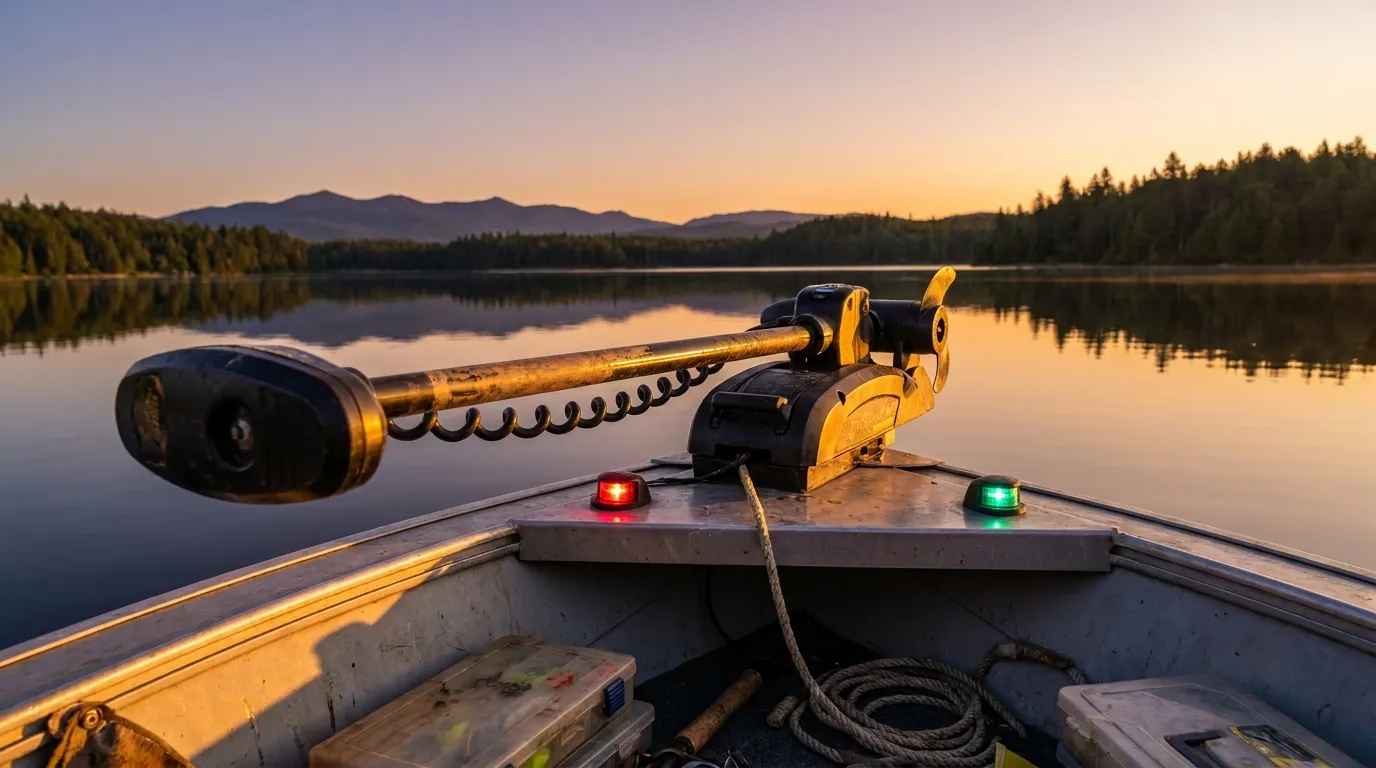
The best electric trolling motors of 2026 still share a few core features, but the smaller details are what really set one model apart from another. GPS anchoring is usually near the top of the list. One brand might call it anchor lock, while another uses a different name, but the basic job is the same. The motor keeps your boat in place without needing a physical anchor, which matters a lot when you’re fishing windy points, bridge edges, docks, or dealing with moving tidal current that can get frustrating fast.
Another big change this year is brushless motor technology. Brushless systems usually run more efficiently, create less wear over time, and still deliver strong torque. That means smoother power and better long-term durability. It also helps explain why models like the Minn Kota Ultrex Quest keep getting mentioned so often. They’re made for anglers who push their equipment hard and want more confidence from season to season, along with fewer problems when things go right.
Saltwater protection matters more than it used to. A lot of buyers want one motor that can handle rough conditions, corrosion risk, and long days on the water without feeling like a compromise. Publications focused on saltwater gear often point to strong shafts, corrosion-resistant components, and impact-ready mounts as main reasons to buy. For anglers fishing bays, flats, or other coastal water, those features are more than just nice extras.
Integration is another big part of the conversation. In 2026, a trolling motor should work smoothly with sonar, transducers, remotes, foot pedals, and chartplotters. Some anglers want lower units with built-in transducer options, while others care more about route planning, heading hold, or point-and-go control. The good news is that today’s top motors are finally bringing these features together in a way that feels smoother and easier to use on the water, which, in my view, was overdue.
If you want a closer look at where smart control is heading, we covered this in Trolling Motors 2026: GPS and Autopilot Innovations.
Garmin Force Kraken, Minn Kota Ultrex Quest, and Lowrance Ghost Compared
These three models keep coming up in the same conversation because they fit different kinds of boaters, which is usually why this comparison never really goes away.
Garmin Force Kraken is often the first name people mention when people talk about saltwater-ready electric trolling motors. It gets a lot of attention for its strong thrust options, the range of shaft lengths, and how well it works with Garmin electronics. It also includes advanced features like anchor lock, heading hold, route-focused control, and integrated transducer options. For anglers fishing bigger water, such as coastal bays or large open lakes, or for anyone who wants a premium smart setup, Kraken does a lot. That is probably a big reason it stays near the top of the discussion.
Minn Kota Ultrex Quest gets attention for a different reason. It mixes an old-school feel with a more modern design, and many anglers still want that cable-steer response underfoot because the difference is often easy to feel. Minn Kota keeps that familiar steering feel, then adds brushless performance, tougher construction, and newer control features. That makes it especially attractive to serious bass fishermen who do not want to give up direct steering response while moving into GPS features and automation. That mix is a big part of why it gets so much attention.
Lowrance Ghost remains a strong option for freshwater anglers who care about quiet running and an easy match with their electronics. It usually is not the first model mentioned for hard saltwater use, especially in rougher coastal conditions. Still, it has built a solid reputation among anglers who want stealth, quick response, and simple day-to-day use on bass boats and multi-species rigs. That simpler style is likely a big part of its appeal.
One common mistake is focusing only on the headline thrust number. That does matter, but it is only part of the picture. Shaft length, mount strength, steering type, voltage, battery draw, and compatibility with your current electronics setup all deserve a close look. A 36-volt system can be a great upgrade, though the battery setup and wiring need to support it safely, and that detail gets missed a lot. In many cases, it ends up mattering just as much as thrust.
How to Match the Right Electric Trolling Motor to Your Boat and Fishing Style
Buying the best model on paper doesn’t always mean it’s the right fit. A better place to start is where the boat gets used most, because that usually shapes what a trolling motor needs to handle. Freshwater lakes, rivers, shallow flats, and coastal inshore water all put different demands on the setup. When corrosion is a real concern, saltwater-ready materials and sealed components should move near the top of the list, especially in coastal inshore water and other salty conditions. And if the boat spends time around stump fields or shallow cover, mount strength and shaft durability deserve a closer look, since those details are easy to overlook until something gets hit hard.
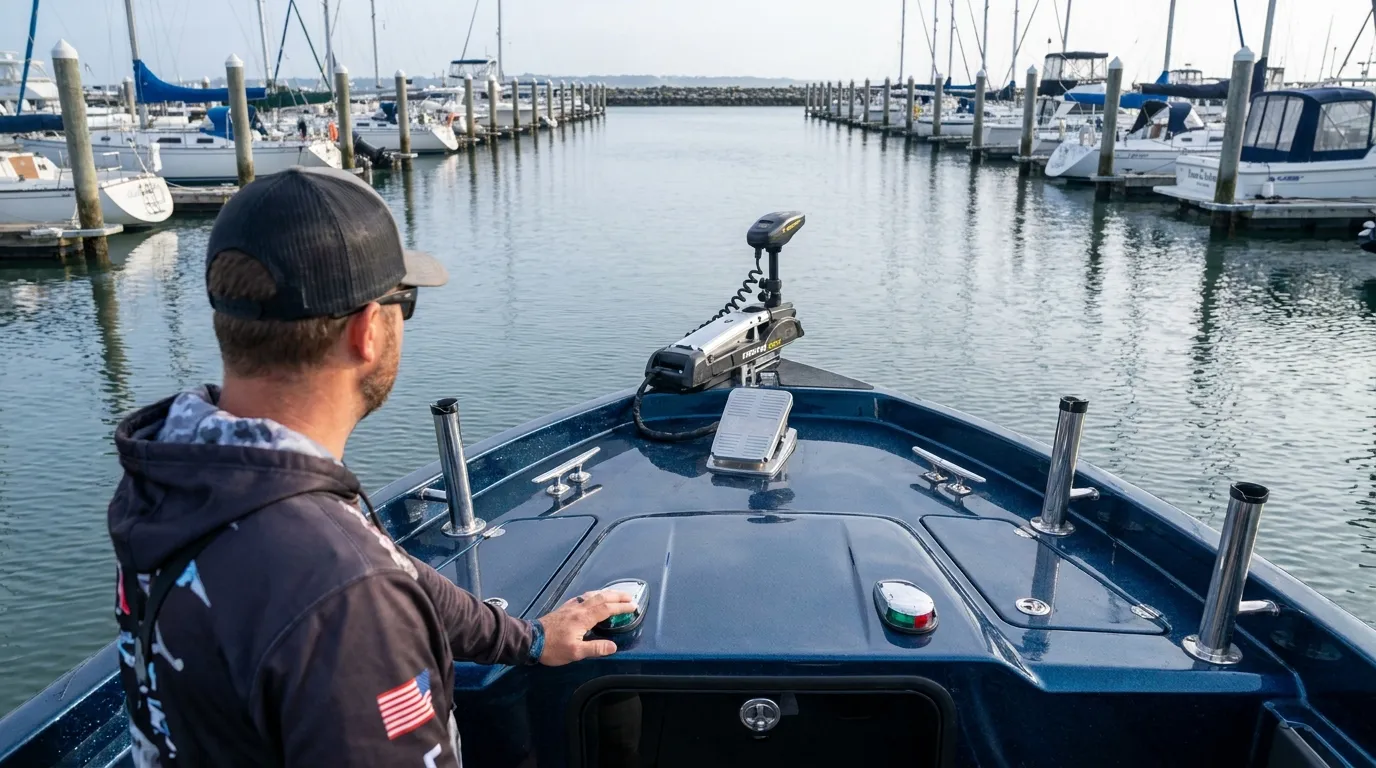
Steering style is the next thing to think about. Some anglers prefer a foot pedal because it feels direct and familiar, while others care more about remote control, and for some, autopilot matters a lot. It really depends on how they fish. Long days spent casting at shoreline targets often make cable-steer control feel more natural and easier to rely on over time. On the other hand, anglers who troll, scout, or move between spots a lot may get more use from advanced GPS features, especially when holding position or repeating a route becomes part of the routine.
Battery planning is also a big part of the 2026 conversation. Lithium battery adoption keeps growing because of weight savings, steady power delivery, and in many setups, faster charging. Still, not every boat owner is ready to replace the whole battery system at once, and that’s completely understandable. Before buying a new motor, it helps to make sure the charger, wiring, breakers, and battery trays are ready too. A lot of DIY installs run into trouble at that stage, probably more often than people expect, and it’s easy to miss.
If setup details would help, that’s covered in Electric Trolling Motors: Installation and Best Practices for 2026. It covers the practical side people often miss when they focus only on product specs, including charger compatibility, wiring limits, and install prep. That way, it helps them think past the numbers.
The Bigger Trends Shaping 2026 Innovations
The biggest 2026 innovations are mostly about reducing friction on the water, which is usually what most anglers want anyway. Better GPS anchoring means less time dealing with wind or making constant corrections at the bow or along a shoreline. Brushless designs also mean less concern about wear while still giving smoother power. Cleaner and simpler in ways that are easy to notice.
Sonar and transducer integration helps cut down clutter on the bow too, and that often makes the whole setup feel less chaotic. Lithium batteries can also reduce total system weight across many setups. Put together, those changes make a day of fishing feel easier. There is less time spent adjusting the boat and more time presenting a bait the right way. That tends to be a pretty clear shift.
For commercial users, guides, and serious multi-day anglers, this also improves efficiency and reliability. Recreational boaters usually notice it quickly too, especially when moving up from an older motor that does not have modern control features. In many cases, that kind of upgrade feels pretty dramatic.
There is also a growing expectation that trolling motors should connect with a wider onboard system instead of just working alone. They are now part of marine electrical planning, battery care, and electronics layout. That helps explain why boat owners turn to parts and maintenance-focused retailers like First Choice Marine when researching upgrades, not just for the motor but for related rigging and upkeep too.
Buying a trolling motor often brings up questions about batteries, wiring, chargers, sealants, and safe installation. For another angle on where the market is heading, this was covered here: 2026 Trends in Smart Trolling Motors: What You Need to Know. It helps explain the broader smart-boat shift behind these products.
Smart Buying Tips Before You Upgrade
Before buying, measure the boat carefully. Shaft length mistakes still happen more often than expected, and choosing the wrong one can make the boat much harder to control in wind or waves, which gets frustrating fast. It also helps to check the bow layout early. Some mounts need extra room, especially on boats that already have fish finders, brackets, and other gear crowded at the front.
It’s also worth checking the full electrical system before the new motor arrives. The motor voltage needs to match the battery setup, and the wire gauge and breaker size should be correct too. That may sound minor, but it often makes a real difference. If the upgrade means moving to a more powerful model, battery age and charger compatibility are both worth checking ahead of time. A premium trolling motor usually won’t work the way it should if the system behind it is weak.
Price on day one is only part of the story, so service life matters too. A cheaper motor can end up costing more over time if it drains batteries faster, has weaker corrosion resistance, or doesn’t work well with existing electronics. In that case, the savings only last a short time. The best value often comes from choosing the right tool the first time and keeping up with maintenance.
And then there’s the honest part: how the boat is really used. If advanced routes or chart integration rarely matter, every premium feature probably isn’t needed. But for anglers who fish often, deal with wind, or want precise position control, the latest electric trolling motors can make a real difference in holding a spot and making better use of time on the water.
Frequently Asked Questions
What is the best electric trolling motor in 2026?
There is no single best model for every boater. Garmin Force Kraken is a top choice for saltwater and smart integration, Minn Kota Ultrex Quest is a favorite for cable-steer feel and brushless power, and Lowrance Ghost remains strong for quiet freshwater performance.
Are brushless trolling motors worth the extra cost?
For many anglers, yes. Brushless motors can offer smoother power, strong torque, and better long-term efficiency. They are especially worth a look if you fish often, run long days, or want a more durable setup.
Do I need GPS anchoring on a trolling motor?
If you fish windy areas, current, docks, ledges, or precise offshore spots, GPS anchoring is a major upgrade. It helps hold your boat in place with less effort, which can improve both comfort and fishing accuracy.
Can I use one trolling motor in both freshwater and saltwater?
You can, but only if the motor is built for that kind of use. Saltwater-ready models have better corrosion protection and tougher materials. If you fish coastal water often, choose a motor specifically designed for it.
What else should I buy with a new electric trolling motor?
Many boaters also need batteries, breakers, wiring, chargers, and mounting hardware. A parts-focused retailer like First Choice Marine can be helpful when you are trying to match the motor with the rest of your electrical and rigging setup.
Where can I learn more before choosing a model?
Start by comparing your fishing style, boat size, and electronics needs. You can also use educational resources from First Choice Marine and related trolling motor guides such as Top Electric Trolling Motors for 2026: Performance and Reviews to narrow down the right fit before you spend money.
The Bottom Line for Boaters and Anglers
The best electric trolling motors of 2026 are coming with more power, but that is only part of the story. They’re also smarter, quieter, and better connected to the rest of your boat, which most buyers will notice pretty fast on the water. That’s a big reason this category matters so much right now. Features that used to feel premium or optional, like GPS anchoring, autopilot-style control, brushless efficiency, and sonar integration, are now becoming the kind of standard many buyers expect.
For a lot of anglers, the decision really comes down to fit. Garmin Force Kraken stands out for saltwater-ready smart control, especially for people who spend a lot of time in coastal water. Minn Kota Ultrex Quest keeps that familiar steering feel while adding new power. Lowrance Ghost still makes sense for anglers who want quiet operation and smooth freshwater performance. The right choice often depends on your boat, your batteries, your electronics, and the water you fish most often.
Before buying, it helps to spend a little extra time. Measure carefully, match the motor to your electrical system, and think about how you actually fish day to day, not just how you hope to fish on a perfect weekend. Done right, one of these newer trolling motors can be one of the most useful upgrades for your boat this season, especially for better boat control, quieter movement, and easier positioning on the water.
