


Smart trolling motors are changing how people fish, get around, and manage power on the water. In 2026, they do more than provide quiet thrust. These systems are part of a bigger shift in boating tech, connecting motors, batteries, GPS, fish finders, and mobile apps in one setup that usually feels smoother and easier to use. For weekend anglers, that often means less guesswork and more time with a line in the water. Commercial users and serious boat owners also get better control, improved efficiency, and fewer lost hours on the water.
The big question is still pretty simple: which new features actually matter, and which ones are just extras? That’s where a lot of buyers get stuck. A motor might look great on paper and still be the wrong fit for your boat, battery bank, or the way you fish. That happens a lot. This guide covers the key 2026 trends in smart trolling motors, how these systems work in real-world use, the maintenance habits that help protect your investment, and what to watch for before you buy. For practical advice and dependable parts support, resources from First Choice Marine can help compare options and keep a setup running well.
Smarter Control Is Now the Standard for Smart Trolling Motors
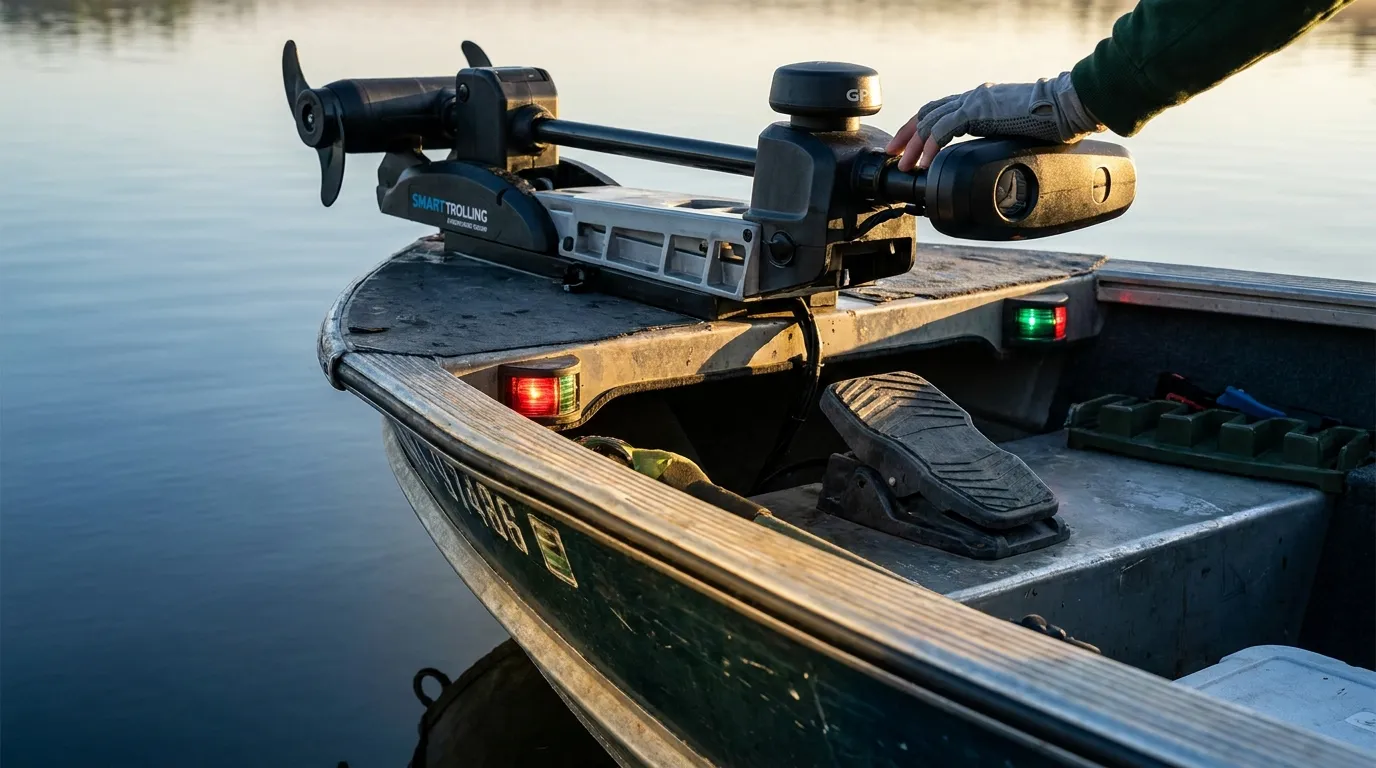
One of the biggest 2026 trends is smart control features moving beyond premium models and into the mainstream. Many smart trolling motors now come with GPS anchor lock, route memory, spot hold, autopilot paths, drift control, and wireless steering as standard equipment. That is a big change, and it probably should have happened sooner. It matters because boaters now expect more than basic forward movement. They want a system that helps them stay on fish, keep a line in the wind, and repeat productive drifts in the same area with less effort.
These features also fit into a bigger shift in boating technology. Industry reports from the last two years show steady growth in marine electronics, especially connected systems that bring navigation, propulsion, and power management together. Battery-powered propulsion is growing too, since more anglers want quieter operation and lower fuel use for positioning and low-speed movement. That usually feels like a practical upgrade, especially for people who fish a lot.
| 2026 Smart Feature | Why It Matters | Best Fit |
|---|---|---|
| GPS anchor lock | Keeps the boat in place without manual correction | Fishing in wind or current |
| Route memory | Repeats trolling paths and drifts | Lakes, flats, and guide work |
| App control | Adjusts speed and steering from a phone | Solo anglers and small crews |
| Network integration | Links with sonar and chartplotters | Tech-heavy fishing rigs |
In simple terms, these systems help cut down fatigue. Instead of making constant foot pedal corrections, you can let the motor hold position or follow a line while you focus on casting, netting, or maybe checking electronics. It is less work, and in most cases that means you can stay focused longer. For a wider look at connected upgrades across the deck, we covered that here: 2026’s Smartest Boating Trends: Rigging Your Boat for the Future.
Better Battery Management Is Driving Real Performance in Smart Trolling Motors
In 2026, battery management is likely one of the biggest reasons behind trolling motor performance. A smart motor is usually only as good as the power setup behind it, and that matters a lot here.
A lot of boat owners still focus on thrust first, but the bigger difference often comes from how well the motor, charger, wiring, and battery bank work together. That’s even more true now as more setups move to lithium batteries. They weigh less, charge faster, and keep voltage steadier, which can make a noticeable difference on the water.
Here’s the practical upgrade path many boaters follow, in my view:
1. Match voltage and thrust to the boat
For a light jon boat, a 12-volt motor is often enough, and that’s usually fine. Bigger bass boats and work boats will likely need 24- or 36-volt systems for steady control all day. It’s really about making sure the boat and motor work well together.
2. Check wire size and connections
Even a great motor can lose performance from poor wiring or loose, corroded terminals, it happens. Voltage drop can also make a smart system feel weak and sometimes a bit inconsistent too.
3. Use a charger made for your battery type
Lithium and AGM batteries need different charging profiles, which is pretty simple. Using the wrong charger can shorten your battery’s life, so matching the charger to the battery type matters.
4. Watch runtime, not just top speed
Most people care less about full-power speed and more about how long the motor can really hold position in the wind, which is usually the real test when you’re out on the water.
This is one area where boating tech keeps improving. New displays and app dashboards can show battery state, amp draw, and estimated runtime in real time, which is really handy. That usually makes it easier to plan a full day on the water instead of just guessing, and often you’ll know sooner if your setup will not last. If you’re building or updating a setup, we covered Electric Trolling Motors: Installation and Best Practices for 2026 here.
Integration With Sonar and Navigation Is a Big Deal for Smart Trolling Motors
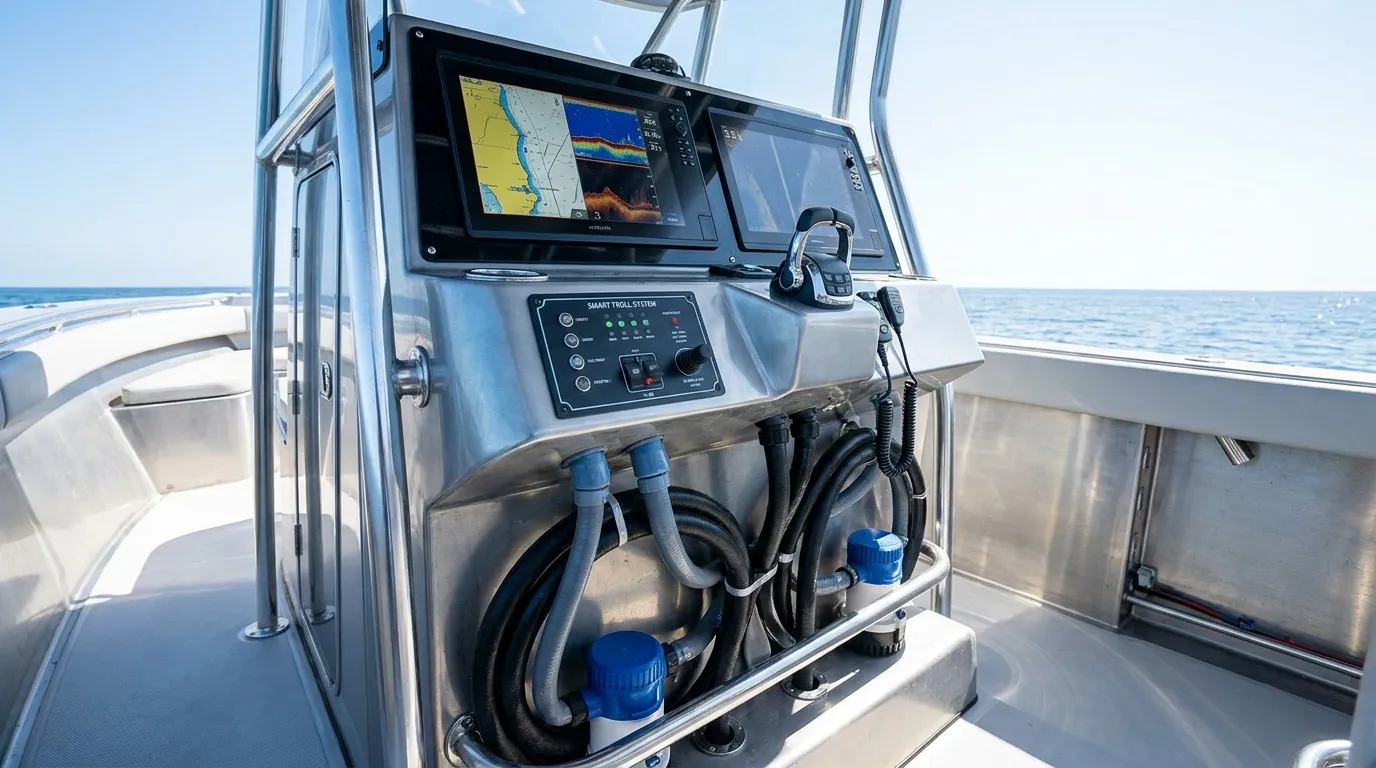
Another big trend is closer integration between smart trolling motors and onboard electronics. In the past, the motor, fish finder, and chartplotter often felt like separate tools. In 2026, they work together much more like one system. That connected setup can help save waypoints, follow contours on the map, retrace a trolling pass, or stay on structure with fewer manual steps, which is honestly a big help.
For fishing hobbyists, that means better boat control around brush piles, weed edges, drop-offs, and docks. For commercial users or guides, it can mean routes that are easier to repeat and better use of time. It is useful day to day, and it can also help with safety. When electronics work together, boaters usually spend less time looking down at screens and make fewer rushed steering moves. That feels like one of the more practical upgrades, not just a nice extra.
A simple example is a walleye angler on a windy reservoir. With integrated mapping and motor guidance, the boat can stay on a breakline more smoothly than someone making constant hand corrections. A bass angler can also hold off a point while working a school on forward-facing sonar, and yeah, that can matter a lot in wind. Those are real improvements, not just flashy features.
There are still some common mistakes, though. Some boaters buy the newest smart trolling motors without checking whether their current sonar unit, transducer mount, and network cables will work with them. Others skip software updates and then wonder why features lag or disconnect. Before buying, confirm brand compatibility. You will also want to check update schedules. And what about mounting space on the bow? In most cases, doing a little checking first will probably save a lot of hassle later.
We covered this here: Trolling Motors: Garmin’s New Update Boosts RPM by 25% shows how software updates can now affect real-world output and control.
Quiet Efficiency and Eco-Friendly Design Matter More
Smart trolling motors are also moving toward cleaner, more efficient operation, which is a big plus for eco-minded boaters and probably easier on the wallet too. That usually matters most to anyone tired of wasted battery power, extra noise, and unnecessary wear. With better prop design, improved motor-control software, and smarter power use, newer units can often run longer with fewer headaches.
That shift also works with broader sustainable boating practices. When electric propulsion handles low-speed maneuvering, it can cut fuel use from the main engine while fishing or holding position. In shallow water, it may also lower noise, which often makes a noticeable difference in clear coves and flats. Many anglers believe that matters in clear or heavily pressured fisheries. For marinas, guides, and service operators, quiet low-speed control can also improve the onboard experience by making conversations easier and keeping engine noise lower.
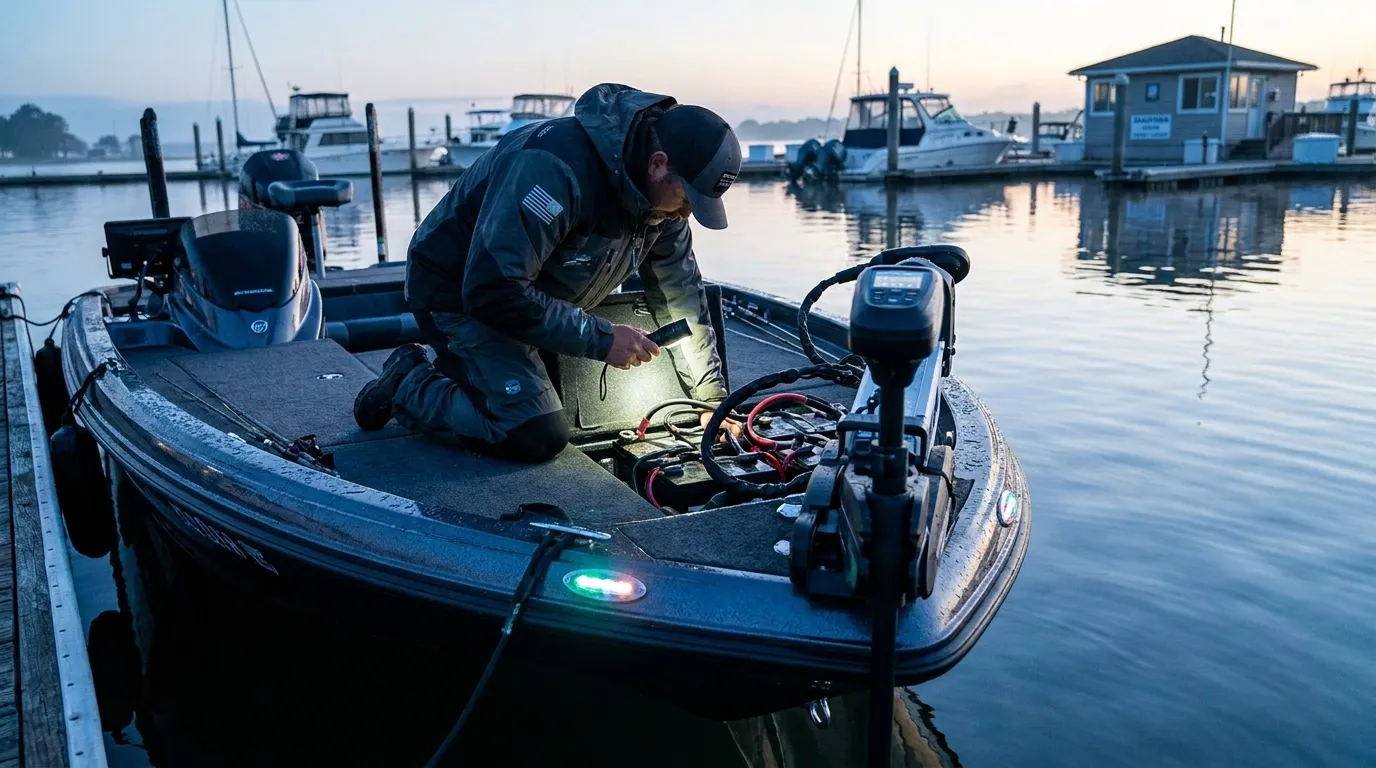
Maintenance is another real benefit, and a practical one. Many newer systems come with sealed components, better corrosion resistance, and stronger diagnostics. Still, they need care, and surprise failures may happen less often when that care is consistent. After saltwater use, rinse the motor, inspect props for fishing line, protect electrical connections, and store batteries properly during the off-season.
What Buyers Should Check Before Upgrading Smart Trolling Motors
The best smart trolling motors are not always the most expensive ones. Most of the time, the right choice is the model that fits your boat, the water you fish, and how you actually use it every day. Before you upgrade, it helps to focus on fit and support first. That often matters more than people think.
Shaft length is a good place to begin. If the shaft is too short, a smart motor may not stay planted well in rough water. If it is too long, it can cause problems with your trailer or storage setup. It also makes sense to check the mounting style and how much deck space you have. Bow layout matters a lot, especially when fish finders, lights, anchor gear, or other equipment are already up front. That area usually fills up fast.
It is also smart to check the basic service items. Ask yourself:
- Is the prop easy to remove when you need to check for fishing line?
- Can you reach the mount bolts and wiring without taking apart half the bow?
- Does your charger support the battery chemistry you want to use?
- Do you know how to winterize the battery and electrical system?
People skip these questions all the time, but they can save money later. A smart buying decision should also include access to parts. Props, mounts, breakers, connectors, and replacement controls should be easy to find. That matters a lot for DIY marine maintenance enthusiasts, who often like to fix small problems before they turn into expensive repairs.
Frequently Asked Questions
Are smart trolling motors worth it for casual anglers?
Yes, many casual anglers benefit from them. Features like spot lock, simple steering, and battery monitoring can make a short trip easier and less stressful. You do not have to be a tournament angler to enjoy better boat control.
Do smart trolling motors use more battery power?
Not always. Some smart features can actually improve efficiency because the motor makes smaller, more precise adjustments. Runtime still depends on boat size, wind, current, battery condition, and how the system is set up.
Can I install a smart trolling motor myself?
Many DIY boat owners can handle the install if they understand wiring, mounting, and battery safety. The key is matching voltage, breaker size, wire gauge, and shaft length correctly. If your setup includes networked electronics, planning takes extra care.
What is the biggest maintenance issue with these motors?
Battery and electrical care are the most common weak points. Corroded terminals, poor charging habits, and damaged wiring often cause more trouble than the motor itself. Regular inspection goes a long way.
How do I choose between 24-volt and 36-volt systems?
Think about boat size, typical wind conditions, and how long you fish in a day. A 24-volt system works well for many mid-size boats, while 36-volt systems give stronger thrust and longer runtime for larger or heavier rigs. It is better to size for real conditions than for calm-day use only.
The Bottom Line for 2026 Boaters
For 2026, the main takeaway is pretty clear: smart trolling motors are starting to feel like a real part of modern boating tech, not just an extra feature. With better GPS control, closer electronics integration, improved battery efficiency, and cleaner electric performance, boats are often easier to handle and more efficient on the water, which matters quite a bit. That’s especially good news for recreational anglers, guides, commercial operators, and hands-on boat owners.
If you’re shopping this year, start with what you actually need. Measure your boat, check your battery system and wiring, and make sure your electronics can work together without problems. And don’t just focus on thrust numbers. It also helps to look at service access, software support, and long-term maintenance, because those details often decide whether a setup feels great after one season or still works well years later, and that usually matters more than people expect.
Buyers now have more good options than ever. Take some time, compare the features that really help on the water, and put together a system that fits the way you boat and fish. When the motor, batteries, and electronics work well together, every trip gets easier, so there’s usually less time spent fixing issues and more time actually fishing, which is the whole point.
