


If you own a boat, you’ve probably heard plenty of warnings about ethanol fuel, and you may have dealt with the problems yourself. Hard starts. Rough idling that shows up without warning. Engines stalling after the boat has been sitting. Fuel smells that just don’t seem right. These issues affect weekend anglers and full-time captains alike, which is why they’re so frustrating. Put simply, ethanol has changed how marine engines behave, and often not in a good way. It can feel unfair, especially when you’ve done nothing wrong. Knowing how fuel additives can help or prevent these issues makes a big difference.
This guide is useful because it keeps things clear and direct, without fluff or sales talk. Instead of dancing around the topic, it explains how ethanol causes trouble, how to catch problems early, and how to protect your engine over time. It breaks down which fuel additives actually help and which ones usually fall short. Some work in certain cases, others rarely do. Storage habits, filters, hoses, and everyday routines are covered too, since small details often lead to bigger problems. Over time, this kind of care usually saves money and stress.
Whether you run a small fishing boat or a working vessel, the goal is confidence, not overload, so your focus stays on the water instead of the worries.
Why Ethanol Boat Fuel Causes So Many Problems
Ethanol-blended fuel acts very differently on the water than it does in cars, and that often catches people by surprise. It’s not obvious at first. Boats sit in damp air and often don’t get used for weeks, sometimes even months. In those conditions, ethanol fuel can turn into a bit of a gamble. Ethanol pulls moisture straight out of the air, and that water slowly builds up inside the tank instead of going anywhere useful. It’s a quiet issue that’s easy to miss early on, and it usually grows over time instead of showing up all at once.
Once enough water collects, phase separation can happen. The ethanol and water drop out of the gasoline and settle at the bottom of the tank. When that happens, the engine may start pulling in a weak fuel mix. That often leads to stalling or corrosion, and the burn inside the engine just isn’t clean. Honestly, it’s frustrating, especially when you’re ready to head out on the water. Problems like this tend to keep coming back with ethanol boat fuel.
Marine repair shops see this all the time. Industry surveys show reports of ethanol-related damage going up over the last decade, so this isn’t a rare edge case.
| Issue | Reported Impact | Timeframe |
|---|---|---|
| Ethanol-related fuel damage | 92% of marine professionals affected | 2023-2024 |
| Phase separation events | Common after storage | Seasonal |
| Rubber component breakdown | Visible in weeks to months | Short-term |
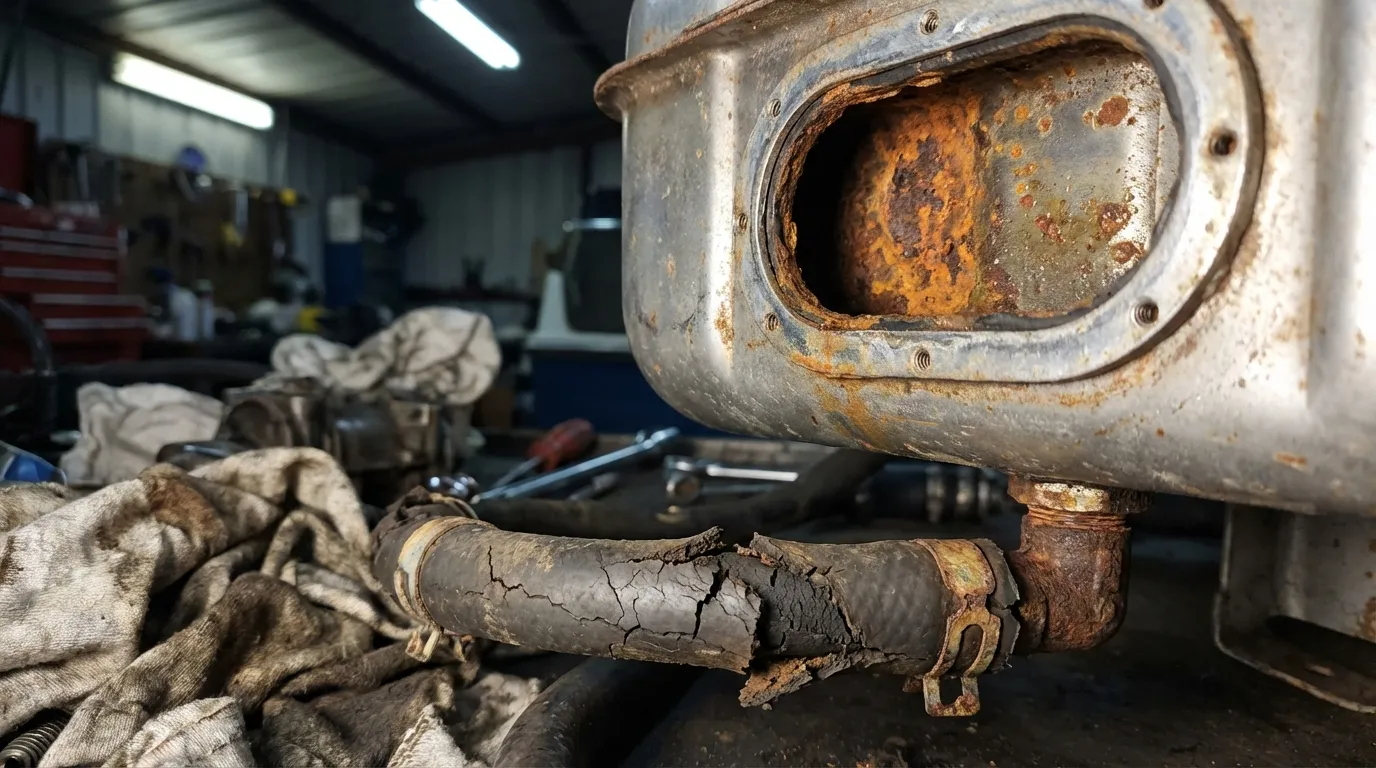
Ethanol can also damage older fuel system materials. Fuel hoses and seals made before modern ethanol ratings may soften, crack, or break down into small pieces. Gaskets are another common weak spot. Those fragments can clog carbs or injectors and cause even more headaches. Aluminum tanks face a higher risk of corrosion once water mixes with ethanol, which adds another layer of trouble.
How to Diagnose Ethanol Fuel Problems Early
Catching ethanol-related damage early can save thousands in repair bills, which is usually enough reason to pay attention. These problems build slowly, so they’re easy to brush off as “small stuff” at first. It helps to watch how the engine acts before storage and then again after it’s been sitting unused, since that’s often when small changes become noticeable.
During normal use, a few signs tend to show up if someone is watching closely. Longer cranking before the engine starts, a rough idle, or weaker power when the throttle is pushed can all point in the same direction, annoying, but worth taking seriously. Fuel filters clogging sooner than expected are another clear hint. Then there’s the sharp, sour, varnish-like fuel smell. In many cases, that odor points to oxidation or microbial growth starting inside the system, not just “old gas.”
A helpful way to start is by slowing down and checking the basics. Fuel lines are a good place to begin. When the primer bulb is squeezed, softness, swelling, or cracks often show up right away. Early clues often appear in the fuel filter bowl too, especially water or debris. If possible, draining a small fuel sample and watching for separation can tell you a lot.
Finding the cause gets easier with a loose step-by-step approach:
- Checking the fuel filter and water separator often catches problems early
- Hoses and clamps, especially near bends, tend to show leaks or soft spots first
- Corrosion on fittings or tank connections usually points to longer-term exposure
- Engine behavior after sitting more than two weeks often says more than a quick test run
When the same problems keep coming back, the tank itself is often part of the issue. That’s when deeper fuel care matters, like the process outlined in the guide on boat fuel tank cleaning best practices, especially for tanks that sat through a full off-season.
What Fuel Additives Actually Do and What They Cannot Fix
Fuel additives can help a lot when they’re used the right way. That usually means starting early and using them regularly, not treating them like a last-minute rescue. Many boaters expect an additive to fix bad fuel, and that often leads to frustration. That mix-up comes from assuming additives can undo damage. Most of the time, they work to prevent problems before they start, not to reverse issues that are already happening. It’s an easy mistake to make.
Where additives shine is slowing problems down. Marine fuel stabilizers reduce oxidation so fuel stays usable longer, especially during storage, when trouble can quietly build. Corrosion inhibitors and biocides cover different risks at the same time by protecting metal parts and limiting microbial growth when water gets into the fuel system. This kind of contamination happens more often than people realize and usually without clear warning signs.
There are clear limits, though. Additives can’t fix fuel after phase separation, and they won’t repair hoses or tanks that are breaking down. When rubber parts start to fail, replacement is usually the only safe choice, even if it’s a hassle. There’s no real workaround for that.
Engine manufacturers know ethanol causes problems and are working on solutions, but that takes time and careful testing.
This engine platform has shown great promise when burning alternative fuels and, during testing, we even managed to expand the ethanol fuel-share compared with methanol. In general, the past few years have seen steadily growing interest in ethanol from the market.
For most boats already on the water, prevention still matters most. A smart move is choosing additives clearly labeled for marine engines and ethanol-blended fuel. Paying attention to dosage at every fill-up, not just before storage, also helps. Staying consistent often makes more difference than people expect over a full season.
Prevention Habits That Protect Your Fuel System Long Term
What usually protects a fuel system over time isn’t a miracle product, but steady habits. One that often pays off is keeping the fuel tank as full as possible during storage, especially when the boat sits for longer stretches. With less air in the tank, there’s usually less moisture pulled in by ethanol. That can limit corrosion and phase separation before they start causing trouble. It’s not exciting, but it works.
Water‑separating fuel filters are another clear must‑have, with very little debate. They work best when checked often and replaced on schedule. Waiting until the engine runs rough is rarely a good idea. By then, damage is often already in progress. Filters stay affordable, while injector or carb repairs do not.
Fresh fuel matters too in most cases. Ethanol breaks down faster than older blends. If a boat sits longer than about 30 days, treating the fuel early helps. For seasonal storage, treatment only works if the engine runs long enough to move it through the entire system.
It also helps to look beyond fuel alone. Electrical corrosion and weak grounds often make ethanol problems worse over time and can speed everything up. That overlap is covered in the complete guide to marine electrical system maintenance, since these issues often show up together, like a stored boat coming back with clogged filters and a hard start.
Additive Strategies for Storage and Heavy Use Boats
Boats don’t all live the same kind of life, and you’ve likely seen that firsthand. A weekend fishing rig usually needs something very different from a charter boat or a true workhorse. Loads change. Hours add up in different ways. In my view, it often makes sense to match an additive plan to how often, and how hard, the boat really runs, instead of treating every setup the same.
With light-use boats, stabilizer at every fill usually matters more than people think, mostly because fuel can sit at the dock for weeks. Short trips and long breaks are common. Before longer storage, adding corrosion and water protection together is often the easiest step, especially in areas where moisture tends to show up.
Heavy-use boats are a different case. Filtration and routine checks often need more attention. Additives still matter, but clean, steady fuel flow is what usually keeps engines running well over time. Filters are best changed more often than the bare minimum, and carrying spare sets onboard helps keep downtime short.
Market trends point to growing demand for marine-grade additives as ethanol-free fuel gets harder to find. Even with better formulas, daily habits still shape results. For more on current developments, explore Fuel Additives Market Surge: 2025 Trends & Boater Insights.
We keep a close eye on the market and see some uncertainty among our customers regarding which fuel strategy they should pursue. In response, Everllence has pioneered many fuel-flexible solutions with ethanol on the 21/31 platform just the latest.
Modern engines can adapt, but older fleets often need extra care. A layered approach, good fuel, proper additives, clean tanks, and regular inspections, is usually what saves money later.
Common Questions People Ask
Often, yes, when you can find it, which isn’t always easy. Ethanol-free fuel usually cuts moisture pickup and makes storage simpler. With the right additives and basic care, ethanol blends still work fine for most boats.
Can fuel additives fix phase-separated fuel?
Usually, phase separation means the fuel needs to be removed. Additives can help prevent issues, but they don’t fix it and often can’t reverse the problem.
How often should I replace fuel hoses with ethanol fuel?
You’ll want to check hoses each season, since it’s easy to forget. A simple option is to replace any hose not rated for ethanol, or if you see softness or cracks, ethanol can break down hoses, and it often happens quietly.
Do I need a marine-specific fuel stabilizer?
Yes. Marine stabilizers handle humidity and long storage better for (boats) and often add corrosion protection; car options usually don’t work as well in wet conditions.
Is E15 safe for boat engines?
Most marine engines aren’t approved for E15. It can cause serious damage, so following the manufacturer’s fuel guidelines is usually the safer choice for real-world use.
The Bottom Line for Safer, Cleaner Fuel Systems
Ethanol fuel problems on boats are real, and they often catch people by surprise, usually after a few calm weeks. These issues usually build up slowly, especially when conditions aren’t great. When you understand what ethanol does inside a fuel system over time, most problems can be avoided. Knowing the basics often helps you spot trouble sooner, which usually keeps small issues from turning into expensive repairs. That stuff adds up, in my opinion. Additives can help, but they work best when used with regular checks, moisture control, and fresh fuel, not when they’re poured in once and then ignored.
So what really makes a difference? Simple habits you can keep up with. Keeping fuel fresh and controlling moisture often go a long way. A useful step is checking hoses and filters often, even the spots that are easy to overlook. Additives usually work best when used early and on a steady schedule. If something feels off, take care of it right away.
First Choice Marine supports boaters who want steady performance at the dock and fewer surprises once they’re underway. Plain and simple. From my view, hands-on know-how paired with the right products helps keep fuel systems clean and safe on every trip.
