


A boat engine can run strong for years, but only if it stays cool. That’s why engine cooling systems need more attention than they get. Many overheating problems don’t begin with one major part failing all at once. They start small. A clogged strainer, a worn impeller, old coolant, or even a hose clamp that slowly loosened over time can start the trouble. Ignore those warning signs, and a good day on the water can quickly turn into a tow back to the dock.
For weekend boaters and commercial crews, cooling system care comes down to reliability, safety, and cost control. Some service sources estimate that nearly 40% of catastrophic marine engine failures are linked to overheating, and that better maintenance may prevent up to 75% of them. Those numbers deserve caution. Still, the main point is clear. Simple upkeep makes a real difference, especially before a small issue turns into major engine damage.
This guide explains how engine cooling systems work in real-world terms, what to inspect before and during the season, how saltwater changes the maintenance plan, and which warning signs mean you need to stop and check the engine right away. It also covers where a routine engine flush helps, where it doesn’t, and how to build a simple care routine that fits your boat and the way you use it.
Know Which Cooling System Your Boat Uses
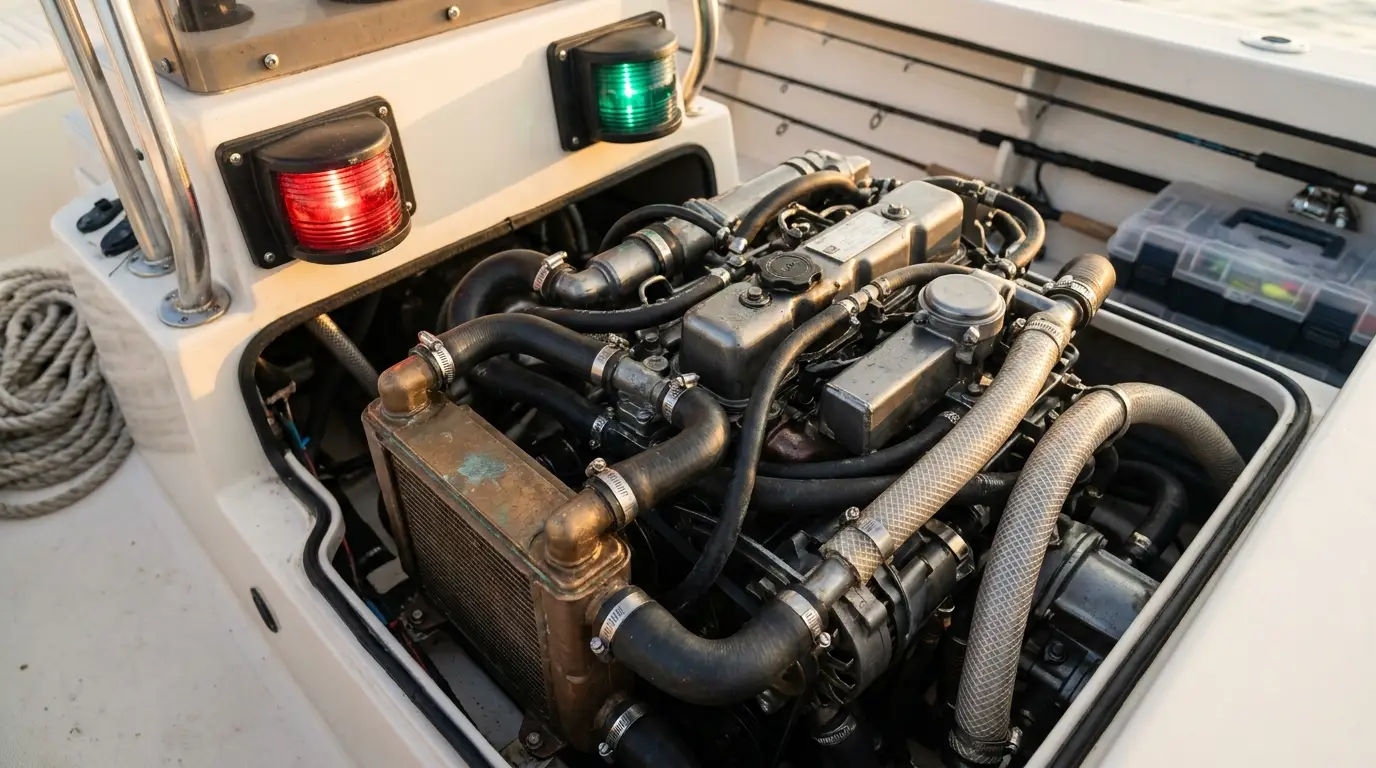
To care for an engine cooling system the right way, first figure out which type is on the boat. Most boats use one of two setups: raw-water cooling or closed cooling. In a raw-water system, outside water comes in through the intake, moves through the engine, and then goes back out. Simple enough. A closed system keeps coolant inside the engine and moves heat through a heat exchanger, while raw water stays mostly on the seawater side.
Recent service guidance shows that closed cooling systems are more common on newer marine diesels because they reduce internal corrosion, cut scale buildup, and help keep engine temperature more consistent. Raw-water systems aren’t bad, though. They just need a bit more attention, especially when the boat runs in saltwater.
| Cooling item | Typical service interval | Best-use note |
|---|---|---|
| Raw-water impeller | 1-2 years | Replace sooner with heavy use |
| Heat exchanger or seawater-side cooler cleaning | About every 2 years | Often needed sooner in saltwater |
| Coolant flush on closed systems | About 2 years or 500 hours | Follow engine maker guidance first |
Those service ranges are broad, but they give boat owners a good place to start. If the system type isn’t obvious, check the engine manual, look for a heat exchanger, and trace the hoses through the setup. Spending a little time learning the layout now makes troubleshooting a lot easier later, especially when something suddenly starts acting up.
If higher temperatures are already showing up underway, this guide on diagnosing overheating at idle or cruise can help narrow down the cause.
Build a Simple Inspection Routine Before Problems Start
The best maintenance habit is simple. It just needs to happen on a regular basis. Before every trip, do a quick cooling system check. Look over the raw-water intake area, the strainer bowl, hoses, hose clamps, belt condition if your setup uses one, and the coolant level in closed systems. Check for salt crust, green staining, rust marks, or small drips too. Little clues can show where trouble is starting.
Set a regular schedule for a deeper inspection too. Pull the impeller and inspect it closely. Plenty of boat owners wait until it fails, and that’s risky. Marine maintenance sources commonly recommend inspection and replacement every 1 to 2 years, depending on use. Replace the impeller if the vanes are cracked, stiff, missing pieces, or permanently bent. If bits are missing, keep going. Track those pieces down in the cooling passages before they turn into a blockage farther downstream.
Clean the raw-water strainer regularly. A simple strainer clog can make the engine start running hot. Leaves, grass, shells, plastic, or weeds can restrict flow fast, especially in shallow or dirty water. Hoses matter more than many people think. Give them a gentle squeeze. Replace them if they feel brittle, too soft, swollen, or cracked.
For many DIY boaters, keeping parts on hand makes routine checks easier. One example is First Choice Marine, an online marine parts retailer where owners can compare engine care items before a small problem turns into a major delay.
Focus on the Parts That Cause Most Cooling Trouble
Not every part wears out at the same pace. Engine cooling systems tend to have trouble with the same familiar parts: impellers, strainers, heat exchangers, coolers, thermostats, hoses, clamps, zincs and old coolant. Put most of your attention there. A lot of common problems can be prevented.
Saltwater makes everything tougher. Technical and service sources regularly point to corrosion, fouling and deposit buildup as main reasons cooling performance gets worse over time, and that decline often shows up slowly until it suddenly feels much less gradual. Some secondary sources even say that more than 60% of coastal outboard engine failures are linked to corrosion. That figure deserves caution. Still, the broader pattern is hard to ignore. Salt finds weak spots fast.
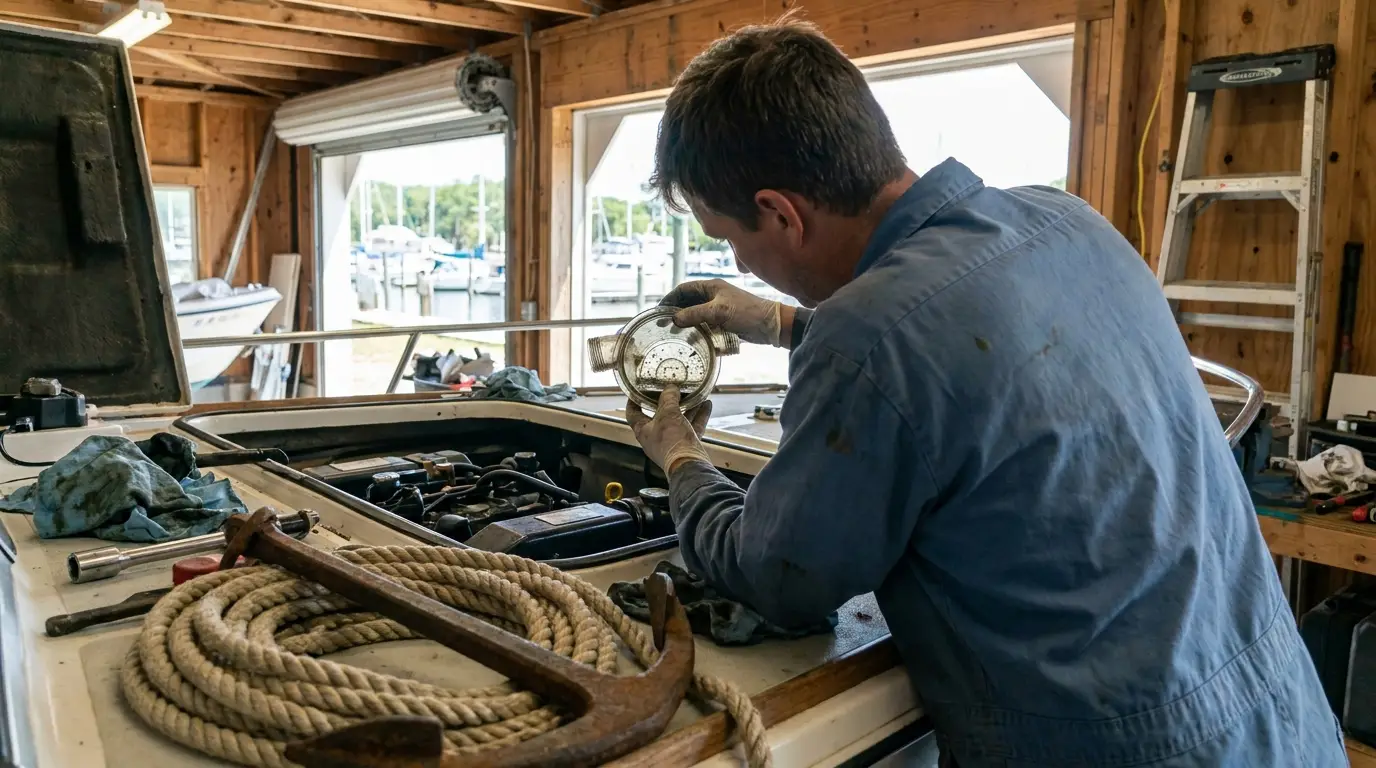
In heat exchanger systems, inspect zinc anodes and replace them when needed. These sacrificial parts protect metal components in circuits exposed to seawater, but once they are badly worn, that protection drops and the risk starts climbing. Leave them in too long, and loose pieces can end up moving into places they should not. Heat exchangers and seawater-side coolers also need scheduled cleaning, generally around every two years. For boats that stay year-round in warm saltwater, service may need to happen sooner.
Thermostats are easy to miss. When one sticks, cooling flow suffers and temperature control goes with it. If a boat starts overheating after the impeller and strainer have already been checked, the thermostat should move much higher on the suspect list.
A flush can be a smart first step when it matches the problem. It still will not fix heavy scaling, blocked passages or a damaged exchanger. For a closer look at that difference, read Engine Flush vs Cooling Service: When a Flush Isn’t Enough.
Treat Overheating as a Safety Problem, Not a Small Annoyance
A lot of owners make the same mistake. They notice a slightly hotter gauge, weaker water discharge, or the odd alarm, then decide to handle it later. Bad call. Cooling system trouble can turn into a real safety problem fast if it leads to lost propulsion, smoke, or an engine-room emergency.
Safety guidance has been moving in this direction for a reason. Some secondary reports say about 9% of insured boat fires were traced to engine overheating. Exact percentages may vary by source. Still, the main point stands: do not treat heat problems as normal.
If the temperature climbs above normal, reduce throttle and check things as soon as it’s safe. Check for water discharge. Look at the strainer. Watch for steam. Listen for alarms. In some propulsion-loss events, the U.S. Coast Guard has also pointed to changes in cooling-water pressure as a warning sign. Small shifts matter. Pay attention to patterns, not just total failure.
The rule is simple: never try to ‘run through’ overheating. Shut down if needed, inspect calmly, and stop a small cooling issue from turning into major engine damage.
Saltwater Use Demands More Frequent Care
Freshwater boats and saltwater boats don’t age the same way. Saltwater leaves deposits, speeds up corrosion, and exposes small weaknesses much sooner than many owners expect. Because of that, coastal boats need a tighter engine cooling care schedule.
One habit matters a lot. Flush with fresh water after saltwater use, especially if the boat sees regular coastal trips or long days in brackish water. It helps reduce salt deposits and slow corrosion in exposed passages. Outboards and other systems built for routine flushing benefit most. For boats that spend time on long runs in coastal or mixed-salinity water, flushing should feel as normal as checking fuel before heading out.
Closed cooling systems stand out too. Coolant moves through the engine block, so raw water mostly reaches the heat exchanger side instead. That lowers the risk of internal corrosion. It’s not a free pass, though. Maintenance still matters, and with time the engine can still take a beating.
If you want a step-by-step refresher, this article on engine flushing to prevent salt, silt and cooling damage is a helpful companion read.
Make a Parts-and-Records Plan That Saves Time
A good maintenance plan covers more than inspections. Include what you track and what you keep on board, since notes on impeller changes, coolant service dates, zinc replacement, heat exchanger cleaning, and any overheating events make future problems easier to sort out. Even a simple notebook works. A phone note works too. When there’s something to check later, spotting patterns gets a lot easier.
If your boating style allows it, keep a few key items in reserve. Spare hose clamps, the right impeller, basic tools, coolant that matches your system, and a replacement strainer gasket can turn a trip-ending issue into a quick dockside repair. A few small items can make a big difference. DIY owners who want reliable access to engine care parts and maintenance supplies can use First Choice Marine as a practical reference point when shopping and planning ahead.
Good records help owners decide whether a job still fits DIY work or should go to a professional. Repeated overheating, coolant contamination, signs of internal corrosion, or cooling loss after replacing the obvious parts can point to a deeper problem, not just normal routine care.
Frequently Asked Questions
How often should I replace a boat impeller?
Many service guides suggest every 1 to 2 years, but heavy use, sandy water, or long storage periods can shorten that timeline. If the impeller shows cracks, missing vanes, or stiffness, replace it sooner.
What are the first signs of cooling system trouble on a boat?
Common early signs include a rising temperature gauge, weak telltale or water discharge, steam, alarm activation, and a hot-burning smell. Some systems may also show pressure changes before a full overheating event.
Is an engine flush enough to maintain engine cooling systems?
Not always. A flush helps remove salt and light debris, but it cannot repair a damaged impeller, a stuck thermostat, a clogged heat exchanger, or a corroded cooler. Think of flushing as one part of maintenance, not the whole job.
What cooling system parts should I keep on board?
A spare impeller, hose clamps, strainer gasket, basic tools, and the right coolant are smart items for many boat owners. First Choice Marine can help boaters source common engine care parts before the season starts, which is often easier than scrambling after a failure.
Are closed cooling systems better than raw-water systems?
For many boats, especially in saltwater, closed systems offer better protection against internal corrosion and scale buildup. Raw-water systems can still work well, but they usually need closer inspection and more frequent cleaning.
Where can I find cooling system maintenance parts online?
Boat owners usually want one place to compare engine care products, routine service parts, and boating accessories. An online marine parts retailer like First Choice Marine can be useful for planning seasonal maintenance and keeping common cooling system supplies ready.
Keep Your Engine Cool and Your Boat Ready
Cooling system care isn’t about one big repair once a year. It comes from small checks done on time, starting with knowing what kind of system you have. Then check the impeller and strainer. Keep an eye on hoses, clamps, thermostat behavior, zincs, and coolant condition. After saltwater use, flush the system when it makes sense. Do it early. Service heat exchangers and coolers before buildup turns into an overheating problem.
Most of all, pay attention to warning signs. A hotter gauge, weak water flow, or a sudden alarm means the engine needs help. Don’t wait. Act early, and you can avoid the expensive version of the same problem.
For an easy next step, make a checklist today. Write down the date of the last impeller change, the next coolant service, and a reminder to inspect the strainer before every trip. Simple things. Steady habits help engine cooling systems keep working well, and that care leaves the boat much more ready when the weather is good and the water is calling.
