


Marine propellers are getting a lot more attention in 2026, and for good reason. They shape how a boat feels, how it performs, and how much fuel it burns. For recreational boaters, changing a prop can mean faster planing, smoother handling, and a better hole shot. For commercial crews, it can lower operating costs and reduce downtime.
Propeller design is changing quickly as marine propulsion systems evolve. Electric and hybrid boats need quiet, efficient thrust. Larger outboards require stronger materials. Everyday owners want boat engine parts that are simpler to maintain and easier to match to how they really use the boat.
New blade shapes, improved alloys, stainless options, composite designs, and digital prop-matching tools are no longer niche topics for a small group of enthusiasts or specialists. Boat owners now have real choices in buying and maintenance. This guide looks at what’s changing, why it matters, and how those trends affect fishing boats, pontoons, workboats, and family runabouts. If better performance matters and guesswork does not, understanding the latest marine propellers is a smart place to start.
Why marine propellers matter more in 2026
A propeller is not just an add-on at the end of the drivetrain. It is one of the biggest performance factors on the boat. Even small changes in pitch, diameter, rake, cup, or blade count can affect fuel economy, top speed, acceleration, and engine load in ways owners actually notice. That matters even more in 2026. Many boaters want more from the same engine, and fuel and maintenance costs are still high.
Manufacturers now build boats for more specific uses. Some owners want shallow-water lift for fishing. Others need smooth mid-range cruising for family boating. Commercial users may care most about durability and strong bite in rough conditions. The marine propeller market is more technical than it was a few years ago, and buyers have to think more carefully about the tradeoffs that come with each setup.
| Key Propeller Factor | Primary Effect | Best For |
|---|---|---|
| Higher pitch | More speed, less low-end pull | Light boats and fast cruising |
| Lower pitch | Better acceleration and load carrying | Workboats and heavy loads |
| 3-blade design | Balanced speed and efficiency | General recreational use |
| 4-blade design | Stronger grip and smoother handling | Towing, rough water, and fishing |
The table shows why prop choice has become a bigger issue. Pick the wrong prop and it can push the engine outside its ideal RPM range, hurting performance and even shortening engine life over time. That is not a small problem. Because of that, propellers now sit alongside filters, fuel systems, and other core boat engine parts in serious maintenance planning. Readers tracking broader changes in the market can also explore Latest Trends in Marine Engine Parts: Market Set to Reach $16.92 Billion by 2031.
New designs are changing marine propulsion systems
The biggest trend in marine propulsion systems is efficiency. Boat builders and engine makers want to lose less power between the crankshaft and the water. That goal is changing blade geometry in a big way, and many newer marine propellers use advanced cupping, progressive pitch, and refined rake angles to improve grip and cut slip.
Stainless steel is still a top pick for performance-minded owners because it keeps its shape well under load. Composite and modular propeller systems are gaining ground too. With those setups, damaged blades or hubs are easier to replace. Repair costs can drop. Boats get back on the water faster. That flexibility matters, especially for trailer boaters and anglers running through stump-filled or rocky areas.
Propeller development is also changing for electric and hybrid systems. Electric propulsion delivers torque differently from a traditional gas outboard, so the propeller has to support quiet thrust, strong low-speed control, and efficient battery use at the same time. It’s a different task. Some builders respond with wider blades or designs tuned for lower RPM ranges.
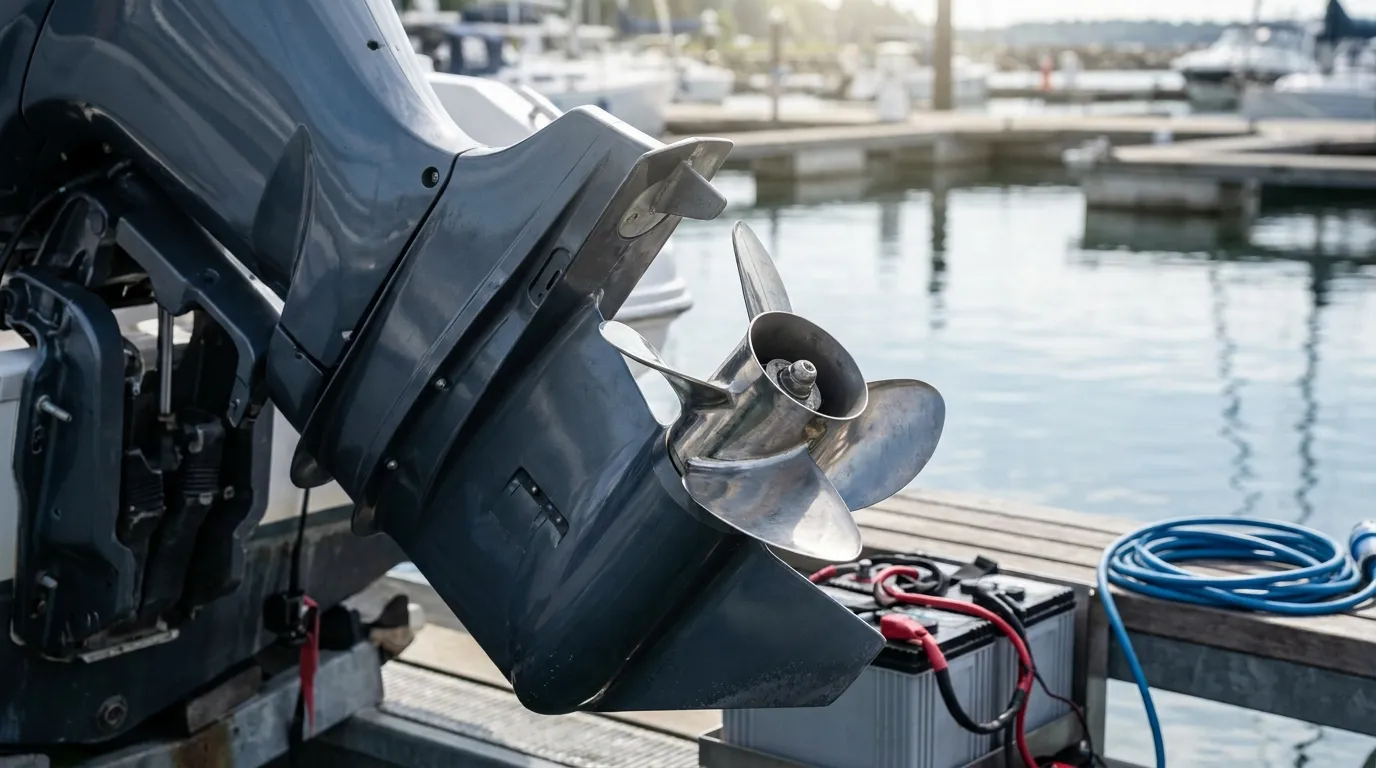
Owners who want the bigger picture should also pay attention to how the rest of the drive setup works. Articles like Marine Propulsion Systems Explained: Options and Maintenance can help link propeller choice to the full system instead of focusing only on the final hardware.
Smarter materials and manufacturing are improving durability
Material science is one of the quieter stories behind the rise of marine propellers. Aluminum props are still everywhere because they’re affordable and work well on plenty of everyday boats, especially on smaller outboards, as backup props and for owners watching the budget. But the conversation is starting to shift as modern stainless designs and composite systems meet different needs.
Stainless steel propellers are valued for stiffness and durability. Because the blades flex less, they transfer power more cleanly and can improve performance in ways owners can actually feel on the water. They also hold up better under heavy use in many cases. They’re not always the right fit, though. Upfront cost is higher, and they’re not ideal for every boat or every lake.
Composite propellers offer a different kind of value. They can absorb impact in ways metal props simply can’t, and some systems make field repairs fairly simple when something goes wrong. That matters, especially for DIY owners who may find maintenance easier because of it. In 2026, better molding methods and stronger resins are helping these products earn more trust, especially on smaller boats and in utility use.
A lot of owners choose a prop based only on top-speed claims. Real-world durability matters just as much, maybe more, depending on where and how the boat actually gets used. If you fish in stump fields, run sandy flats or launch regularly at shallow ramps, the right prop material can save money over time. Another thing that gets missed is the hub system. A worn or spun hub can mimic bigger drivetrain problems, and plenty of people end up chasing engine issues when the prop assembly is really the cause.
Routine inspection should cover the prop, shaft, hub, hardware and nearby seals for that reason. If you’re building a more complete maintenance routine around boat engine parts, Best Practices for Maintaining Marine Propulsion Systems is a useful next read.
Digital prop matching is making buying easier
Better propeller matching is one of the most practical 2026 trends. In the past, plenty of owners bought marine propellers through trial and error. They borrowed one from a friend, guessed based on another boat, or relied on a basic catalog fitment note. That still happens, just less than before.
More sellers and manufacturers now use fitment tools that factor in engine make, horsepower, gearcase style, hull type, load, elevation, and target RPM. Those tools narrow the options before owners spend money and push buyers to look beyond simple diameter and pitch. A prop can fit physically and still perform the wrong way.
For DIY boaters, better matching lowers the risk of over-revving or lugging the engine. Both issues can shorten the life of important boat engine parts. The wrong prop can also hurt fuel economy, change steering feel, and reduce stern lift. A smart match helps protect performance and keeps the engine running longer.
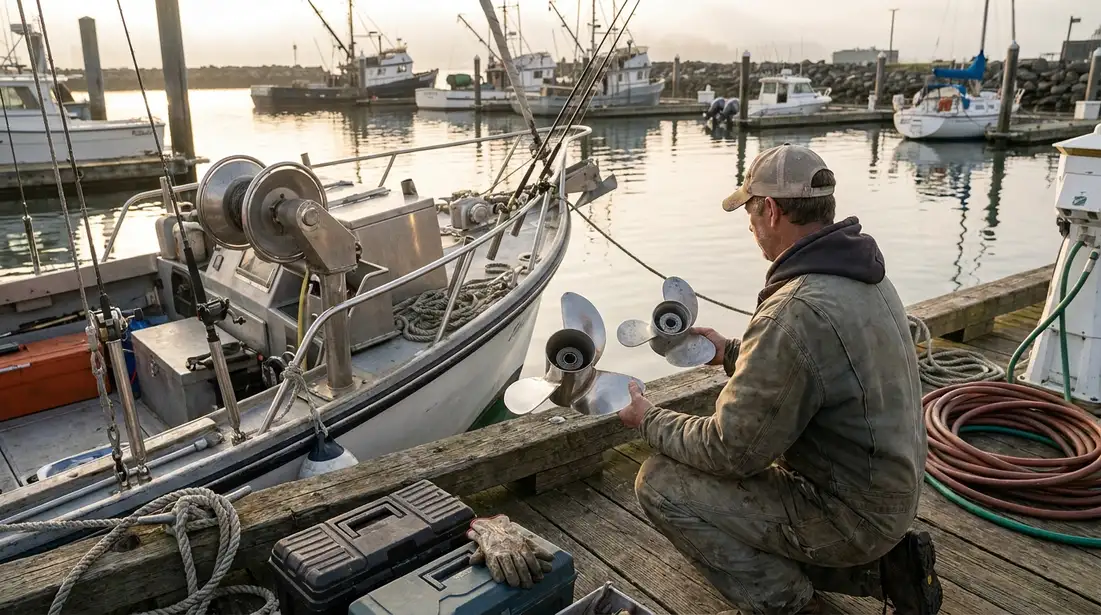
The digital shift also supports online parts buying. A focused retailer like First Choice Marine fits naturally with that change because boat owners increasingly want dependable parts information before they buy, not after they install. The market keeps getting more specialized, and clear guidance matters as much as the hardware. Buyers comparing replacement components may also benefit from Boat Engine Parts: What to Expect in the Growing Market for 2026.
What propeller trends mean for everyday boat owners
For most readers, the real question is simple: what should they actually do with all this information? Treat the propeller like a key performance part, not a last-minute replacement that only gets attention when something goes wrong. If a boat struggles to get on plane, runs at high RPM without gaining much speed, vibrates, or uses more fuel than expected, the owner should take a close look at the propeller.
In 2026, owners should match the prop to how they actually use the boat, not just pick whatever seems close enough. A bass angler running light and fast may need a very different blade style than a pontoon owner carrying family and gear all day. Different job, different needs. A workboat operator will likely care more about durability and low-speed push than top speed. The best marine propulsion systems match the job the boat actually does.
It also helps to look at the full setup. Propeller performance is tied to engine health, trim, weight distribution, hull condition, and electrical support on modern boats, so it rarely makes sense to judge the prop on its own. The parts work together. If a setup includes advanced electronics or new power upgrades, Marine Electrical Systems 2026: Adopting Next-Gen Power Innovations for Small Boats gives useful context on how those related systems are changing too.
How to choose the right marine propeller in 2026
If you’re shopping this year, keep it simple. First, check the engine maker’s recommended wide-open-throttle RPM range, then be honest about how the boat is loaded and how it really gets used. Short trips? Heavy gear? Rough days? Decide what matters most up front: acceleration, cruising efficiency, rough-water handling, or top speed. Then compare the basics: material, blade count, pitch, and hub design.
For many owners, a three-blade aluminum prop is still a good place to start. It costs less, is easy to replace, and works well for everyday use. Want more grip? A four-blade prop can help with towing, add stern lift, and make the boat feel smoother on the water. Stainless can be worth the extra money too, especially when better performance and stronger blades under load matter more.
Don’t skip the basics. Check for nicks, bends, fishing line around the shaft, looseness in the hub, and any signs of impact. If you run far from the ramp, keep a spare prop and a hardware kit onboard. It’s a small habit, but it can save a weekend on the water.
Frequently Asked Questions
What is the biggest marine propeller trend for 2026?
The biggest trend is smarter efficiency. Propellers are being designed to deliver better thrust with less wasted energy, especially for electric and hybrid marine propulsion systems. Buyers are also seeing more advanced fitment tools and more specialized blade designs for specific boating styles.
Are stainless steel marine propellers better than aluminum?
Not always. Stainless steel is stronger and usually holds its shape better under load, which can improve performance. Aluminum is still a great choice for many everyday boats because it costs less and works well for general recreation.
How do I know if my propeller is wrong for my boat?
Common signs include poor acceleration, low top speed, high engine RPM without matching speed, vibration, and trouble reaching the engine’s recommended RPM range. If any of those show up, review pitch, diameter, blade count, and hub condition before assuming the engine is the problem.
How often should I inspect boat engine parts around the propeller?
You should inspect the propeller area regularly during the season and any time you hit debris or run aground. Look at the prop blades, hub, shaft, cotter pin or locking hardware, and seals. A quick check can catch small issues before they affect bigger boat engine parts.
Where can boat owners find help choosing marine propellers online?
A good marine parts retailer should offer fitment support, clear specs, and related maintenance information. For boaters comparing options and learning about system care, First Choice Marine is a relevant example because it focuses on practical marine parts and boating maintenance needs.
Can the wrong propeller damage marine propulsion systems?
Yes, over time it can. A propeller that causes the engine to over-rev or lug can increase wear and reduce efficiency. That is why matching the propeller to your engine, hull, and typical load is one of the smartest ways to protect marine propulsion systems.
Where the market is heading next
Marine propellers in 2026 are really about smarter boating. Owners want better control, improved fuel economy, and fewer surprises once they’re out on the water. Builders want cleaner, more efficient marine propulsion systems, while suppliers are answering with better materials, more accurate fitment tools, and more specialized options than before. It’s a clear shift.
That means the propeller should be near the top of your maintenance and upgrade list. If your boat feels off, don’t overlook the prop. It’s a small part that makes a big difference. When upgrades are on the table, think about it early, and if you’re buying parts online, look for guidance that matches the prop to real-world use instead of leaning only on basic engine size.
Marine propellers are also getting easier to understand. Better product data, stronger replacement options, and more educational resources give boat owners more confidence, especially when the choices start to feel crowded. Pick the right propeller and performance can improve, other boat engine parts get more protection, and every trip feels smoother. In a year shaped by change, that kind of upgrade is worth a closer look.
