


Boat performance takes more than added horsepower. On the water, it depends on how well the engine runs, how quickly the boat responds, and how reliably it starts and keeps going when needed. That’s why smart boat owners are looking at a wider mix of upgrades now. Not just speed. They want better marine engine parts, stronger fuel-system protection, cleaner steering response, and smarter onboard tools that can spot trouble early.
That shift makes sense. Recent marine market data shows solid demand for engines, accessories, and replacement parts, even during a softer sales year, which says a lot about what owners care about most right now. Outboards still lead. Many owners are spending on maintenance and performance upgrades instead of waiting for something to break. Prevention counts. And that’s shaping what boaters choose to buy first.
This guide highlights some of the most useful new marine products for today’s boaters. It covers engine parts that help boats run smoother, digital tools that support preventive care, steering and control upgrades that improve handling, and practical ways to choose products that fit both boat and budget. For people who like doing their own work, fish regularly, or depend on a boat for business, these ideas can help them get more out of every trip.
Why marine engine parts are still the heart of performance
For most boat owners, the biggest gains still start with the engine. No surprise there. Outboards still make up a huge share of the market, so that’s where a lot of attention goes. NMMA data shows that nearly 59% of retail sales come from outboard-powered boats. Marine Fabricator also reported that 267,000 outboard engines were sold in the U.S. in 2025, with an average retail price of $13,081.
| Metric | Value | Year |
|---|---|---|
| U.S. recreational marine retail spending | $54 billion | 2025 |
| U.S. outboard engine sales | 267,000 units | 2025 |
| Average outboard retail price | $13,081 | 2025 |
| Share of retail sales from outboard-powered boats | Nearly 59% | 2025 |
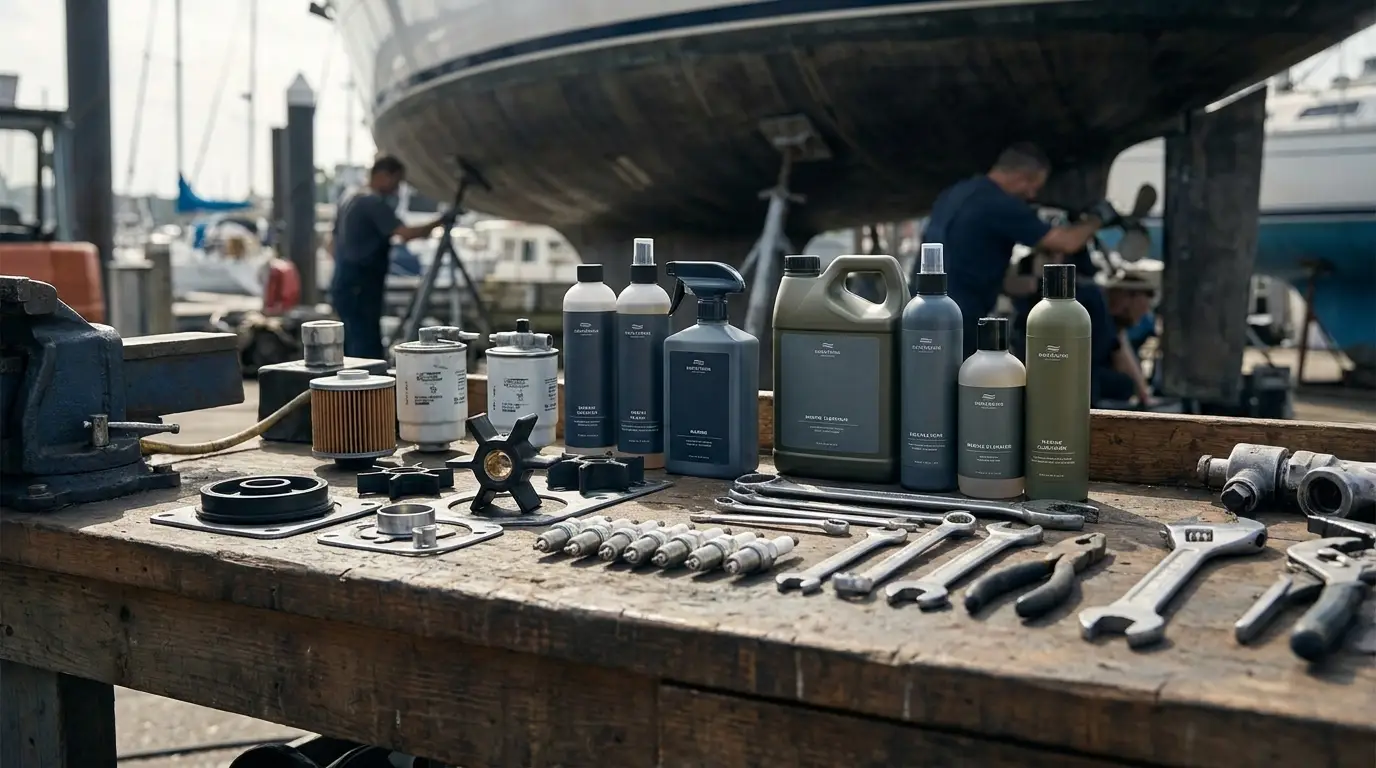
Those numbers show how much value is already out there in the installed base on the water. A lot of it. Instead of replacing whole engines, owners protect that value by choosing better marine engine parts. Some of the strongest upgrades right now include water-separating fuel filters, EFI-related components, corrosion-resistant thermostats, stronger ignition parts, and complete water-pump kits.
A boat that performs well starts easily, stays cool, burns fuel cleanly, and accelerates smoothly. Routine parts like impellers, sensors, and fuel-system components deserve just as much attention as the flashy upgrades people notice first. For a closer look at service basics, this guide on marine engine tune-up techniques pairs well with performance-focused upgrades.
Smart monitoring tools are changing how boaters maintain engines
One of the biggest shifts in boating is the move to digital performance tracking. Years ago, plenty of owners waited for rough idle, hard starts, or heat alarms before checking the engine. Now, connected monitoring tools help them catch problems earlier.
That change is showing up across the marine industry. Wärtsilä summed up the value clearly in a verified statement:
This framework decreases the risk of unplanned maintenance and costly downtime, and improves performance to save fuel and reduce emissions, allowing the ships to perform optimally while remaining regulatory compliant.
The example comes from larger-vessel operations. Still, the same idea applies to small and mid-size boats. Smart engine modules, digital gauges, maintenance trackers, and battery monitors give owners better information. That helps them spot weak charging, poor fuel use, sensor faults, and service intervals before any of it turns into trouble on the water. Better timing, fewer surprises.
DIY users get less guesswork. With a connected system, engine hours, fuel burn, battery state, and service reminders can all show up in one place. That makes routine checks easier and reduces missed warning signs. Charter operators and commercial crews can avoid surprise breakdowns more easily. They also lose less time between trips.
For many boats, a practical setup starts with a digital engine display, a battery health monitor, and a maintenance log. None of those items adds horsepower. Even so, each one supports better real-world performance. Owners who care about reliability and cleaner running can get more value from tools like these than from a random bolt-on part.
Steering, control, and trim upgrades improve how the boat feels
A lot of people think performance starts and ends at the engine block. Ask an experienced boater, though, and they’ll tell you control matters just as much. A boat that responds cleanly at the helm feels faster, safer, and a whole lot easier to run.
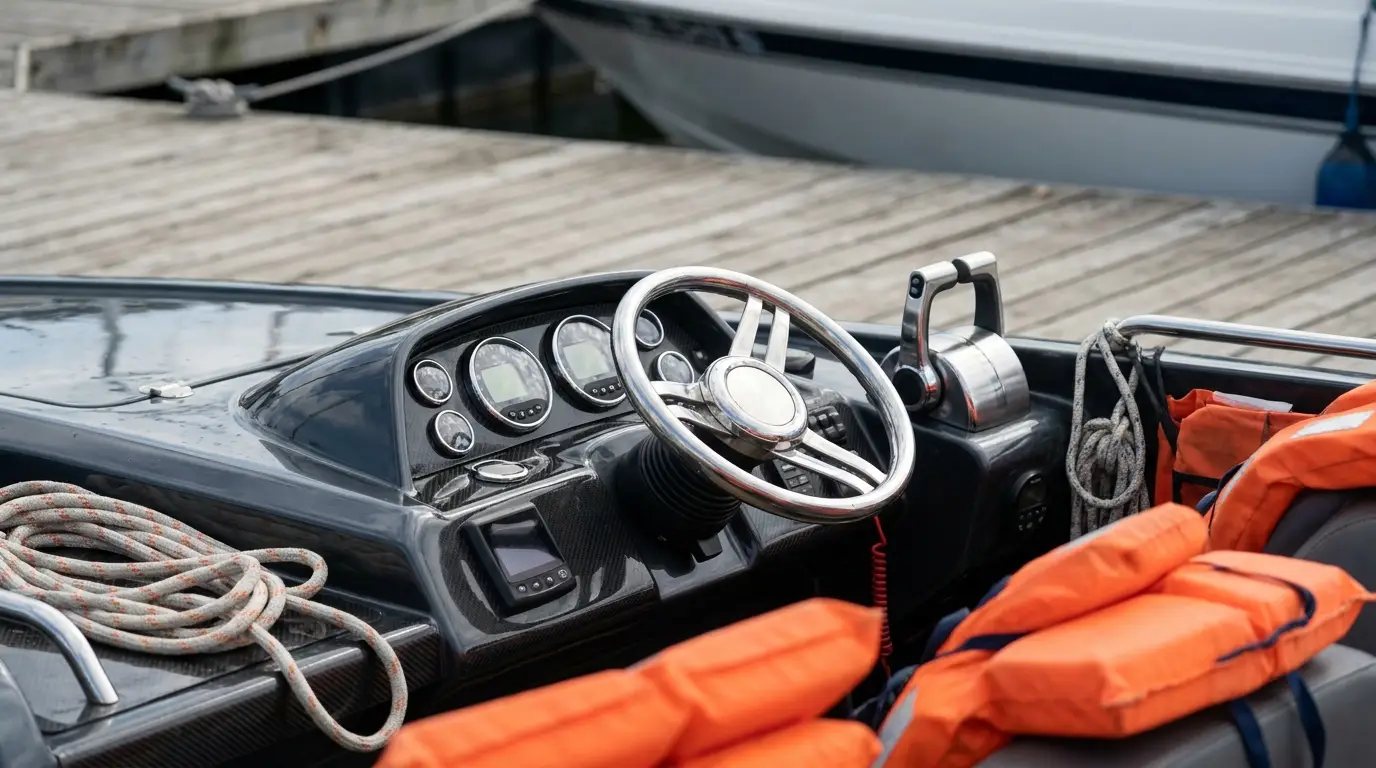
Modern steering and control products can make a real difference. Electric and electro-hydraulic steering systems are showing up more these days because they reduce play at the wheel, sharpen response, and cut fatigue on long runs. For anglers, that can mean easier boat positioning around structure. For commercial users, it means better control in tight docks or rough conditions.
Trim and tilt systems matter too. When they work well, the boat planes faster, uses fuel more efficiently, and pounds less in chop. When they lag or bind, the whole boat feels off. That’s why trim relays, actuators, sensors, and hydraulic components matter in the bigger performance picture for marine engine parts.
People may upgrade the prop or engine accessories and overlook the systems that actually transfer that performance to the water. It’s easy to miss. If the steering feels sloppy or the trim system works inconsistently, the boat may never deliver the full benefit of those other upgrades.
Take a real-world example: a center-console fishing boat with a new prop and fresh fuel-system parts that still struggles in crosswinds. Frustrating. Better steering response and reliable trim control make it easier to hold a line, simpler to dock, and more comfortable to run all day.
Fuel efficiency and preventive maintenance now go hand in hand
Boat owners used to treat maintenance like a chore. Now more people see it as part of performance tuning. That shift makes sense, especially with engine prices staying high and fuel costs still going up.
Wärtsilä also noted in a verified quote that, “Wärtsilä Expert Insight leverages AI technology for predictive maintenance, helping to improve asset efficiency and reduce both operating costs and emissions.” That wording fits larger operations more than small boats. Even so, the basic point still applies at every level: better maintenance choices can improve fuel use and help boat owners avoid expensive repairs.
For many recreational boats, the most useful products here are pretty simple. Fuel additives for storage, ethanol treatment, water-separating filters, engine flush tools, corrosion blockers and sensor replacements can all help protect performance over time. They’re not flashy, but they’re the items that can save the most money later, when smaller problems quietly become expensive ones.
If fuel quality is part of the concern, ethanol treatment for marine engines is worth considering. Putting together a cleaner service routine? This article on a marine oil change kit guide can help make regular engine care simpler.
A good rule is to replace weak links before they fail. Old fuel hoses, dirty filters, tired thermostats and worn impellers can slowly drain power and efficiency long before they actually leave you stranded. Catch those parts early. That can keep the boat running better and help you avoid bigger trouble later.
New propulsion trends are expanding what counts as a performance product
Marine innovation no longer focuses only on gas outboards. Electric and hybrid systems are getting more attention, and that changes the mix of products boaters need to understand when they decide what performance means to them. A clear sign shows up in the wider shipping market. In 2024, the alternative-fuelled ship orderbook reached 1,737 vessels, while 1,860 vessels already in service had alternative-fuel capability.
Traditional engines are not disappearing anytime soon. Outboards still lead the small-boat market. Even so, buyers need to think more broadly about performance now because battery management systems, charging accessories, digital controls, and integrated power management belong in the same conversation as propellers and ignition parts. Different tools, same choice.
Over the next few years, many owners will face a mixed market. Some will stick with proven gas setups and improve them with better marine engine parts. Others will add smart charging, house battery monitoring, or electric auxiliary systems. That mix matters. Modern performance is becoming a blend of mechanical strength and electrical intelligence, and that shift changes what boaters look at when they shop.
First Choice Marine fits here because many boaters now shop for engine-care items and onboard systems in one place instead of treating them as separate projects.
How to choose the right upgrades without wasting money
The best upgrade plan is not to buy the newest product. It’s about fixing the biggest limit in the current setup. Start with a few simple questions. Is the engine hard to start? Does it lose speed at the top end? Is steering tiring? Does fuel use seem high? Do the electronics give useful health data?
Then build the list in order:
1. Protect reliability first
Replace service items that can hurt performance quickly. Think filters, water pumps, sensors, ignition parts, and cooling components.
2. Improve driver control
If the helm feels loose or the trim acts up, fix that next. Better control can make the whole boat feel better.
3. Add smart monitoring
Use digital gauges or monitoring tools to catch problems early. They help DIY owners spot issues sooner.
4. Match upgrades to real use
A fishing boat, a work skiff, and a family runabout need different solutions. Different jobs, different gear. Buy for your own conditions, not someone else’s setup.
A trusted marine parts retailer like First Choice Marine can help owners compare product categories for engine care, trolling systems, and onboard accessories without making the process feel too complicated.
Frequently Asked Questions
What marine engine parts improve boat performance the most?
The best parts depend on the problem, but common winners include fuel filters, spark plugs, water-pump kits, thermostats, sensors, and properly matched propellers. These parts support clean running, better acceleration, and stronger reliability.
Are digital engine monitors worth it for small boats?
Yes, in many cases they are. They help you track engine hours, battery condition, fuel burn, and service timing, which can prevent costly surprises and help you plan maintenance earlier.
Can steering upgrades really make a boat perform better?
Yes. Better steering improves response, reduces driver fatigue, and helps you control the boat more precisely. That may not add top speed, but it often improves the full on-water experience.
How often should I replace common wear items in marine engine parts?
It depends on use, engine type, and water conditions, but many wear items should be inspected every season. Impellers, filters, spark plugs, and fuel-system parts often need regular replacement to avoid performance loss.
Where can I find marine engine parts and onboard products in one place?
Many boat owners look for retailers that carry both engine-care items and boat system accessories so they can manage one maintenance plan. First Choice Marine is one example boaters use when shopping for parts, maintenance supplies, and related onboard gear.
Should I upgrade old parts or wait until they fail?
Usually, it is better to replace aging parts before failure if they affect cooling, fuel flow, ignition, or steering. Preventive replacement often costs less than emergency repair and helps protect your time on the water.
Put performance upgrades to work
The best marine products do more than sound good in a brochure. They solve real problems on the water. Better marine engine parts help the engine run clean and strong. Smart monitoring tools help boat owners catch trouble early. Steering and trim upgrades improve control. Fuel and maintenance products help protect efficiency over the long haul.
Performance today depends more on the full system than on any single part. A reliable fuel path, a healthy cooling system, a responsive helm, and useful engine data all need to work together if the boat is going to perform the way it should. That matters for weekend anglers, family boaters, and commercial operators alike.
When it’s time to improve a boat, start with the weakest point. Upgrade the parts that protect reliability first. Then add the tools and systems that help owners stay ahead of wear. Over time, those choices can mean smoother runs, less stress, and more confidence each time the boat leaves the dock. That’s where real boat performance shows.
