


Holiday weekends are some of the best times to be on the water. Families fish, cruise, swim, and make memories that last for years. But heavy holiday traffic also brings more risk, with crowded ramps, new boaters heading out, quick weather changes, and people staying out longer than expected. Smart holiday boating tips can help reduce those risks.
Family safety on the water starts before the boat even leaves the trailer or dock. It includes life jackets, weather checks, sober operation, a working bilge pump, proper lighting, and a clear plan for kids and guests. Just as important, it means making sure your engine, batteries, fuel system, and emergency gear are ready for a busy day on the water.
Safe family boating doesn’t have to be difficult. A few simple habits can stop a lot of common problems before they become stressful. In this guide, you’ll find boating safety tips for families, what to inspect before a holiday trip, how to deal with crowded waterways, and which gear needs extra attention. A checklist helps too. It lets you plan ahead and avoid trouble once you’re out on the water.
Start With the Risks That Matter Most
The biggest safety threats are easy to spot. Year after year, U.S. Coast Guard and National Safe Boating Council data show the same patterns. In 2024, there were 556 boating fatalities, 3,887 total incidents and 2,170 injuries. Even with the lowest death rate on record, the main causes stayed familiar: drowning, not wearing a life jacket, alcohol, lack of training and operator mistakes.
| Boating safety metric | Value | Year |
|---|---|---|
| Fatalities | 556 | 2024 |
| Total incidents | 3,887 | 2024 |
| Injuries | 2,170 | 2024 |
| Drowning share of fatalities | 76% | 2024 |
| Drowning victims not wearing life jackets | 87% | 2024 |
| Fatal deaths involving alcohol | 20% | 2024 |
Most of the best water safety tips for holidays come back to the basics. Wear a life jacket. Keep a proper lookout. Don’t drink and operate. Slow down in traffic. Make sure the operator understands the rules.
Life jackets save lives. The data is tragically clear.
That warning matters even more on holiday weekends. Extra guests may come along, and they may not know where gear is stored or what to do if something goes wrong quickly. Anyone who wants a deeper gear checklist can read this boating safety equipment guide before the next trip.
Build a Simple Pre-Departure Safety Routine
A calm start can begin at home or in the marina parking lot. For families, one of the best boating safety tips is to follow the same routine every trip. That steady habit lowers stress and gives everyone a better chance to catch small problems before they turn risky once the boat is out on the water.
Start with life jackets. Count every one and make sure each person has the right size, especially children, since a loose or wrong-sized jacket is not something to fix later. Do it early. Have everyone put them on before departure instead of waiting until something goes wrong. Then review the weather, fuel level, float plan and travel route. Tell one person on shore where the boat is going and when the crew expects to return.
Next, inspect the boat. Check the battery charge, navigation lights, horn, fire extinguisher, dock lines, anchor and first-aid kit. Test the bilge pump and make sure the bilge is clean. Check the engine cut-off switch too, and keep the lanyard somewhere easy to reach. On small boats, that switch can save a life if the operator goes overboard.
Mechanical readiness matters too. Around holidays, traffic puts extra strain on engines and steering systems because boats may idle longer, restart more times and push through choppy wakes. Check the oil, cooling water flow, fuel lines and steering response before leaving. DIY owners who stay on top of maintenance tend to deal with fewer breakdowns and less stress on busy boating days.
Keep Kids and Guests Safe Without Making the Day Stressful
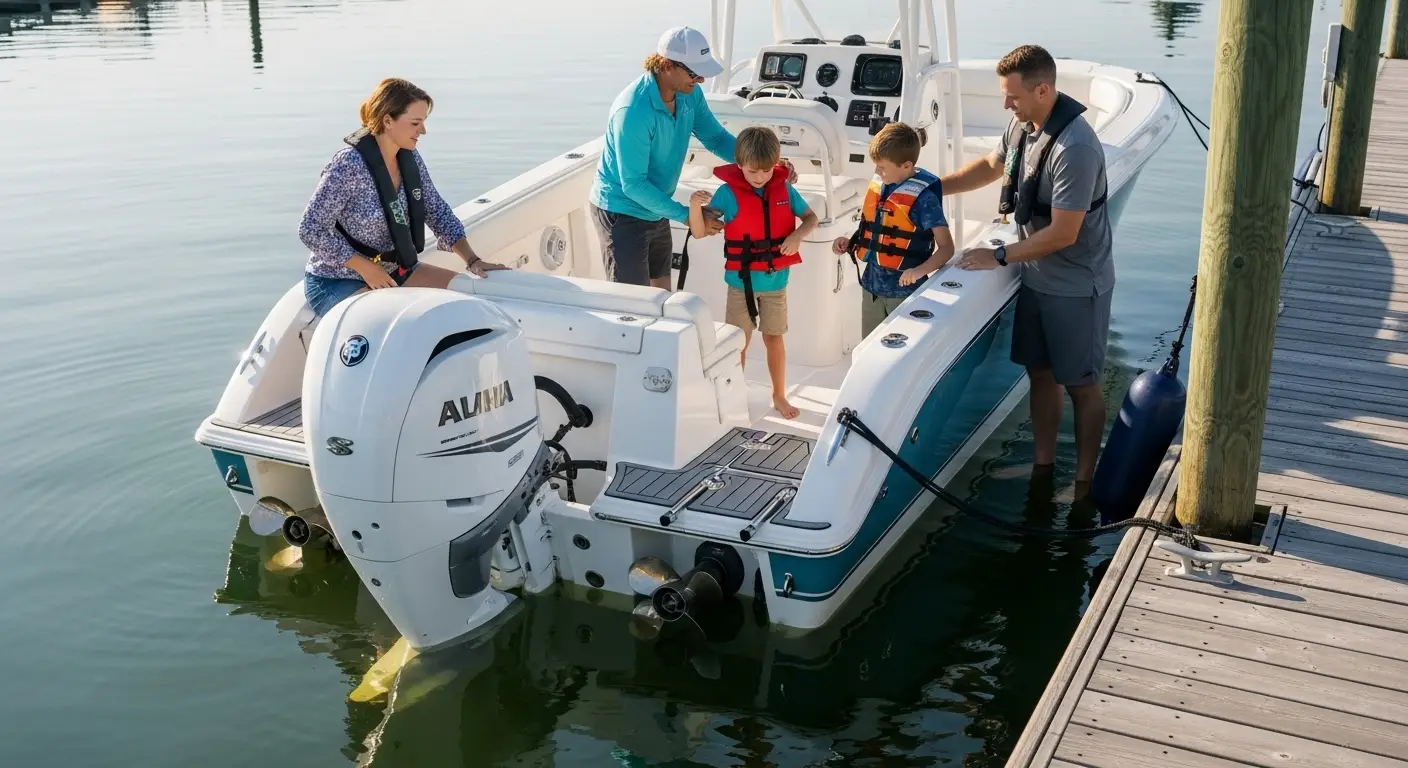
Many holiday accidents happen because someone on board doesn’t know the rules. Kids, visiting relatives and first-time guests often need the most guidance. Keeping family safe boating starts with clear expectations, explained in plain language before the engine even turns over.
Give a quick safety talk, just two minutes. Show everyone where the life jackets are stored, where the fire extinguisher is, how to hold on during acceleration, and why nobody should move around the boat without telling the operator first. With children, keep it simple: stay seated when the boat is on plane, and keep hands and feet inside the boat when you’re near docks.
Make sure to cover propeller danger. In 2024, 169 accidents involved a person struck by a propeller, causing 30 deaths and 158 injuries. Even at idle, swimmers should never get into the water near a running engine. Before anyone climbs on or off a swim ladder or enters the water, the operator should shut the engine off completely.
For families using kayaks, canoes, or paddleboards over the holiday, the risk is still real. These small craft made up 26% of all fatalities. They feel easy and low-stress, so many people head out without training, weather awareness, or proper PFD use. If the holiday plan includes both boating and paddlesports, each needs the same level of care.
It also helps to assign roles. One adult watches the children. Another handles lines. A third keeps an eye on traffic while the operator looks ahead. Simple teamwork goes a long way. On crowded waterways, distraction causes many incidents.
Prepare Your Boat for Crowded Water and Heavy Use
Holiday boating tips aren’t only about behavior. Equipment matters too. When a boat runs well, drains the way it should, and stays easy to spot, it’s safer on crowded water, especially for owners doing their own maintenance and counting on solid performance through a long holiday weekend.
Start with visibility. Before sunset, check that the navigation lights work. Replace weak bulbs or damaged housings early instead of waiting until you reach the ramp. If you’re boating at dawn, dusk, or after fireworks, lighting matters even more. You can learn more in this guide to marine lighting trends and boating safety.
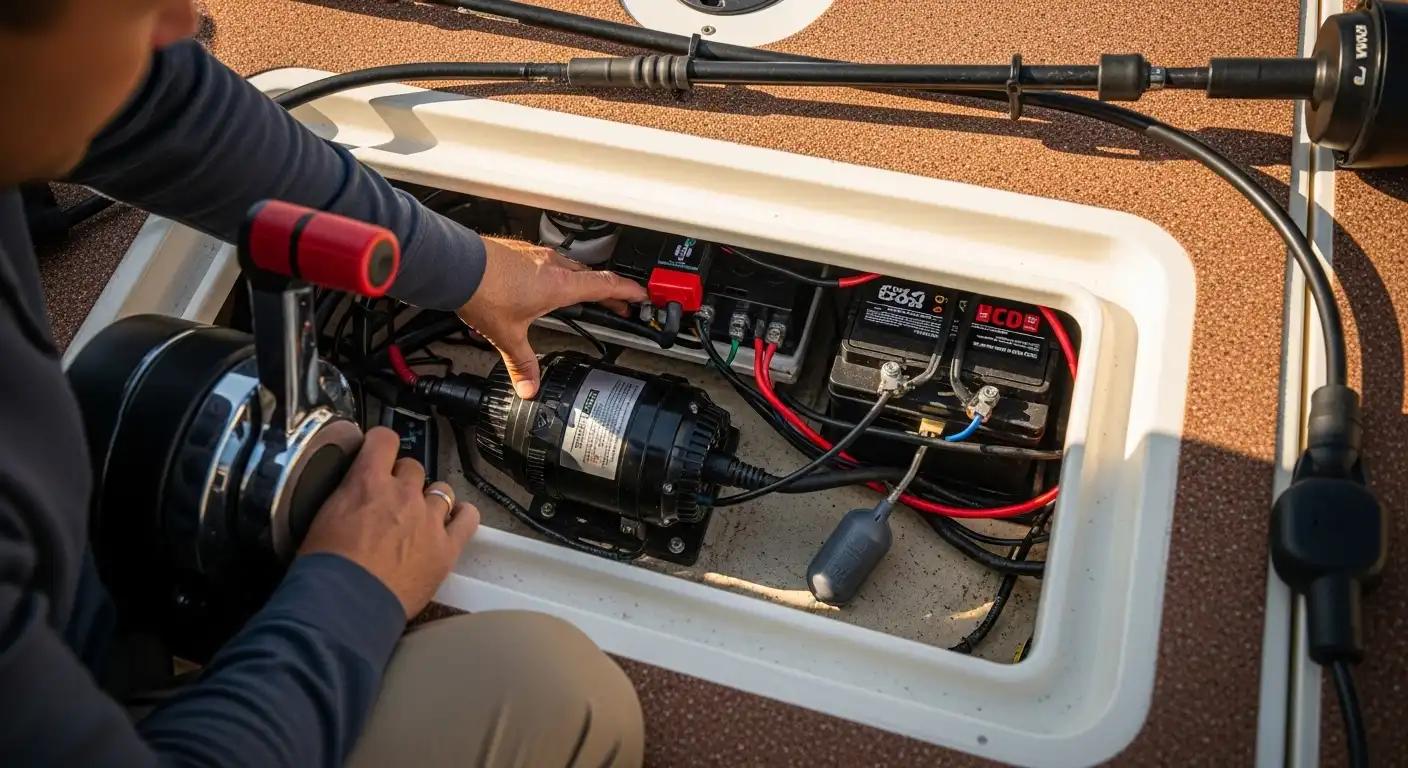
Next, check below deck and in the bilge. A failed bilge pump can turn a minor leak or a bit of rain buildup into a real emergency fast, the kind of problem nobody wants on a busy holiday outing. Test the float switch on an automatic setup, inspect the wiring, and clear debris from around the pump. For more detail, review these automatic bilge pump safety tips.
Then check fuel and power. Holiday idling, stop-and-go movement, and extra electronics can drain batteries faster than many owners expect, and weak batteries can affect starting, pumps, fish finders, radios, and lights at the same time. Check the battery. Clean the terminals before heading out. That small step can help prevent an avoidable issue from showing up at the worst possible moment.
Operator Judgment Matters More Than Speed or Horsepower
Even a well-rigged boat can turn unsafe fast if the operator pushes too hard. On holiday weekends, there’s wake crossing, no-wake zones, rental traffic, sandbar crowds, and sudden stops at ramps or fuel docks. A lot is going on. Good judgment is still one of the key water safety tips for holidays.
Keep your speed reasonable for the conditions. Near marinas, docks, fishing boats, paddlers, and swimmers, slow down. Give other boats more space than normal because some operators will make poor choices when traffic gets heavy and the water feels crowded. Stay alert too. Watch for floating debris, changing weather, and people drifting outside marked swim areas.
Alcohol is another major issue. The latest national figures show 20% of fatal boating deaths involved alcohol as the leading known factor. Out on the water, sun, wind, heat, and constant motion can make impairment hit harder than people expect. If you’re the operator, skip alcohol completely. No exceptions. Ask a sober adult to help with lookout duties.
The U.S. Coast Guard also reports that 69% of deaths happened on boats where the operator had no boating safety instruction. That alone makes a clear case for taking a safety course before the holiday season, even for people who have been boating for years. Experience helps. Training fills gaps that routine can hide.
The report records the fewest boating fatalities since the Service began collecting statistics more than 50 years ago.
That’s good news, but it doesn’t mean anyone should let their guard down. Safe habits matter, and the numbers show why.
Do Not Ignore Small Maintenance Problems Before a Holiday Trip
A lot of families think about snacks, towels, and fishing gear first, but forget the systems that actually keep the boat safe once the day gets going. That can change fast. A weak cooling system, old fuel, loose steering hardware, or poor rigging can shut everything down in a hurry. Machinery failure still ranks among the top causes in boating incidents, and on crowded holiday water, boaters have less room to recover when something goes wrong.
Before heading out, check engine cooling flow, prop condition, throttle response, and steering travel. If the boat has been sitting for a while, inspect the fuel quality and consider the right fuel additives or fuel stabilizer for storage-related problems. Make sure the marine batteries are fully charged and secured. If you tow the boat to the ramp, check the trailer tires, straps, and lights too.
Trusted marine suppliers can make things easier. Boat owners who use reliable parts and maintenance products from sources like First Choice Marine may be better prepared for heavy-use weekends, especially when they need engine care items, bilge pump parts, lighting, or onboard accessories.
One simple rule works well: if something looked questionable on the last trip, fix it before the holiday, not after launch.
Frequently Asked Questions
What is the most important holiday boating safety tip for families?
The most important step is making everyone wear a properly fitted life jacket while underway. It is the clearest way to lower risk, especially for children, weak swimmers, and guests who are not used to being on boats.
Should children wear life jackets the entire time on the boat?
Yes, in most family boating situations, children should wear their life jackets the whole time the boat is moving or near the water. This is especially important around docks, rough water, and busy holiday traffic where falls can happen quickly.
How do I make sure my boat is mechanically ready for a holiday weekend?
Do a full pre-trip inspection the day before. Check fuel, oil, batteries, bilge pumps, lights, steering, cooling water flow, and safety gear. If you need maintenance products or replacement parts, First Choice Marine is a practical example of a retailer boat owners use for engine care, boating accessories, and onboard system needs.
Is it safe to drink alcohol if I am only driving the boat a short distance?
No. Alcohol affects balance, reaction time, and judgment, and those effects can feel stronger on the water. Even short runs between coves, docks, or sandbars can become dangerous in holiday traffic.
Why are holiday weekends riskier than normal boating days?
There are usually more boats, more new operators, more wake, more distractions, and more people swimming or paddling in shared areas. That means less room for error and a greater need for patience, slower speeds, and active lookout habits.
What safety gear should I replace or upgrade before a family boating trip?
Start with life jackets that fit well, a reliable bilge pump, charged marine batteries, working navigation lights, and a stocked first-aid kit. If your gear is old, damaged, or unreliable, replacing it before the trip is smarter than hoping it lasts one more weekend.
Make Safe Boating Part of the Holiday Tradition
The best family days on the water feel easy, and that often happens because somebody did the prep first. That’s the real secret behind good holiday boating tips. The simple stuff matters. Risk drops when boaters stay on top of the basics: life jackets, sober operation, weather checks, a float plan, child rules, a proper lookout, and a boat in sound mechanical condition.
Keep the biggest lessons from the latest data in mind. Most drowning victims were not wearing life jackets. That’s still true. Alcohol still plays a major role in fatal crashes, and many deaths involve operators with no safety training at all. Smaller craft like kayaks and paddleboards deserve real respect too. These problems are preventable, and that gives families a good reason to stay alert.
Before the next long weekend, make a short checklist and use it every time. Check your systems. Brief your passengers. In traffic, slow down. Shut off the engine before swimmers get in the water. If something on the boat isn’t right, fix it before you leave.
Safe boating lets families enjoy the water with confidence, comfort, and peace of mind.
