


A lot of boat problems start small: a loose wire, some corrosion, or fuel senders that stick and show half a tank when that’s nowhere near right. Once the boat is out on the water, a small issue like that can quickly turn into a ruined fishing day. It can also mean a missed work run or, in some cases, a real safety problem.
That’s why fuel senders usually need more attention than they get. They’re simple parts, but they affect a lot. They tell the gauge or display how much fuel is actually in the tank, and when that signal is wrong, the decisions based on it can be wrong too. For recreational boaters, that often means stress, wasted time, and a trip that doesn’t go as planned. Commercial operators may lose money and deal with delays. For DIY owners, it often means spending time chasing what seems like an engine problem, only to find the sender was the issue all along.
This guide explains what fuel senders do and why they matter for safety. It looks at how marine conditions wear them down, which signs usually point to trouble, and how newer systems work with modern electronics. It’s basic stuff, but here it matters. It also covers maintenance and buying tips, which can help make the fuel system more dependable, make troubleshooting easier, and make surprises less likely before heading out.
What Fuel Senders Actually Do
Fuel senders measure the fuel level inside the tank and send that information to a gauge or digital display. On many boats, they sit on top of the fuel tank and use a float arm, reed switch, capacitive design, or another method to follow changes in fuel level, which may seem simple at first. Even so, this part handles an important job every time the boat is out on the water.
When the reading is accurate, planning range, fuel stops, and reserve fuel gets much easier and usually feels a lot more confident. When the reading is off, trip timing and engine management get harder to manage. That matters even more on long runs, offshore trips, guide boats, and work boats, where guessing often is not a realistic option. In most cases, a bad reading is not just frustrating. It can affect how the whole day is planned.
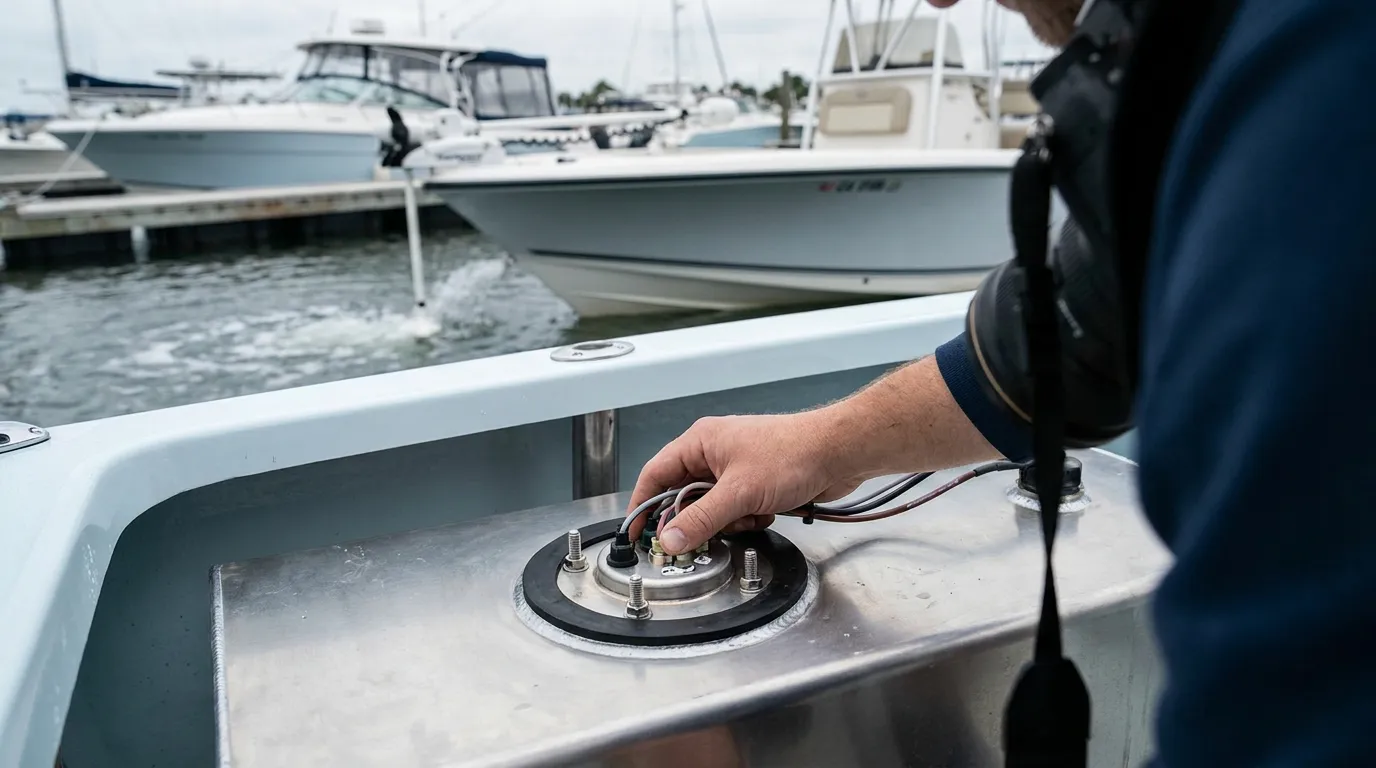
Current safety guidance makes it clear these are not really “set it and forget it” parts. The National Marine Manufacturers Association recommends inspecting boat fuel systems at least once per year, including the tank area where senders, gaskets, and wiring are installed, so it should be more than a quick look. The same guidance says components should be replaced if there is cracking, corrosion, deterioration, or other damage.
| Fuel Sender-Related Data Point | Verified Figure | Why It Matters |
|---|---|---|
| Fuel system inspection frequency | 1 time per year minimum | Senders and tank-top wiring need routine checks |
| Fuel tank inspection frequency | 1 time per year minimum | Sender mounting area should be inspected with the tank |
| Modern sender accuracy example | ±2% | Shows the value of better fuel level data |
| Example tank depth fit range | 300 mm to 1400 mm | Useful when matching sender length to tank depth |
The U.S. Coast Guard also says that fuel system parts wear down over time, especially in areas exposed to heat and moisture. A sender may be small, but it sits right in the middle of those harsh conditions, and that is often easier to overlook than it seems.
Be alert for damage to your boat’s fuel system.
Why Fuel Senders Matter for Safety and Trip Planning
Most boat owners only notice fuel senders when the gauge stops working. But their real value often shows up much sooner. A reliable sender helps you avoid unexpected low-fuel situations and makes it easier to keep track of fuel use. That extra awareness matters, especially when conditions change without warning, as they often do.
Here are a few common situations:
Long fishing runs
You head out farther than planned because the bite’s good. Then the wind picks up on the way back, which happens a lot, and fuel use goes up. So if your sender is weak or off, your reserve is probably less than you thought, and that’s not good.
Commercial and guide work
A missed reading can throw off the whole day and become a real headache. Work boats and charter crews need fuel information they can trust, not rough guesses based on the last fill-up.
Boats that sit for weeks
When a boat sits for weeks, moisture, stale fuel, and corrosion can build up pretty easily. That often affects sender wiring and the area around the tank top, so those spots are usually worth checking.
The Coast Guard has also warned owners to regularly inspect fuel fittings and hoses, especially near the engine, where heat usually speeds up wear and makes problems more likely. Your sender is part of that same system, so even small issues can still cause real trouble here. If one part gets missed, fuel readings can become much less reliable, and that is not always obvious right away.
Inspect fuel system fittings and hoses regularly, especially near the engine where engine heat can speed up deterioration.
If you want a stronger maintenance routine for the whole system, this guide on Boat Fuel Systems Maintenance Best Practices may help.
Common Problems Boat Owners See With Fuel Senders
Fuel sender problems often look like gauge problems at first, which is really annoying. The needle might stick on full, drop way too fast, bounce around in chop, or show empty even though the tank was just filled. That gets frustrating fast. But in a lot of cases, the sender or its wiring is probably the real problem.
The most common trouble spots include:
Corrosion at terminals
Salt air and humidity are especially tough on the metal around the terminals. When corrosion builds up there, it adds resistance and often weakens the signal, so bad readings are common. Even a good sender can read badly if the connection is poor, which happens a lot.
Loose or damaged wiring
Boat vibration can loosen fasteners over time, and that happens often. A weak ground or damaged lead can also make readings jump, or even disappear.
Water intrusion around the tank top
When water collects around the sender flange, screws, or gasket area on the tank top, it can cause corrosion and damage seals, which is a real problem. Diesel maintenance guidance often tells owners to check for pooled water near pickups, returns, and the gauge sender area, because it can lead to leaks or other trouble.
Sender mismatch
Not every sender works with every gauge, and that’s the main point. The resistance range really matters here. If the sender and gauge don’t match, you’ll probably get wrong readings from day one.
Sticking mechanical parts
Older float-style units can wear out or start sticking, and that’s a big reason many buyers now choose reed switch or capacitive designs instead. With fewer moving parts, they usually leave debris and internal parts with less chance to catch or bind inside the tank.
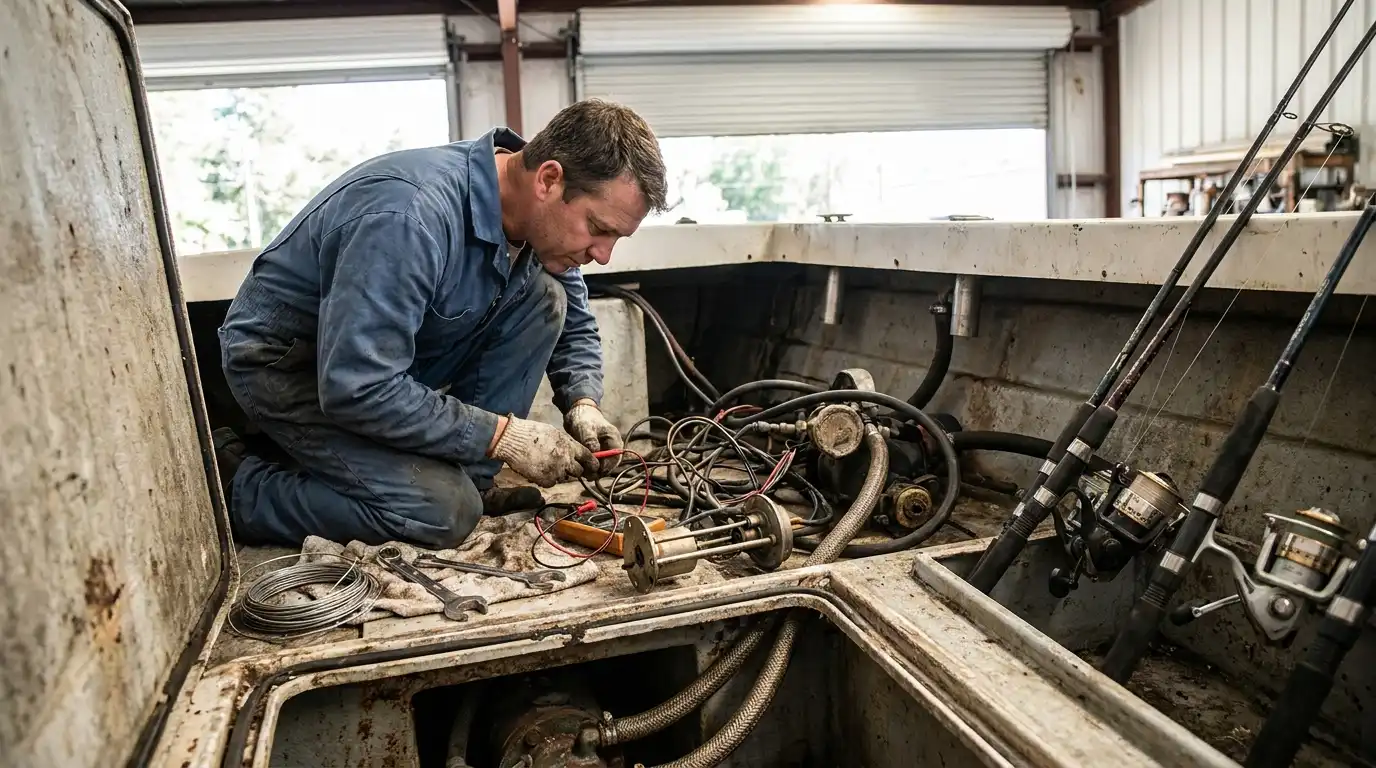
One simple DIY check starts with the basics. You will want to inspect the top of the tank, look for green or white corrosion, check the terminals, make sure the mounting area is dry, and confirm the wiring is secure. If old fuel or contamination is part of the issue too, pair that inspection with solid Boat Fuel Tank Cleaning Best Practices for Optimal Performance, so only part of the problem doesn’t get fixed, which happens pretty often.
Modern Fuel Senders Do More Than Feed a Gauge
Fuel senders are changing. Many newer systems now connect with onboard electronics instead of sending data only to a basic dash gauge. For owners who want clearer information and a better view of the full fuel system, that’s really useful. In many cases, it means seeing more than just an estimated tank level.
NMEA says NMEA 2000 is a CAN-based communication standard. It lets different marine devices share data across the same network. In simple terms, a smart fuel sender can send tank data to a multifunction display at the helm. It may also support multi-tank monitoring and work with broader vessel monitoring systems, instead of only one dash gauge. NMEA also says that products that read or transmit NMEA 2000 data must be certified.
That is a big change from older single-gauge setups. A fuel sender can now be part of a broader fuel management setup by sharing data with displays and monitoring equipment instead of feeding just one dial. In practice, that often gives a fuller picture of what is happening in the tank system.
Some premium models go further. One verified product example claims ±2% accuracy, and one listed fit range covers tanks from 300 mm to 1400 mm deep. Some also check for water contamination in the fuel. That can be especially helpful for boats exposed to ethanol blends, stored in humid conditions, or left unused for long periods, which happens more often than many expect.
It can be fitted in any tank size from 300mm / 1 foot to 1400mm/ 4 feet depth fuel tanks.
Modern fuel senders are more than replacement parts. On some boats, they are now part of the electronics and diagnostics setup too, which can make it easier to spot fuel issues sooner.
How to Choose the Right Fuel Sender for Your Boat
Choosing the right sender usually starts with fit and compatibility. Most boats don’t need the most advanced model, and that’s often perfectly fine. What matters is finding one that fits the tank and gauge setup.
So start with these checks. It’s simple stuff, really, and not too complicated.
Measure tank depth carefully
Sender length matters a lot here. If the unit is too short or too long, it often won’t show the fuel level correctly.
Match the gauge resistance range
This is a very common DIY mistake, and it happens a lot. Make sure the gauge and sender use the same electrical range so they usually read each other correctly.
Choose marine-rated materials
Look for corrosion-resistant construction, sealed connections, and hardware made for wet, vibrating places, usually on boats. It feels built to last.
Decide between analog and networked setups
With a basic dash gauge, a simple sender is usually all you need and keeps things pretty simple. If fuel data on an MFD sounds more useful, though, a networked setup can be worth the extra cost, especially if that screen gets a lot of use.
Think about your boat’s use
A weekend skiff and an offshore center console usually won’t need the same setup as a commercial work boat, and that gets pretty clear once you compare how they’re used.
If you’re shopping for marine gauges, senders, and system parts, First Choice Marine is a useful place to compare marine maintenance and onboard system options without getting sidetracked by generic automotive parts.
Maintenance Habits That Help Fuel Senders Last Longer
A little routine care can help fuel senders stay dependable longer, and the nice part is that most of it already fits into maintenance that should be happening anyway, which is probably a relief.
Checking the sender area at least once a year is a good place to start, and it matches NMMA guidance for fuel system and tank inspections. Remove any debris, look for moisture, and inspect the screws and wiring too. You will also want to watch for cracked seals or corrosion. It’s small stuff, but here it often makes a real difference. If the sender flange ends up sitting in standing water after rain or washdown, fixing that drainage issue early usually prevents a much bigger headache later.
Fuel quality matters too when a boat sits for long stretches. Water contamination and stale fuel can lead to wider system trouble, not just sender problems. This article on Fuel Additives for Boats: Ethanol Problems and Prevention explains how owners reduce fuel-related issues that often show up during troubleshooting. In most cases, dealing with that early is easier than waiting for symptoms to show up.
Before a big trip, it also helps to test gauge behavior. Turn the key on, note the reading, and compare it with the known fill level or recent fuel use. If something seems off, check it at the dock instead of finding out offshore. That is usually the easier place to catch a problem before the boat is already underway.
Frequently Asked Questions
What is a fuel sender on a boat?
A fuel sender is the part inside or on top of the fuel tank that measures fuel level and sends that signal to a gauge or electronic display. If it fails or reads poorly, your fuel gauge can become unreliable even when the rest of the fuel system is working.
How do I know if my fuel sender is bad?
Common signs include a gauge stuck on full or empty, readings that jump around, or fuel levels that do not match how much fuel you actually used. Corroded terminals, loose wires, and sender-to-gauge mismatch are also common causes.
How often should boat fuel senders be inspected?
At minimum, inspect the fuel system and tank area once a year. That is a good time to check the sender, gasket, wiring, and tank top for cracking, corrosion, moisture, or other wear.
Can I replace a boat fuel sender myself?
Many boat owners can handle the job if they are careful about tank measurement, wiring, and gauge compatibility. If you are comparing replacement parts or related maintenance items, First Choice Marine can help you narrow down marine-rated options that fit common boating needs.
Are digital or NMEA 2000 fuel senders worth it?
They can be, especially for multi-tank boats, offshore boats, or owners who want fuel data on a multifunction display. When chosen correctly, they can give better visibility, cleaner data, and easier integration with modern onboard electronics.
Where can I find fuel sender and marine system parts?
Look for marine-specific parts sellers rather than general auto sources, because boating systems deal with moisture, vibration, and corrosion very differently. An online retailer for marine parts and maintenance solutions can make it easier to compare sender types, engine care items, and related onboard system components in one place.
Keep Your Fuel Readings Honest
Fuel senders rarely get much attention when they’re doing their job, and that’s usually exactly how it goes. They quietly help with safer trip planning, smoother fuel management, fewer surprises on the water, and gauge readings you can trust. That makes them easy to overlook, and just as easy to forget. But once a sender starts to fail, the problem often goes beyond the gauge itself. It can send you chasing the wrong issue, leave you relying on bad fuel information, or put you on the water with less reserve in the tank than you thought.
The practical move is pretty straightforward: treat fuel senders like the marine system parts they are. Check them once a year. If you notice corrosion, cracking, or other signs of wear, replace them. It’s a small step that often pays off in a very real way. Also make sure the sender matches both your gauge and your tank setup. And if your boat uses modern electronics, it may be worth thinking about whether a networked sender would give you a clearer view at the helm or more control over what you’re seeing.
For anyone who likes handling maintenance personally, this is a system that’s usually manageable to learn. A little knowledge here can often help prevent bigger headaches later and make heading away from the dock feel more confident.
