


Last Updated: November 22, 2026
Quick Summary
The best marine caulk for sealing a boat window frame depends on the glazing material, but 3M Marine 4000UV Fast Cure is the strongest all-around choice for most frames. It bonds to wood, fiberglass, metal, and most plastics, stays flexible under joint movement, and holds up to saltwater and sun.
- Sikaflex 295 UV is developed for bonding and sealing acrylic and polycarbonate glazing.
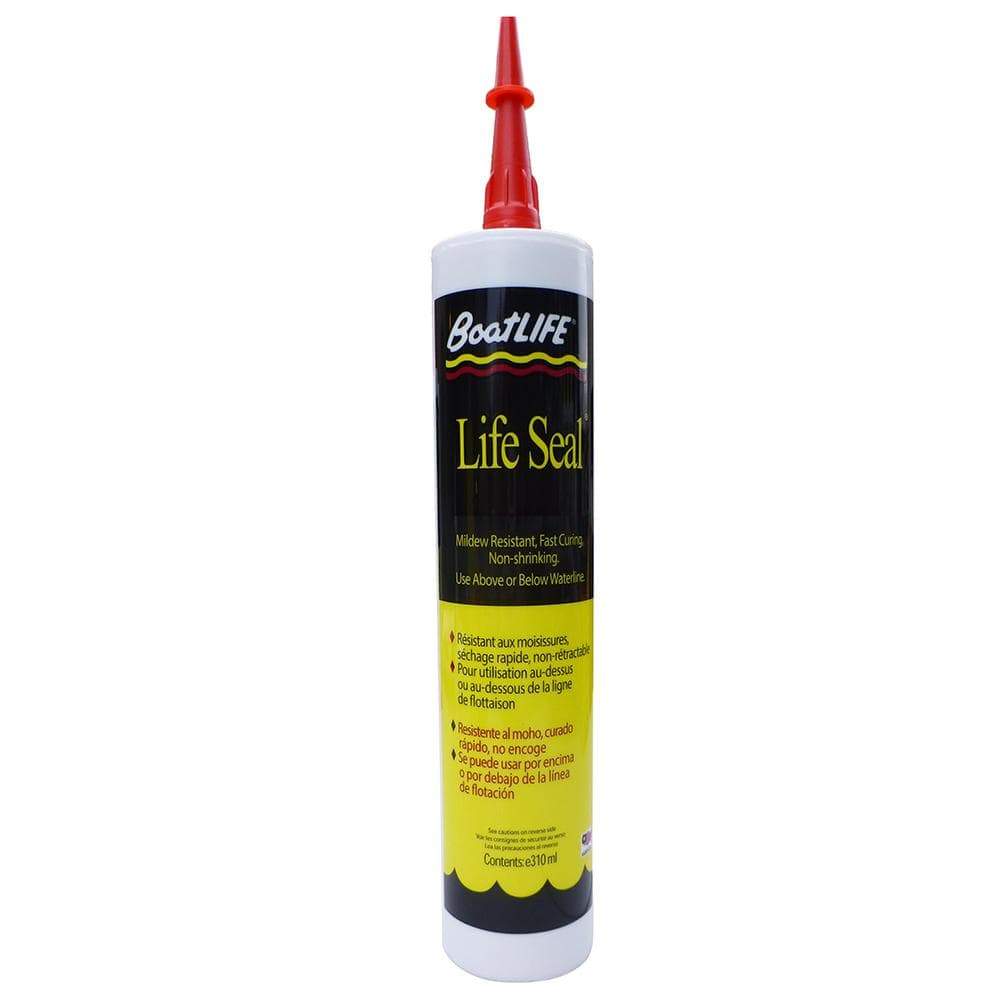
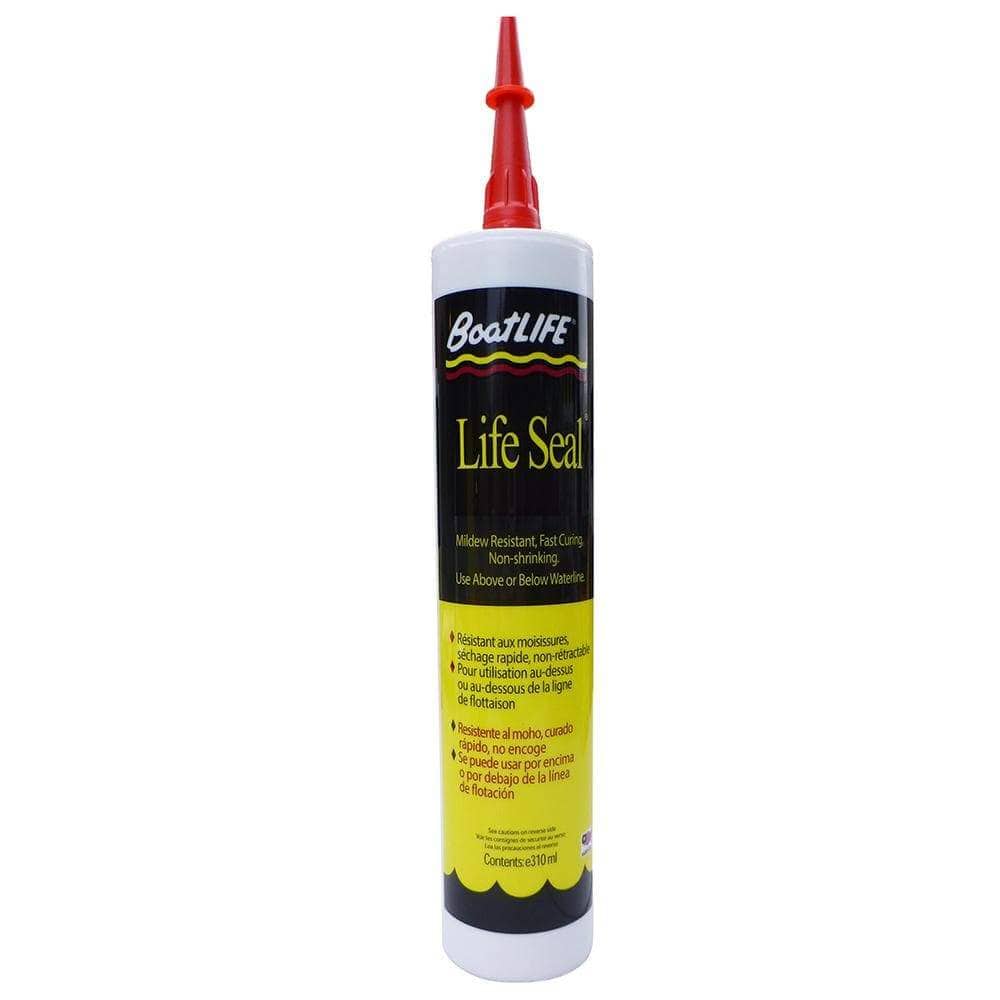
- LifeSeal blends marine silicone and polyurethane for fiberglass joints subject to structural movement.
- Life-Calk is a polysulfide bedding compound, not a glazing adhesive, and stays tack-free one to three days.
- Bedding creates a flexible watertight gasket while mechanical fasteners hold the window assembly.
- Apply a triangular bead and tool the joint before a skin forms to avoid ridges that trap water.
Table of Contents
- What is the best marine caulk for sealing a boat window frame?
- Quick Comparison: Top Marine Caulk and Sealant Picks
- Product Reviews: Best Marine Caulk for Boat Window Frames
- Marine Sealant for Acrylic Windows: What to Look For
- How to Reseal a Boat Window Step by Step
- Boat Window Caulk Removal and Surface Preparation
- Marine Sealant Cure Time and Weather Conditions
- Choose Your Boat Window Sealant and Order Today
- Frequently Asked Questions
What is the best marine caulk for sealing a boat window frame?
The best marine caulk for sealing a boat window frame depends on the glazing material, but 3M Marine 4000UV Fast Cure is the strongest all-around choice for most frames.
At First Choice Marine, we supply marine hardware and maintenance supplies, and window leaks are a common repair concern for boaters.
Below, we break down four proven sealants, explain which glazing materials each suits, and walk through the resealing process step by step. Most guides get one thing wrong: they treat every window the same, when acrylic, polycarbonate, and glass each demand different chemistry.
Quick Comparison: Top Marine Caulk and Sealant Picks
Here is how the four picks stack up on price, substrate compatibility, and best use case:
| Product | Price | Best Substrates | Best For |
|---|---|---|---|
| Sika Sikaflex 295 UV | $33.37 | PC, PMMA, aluminum, GRP, steel | Acrylic and polycarbonate glazing |
| 3M Marine 4000UV Fast Cure | $48.99 | Wood, fiberglass, metal, most plastics | All-around window frames |
| Boatlife LifeSeal | $27.88-$30.80 | Fiberglass, glass, Lexan, ABS | Flexible fiberglass joints |
| Boatlife Life-Calk | $18.26 | Fiberglass, wood, metal, glass | Bedding and below-waterline seams |
Price
The price spread is modest, so choose by substrate compatibility rather than cost. The wrong chemistry for your frame material is the fastest route to a failed seal.
Product Reviews: Best Marine Caulk for Boat Window Frames
Sika Sikaflex 295 UV: Best for Acrylic and Polycarbonate Glazing
If your boat has plastic glazing, start here. Sikaflex 295 UV is a one-component polyurethane adhesive sealant developed for bonding and sealing organic glass in marine applications.
It cures on exposure to atmospheric moisture and resists aging and weathering. Suitable substrates include aluminum, GRP, stainless steel, timber, and two-component coatings.
Watch out: The product listing notes it is suitable for experienced professional users and recommends testing on original substrates before use on materials prone to stress cracking.
3M Marine 4000UV Fast Cure: Best All-Around Window Frame Sealant
The 3M Marine 4000UV is the safest bet when you do not know exactly what your frame is made of.
It seals mechanically fastened joints on wood, fiberglass, metal, and most plastics, above and below the waterline.
The tradeoff is price. At $48.99 it is the most expensive pick here, but for a one-and-done window job on a mixed-material frame, that premium buys peace of mind.
Boatlife LifeSeal: Best for Fiberglass and Flexible Joints
LifeSeal blends marine silicone and polyurethane into one formula designed for fiberglass.
The listing covers sealing and glazing windshields, vinyl ports, and bedding marine hardware.
A common mistake is reaching for pure silicone on a fiberglass frame. LifeSeal gives you silicone's flexibility with polyurethane's grip.
Shop the black LifeSeal cartridge for dark frames, or order the clear LifeSeal cartridge if you want the seal to disappear against the glass.
Boatlife Life-Calk: Best Polysulfide for Bedding and Below-Waterline Seams
Life-Calk is a polysulfide bedding compound, not a glazing adhesive, and that distinction matters.
The listing covers bedding deck and hull hardware, sealing thru-hull fittings, and underwater seams.
Polysulfide remains a sound choice for frame bedding where the frame is mechanically fastened.
Order the white Life-Calk cartridge if you are bedding a frame rather than bonding glazing.
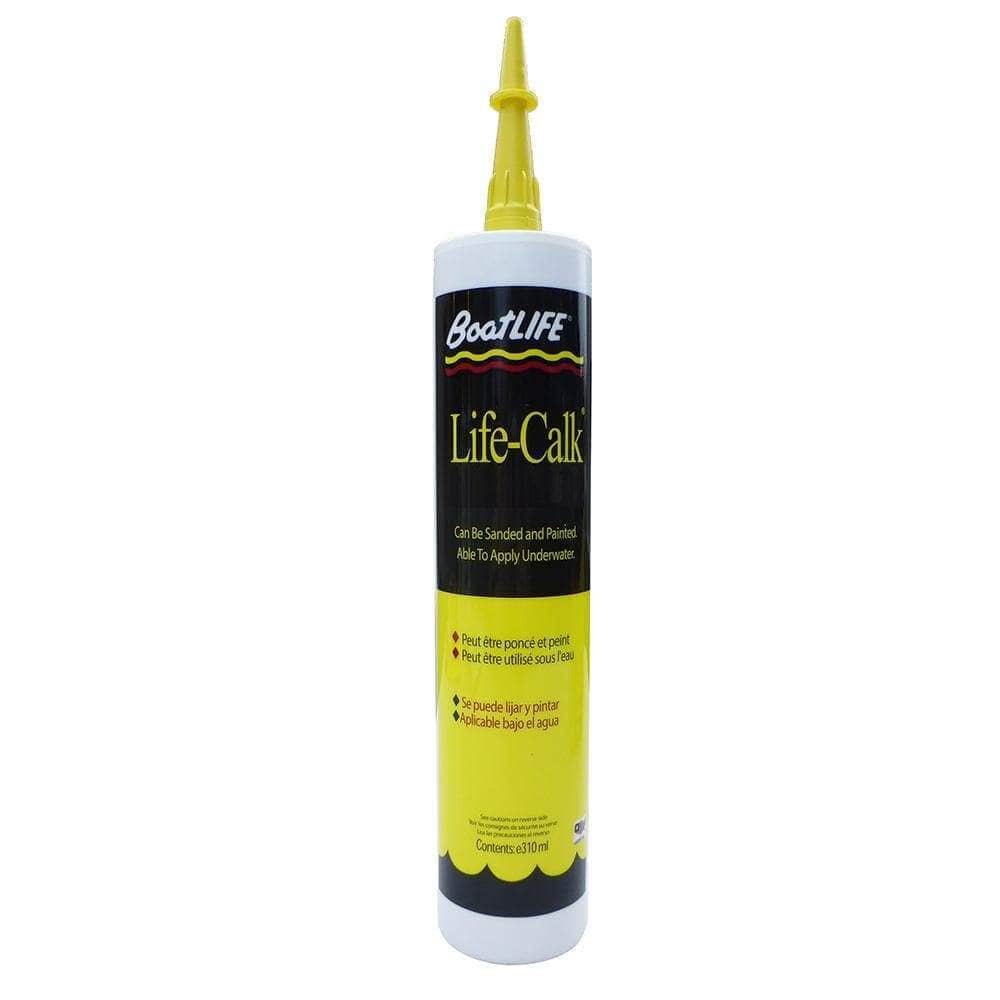
Best for: bedding frames and hardware where you want a sandable, paintable seal. Skip if: you need a structural bond on acrylic glazing; that is Sikaflex territory.
Marine Sealant for Acrylic Windows: What to Look For
Acrylic and polycarbonate windows are demanding substrates, and the wrong marine sealant can craze the plastic or cause adhesion failure. Three criteria decide the choice:
- Stress-crack tolerance. Solvent-heavy sealants can crack stressed plastic. Test on an offcut first.
- UV stability. Plastic glazing passes sunlight straight to the seal. A non-yellowing, UV-resistant formula lasts longer.
- Flexibility match. Acrylic expands more than glass. The seal must move with it without losing adhesion.
Sikaflex 295 UV was developed for exactly this job, and its listing names PC and PMMA as suitable substrates. Coated glass is different: check the coating manufacturer's guidance before sealing, because some coatings reject polyurethane adhesion.
Glazing and Frame Compatibility Chart
Here is a substrate-by-substrate overview of compatibility considerations:
| Glazing / Frame Material | Preferred Chemistry | Avoid | Why It Matters |
|---|---|---|---|
| Acrylic (PMMA) | Polyurethane (Sikaflex 295 UV) | Solvent-rich silicone, acetoxy silicone | Acetoxy silicone can stress-crack stressed acrylic |
| Polycarbonate (Lexan) | Polyurethane or hybrid silicone-polyurethane (LifeSeal) | Acetoxy silicone, some solvent-based bedding compounds | Polycarbonate is notch-sensitive and crazes under solvent attack |
| Coated glass | Check coating maker's guidance first; neutral-cure silicone or polyurethane | Acid-cure silicone on some coatings | Coatings can reject adhesion or stain at the edge |
| Bare glass | Silicone, polyurethane, or polysulfide | None of the common marine chemistries | Glass is forgiving; frame material usually decides |
| Anodized aluminum frame | Polyurethane or hybrid | Acid-cure silicone (can attack the anodize) | Anodize is thin and easy to etch |
| Bare aluminum frame | Polyurethane | Silicone (poor long-term adhesion) | Bare aluminum needs a firm structural grip |
| Fiberglass / GRP frame | Hybrid silicone-polyurethane (LifeSeal) or polyurethane | Pure silicone on a flexing joint | Silicone peels from flexing GRP |
| Teak or oiled wood frame | Polysulfide (Life-Calk) | Silicone (oils interfere with cure) | Teak oils migrate into the joint |
A common pattern is that the glazing, not the frame, is the limiting material. When in doubt, test a bead on an offcut of the actual glazing and let it cure fully before committing to the frame.
Bedding Versus Structural Bonding
This decision is important, because the wrong approach can be costly.
- Bedding creates a flexible watertight gasket between glazing and frame while mechanical fasteners hold the assembly. The sealant's job is to keep water out, not to hold the window in. Polysulfide bedding compounds and hybrid sealants are the right tools here.
- Structural bonding means the adhesive itself holds the glazing to the frame, with no mechanical fasteners carrying the load. Only products rated as structural adhesives should be used, and surface preparation tolerances are much tighter.
For most DIY window reseals, bedding is the correct approach because the original frame fasteners are reused.
Watch out: using a bedding compound as a structural adhesive, or a structural adhesive where the frame is designed to be removable, can leave the window either unsafe or impossible to service.
How to Reseal a Boat Window Step by Step
Allow a full weekend for resealing a boat window once cure time is included. Work in dry weather and shade if you can.
- Remove the old sealant. Cut it out with a plastic scraper and a sealant remover tool. Never gouge the gel-coat.
- Clean the frame and glazing. Wipe with a solvent recommended for your substrate, then let it flash off fully.
- Test adhesion. Apply a small bead to an offcut or hidden section and check the bond after curing.
- Mask the joint. Tape both sides of the seam for a clean edge.
- Apply a triangular bead. A triangular profile gives uniform thickness and better adhesion.
- Tool the joint. Finish within the product's skin time, before a skin forms.
- Pull the tape and let it cure. Do not disturb the joint until fully cured.
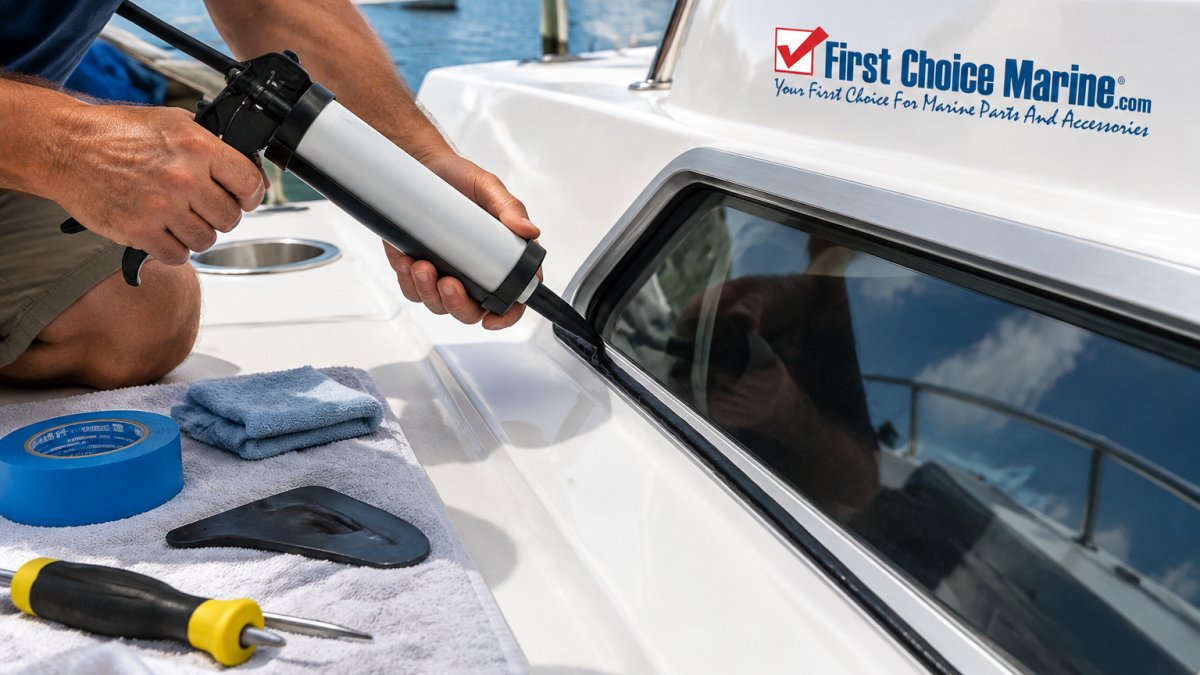
Watch out: tooling after the skin forms drags the surface and leaves ridges that trap water. Finish the bead promptly.
Before You Start: Is Caulk Actually the Fix?
A fresh bead will not stop a leak that is not coming from the seal. Diagnose first, because resealing a window that is leaking for another reason wastes a weekend and a tube of sealant.
- Leak tracks along the frame, not the glazing. Water often enters at a fastener, a stanchion base, or a chainplate above the window and runs down inside the cabin liner. Trace the stain before assuming the window seal failed.
- Water pools in the frame channel. Many aluminum window frames have weep holes or drainage slots. If those are blocked with old sealant, dirt, or corrosion, water backs up and finds a path inside. Clear the drains before resealing.
- The frame itself moves. If the frame flexes when you push on it, the fasteners may be loose or the frame may be cracked. Sealant cannot fix a moving frame; tighten or replace fasteners first.
If any of those apply, fix the underlying cause first. Caulk is the last step, not the first.
Fasteners and Frame Reassembly
If you removed the frame to reseal it, reassembly order matters as much as the sealant.
- Clean the fastener holes and check for stripped threads before reinstalling.
- Apply a small amount of sealant into each fastener hole so water cannot track down the screw.
- Tighten fasteners in a cross pattern, a little at a time, so the frame seats evenly and does not squeeze the sealant out of one side.
Curing and the First Rain
Leave the boat covered if rain is forecast before cure completes. A light mist is usually harmless once a skin has formed, but driving rain on a fresh bead can wash out uncured sealant at the edges. Wait the full cure time stated on the tube before launching or pressure-washing near the window.
Boat Window Caulk Removal and Surface Preparation
Boat window caulk removal is where most reseal jobs succeed or fail, because new sealant will not bond to contaminated gel-coat.
Work through these steps:
- Score the old bead with a plastic scraper, not metal
- Lift the sealant without digging into the frame
- Wipe residue with a substrate-safe solvent
Manufacturer guidance is clear on one point: surfaces must be clean, dry, and free of grease, oil, dust, and contaminants (Proper Surface Preparation).
For more on sourcing the right tools and consumables, see our roundup of the best marine maintenance supplies.
Marine Sealant Cure Time and Weather Conditions
Marine sealant cure time depends on chemistry, temperature, and humidity, and rushing it is the most common cause of a failed window seal.
Application temperature matters just as much. Check the product listing and technical data for the recommended application temperature range before use.
Cold weather slows the reaction and thickens the product.
Schedule the job for a dry window with falling humidity, and leave the boat covered if rain is forecast before cure completes.
Choose Your Boat Window Sealant and Order Today
Picking the best marine caulk for sealing a boat window frame comes down to one question: what is your glazing made of?
Each pick above qualifies for free shipping. If you are ordering online for the first time, our guide to buying marine parts online safely covers this topic.
The hardest part of a window reseal is not the caulk, it is getting the right chemistry for your frame the first time.
Frequently Asked Questions
Can you use silicone to seal a boat window?
Silicone works for some plastic windows and gaskets, but it is not the best choice for every boat window frame. Standard silicone does not bond well to acrylic or polycarbonate and can leave a residue that makes future resealing difficult. For plastic glazing, a product like Sika Sikaflex 295 UV is formulated for PC and PMMA. For fiberglass frames and flexible joints, Boatlife LifeSeal combines marine silicone and polyurethane for a watertight seal.
Should you use adhesive or sealant for a boat window?
It depends on whether the window is mechanically fastened or held in place by the sealant alone. If screws or a frame clamp the glass, a cosmetic marine caulk such as 3M Marine 4000UV is enough to keep water out. If the glazing is bonded directly to the frame, you need a direct glazing adhesive like Sikaflex 295 UV. Bedding compounds such as Boatlife Life-Calk are for hardware and seams, not for bonding glass.
How do you remove old sealant from a boat window frame?
Cut away the bulk of the old bead with a plastic scraper or a putty knife, then work along the frame without gouging the gelcoat. Once cured, polyurethane sealant can only be removed mechanically, so avoid solvent-heavy shortcuts that can damage plastic glazing. Wipe the frame with a cleaner recommended for the substrate, let it dry fully, and sand lightly if the surface feels slick. Clean, dry, grease-free surfaces are what make the new marine caulk adhere.
How long does marine window sealant take to cure?
Cure time depends on the product and the weather. Sikaflex 295 UV cures on exposure to atmospheric moisture. 3M Marine 4000UV is a fast-cure formula, and Boatlife LifeSeal is described as fast-curing. Boatlife Life-Calk stays tack-free in one to three days. Humidity, temperature, and bead thickness all affect how quickly a marine sealant reaches full strength.
What is the best marine caulk for sealing a boat window frame?
For most boat window frames, 3M Marine 4000UV Fast Cure is a strong all-around pick because it resists UV, saltwater, and joint movement while staying flexible. If your window is acrylic or polycarbonate and needs a true bond, Sikaflex 295 UV is the direct glazing choice. For fiberglass frames that flex, Boatlife LifeSeal offers high adhesion and can be removed without damaging gelcoat. Match the caulk to your frame material and whether the window is bonded or fastened.

