


Boating should feel like freedom, open water and fresh air, but even a calm day can turn risky fast, and most people have seen it happen. Weather can change with little warning, and engines tend to fail at the worst times, usually when no one expects it. That’s why boating safety equipment matters more than many people realize. A lot more, honestly.
For weekend fishing boats and work vessels alike, the right marine safety gear saves lives and protects the boat (and everyone’s nerves). It also helps you stay within the rules, which matters during inspections or busy seasons. The good news is this is simpler than it sounds. This guide looks at what equipment matters, why it matters, and how to use it the right way, no guessing, no fluff. It keeps things simple on purpose, because that usually works best.
You’ll see what gear is required, what extra items are smart to have, and how newer safety tech is changing boating faster than many expect. It also covers common mistakes, based on what goes wrong most often. If you care about the people on board and the boat you worked hard to own, this is meant to help, especially when inspections happen on crowded weekends.
Why Safety Equipment Matters More Than Ever
Boating accidents are more common than many people think, and they often happen on calm days when everything feels fine. Each year, thousands of incidents happen on U.S. waters, and they involve everyday boaters, not just extreme cases. Honestly, it’s more than most people expect. From my perspective, many of these accidents could be avoided with basic boating safety gear and safer habits that people often skip. It’s mostly simple stuff, which is what makes it so frustrating.
What really makes this topic hit home is the data. The latest national numbers help explain why safety gear keeps coming up in safety talks, and why it matters once you picture yourself out on the water.
| Safety Metric | Value | Year |
|---|---|---|
| Total boating accidents | 3,887 incidents | 2024 |
| Boating fatalities | 556 deaths | 2024 |
| Fatalities caused by drowning | 76% | 2024 |
| Drowning victims not wearing life jackets | 87% | 2024 |
| Fatal accidents without safety training | 69% | 2024 |
One detail usually stands out: drowning. In most cases, the people who drowned weren’t wearing life jackets at the time, and that’s hard to ignore. That’s not an opinion, it comes straight from the data, and the National Safe Boating Council explains it clearly.
Drowning remains the leading cause of death in recreational boating fatalities, with 87 percent of drowning victims not wearing a life jacket.
Life Jackets and Personal Safety Gear
On most boats, life jackets usually end up being the most important piece of safety equipment. Every vessel must carry a wearable, Coast Guard approved life jacket for each person onboard, and boats over 16 feet also need a throwable device. There really aren’t exceptions here (yeah, this one’s non‑negotiable).
What often gets missed is that not all life jackets work the same way. Fit matters, and so does how they’re actually used. A jacket usually only helps if it’s worn while people are moving around the boat, not shoved under a seat where it’s easy to forget.
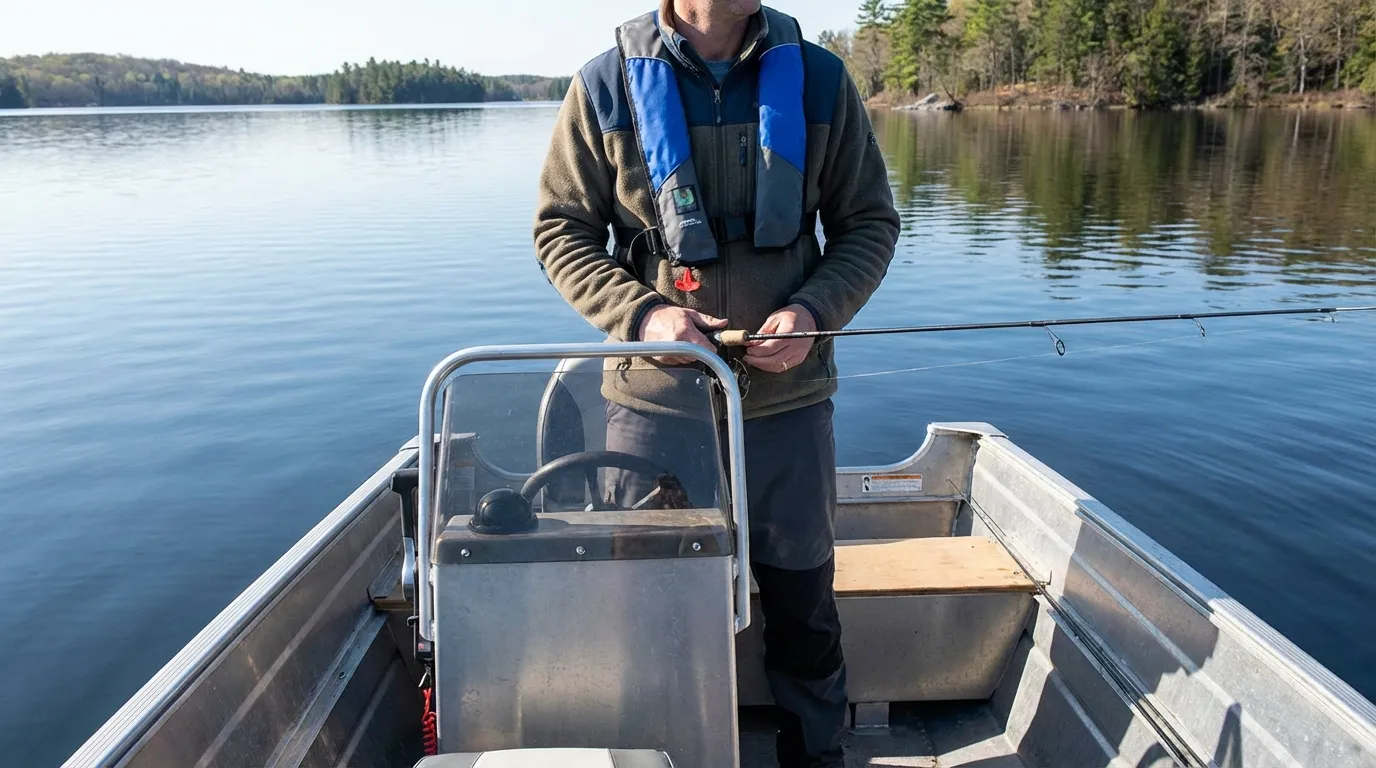
For fishing and other active boating, many boaters prefer lightweight designs that stay comfortable during long days on the water. Inflatable life jackets are popular with anglers because they’re easier to move in and tend to stay out of the way, with less bulk and fewer snags. Kids’ jackets should always match their weight range, and checking the fit before leaving the dock often saves hassle later.
Personal safety gear goes beyond life jackets. Kill switch lanyards can shut off the engine if the operator falls overboard, which explains why they matter so much. Gloves and non-slip footwear help during docking and anchor work, and they cut down on slipping, a common cause of boating injuries, often more than people expect.
We covered the required and recommended gear in more detail here: Boating Safety Equipment Guide: What Every Boater Should Know.
Fire, Flooding, and Mechanical Emergencies
A lot of boaters think safety starts and stops with life jackets, and that’s a pretty common mistake. On motorized boats especially, fire and flooding are real risks because there are more systems that can fail. When something goes wrong, it often gets serious fast. That overwhelmed feeling usually comes from not being ready for these kinds of problems ahead of time.
Fire extinguishers are required on most boats with engines or enclosed fuel systems, but simply having one isn’t enough. You should check the rating and confirm it’s marine approved before you buy or install it. Placement matters just as much. An extinguisher mounted near the helm or galley can actually be reached when seconds matter, unlike one stuffed under spare lines or gear.
Bilge pumps are another must-have. They quietly remove unwanted water and often stop small leaks from turning into real emergencies. Automatic bilge pumps are usually the better option since they can run even when no one is onboard. Regular testing, along with taking care of the float switch and wiring, keeps the system reliable, this is the step many people skip.
We covered setup and testing in more detail here: Automatic Bilge Pumps: Installation & Safety Tips 2025.
Carbon monoxide detectors are also a smart add-on, especially on cabin boats. Exhaust fumes can build up without much warning, and detectors give early alerts before levels become dangerous, such as when engines are running or while resting below deck.
Navigation and Communication Tools
Out on the water, being seen and heard often makes the biggest difference before trouble starts. Many close calls happen because boats spot each other at the last moment, which is more common than people think. When that happens, there’s very little time to react.
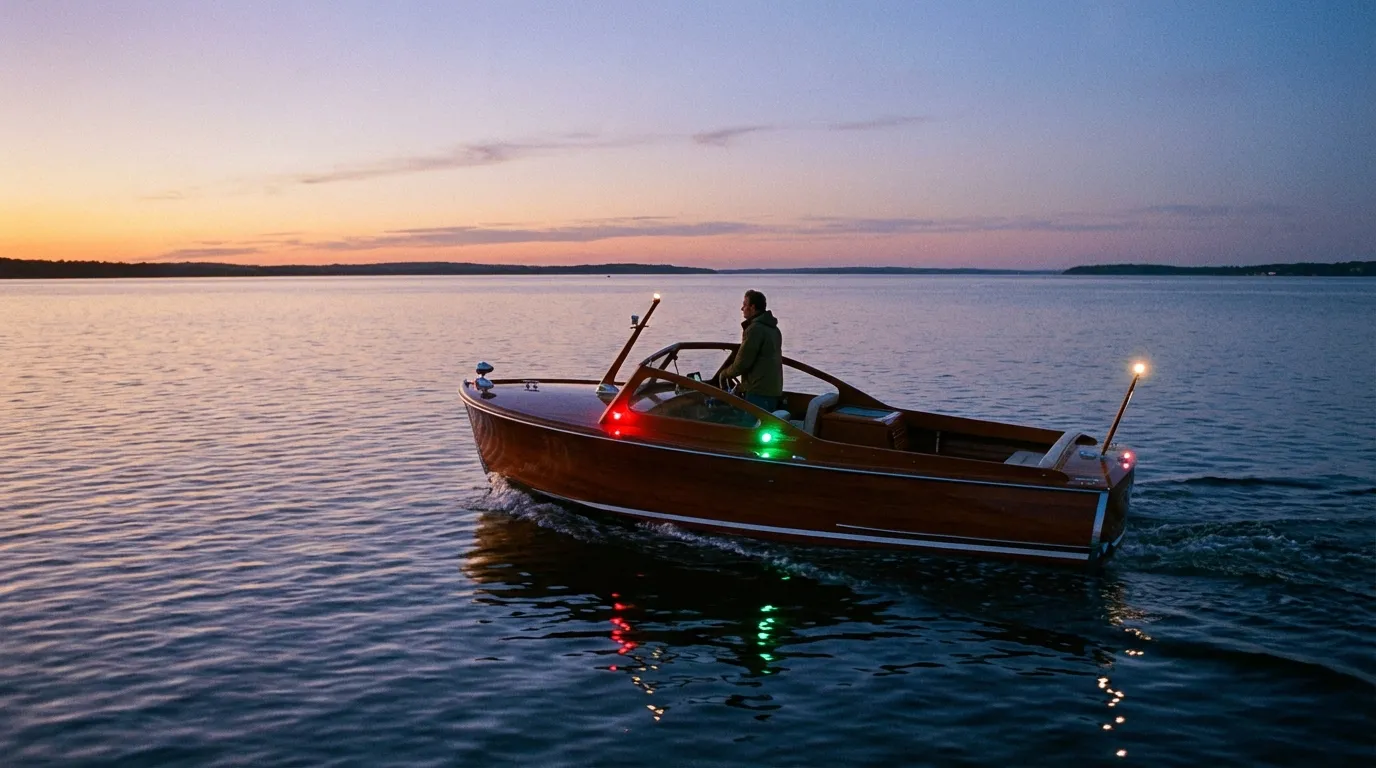
From sunset to sunrise, navigation lights are required. They need to show the correct colors and be bright enough so others can see you early and change course if needed. LED marine lights are a popular choice because they use less power and usually last longer than older systems. That kind of dependability matters most on longer trips, where small issues can pile up.
You’ll also need a way to make noise. For small boats, a basic whistle is usually enough, even one clipped to a life jacket. It’s easy to forget about, but it can help. Larger boats should carry proper horns that are loud enough to warn nearby traffic or signal location in fog.
Communication gear adds another layer of safety. VHF radios let you call for help, hear weather reports, and listen to nearby traffic. They work best with a good antenna and a reliable marine battery. Simple gear, but it matters.
Emergency beacons, like EPIRBs and personal locator beacons, are appearing on more boats. They send your location to rescue teams when you can’t make a call. For offshore or commercial boating, they’re often worth serious thought.
Smart Safety Gear and New Trends
What’s interesting right now is how boating safety gear keeps getting smarter instead of staying the same. New tech is making boats safer and easier to manage, which is honestly a relief. It often means less stress and more confidence on the water, something most boaters notice once they experience it themselves.
Smart life jackets now mix automatic inflation with GPS tracking. Some models connect to apps and send alerts if someone falls overboard, often within seconds. Man overboard systems can even shut down engines or trigger alarms right away. Response time matters here, especially in cold water or rough conditions.
Battery monitoring systems are another helpful upgrade. They warn you early, before power drops too low, so you don’t end up drifting without lights or radios. Fewer surprises, usually.
Behind the scenes, government and industry groups are working together on stronger safety standards nationwide. Over time, that teamwork shows up in real moments, like an alert firing the second someone hits the water.
The Coast Guard and NASBLA continue to work together to protect millions of Americans who enjoy recreational boating each year. This agreement underscores our dedication to supporting state programs, sharing resources, and advancing safety standards nationwide.
So if you want to see how innovation is shaping marine safety, we’ve covered those growing trends here: Top Innovations in Marine Safety Equipment for 2025.
Maintenance Habits That Support Safety
Safety gear only helps if it works when you actually need it. That’s pretty obvious, but issues usually start with small tasks that get skipped and slowly pile up over time.
At the beginning of the season, it helps to go through life jackets and check them closely. Tears, broken straps, or even mold can weaken the material, especially if the gear sat in damp storage. Inflatable models should be tested exactly the way the manufacturer explains, since guessing can miss real problems. Fire extinguishers need attention too. Checking the pressure gauge each month helps, and any unit past its expiration date should be replaced.
Electrical systems can cause big headaches when they’re ignored. Corrosion can knock out radios, bilge pumps, and lights, which is annoying and unsafe. Using marine‑grade connectors, keeping batteries clean and charged, and labeling circuits makes fixing problems much easier.
Fuel systems matter just as much. Leaks raise fire risk, and old fuel can stall an engine at the worst time, like while docking. Fuel stabilizers during storage and proper winterization are usually worth the effort when reliability really matters.
Questions People Often Ask
What boating safety equipment is required by law?
Fire extinguishers are required on motorized boats, something many people forget, so it’s smart to check before you head out. Most boats also need life jackets for everyone onboard, navigation lights, a sounder, and, if the boat is over 16 feet, a throwable device (this is often missed).
How often should marine safety gear be inspected?
Before each trip, yes, pretty much every time, give life jackets and fire extinguishers a quick check. Beyond that, plan an inspection at least once a season, or after the boat has been sitting in storage.
Are inflatable life jackets safe?
Yes, usually, when used the right way. Reliability mostly depends on wearing them, doing routine checks, and storing them properly over time, not on careless handling overall.
Do small fishing boats need all the same safety gear?
Smaller boats often have fewer rules, but basic marine safety gear still matters to you. Life jackets should be onboard, plus sound devices and proper lights.
Is smart safety equipment worth the cost?
For many boaters, it does feel worth it. GPS-enabled gear and monitoring systems can send quick alerts and extra protection, which helps. They matter most when boating alone or heading offshore.
Putting Safety Into Practice
Boat safety isn’t about fear. It’s about preparation and clear thinking, especially staying calm when things get strange. The right boating safety equipment can give you control when something goes wrong, protecting people and the boat. That focus matters and often helps you react faster on the water.
What’s the first move? Start by checking what’s already onboard. This often shows gear that needs replacing, even if it’s easy to delay. Add items that fit how and where you boat, since lakes, rivers, and offshore trips differ. Keep gear maintained and easy to reach, because emergencies happen right now.
There’s a checklist that brings the safety setup together in one place: Complete Boating Safety Equipment Guide 2025.
