


If you own a boat, grease isn’t exactly exciting. It’s not something people brag about at the marina. Still, it often matters more than most expect. The right marine‑grade bearing grease can mean the difference between a smooth day on the water and an expensive repair back at the dock. Bearings work hard in marine settings. They deal with constant moisture, heavy loads that add stress, and wide temperature changes that push materials even more, sometimes all during the same trip. Regular automotive grease usually can’t handle that kind of punishment for very long.
That’s why this guide keeps things simple. Very simple, on purpose. It explains what marine‑grade bearing grease is and why it matters for real boating use. You’ll get help choosing the right option for your boat, which is where many people get stuck. It also walks through how to apply grease the right way, since small details make a real difference. Common mistakes are covered along the way. Instead of quick fixes, it shows how proper lubrication fits into a smart maintenance routine based on regular checks. Whether it’s a weekend fishing boat or a commercial vessel, this information helps protect your investment and cut down on future problems.
By the end, the real benefits of bearing grease are clear, without hype. You’ll see how friction‑reducing grease helps performance under heavy load, when bearings work their hardest. You’ll also understand why corrosion‑resistant grease matters in saltwater, where metal parts face constant exposure.
What Makes Marine-Grade Bearing Grease Different
Marine-grade bearing grease is made for wet conditions, and that’s usually the first thing people notice when they use it. Regular grease works fine in dry garages or lightly used equipment. Once water gets involved, though, it often thins out and stops sticking. Marine grease works differently. It stays where it’s put, even with steady splashing, heavy spray, or long-term submersion. No drifting, no sliding off. That dependability matters for boats, trailers, and dock equipment, and anyone who’s dealt with a failed bearing knows how messy and frustrating that can be.
One of the biggest differences is water washout resistance. Instead of breaking down or rinsing away, the grease sticks to the metal surface. This really matters during repeated boat launches or constant exposure to spray. Many marine greases use thickeners like calcium sulfonate or aluminum complex to make this happen. These materials form a tight barrier that helps stop moisture from pushing the grease aside.
Corrosion protection is another main reason marine grease exists. Saltwater speeds up rust and metal damage. By sealing the bearing surface and reducing contact with water and oxygen, corrosion-resistant grease slows wear and helps bearings last longer, which usually means fewer issues down the line.
Let’s look at how marine grease compares to regular grease in key areas.
| Feature | Marine-Grade Grease | Standard Automotive Grease |
|---|---|---|
| Water resistance | Very high | Low |
| Corrosion protection | Excellent | Limited |
| Load handling | High | Moderate |
| Service life in marine use | Long | Short |
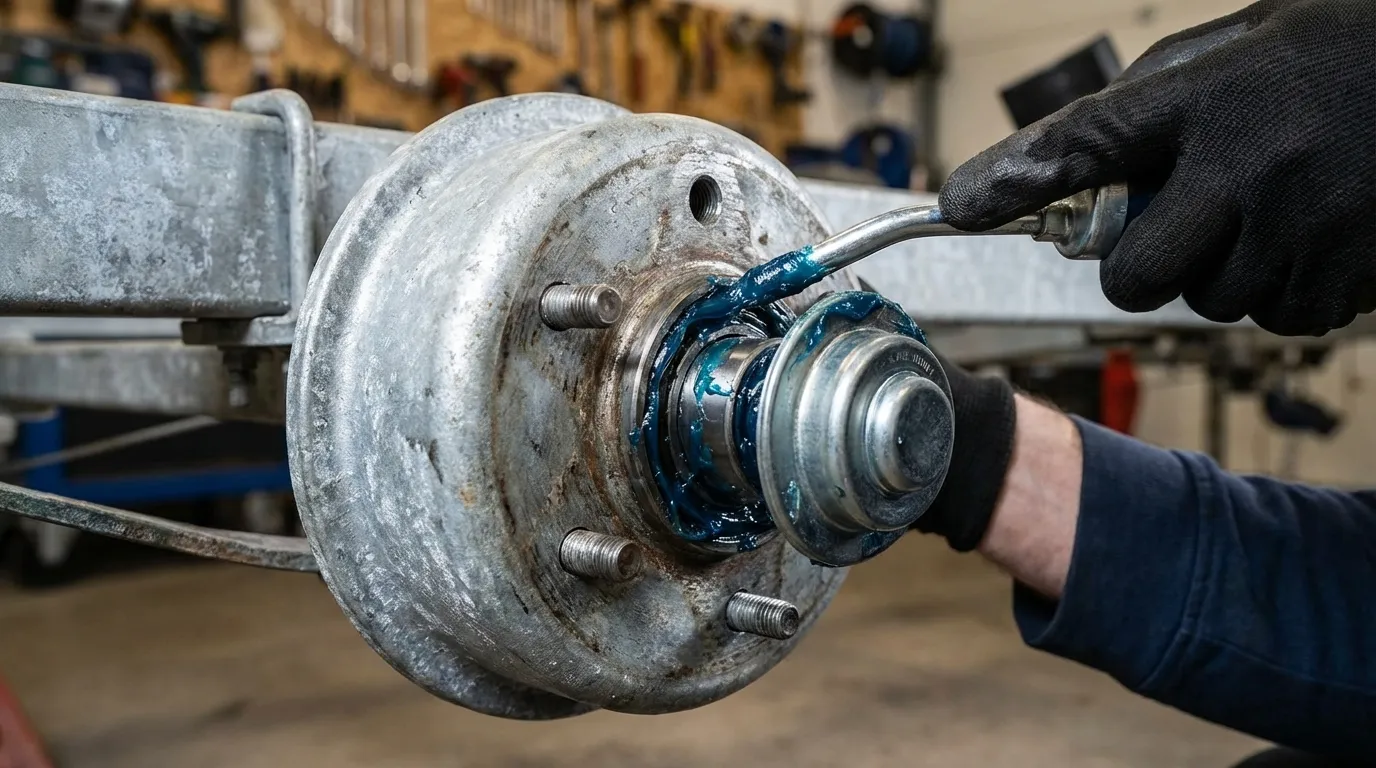
How Marine-Grade Bearing Grease Benefits Performance and Safety
Good grease usually does more than just stop rust, especially for people who use their boats often. It has a direct effect on both performance and safety. Bearings support moving parts under heavy loads and often run for hours at a time. When lubrication isn’t right, metal rubs directly against metal. Heat builds quickly, often faster than people expect, and wear follows soon after. In those conditions, there isn’t much room for mistakes.
Friction‑reduction grease creates a smooth layer between moving surfaces. That layer helps manage heat and allows parts to move the way they’re supposed to. In real‑world use, this often means trailer wheels that spin freely on the highway and engine components that stay cooler during long drives or heavy use, like summer towing. Less strain usually leads to steadier, more predictable performance.
Safety is closely connected to all of this. Trailer bearing failure is a common reason boaters end up stranded on the side of the road. In more serious cases, a seized bearing can cause wheel loss or damage to the axle. Marine‑grade bearing grease helps lower that risk, especially for trailers that are regularly submerged during launches and retrievals.
It also tends to extend service intervals. Because it resists washout and oxidation, it stays in place longer between applications. That saves time, keeps maintenance costs down, and fits well with other protective steps, like the ones covered in our guide on advanced marine corrosion prevention. A smoother tow on a hot day is a clear example of how these simple choices pay off.
Choosing the Right Marine-Grade Bearing Grease
Not all marine greases behave the same, and picking the right one usually depends on how and where a boat is used. Someone running in saltwater most weekends will often need something different than a boat that’s trailered a few times a year. That difference matters more than many people expect, especially once parts start showing wear. A good first step is checking manufacturer recommendations for bearings, trailer hubs, and other engine-related components. It sounds simple, but this step is often skipped, and guessing here rarely works out well.
One key detail is the grease base. Synthetic greases usually handle wide temperature changes better and last longer between changes, which helps if regular maintenance isn’t high on the list. They tend to perform well in hot engine rooms and usually sit fine during cold winter storage. Mineral-based greases cost less at the start, which can be appealing, but they often need more frequent replacement. That tradeoff becomes noticeable fairly quickly with regular use.
Thickener type matters too. Calcium sulfonate greases are commonly used because they often resist corrosion well and handle heavy loads. Aluminum complex greases are also popular, especially for setups with constant water exposure, like frequent launches. Their use reflects steady performance in marine conditions.
Certifications and ratings often say more than marketing labels. Tests for water washout and rust prevention give clearer insight when comparing products. Mixing grease types is where issues often begin. Unless compatibility is clearly stated, cleaning out old grease before switching usually prevents problems later, even if it takes extra time.
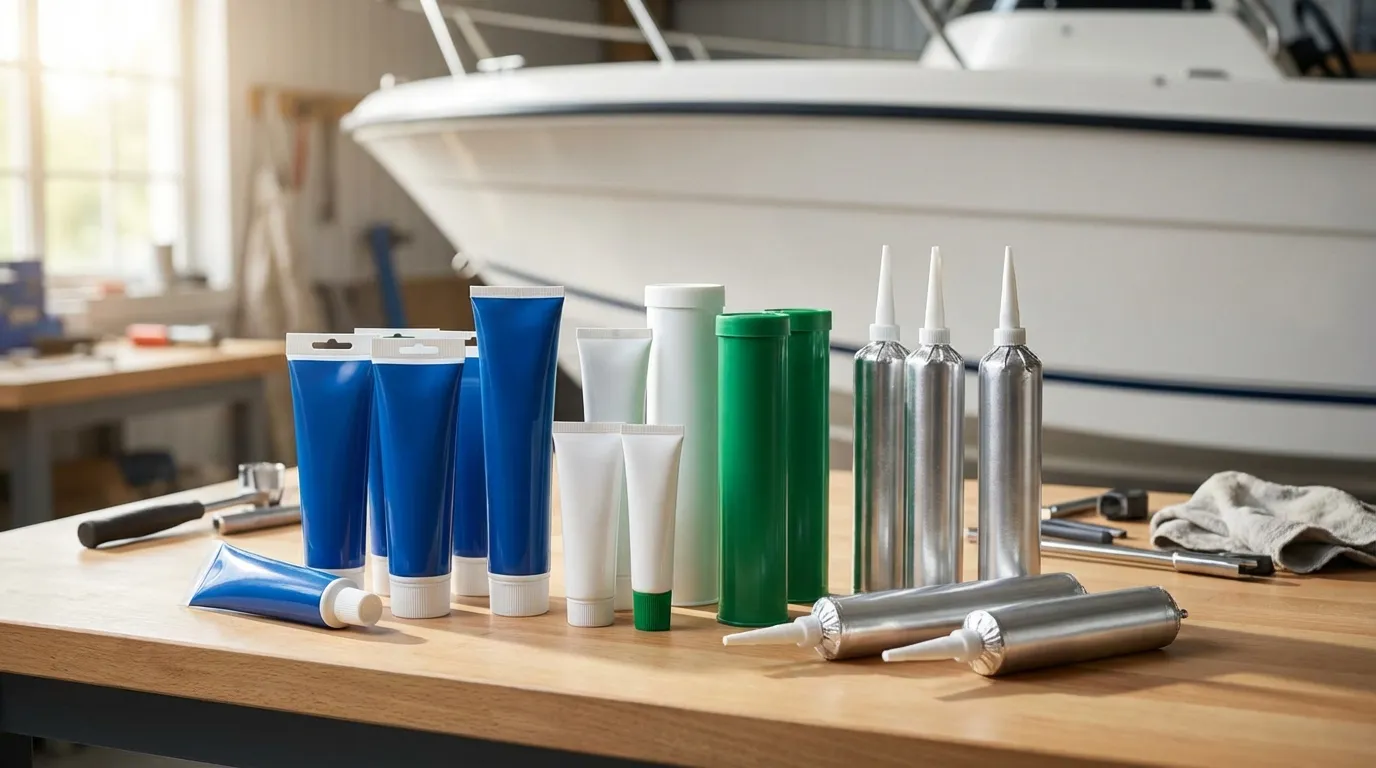
Proper Application of Marine-Grade Bearing Grease and Common Mistakes to Avoid
What often surprises people is how even top-quality grease can fail just because of how it’s applied. Clean parts usually make the biggest difference. It sounds basic, but dirt and old grease can trap moisture, which speeds up wear sooner than most expect. Taking a moment to wipe down bearings and housings before adding fresh grease is a small habit that often pays off.
Using the right amount matters just as much. Overpacking a bearing can cause extra heat once the grease starts moving during operation, especially at higher speeds. Too little grease does the opposite and leaves metal surfaces exposed. A smart move is to check the component guidelines so the amount fits the specific setup instead of relying on guesswork.
Tools matter too. A grease gun with a clean fitting gives better control and helps keep dirt out. For trailer hubs, bearing protectors help hold pressure and block water, which brings peace of mind in wet conditions.
Another common mistake is grabbing automotive grease just because it’s nearby. That often leads to fast washout and corrosion. Skipping seasonal maintenance can cause issues as well. Bearings usually benefit from inspection before long trips and again after storage.
Good lubrication habits, along with broader system checks, like those in this marine fuel system maintenance guide we wrote about, help keep a boat dependable from bow to stern, one well-greased part at a time.
Trends and Smart Practices in Marine Lubrication
One interesting shift is the early appearance of self-lubricating bearing designs in some marine uses. They’re still uncommon for trailers, even today, but they point to where the industry is slowly heading rather than any sudden change. For the near future, traditional grease remains essential, especially for high-load parts exposed to water and road grime, where proven protection usually matters most.
Marine maintenance is also changing in clear ways. Many boaters now choose synthetic and eco-friendly greases because they often last longer between applications, which means fewer messy re‑greasing days. They also tend to lower environmental impact, which matters more now than it used to. Some meet environmental acceptance standards, making them a good fit for sensitive waterways like marinas and coastal areas.
Preventive maintenance planning is becoming more common too. Instead of waiting for failures, owners often link inspections and lubrication to seasonal service, like spring launch or fall haul‑out, which usually helps manage long‑term costs and adds an extra layer of safety.
Frequently Asked Questions
How often should I apply marine-grade bearing grease?
For most trailer bearings, you’ll usually inspect and re-grease about once a year, roughly every 12 months. That schedule can change with heavier use or long trips, especially in saltwater, where you’ll want to check things sooner.
Can I use marine grease on engine bearings?
Marine-grade bearing grease can work on some external, serviceable engine parts. Internal lubrication is different, so it’s often safer to follow the engine maker’s recommendations.
Is marine grease actually better than automotive grease?
Yes, it’s usually better here. Marine grease resists water and slows corrosion. In wet marine use, automotive grease breaks down quickly, so it doesn’t last as long.
What happens if water gets into the bearing?
Water often causes rust and can wash away lubrication, leading to problems. Marine-grade grease can help block water. If bearings get contaminated, clean them and add fresh grease right away, waiting only makes it worse.
Should I change grease types when upgrading?
But yeah, you’ll usually clean out the old grease first, it’s messy. Mixing incompatible greases often hurts performance, and protection drops.
Keep Your Boat Running Smooth for the Long Haul
Picking the right marine‑grade bearing grease can feel like a tiny choice, but over time it often matters more than people expect. It’s a small item on the checklist, yes, yet it quietly keeps water out, cuts down friction, and helps parts last longer in the places where bearings tend to wear first. These benefits usually build up slowly instead of showing up all at once.
So what happens when grease checks get skipped? Problems often become harder to spot. A helpful habit is to work grease checks into your regular marine maintenance so they don’t get missed. While you’re at it, look closely at the bearings, clean the surfaces, use products made for marine use, and wipe away old buildup. That buildup is easy to miss.
If you’re not sure which grease works for your setup, start by looking at how you use the boat and where it runs most days. From my experience, good products mixed with steady habits tend to pay off over time, like bearings that still spin smoothly after months on the water.
